



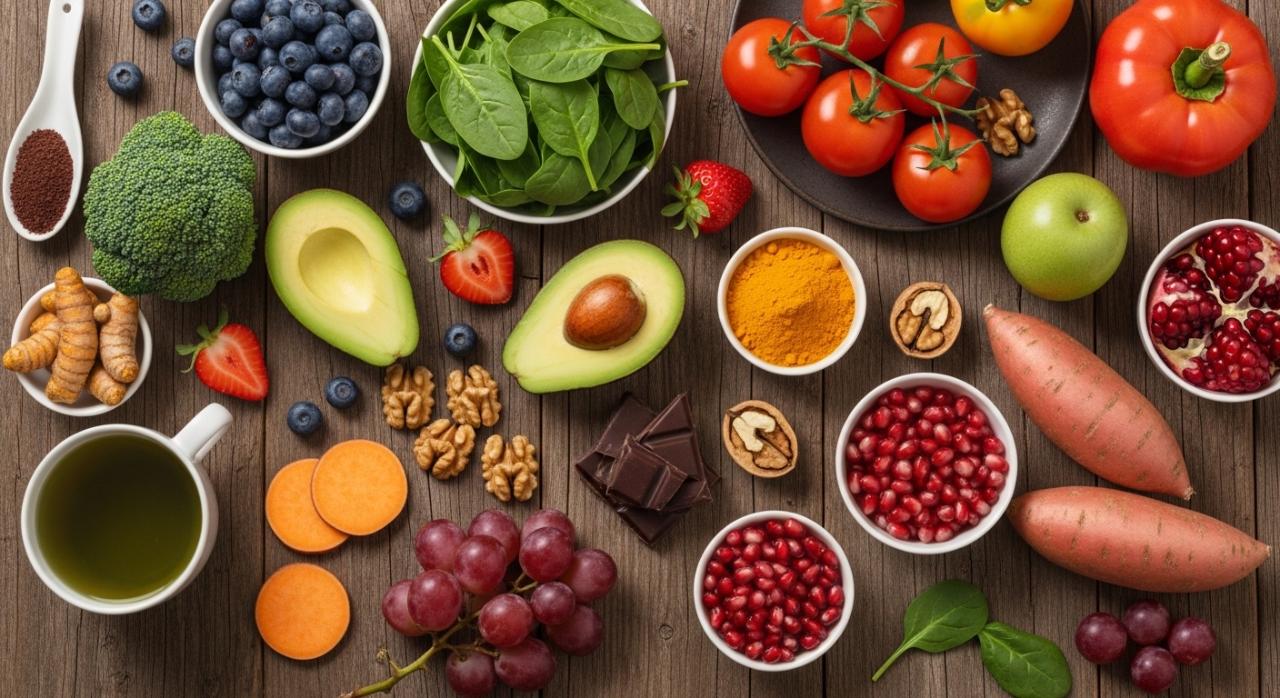
Modern lifestyles expose our bodies to pollution, processed foods, stress, and environmental toxins every day. These factors can increase oxidative stress, a condition linked to aging and various health concerns. One of the most effective natural ways to protect your body is by adding more antioxidant foods to your daily diet.
Antioxidants help neutralize harmful molecules called free radicals. Free radicals can damage cells, accelerate aging, and contribute to inflammation. Eating foods rich in antioxidants may support immunity, improve skin health, strengthen the heart, and promote overall wellness.
If you are searching for the best antioxidant foods, this guide covers nutrient-rich options that deliver maximum health benefits while helping you build a balanced diet.
What Are Antioxidant Foods?
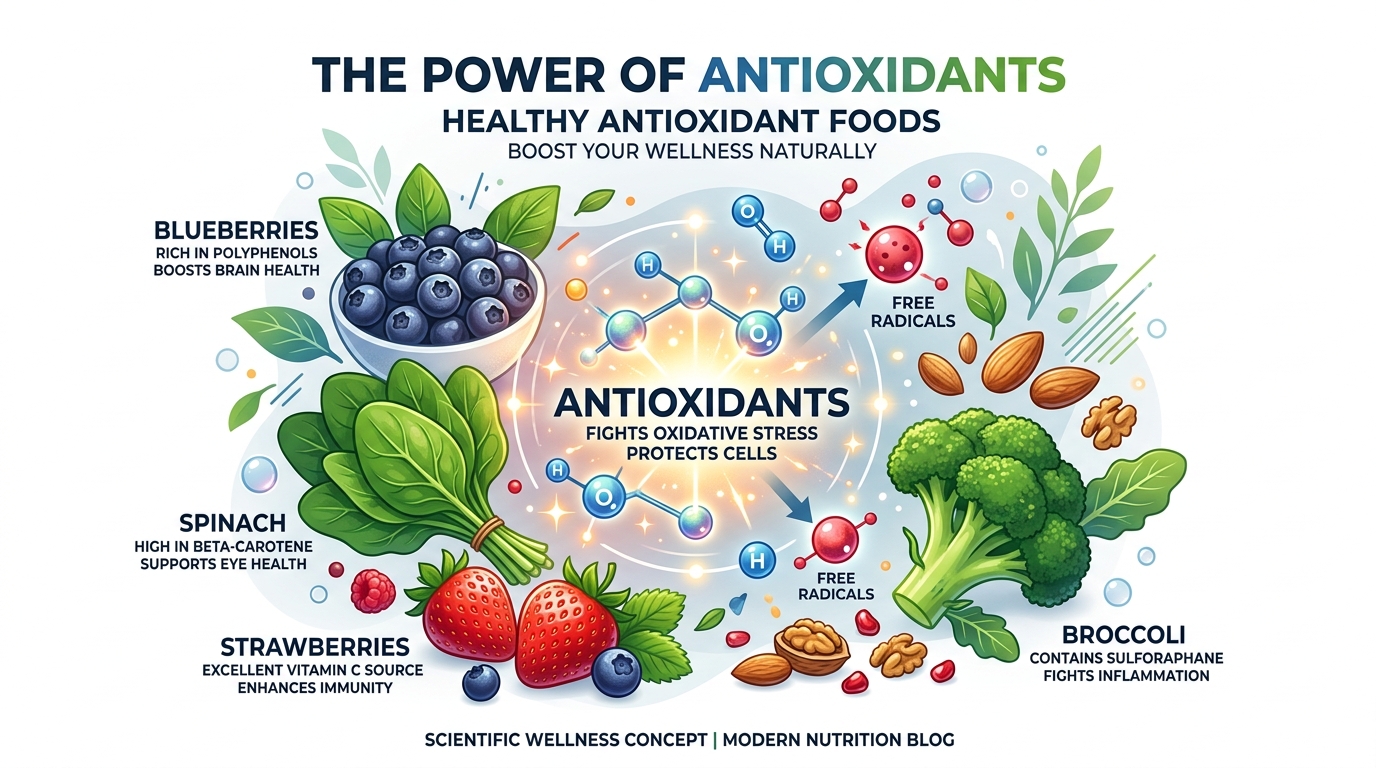
Antioxidant foods contain compounds that help protect the body against oxidative damage. Common antioxidants include:
- Vitamin C
- Vitamin E
- Beta-carotene
- Flavonoids
- Polyphenols
- Selenium
- Anthocyanins
These nutrients work together to reduce cellular damage and help maintain healthy body function.
Research continues to highlight how foods high in antioxidants support long-term wellness and healthy aging.
1. Blueberries – The Ultimate Superfood
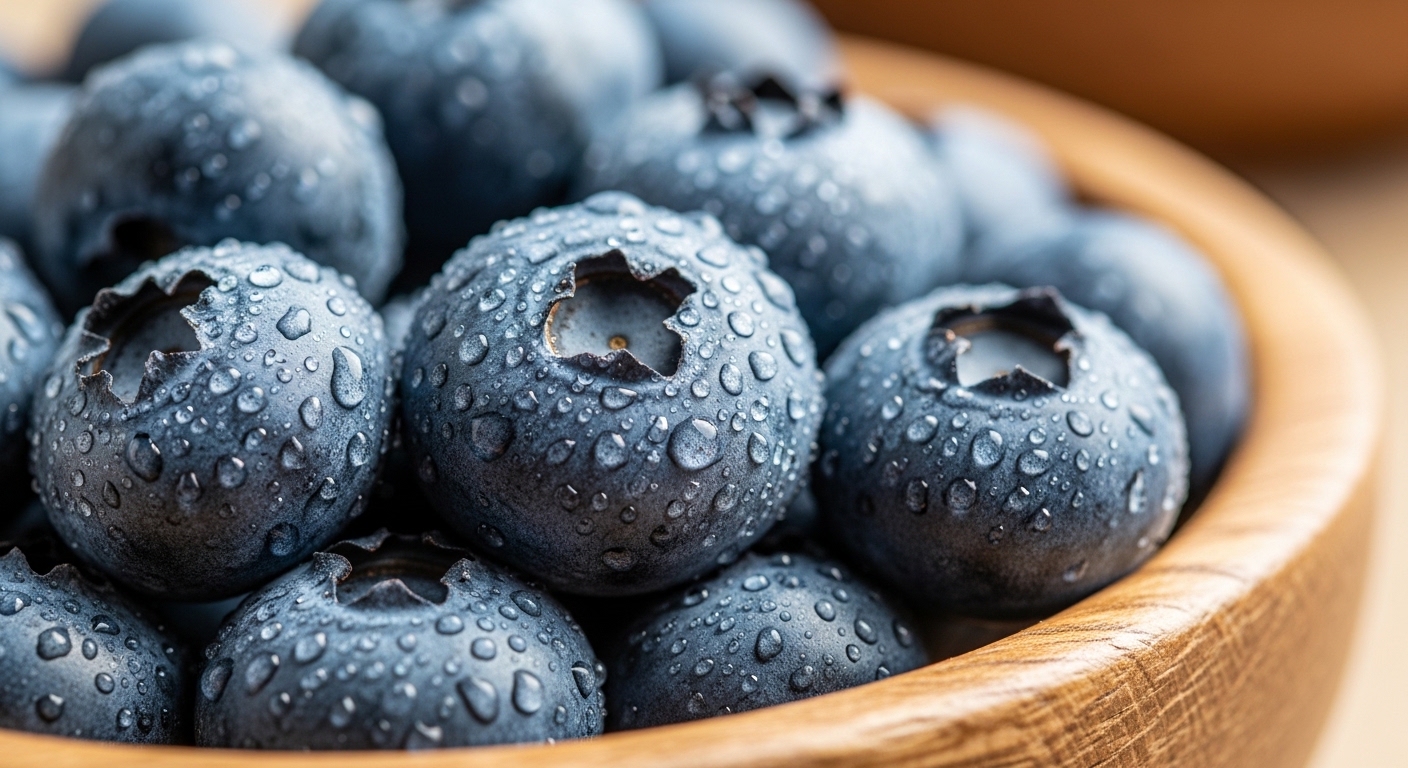
Blueberries consistently rank among the most powerful antioxidant-rich foods.
Their deep blue color comes from anthocyanins, plant compounds known for strong antioxidant activity.
Health Benefits of Blueberries
- Supports brain function
- Helps maintain healthy blood pressure
- Supports skin health
- Rich in vitamin C and fiber
- May help reduce inflammation
Blueberries are easy to include in your diet. Add them to:
- Smoothies
- Yogurt
- Oatmeal
- Fruit bowls
- Healthy desserts
For maximum nutrition, choose fresh or frozen blueberries without added sugar.
2. Dark Chocolate'

Chocolate lovers have good news. Dark chocolate contains antioxidants called flavonoids that may support cardiovascular health.
Choose dark chocolate with at least 70% cocoa content for the best nutritional value.
Benefits of Dark Chocolate
- Supports heart health
- May improve circulation
- Contains magnesium and iron
- Helps fight oxidative stress
Moderation remains important because chocolate still contains calories and sugar.
3. Spinach – A Nutrient-Dense Green
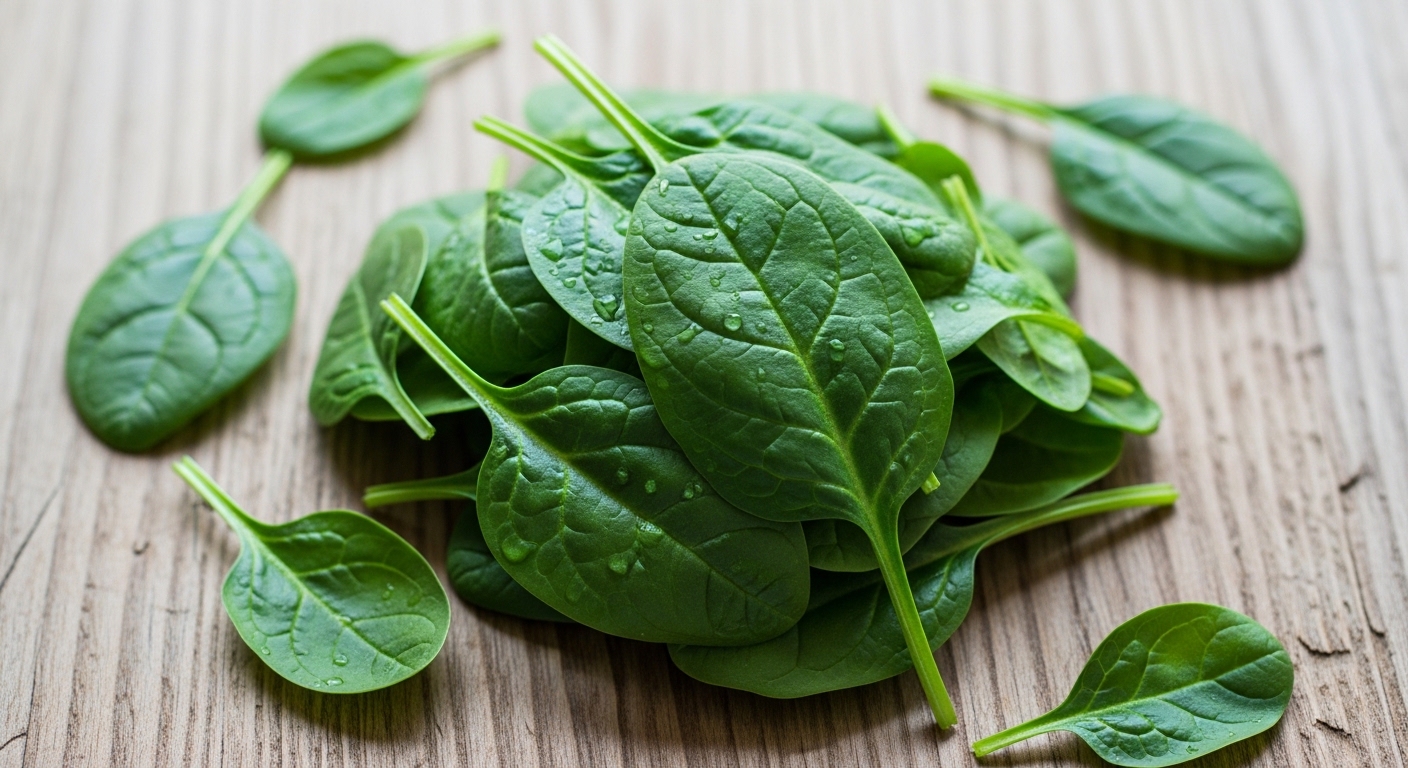
Spinach provides vitamins and antioxidants that help support overall wellness.
It contains:
- Vitamin C
- Beta-carotene
- Lutein
- Zeaxanthin
These nutrients contribute to eye health and immune support.
Why Spinach Is One of the Best Antioxidant Foods
Spinach is low in calories while delivering substantial nutritional value.
Easy ways to eat spinach:
- Green smoothies
- Salads
- Omelets
- Soups
- Pasta dishes
Cooking spinach lightly may improve absorption of certain nutrients.
4. Strawberries
Strawberries are delicious fruits loaded with antioxidants and vitamin C.
Their antioxidant compounds help support skin health and protect cells from oxidative damage.
Health Benefits
- Supports collagen production
- Rich in dietary fiber
- Helps maintain healthy immunity
- Naturally low in calories
Fresh strawberries make an excellent snack and healthy dessert alternative.
5. Walnuts
Walnuts provide healthy fats alongside valuable antioxidants.
Among nuts, walnuts rank especially high for antioxidant content.
Walnut Nutrition Benefits
- Rich in omega-3 fatty acids
- Supports brain function
- Promotes heart health
- Helps reduce inflammation
Try adding walnuts to:
- Oatmeal
- Yogurt
- Salads
- Homemade granola
A small daily serving can contribute to a healthier diet.
6. Green Tea

Green tea has become one of the world's most popular wellness beverages.
It contains catechins, plant compounds recognized for strong antioxidant activity.
Green Tea Benefits
- Supports metabolism
- Helps protect cells
- Supports cardiovascular wellness
- Contains natural antioxidants
Drinking one to three cups daily may help increase antioxidant intake naturally.
Avoid excessive sweeteners to maximize health benefits.
7. Tomatoes
Tomatoes contain lycopene, one of the most researched antioxidants.
Lycopene gives tomatoes their red color and supports overall health.
Why Tomatoes Matter
Research suggests lycopene may support:
- Heart health
- Skin wellness
- Healthy aging
- Cellular protection
Interestingly, cooked tomatoes often provide more absorbable lycopene than raw tomatoes.
Healthy tomato options include:
- Tomato soup
- Pasta sauce
- Fresh salads
- Roasted tomatoes
8. Turmeric
Turmeric contains curcumin, a natural compound valued for antioxidant and anti-inflammatory properties.
Turmeric has been used in traditional nutrition practices for centuries.
Benefits of Turmeric
- Helps combat oxidative stress
- Supports joint comfort
- May support brain health
- Promotes overall wellness
Add turmeric to:
- Rice dishes
- Soups
- Smoothies
- Tea
- Curries
Pair turmeric with black pepper to improve curcumin absorption.
9. Broccoli
Broccoli belongs to the cruciferous vegetable family and delivers powerful nutritional benefits.
This vegetable contains:
- Vitamin C
- Sulforaphane
- Fiber
- Beta-carotene
Health Advantages
- Supports immune function
- Promotes digestive health
- Contains plant antioxidants
- Supports healthy aging
Steaming broccoli lightly helps preserve nutrients.
10. Red Grapes
Red grapes contain resveratrol, a plant antioxidant widely studied for wellness benefits.
Red Grape Benefits
- Supports heart health
- Helps fight oxidative stress
- Contains vitamin C
- Provides natural sweetness
Fresh grapes make an easy antioxidant-rich snack option.
Frozen grapes can also be refreshing during warm weather.
11. Avocados

Avocados deliver healthy fats together with antioxidants like vitamin E and lutein.
Why Avocados Are Popular
- Supports healthy skin
- Promotes heart wellness
- Rich in fiber
- Contains healthy monounsaturated fats
Ways to eat avocados:
- Toast topping
- Smoothies
- Salads
- Sandwiches
Avocados contribute valuable nutrition alongside antioxidant protection.
12. Pomegranate
Pomegranate contains polyphenols and anthocyanins known for antioxidant power.
Many nutrition experts consider pomegranate among the strongest foods high in antioxidants.
Pomegranate Benefits
- Supports heart health
- Helps reduce oxidative damage
- Rich in vitamin C
- Supports overall wellness
Enjoy pomegranate seeds alone or add them to yogurt and salads.
13. Sweet Potatoes
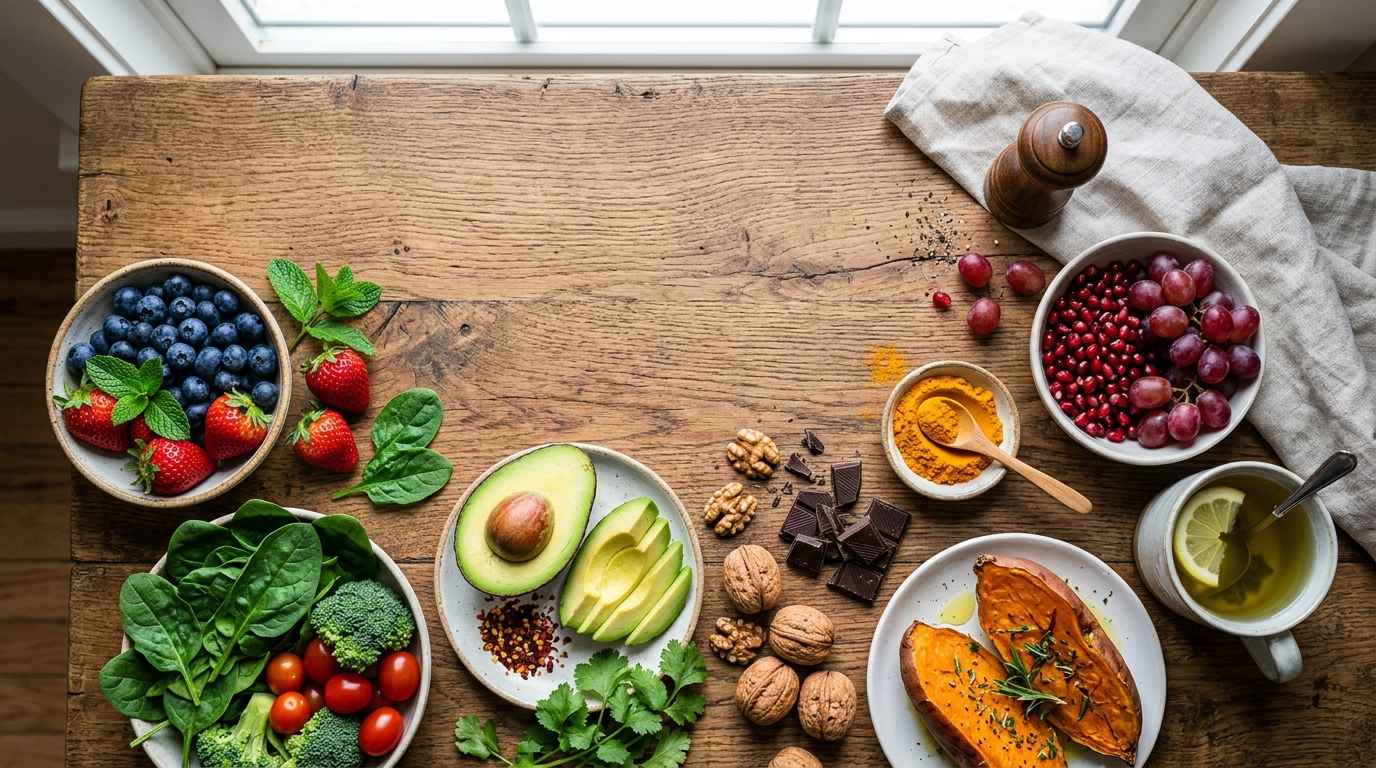
Sweet potatoes deliver beta-carotene, which the body converts into vitamin A.
Sweet Potato Nutrition
- Supports eye health
- Rich in fiber
- Provides antioxidants naturally
- Supports immune function
Roasted sweet potatoes offer a nutritious alternative to processed foods.
14. Black Beans
Beans provide affordable nutrition and antioxidant compounds.
Black beans contain anthocyanins similar to berries.
Benefits
- High in plant protein
- Rich in fiber
- Supports digestion
- Helps maintain energy levels
Use black beans in:
- Soups
- Rice bowls
- Burritos
- Salads
15. Pecans
Pecans rank among the highest antioxidant nuts available.
They contain healthy fats alongside valuable plant compounds.
Health Benefits
- Supports heart wellness
- Helps combat oxidative stress
- Provides important minerals
- Supports balanced nutrition
Eat pecans in moderation as part of a healthy diet.
Why Antioxidant Foods Matter for Long-Term Health
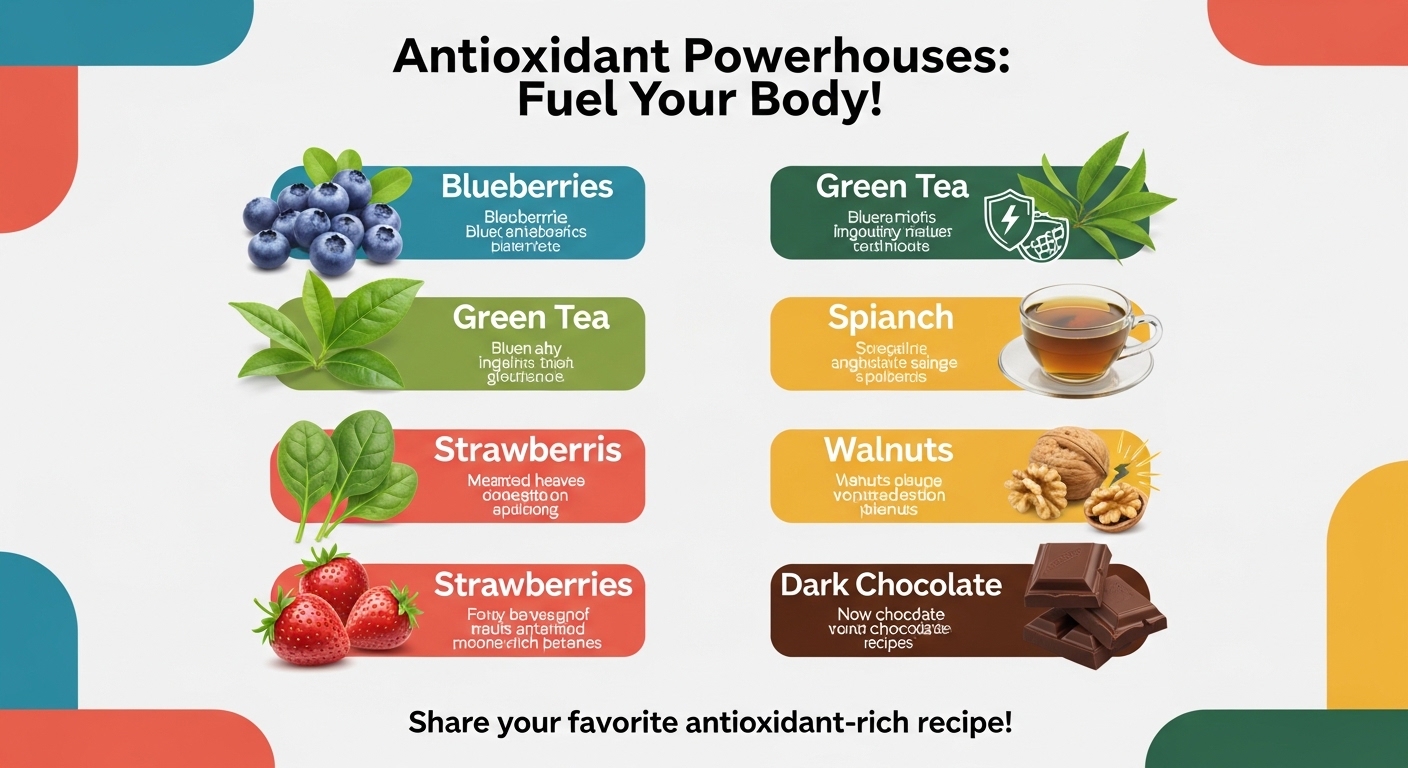
Daily exposure to environmental stressors increases oxidative stress over time.
Including more healthy antioxidant foods may help:
Support Immune Function
Vitamin C-rich foods help strengthen natural defenses.
Promote Healthy Aging
Antioxidants support cells against free radical damage associated with aging.
Improve Skin Health
Nutrients found in berries, avocados, and leafy greens support healthy skin appearance.
Support Brain Function
Several antioxidant foods may contribute to cognitive wellness.
Promote Heart Health
Plant compounds found in antioxidant-rich foods support cardiovascular function.
Tips to Add More Antioxidant Foods to Your Diet
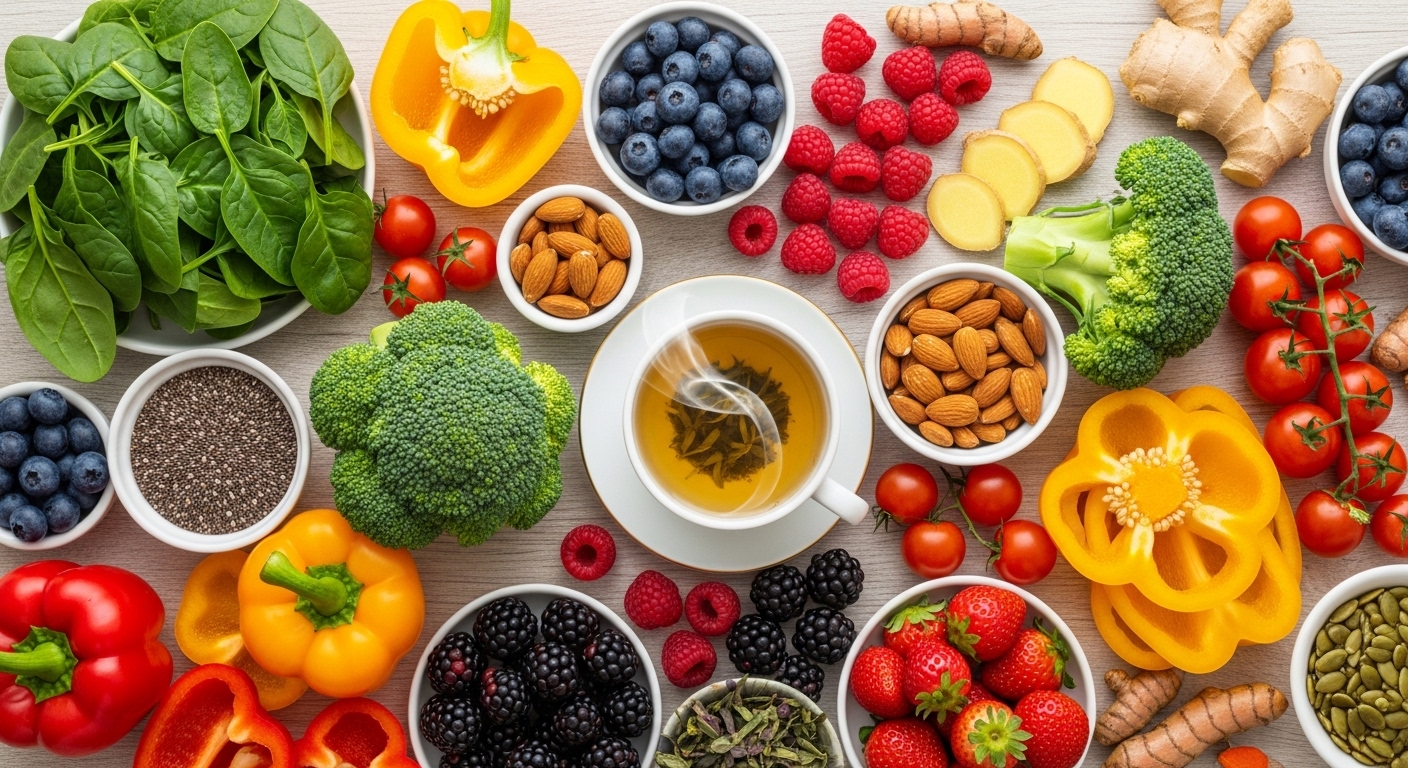
Making small nutrition changes can have long-term benefits.
Try these ideas:
- Add berries to breakfast
- Drink green tea instead of sugary beverages
- Include vegetables at every meal
- Replace processed snacks with nuts
- Use herbs and spices like turmeric regularly
- Eat a variety of colorful fruits and vegetables
Different colors often indicate different antioxidant compounds.
A diverse diet supports better nutrition overall.
Adding more antioxidant foods to your diet is one of the simplest ways to support overall health naturally.
Blueberries, spinach, walnuts, green tea, tomatoes, turmeric, and other antioxidant-rich foods provide nutrients that help protect your body from oxidative stress while supporting healthy aging.
Focus on building meals around whole foods instead of highly processed options. Small daily choices can create lasting wellness benefits over time.
Start by choosing two or three antioxidant foods from this list and gradually expand your healthy eating habits.
Your body will thank you for it.
Most Popular












Anaya
comment1