



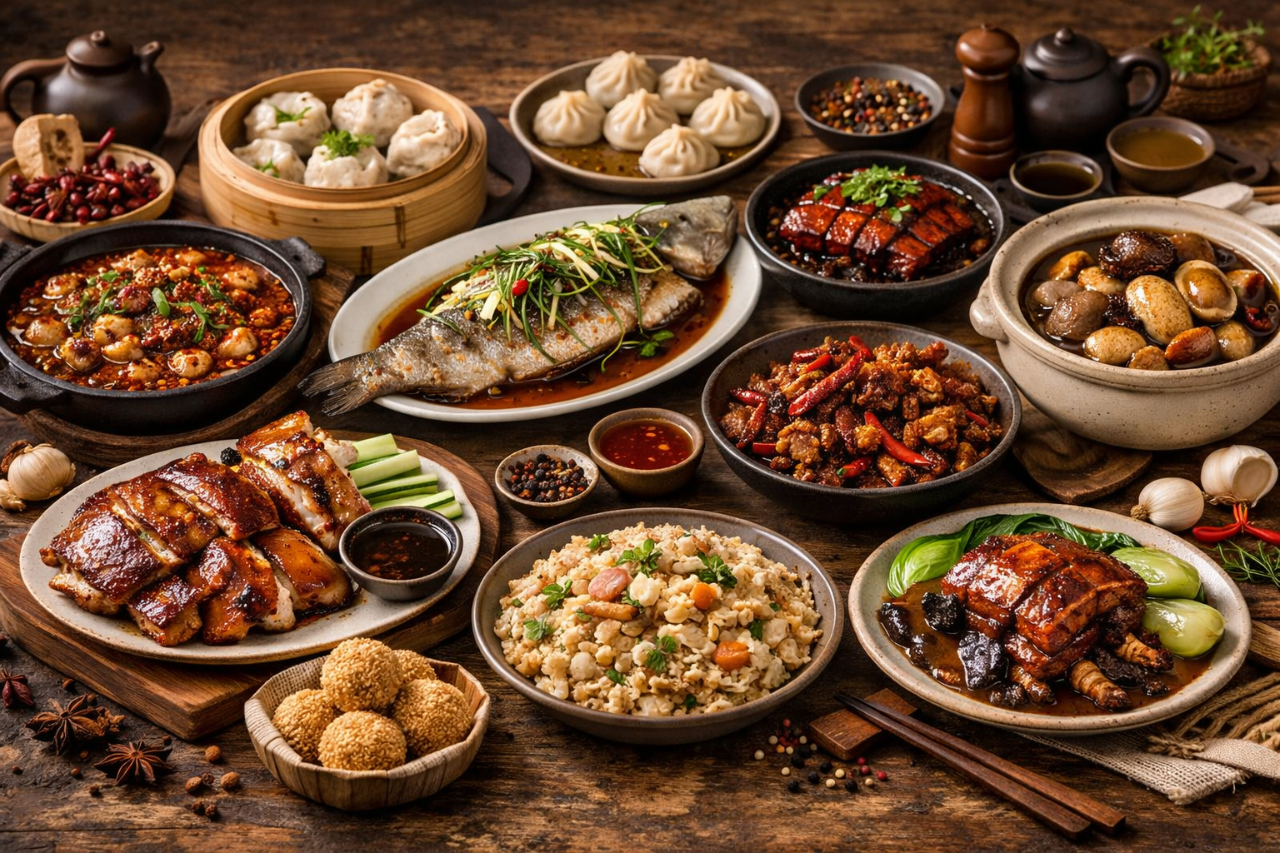
The Rich Tapestry of Chinese Cuisine
Chinese foods are celebrated globally for their incredible diversity, complex flavors, and profound cultural significance. Far from being monolithic, Chinese cuisine is a vibrant mosaic, with each region boasting its own unique ingredients, cooking techniques, and signature dishes. This vast culinary landscape offers an unparalleled gastronomic adventure, inviting exploration and delight for every palate.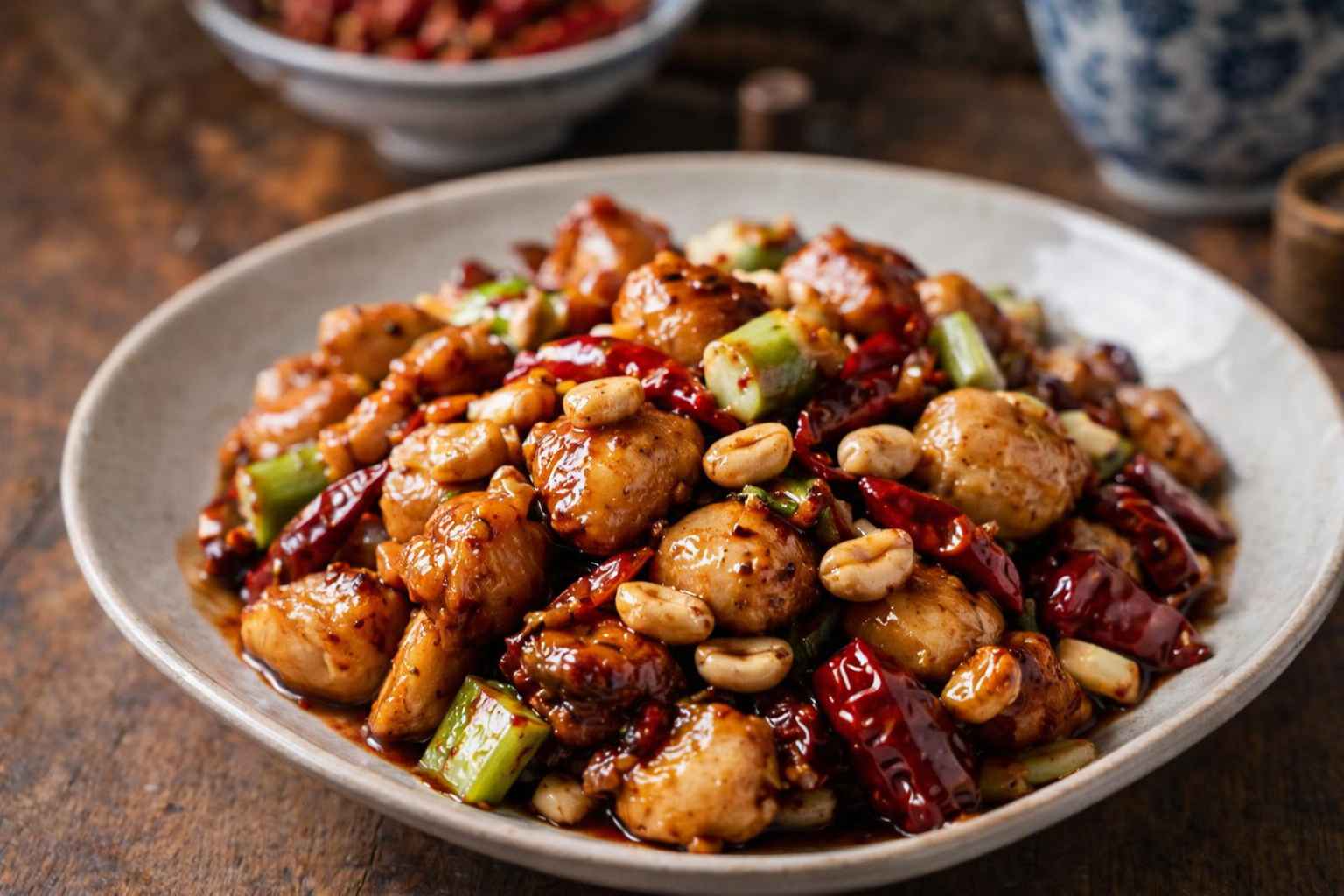
A Taste of China's Soul
Understanding Chinese foods requires appreciating the distinct culinary traditions that have evolved over centuries across different geographical areas. These eight major culinary traditions, known as the Eight Great Cuisines, represent the pinnacle of China's gastronomic heritage:
1. Sichuan Cuisine (Chuan Cai)
Renowned for its bold, pungent, and spicy flavors, Sichuan cuisine is a true sensory experience. The liberal use of Sichuan peppercorns, chilies, garlic, and ginger creates dishes that are both numbing and exhilarating. Popular examples include Mapo Tofu, Kung Pao Chicken, and Dan Dan Noodles. The complexity lies in balancing these intense flavors to create a harmonious, addictive taste.
2. Cantonese Cuisine (Yue Cai)
Hailing from Guangdong province, Cantonese cuisine emphasizes freshness and natural flavors. Steaming, stir frying, and braising are common techniques, aiming to preserve the inherent taste of ingredients. Dim sum, a delightful array of small, bite sized dishes, is a hallmark of Cantonese food, featuring items like steamed dumplings (har gow and siu mai), char siu bao (barbecued pork buns), and egg tarts. Fresh seafood and delicate stir fried vegetables are also staples.
3. Shandong Cuisine (Lu Cai)
One of the oldest and most influential cuisines, Shandong food is known for its light, fresh, and often salty flavors. Seafood, particularly from the coastal regions, is prominent. Techniques like quick frying, stewing, and braising are employed. Braised abalone and steamed sea bass are classic examples, showcasing the region's skill in preparing delicate ingredients.
4. Jiangsu Cuisine (Su Cai)
Originating from the prosperous Jiangsu province, this cuisine is characterized by its exquisite presentation and delicate, often sweet flavors. Dishes often highlight seasonal ingredients and are known for their precise knife work. Braised pork belly and various freshwater delicacies are common. The emphasis is on a refined and elegant dining experience.
5. Zhejiang Cuisine (Zhe Cai)
Similar to Jiangsu cuisine in its emphasis on freshness and delicate flavors, Zhejiang food is also known for its use of wild game and seafood. Dongpo Pork, a slow braised pork belly dish, and West Lake Fish in Vinegar Gravy are iconic. The cuisine is often lighter and less oily than some of its counterparts.
6. Fujian Cuisine (Min Cai)
With a strong emphasis on seafood and soups, Fujian cuisine is known for its fresh ingredients and subtle flavors. It often incorporates ingredients from the mountainous interior as well. Buddha Jumps Over the Wall, a luxurious and complex soup, is a legendary dish. Stewing and braising are key cooking methods.
7. Hunan Cuisine (Xiang Cai)
Hunan food is known for its spiciness and sourness, often achieved through the use of pickled chilies and fermented bean paste. While also spicy, it is often considered less numbingly spicy than Sichuan cuisine. Smoked meats and fresh ingredients are commonly featured.
8. Anhui Cuisine (Hui Cai)
This cuisine, from the mountainous Anhui province, is celebrated for its use of wild herbs, mushrooms, and local game. Braising, stewing, and smoking are prevalent techniques. Dishes often have a rustic and hearty character, emphasizing natural flavors.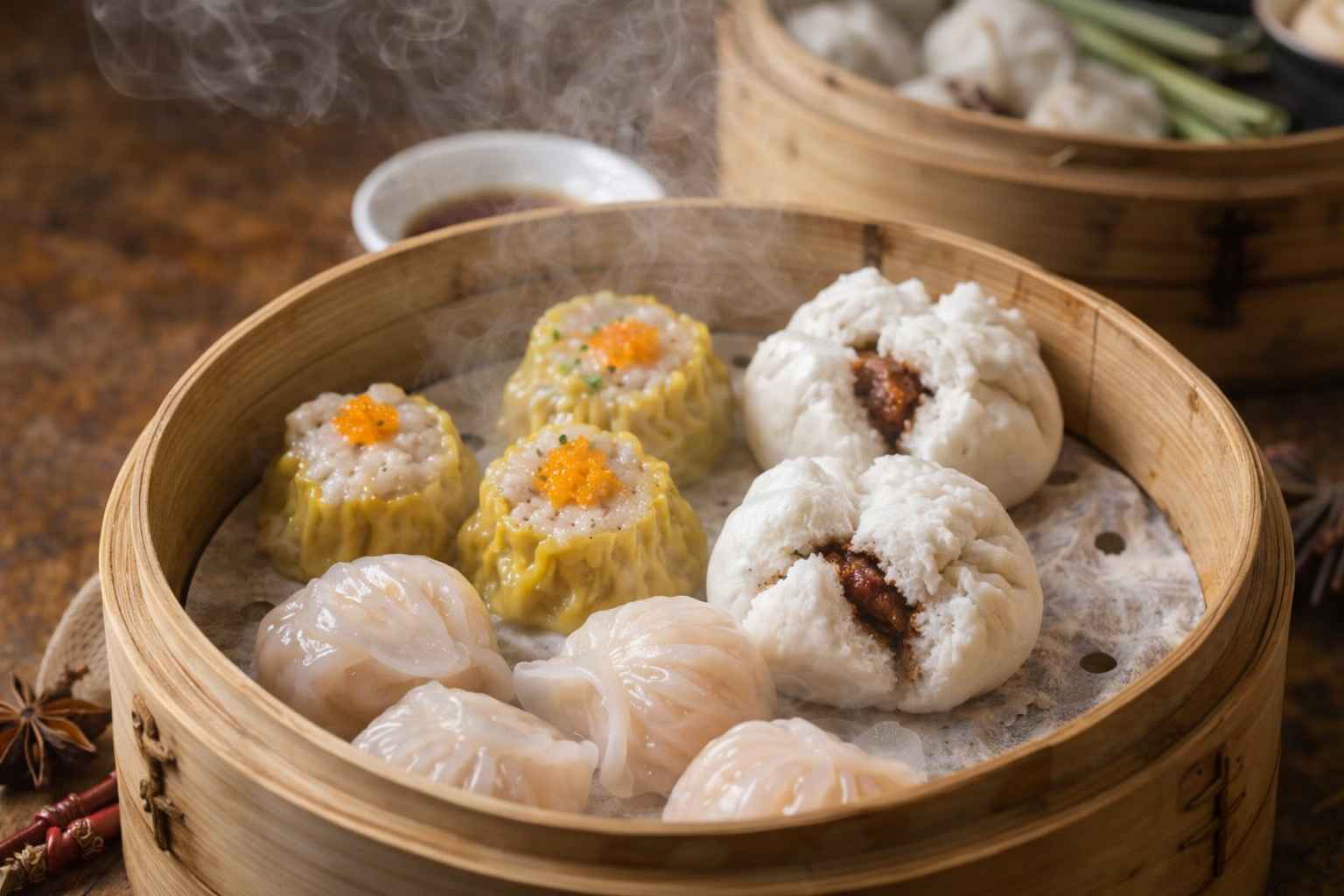
The Global Influence of Chinese Foods
The influence of Chinese foods extends far beyond its national borders. Chinese restaurants and culinary adaptations can be found in virtually every corner of the globe, each reflecting local tastes and ingredients while retaining the essence of Chinese cooking. From the ubiquitous sweet and sour dishes to complex regional specialties, Chinese foods have become an integral part of the global culinary landscape. The artistry involved in preparing these dishes, the careful selection of ingredients, and the philosophy of balance and harmony all contribute to the enduring appeal of Chinese cuisine.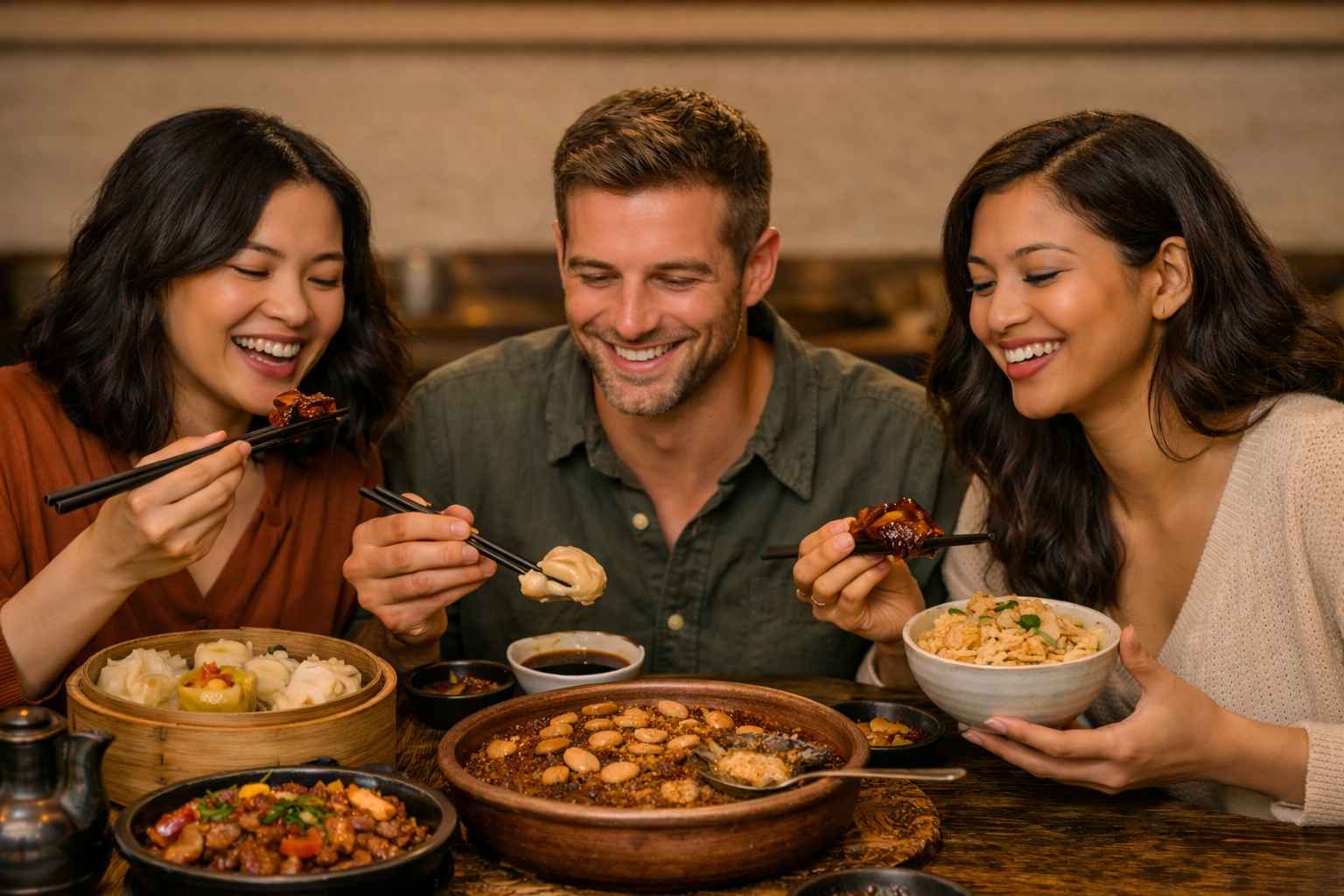
An Endless Culinary Exploration
Embarking on a journey through Chinese foods is a rewarding and continuous exploration. Each region offers a distinct narrative, told through its unique flavors, aromas, and textures. Whether you are a seasoned enthusiast or a curious newcomer, the vast and varied world of Chinese cuisine promises an enriching and unforgettable gastronomic adventure. It is a testament to the ingenuity and cultural richness of China, offering a delicious window into its soul.

Most Popular








Anaya
comment1