



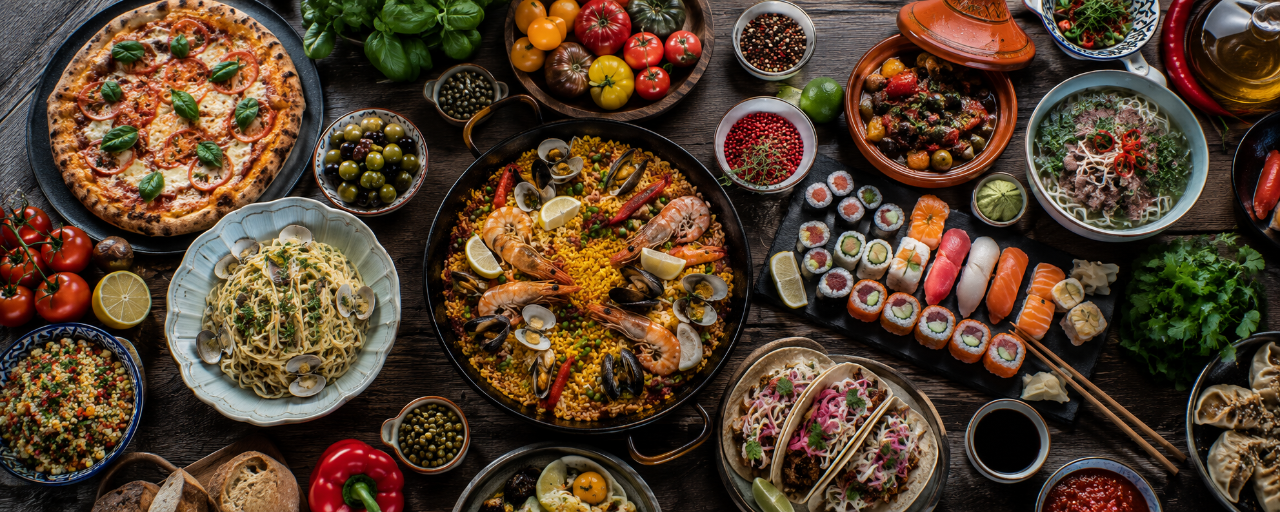
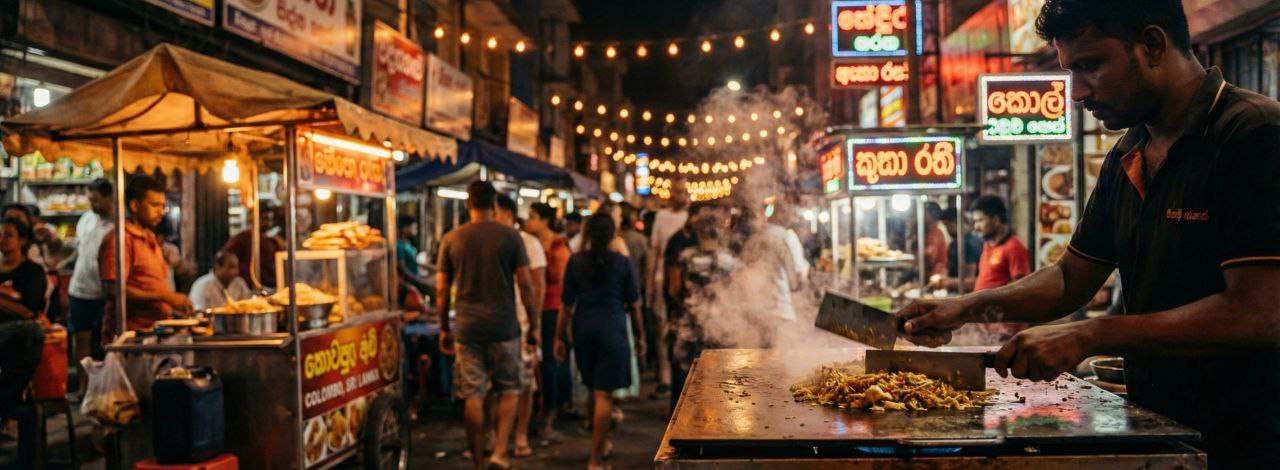
The world is a tapestry woven with diverse cultures, and nowhere is this more deliciously evident than in its food. From the bustling street markets of Southeast Asia to the refined dining rooms of Europe, a 'Feast of Flavors' awaits, promising an exploration of tastes, traditions, and techniques that have shaped human history and brought communities together. This journey is not just about sustenance; it's about connection, heritage, and the sheer joy of experiencing something new and extraordinary.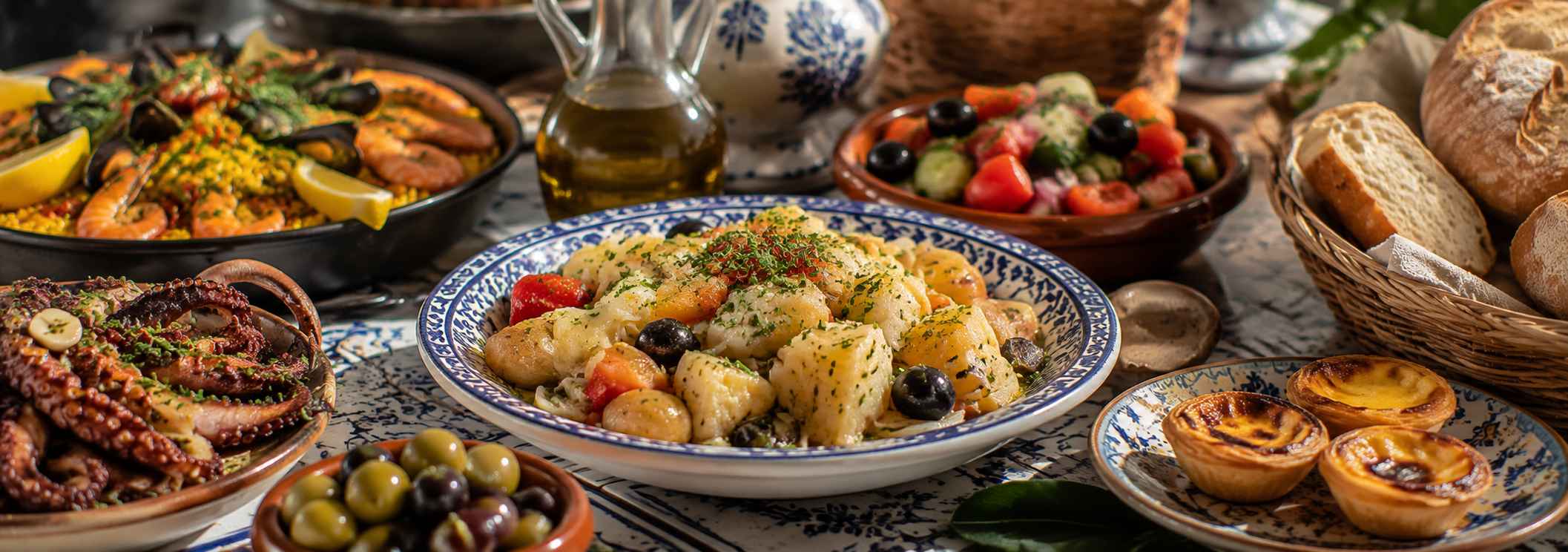
The Foundation of Flavor
At the heart of any great cuisine lies the quality of its ingredients and the respect for time honored traditions. Consider the simple yet profound artistry of Italian cuisine. The reliance on fresh, seasonal produce, the meticulous preparation of handmade pasta, and the vibrant simplicity of dishes like pizza or a classic Bacalhau preparation showcase a philosophy that celebrates natural flavors. In Portugal, for instance, cod, or Bacalhau, is not merely an ingredient but a cultural cornerstone, with hundreds of distinct recipes passed down through generations, each telling a story of the sea and the ingenuity of its people.
Regional Specialties
Each region offers a unique gastronomic fingerprint. In Spain, the art of tapas provides a communal and diverse dining experience, allowing diners to sample a wide array of small, flavorful dishes, from the rich depth of a Spanish Mole to the fresh bounty of local seafood. Journey further to Oaxaca, Mexico, and you'll discover the intricate flavors of Tlayudas, often described as Mexican pizzas, a testament to the region's ancient culinary roots. Italy's Veneto region, with its historical ties to trade and its proximity to the sea, boasts a culinary landscape rich in seafood and inventive pasta dishes. Matera in Basilicata, known for its unique Sassi cave dwellings, offers a glimpse into rustic yet refined culinary traditions, deeply connected to the land.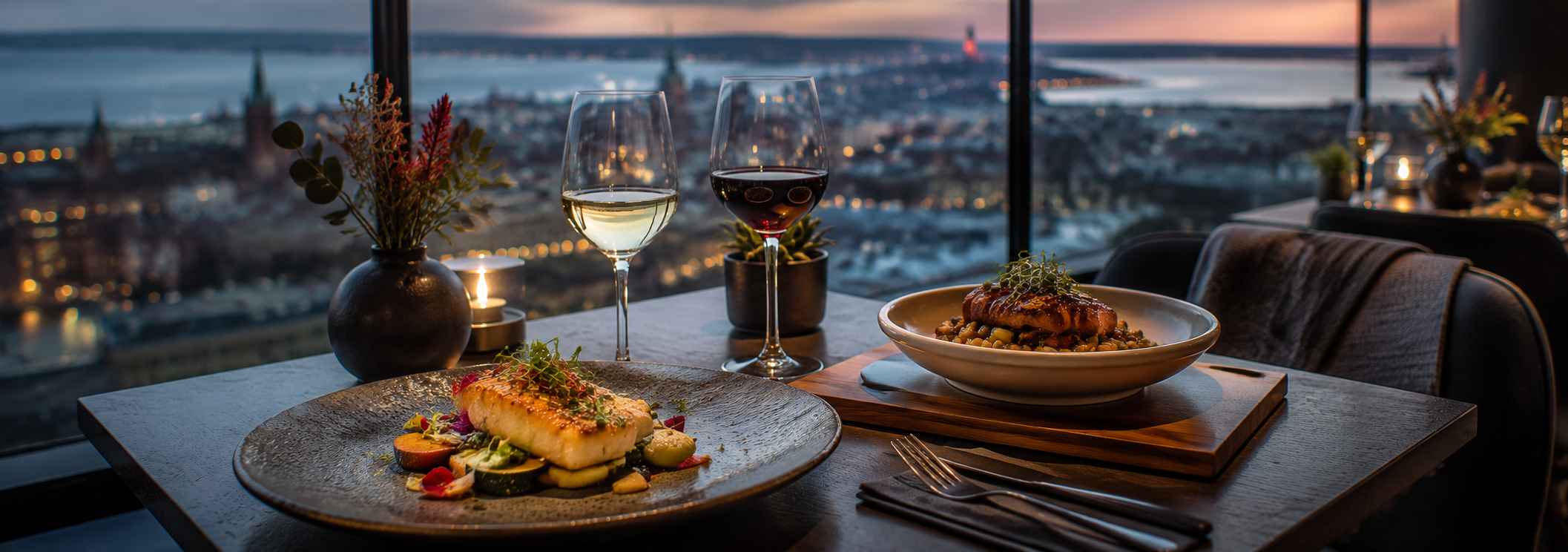
Modern Gastronomy and Innovation
While tradition forms the bedrock, the world of food is constantly evolving. Chefs globally are pushing boundaries, blending influences, and employing innovative techniques to create entirely new culinary experiences. This is evident in the rise of fine dining establishments that offer not just meals but immersive sensory journeys. Restaurants like C Restaurant in the Sky in Aberdeen, Scotland, provide breathtaking views that complement their expertly crafted menus, showcasing a commitment to both exceptional food and unforgettable ambiance. Similarly, the concept of omakase, particularly in Japanese cuisine, elevates dining to an art form where trust and culinary expertise converge, allowing the chef to curate a unique and personalized tasting menu.
The Global Palate
The beauty of a 'Feast of Flavors' lies in its inclusivity. It invites us to explore beyond our immediate culinary horizons. From the delicate balance of flavors in Thai cuisine to the comforting warmth of French provincial cooking, each offers a unique perspective on food. Even seemingly simple dishes, when prepared with passion and skill, can transport us. A perfectly wood fired pizza or a plate of perfectly cooked seafood can evoke memories and create new ones. As we continue to connect globally, our palates become more adventurous, embracing the richness and variety that the world's kitchens have to offer.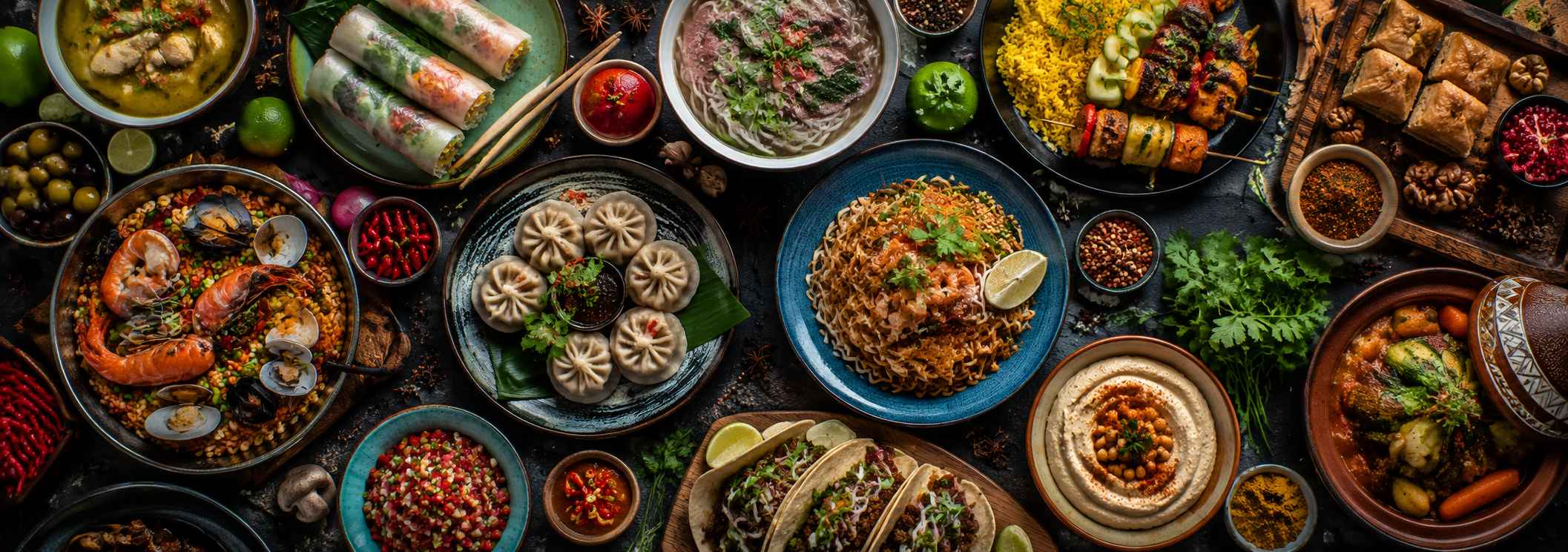
A Continuous Culinary Adventure
A 'Feast of Flavors' is not a singular event but an ongoing exploration. It encourages us to be curious, to seek out authentic experiences, and to appreciate the cultural narratives embedded in every dish. Whether you are a seasoned gourmand or a curious novice, the world of food offers an endless opportunity for discovery. So, the next time you have the chance, step out of your comfort zone, try something new, and embark on your own culinary adventure. The flavors of the world are waiting to be savored.
Most Popular







Anaya
comment1