



A Taste of Devotion: The Essential Guide to Spanish Easter Gastronomy
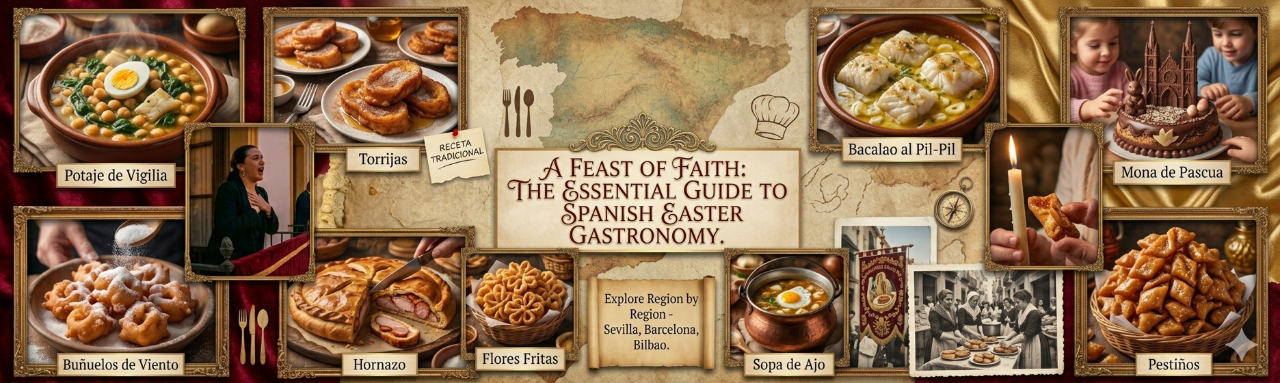
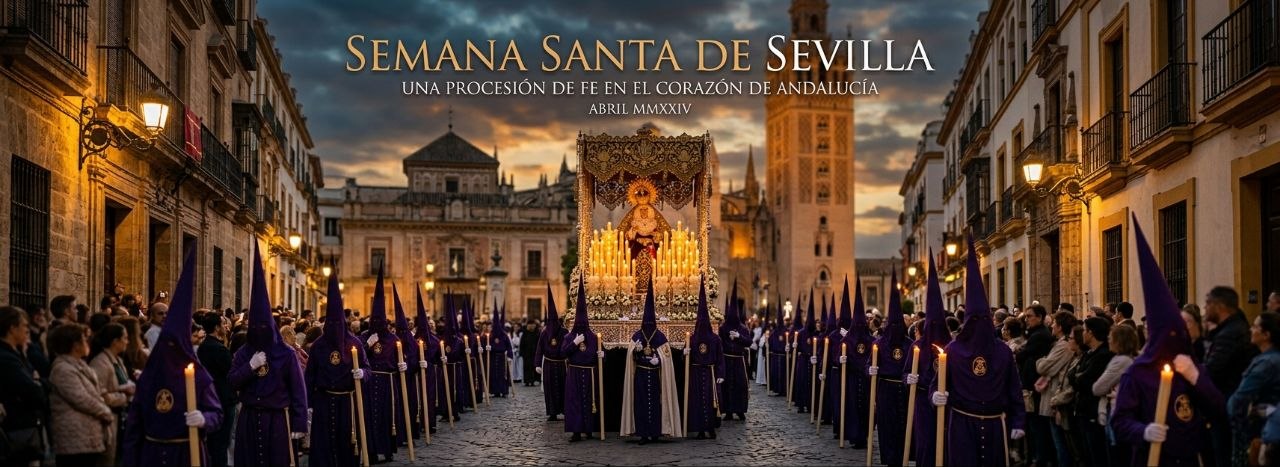
Easter in Spain is a vibrant tapestry woven with deep religious devotion, colorful processions, and, of course, an exquisite culinary tradition. Beyond the solemnity of Semana Santa (Holy Week), the period transforms into a celebration of renewal and feasting, where time honored recipes take center stage. For those looking to explore the heart of Spanish culture, understanding its Easter gastronomy is paramount. This guide delves into the essential flavors and dishes that define this special time of year, offering a delicious journey into Spanish traditions.
The Significance of Food During Spanish Easter
For centuries, food has played a crucial role in religious observances. During Lent, which precedes Easter, many Spaniards traditionally abstained from meat, particularly red meat. This period of penitence makes the arrival of Easter Sunday and its subsequent feasting all the more joyous and meaningful. The dishes prepared are often rich, comforting, and symbolic, reflecting themes of rebirth and abundance. It is a time when families gather, sharing meals that have been passed down through generations, reinforcing community bonds and cultural identity.
Iconic Spanish Easter Dishes You Must Try
Torrijas: The Crown Jewel of Easter Sweets
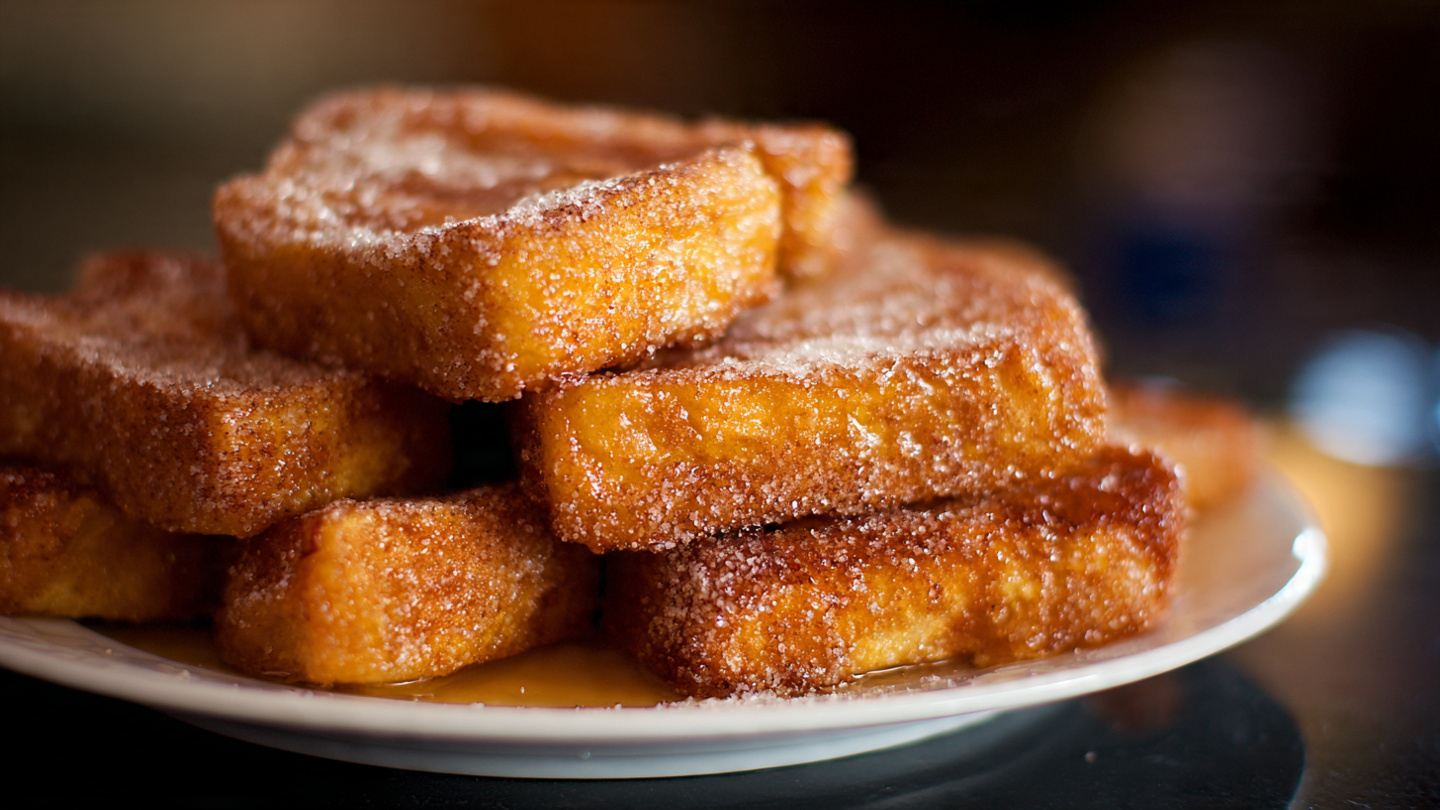
If there's one dish that unequivocally screams Spanish Easter, it's torrijas. Often described as a Spanish French toast, torrijas are made by soaking slices of stale bread in milk infused with cinnamon and lemon zest. The bread is then dipped in beaten egg, fried until golden brown, and finally coated in sugar and cinnamon. The result is a delightfully soft, sweet, and aromatic pastry that is simply irresistible. Different regions may have slight variations, but the core essence of this beloved treat remains consistent.
Bacalao: A Lenten and Easter Staple
Given the traditional abstinence from meat during Lent, salted cod, or bacalao, becomes a star player in Spanish Easter cuisine. It's prepared in countless ways, showcasing its versatility. Popular preparations include Bacalao a la Vizcaína, a rich stew with tomatoes and peppers, or Bacalao Frito, simple fried cod. Its presence signifies the end of Lenten restrictions and is a testament to the ingenuity of Spanish cooks in creating flavorful dishes from preserved ingredients.
Pestiños: Sweet Fried Pastries with a Honey Glaze
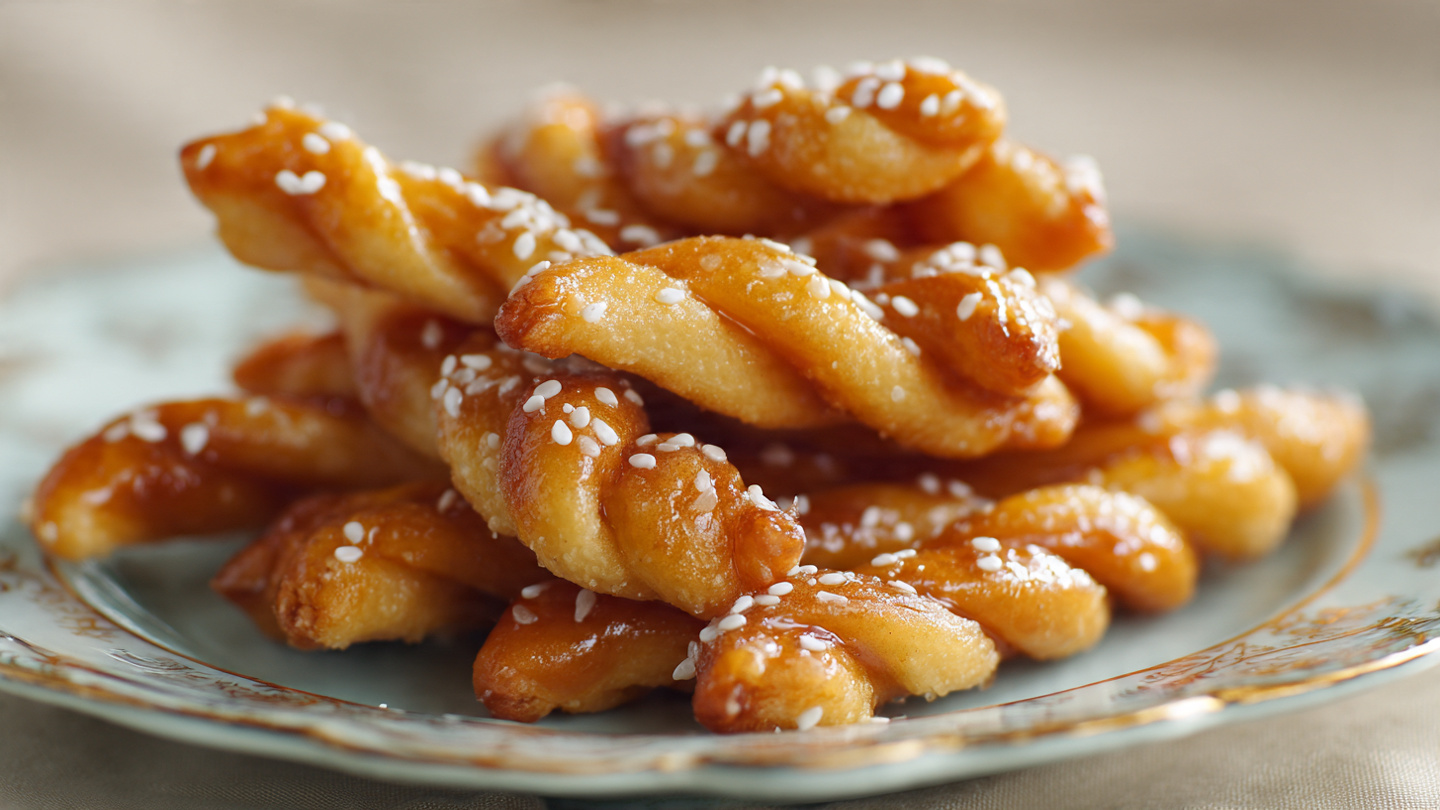
Another popular sweet treat during Easter are pestiños. These are small, twisted pastries made from a dough of flour, olive oil, white wine, and anise. They are fried and then generously coated in a honey glaze, often flavored with sesame seeds or orange zest. Their slightly crispy texture and sweet, fragrant coating make them a delightful accompaniment to coffee or a perfect after dinner indulgence.
Sopa de Ajo: A Humble Yet Flavorful Garlic Soup
While often associated with Lent, Sopa de Ajo, or garlic soup, also finds its place on Easter tables, particularly in regions like Castile and León. This rustic soup is made with stale bread, garlic, paprika, broth, and often topped with a poached egg. It's a testament to the simple, yet profound flavors that Spanish cuisine is known for, offering warmth and sustenance during the cooler spring days.
Rosquillas de Santa Clara: A Sweet Ring of Tradition
These sweet, ring shaped cookies are a specialty in many parts of Spain during Easter. They are typically made with a light, slightly sweet dough, baked, and then topped with a thick white icing, often sprinkled with colorful decorative sugar. The icing is sometimes said to represent the habit of certain nuns, linking them to religious traditions.

Beyond the Plate: The Cultural Experience
Experiencing Spanish Easter food is not just about tasting delicious dishes; it's about immersing yourself in the culture. Visiting local markets, bakeries, and even family gatherings will offer the most authentic encounters with these culinary traditions. The aromas of cinnamon, lemon, and frying dough filling the air are as much a part of the experience as the flavors themselves. Many bakeries and pastry shops will proudly display their Easter specialties, inviting passersby to partake in the festive atmosphere.
A Celebration of Flavor and Faith
Spanish Easter gastronomy is a beautiful reflection of the country's deep rooted religious heritage and its love for communal celebration. From the comforting sweetness of torrijas to the savory satisfaction of bacalao dishes, each bite tells a story of tradition, family, and renewal. Whether you are celebrating Easter in Spain or seeking to bring a taste of this vibrant culture into your own home, exploring these essential dishes promises a truly enriching and delicious experience. It is a time when food and devotion intertwine, creating memories that linger long after the last bite.
Most Popular








Anaya
comment1