



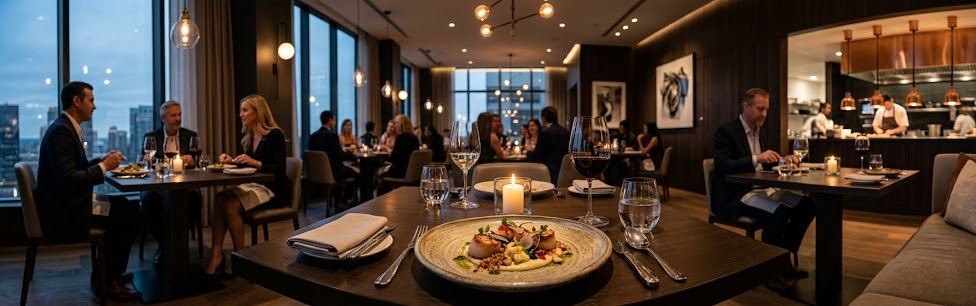
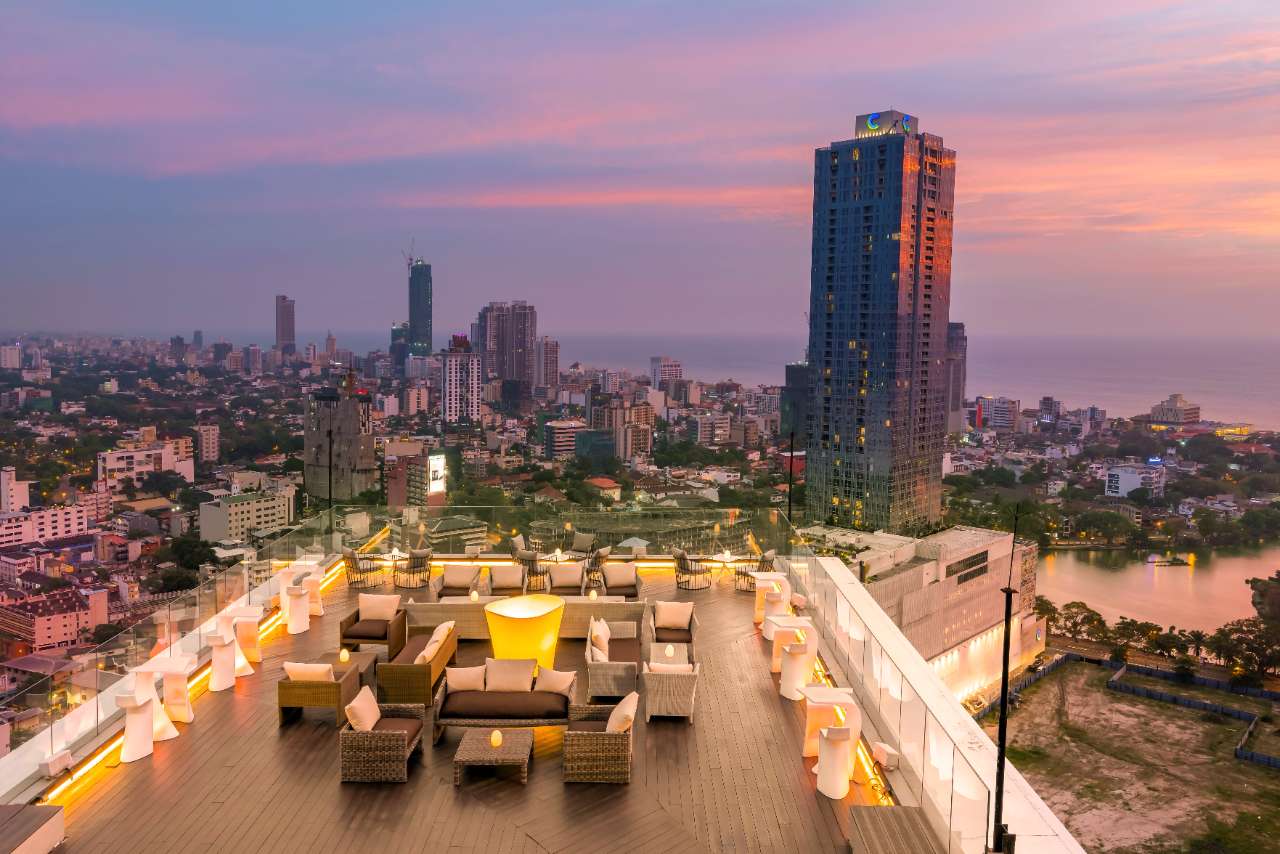
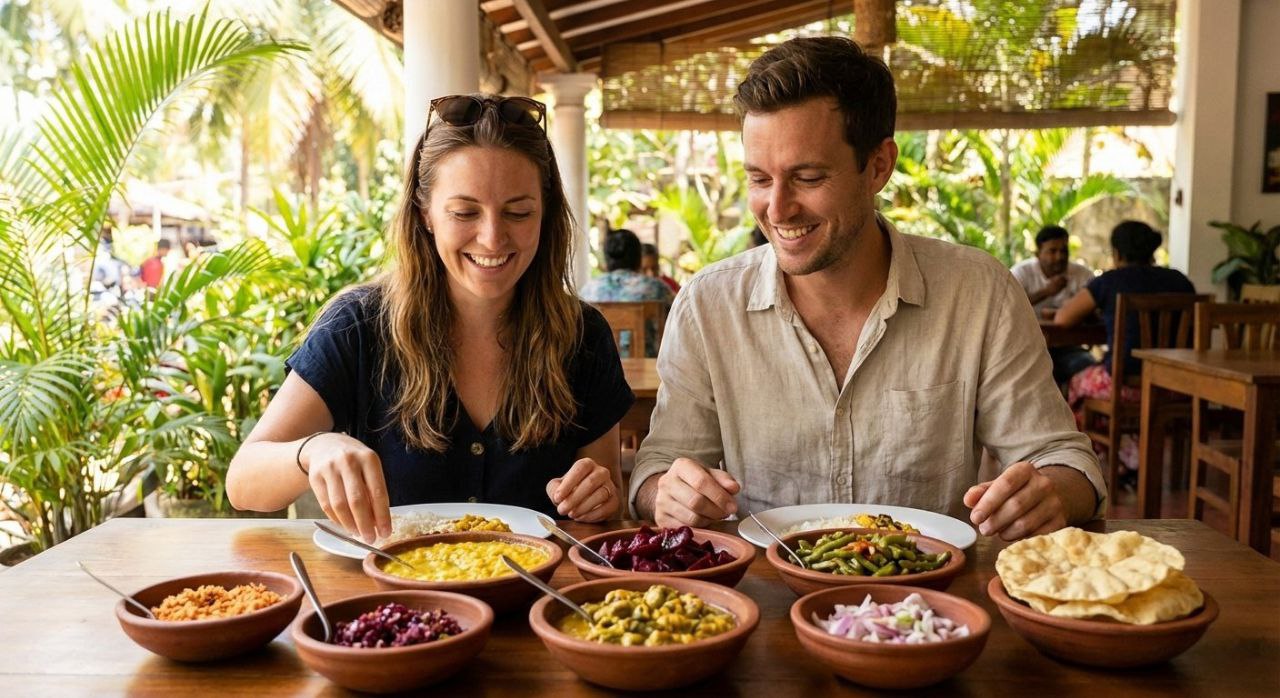
In today's rapidly evolving culinary landscape, fine dining is no longer defined solely by elegant table settings, impeccable service, or luxurious ingredients. Modern gastronomy has entered a new era where innovation and creativity are transforming the way people experience food. Across the world, visionary chefs and restaurants are redefining excellence by combining culinary tradition with cutting-edge techniques, sustainable practices, and immersive dining experiences.At the heart of this transformation is the desire to create more than just a meal. Fine dining establishments now aim to deliver memorable journeys that engage all the senses. Every element, from the presentation of a dish to the ambiance of the dining room, is carefully curated to tell a story. Guests are invited to explore flavors, textures, and aromas in ways that surprise and delight, turning dinner into an unforgettable experience.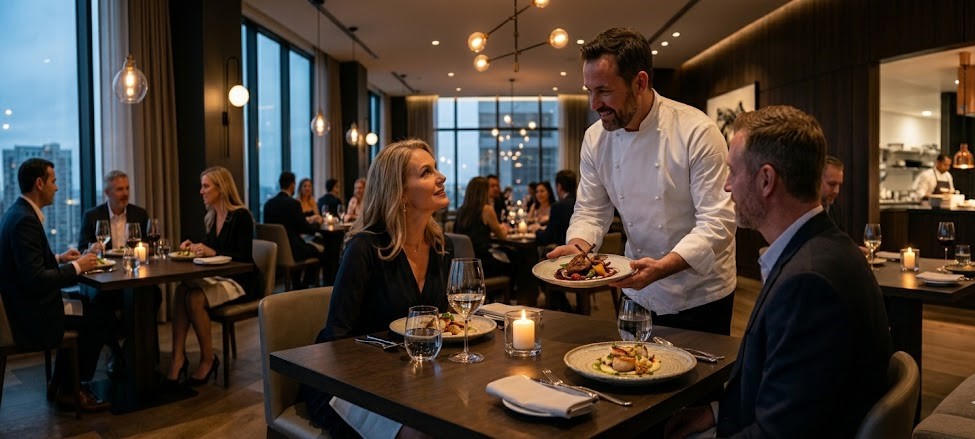
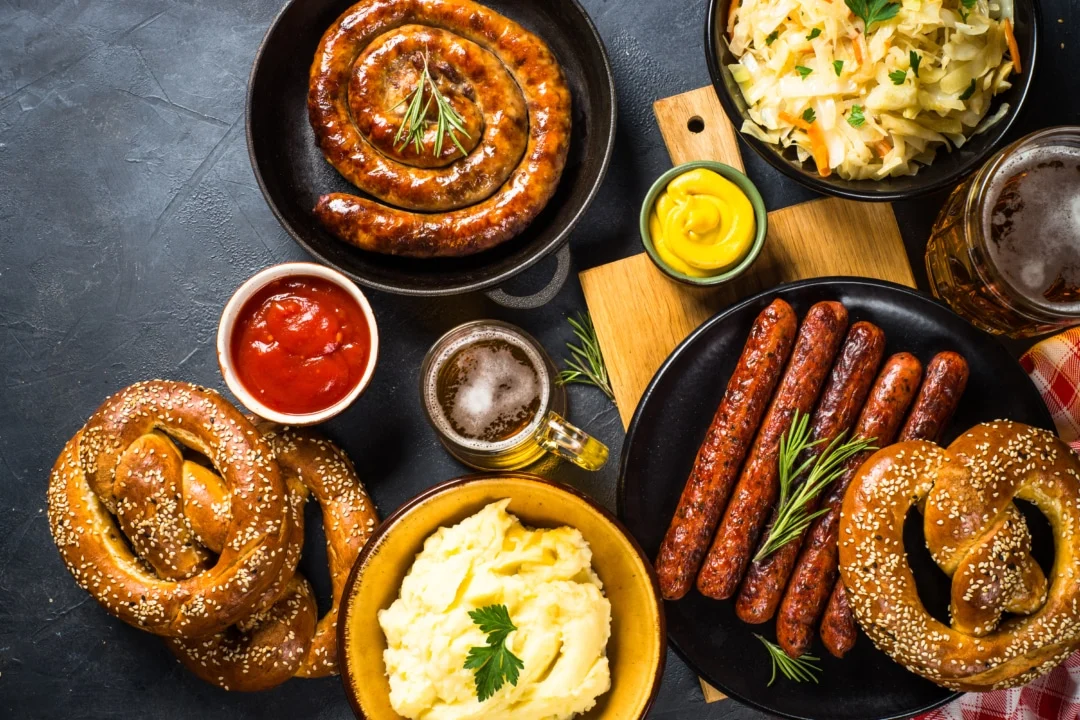
Innovation in fine dining often begins in the kitchen. Chefs are experimenting with modern cooking methods such as sous vide, molecular gastronomy, fermentation, and precision temperature control to elevate traditional recipes. These techniques allow for greater consistency, enhanced flavors, and unique textures that were once impossible to achieve. Yet the true artistry lies in balancing innovation with authenticity. The most successful culinary creations respect the essence of ingredients while presenting them in fresh and exciting ways.Technology is also playing an increasingly important role in the evolution of fine dining. Digital menus, interactive wine pairings, and AI-assisted culinary research are helping restaurants create highly personalized experiences for guests. Some establishments even incorporate visual projections, immersive storytelling, and multisensory elements that transform dining into a theatrical event. These innovations add depth to the experience while maintaining the sophistication expected from premium hospitality.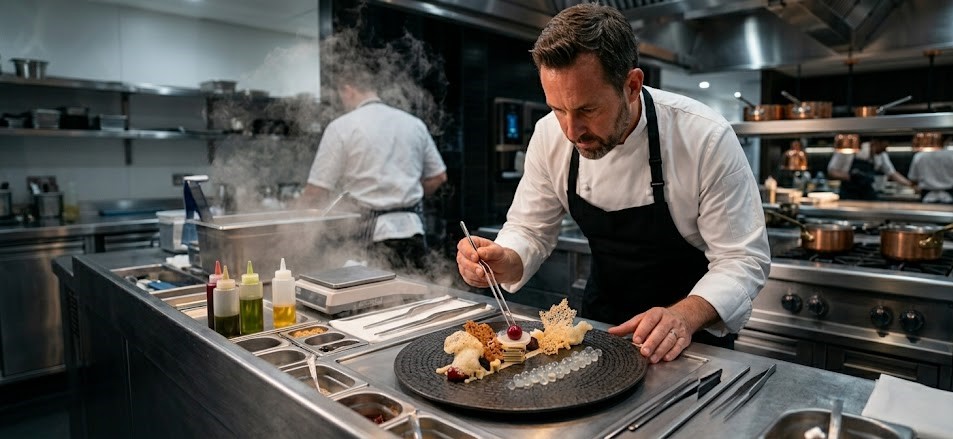
Sustainability has become another defining characteristic of modern fine dining. Today's discerning diners are more conscious than ever about the origins of their food and its environmental impact. In response, many leading restaurants are embracing farm-to-table sourcing, seasonal menus, and zero-waste initiatives. By working closely with local farmers, fishermen, and artisans, chefs can showcase the freshest ingredients while supporting their communities and reducing their carbon footprint. Sustainability is no longer a trend; it has become an essential ingredient in culinary excellence.Despite these advancements, the foundation of fine dining remains unchanged: exceptional hospitality. Outstanding service continues to be a hallmark of world-class restaurants. Attentive staff, expert sommeliers, and knowledgeable servers contribute to an atmosphere where guests feel welcomed, valued, and cared for. It is this human connection that elevates a dining experience from memorable to truly extraordinary.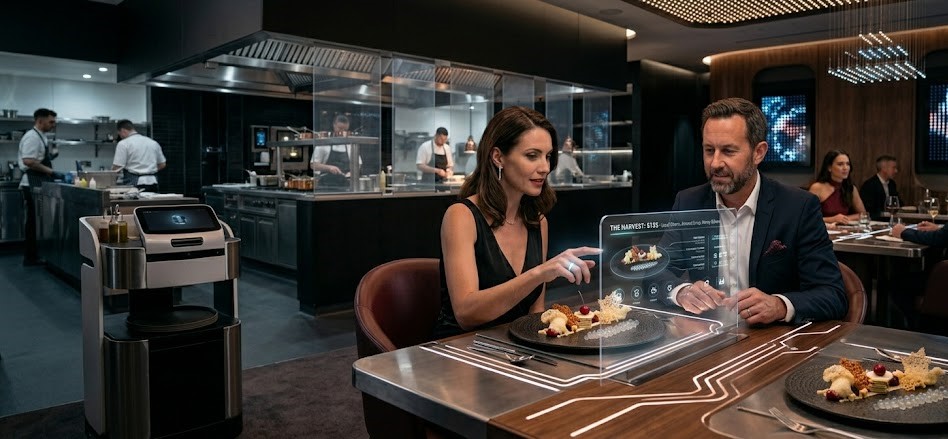
The future of fine dining will continue to be shaped by innovation, but its success will depend on preserving the qualities that have always defined great hospitality—quality, authenticity, and passion. As chefs push creative boundaries and restaurants embrace new technologies, they are creating experiences that resonate with modern diners while honoring culinary heritage.A taste of excellence today is more than enjoying an expertly prepared dish. It is about discovering new perspectives, celebrating craftsmanship, and experiencing the perfect harmony between tradition and innovation. In this exciting new chapter of gastronomy, fine dining continues to evolve, inspiring food lovers to explore a world where creativity knows no limits and every meal becomes a remarkable journey.
Most Popular







Anaya
comment1