



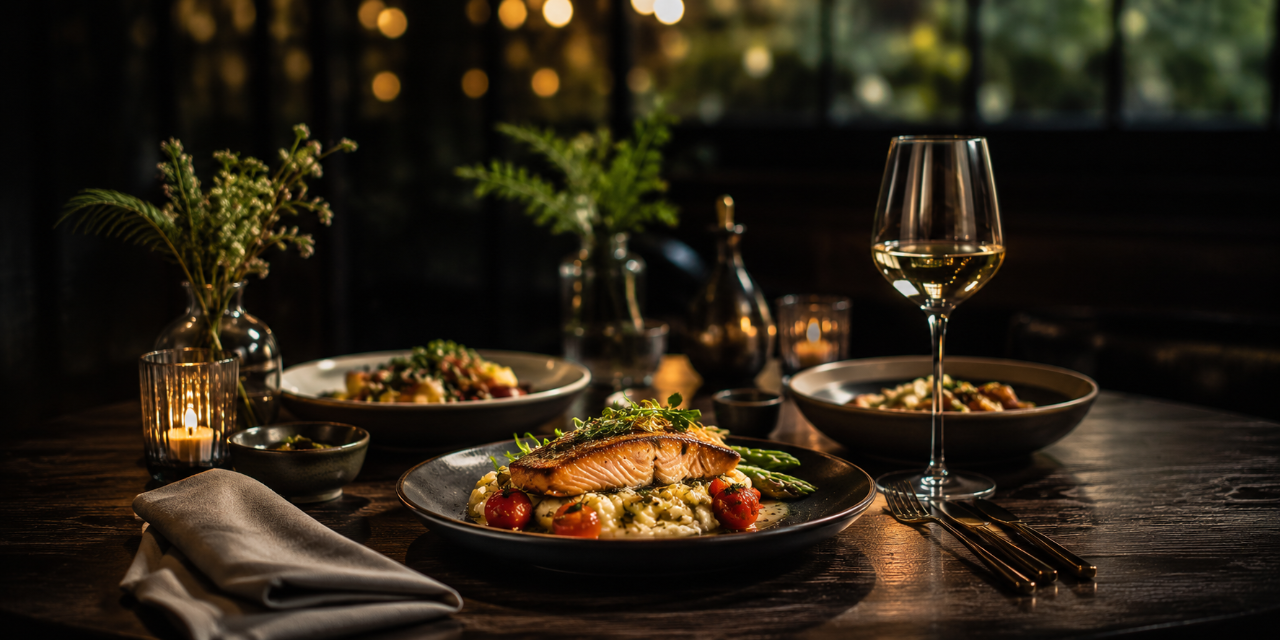
In a world saturated with fleeting trends and ephemeral pleasures, the experience of a truly memorable meal stands as a testament to something more profound. It’s more than just sustenance; it’s an art form, a journey, and a deeply personal connection. From the humble ingredients to the intricate preparation, a carefully crafted culinary experience has the power to linger in our senses and memories long after the last bite. This exploration delves into what makes a meal truly unforgettable, examining the elements that elevate dining from a daily necessity to an occasion worth cherishing.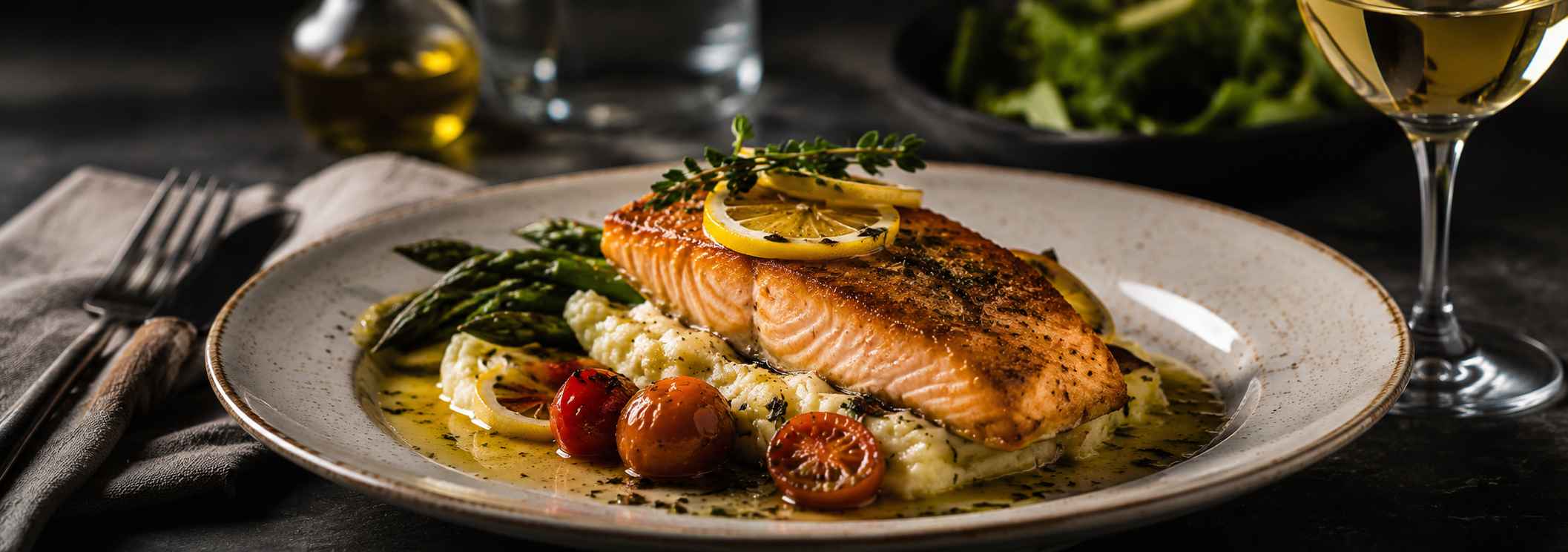
The Symphony of Flavors
At its core, a remarkable taste experience is a harmonious interplay of flavors. It begins with the quality of ingredients. Fresh, seasonal, and thoughtfully sourced produce forms the foundation of any exceptional dish. Whether it’s the sweetness of sun-ripened tomatoes, the earthy aroma of freshly dug truffles, or the briny kiss of perfectly seared scallops, the inherent quality of the raw materials shines through.
But it’s not just about the ingredients themselves. The chef’s skill in balancing and enhancing these flavors is paramount. This involves an understanding of taste profiles: sweet, sour, salty, bitter, and umami. A truly masterful chef orchestrates these elements, creating layers of taste that unfold with each mouthful. A hint of acidity to cut through richness, a touch of spice to awaken the palate, or a subtle sweetness to round off a complex dish can transform a good meal into a great one. Consider the delicate balance in a perfectly executed French sauce or the complex spice blends in authentic Indian cuisine; these are testaments to the art of flavor mastery.
The Sensory Engagement
While taste is central, a memorable meal engages all our senses. The visual appeal of a dish can ignite anticipation. Vibrant colors, thoughtful plating, and artistic presentation transform food into a feast for the eyes. The texture of food plays an equally crucial role. The satisfying crunch of a perfectly baked baguette, the silken smoothness of a rich panna cotta, or the tender chewiness of handmade pasta all contribute to the overall sensory experience.
Even sound and smell play their part. The sizzle of a steak on a hot pan, the aroma of freshly baked bread wafting from the kitchen, or the gentle clinking of cutlery can all heighten the dining experience. A well-chosen wine pairing, where the bouquet and flavor of the wine complement the food, adds another dimension, creating a synergistic effect that elevates both. Think of the rich aroma of roasting coffee beans or the fragrant spices of a Thai curry; these scents are integral to the enjoyment.
The Ambiance and the Experience
The environment in which we dine significantly influences our perception of the food. A restaurant’s ambiance, whether it’s the intimate setting of a small trattoria, the bustling energy of a lively tapas bar, or the serene elegance of a fine dining establishment, plays a crucial role. Lighting, music, decor, and even the attentiveness of the service all contribute to the overall atmosphere.
Attentive yet unobtrusive service can make diners feel welcomed and cared for, allowing them to fully immerse themselves in the meal. The story behind the dish, the chef’s inspiration, or the provenance of the ingredients can add a narrative layer that makes the experience more meaningful. A meal shared with loved ones or engaging in a lively conversation further enhances the enjoyment, transforming a simple meal into a cherished social occasion.
The Emotional Connection
Ultimately, a taste to remember often carries an emotional weight. It might be a dish that evokes childhood memories, a meal shared during a special celebration, or an encounter with a new and exciting flavor that opens up a world of possibilities. These emotional connections are what make certain culinary experiences truly indelible. They are moments of comfort, joy, discovery, and connection that resonate deeply within us.
Crafting a truly unforgettable culinary experience is a multifaceted endeavor. It requires a deep understanding of ingredients, a masterful command of flavors and textures, and a keen awareness of the sensory and emotional aspects of dining. When all these elements converge, the result is more than just a meal; it’s a moment in time that nourishes the body, delights the senses, and imprints itself on our memories, a testament to the enduring power of good food and shared experience.

Most Popular













Anaya
comment1