



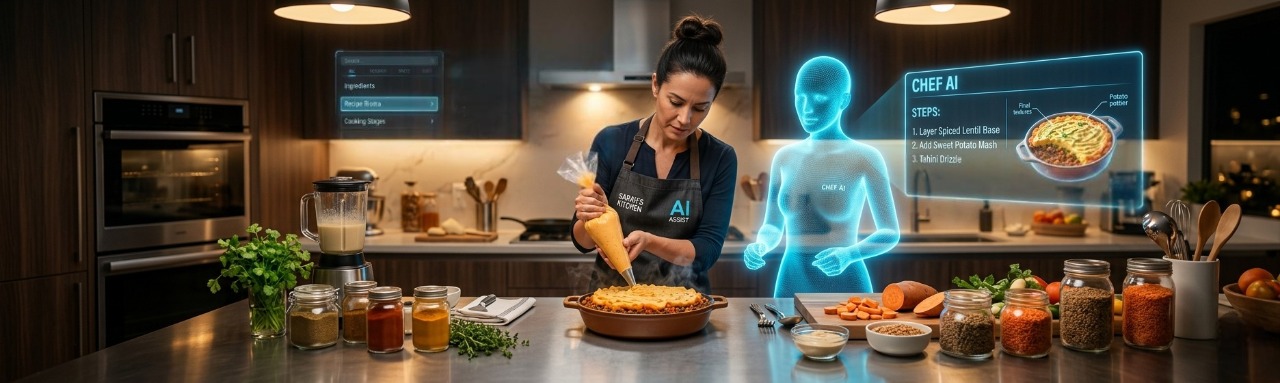
Artificial intelligence is rapidly transforming various aspects of our lives, and the culinary world is no exception. From optimizing restaurant operations to personalizing meal plans, AI is proving to be a powerful tool. One of the most intriguing applications is its ability to generate novel recipes. But how do these AI crafted dishes fare when put to the test in a real, human-operated kitchen? We decided to find out.
Our AI Recipe Generation Process
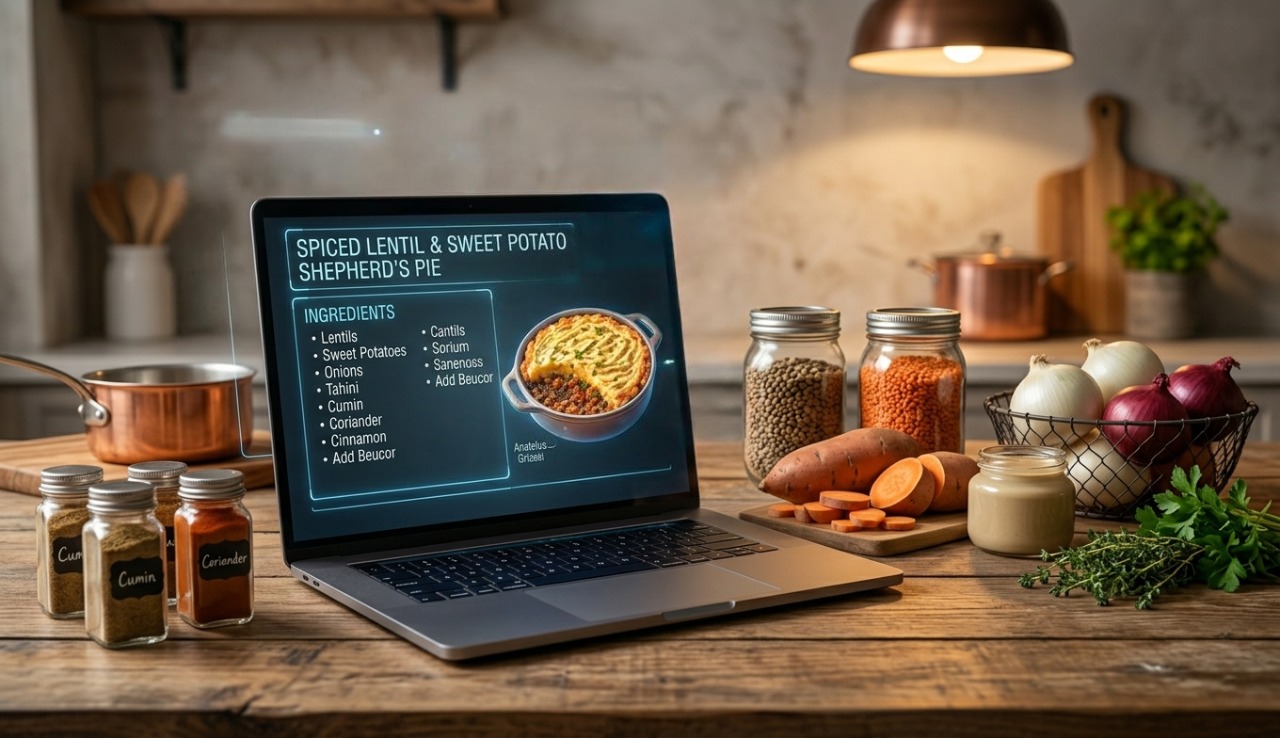
We turned to a popular AI model known for its creative writing capabilities and fed it a diverse dataset of culinary information, including ingredient pairings, cooking techniques, and flavor profiles. Our prompt was simple yet ambitious: create a unique, accessible, and flavorful main course recipe that could be made with common pantry staples. The AI responded with a recipe for "Spiced Lentil and Sweet Potato Shepherd's Pie with a Tahini Drizzle." It outlined ingredients, step by step instructions, and even suggested a wine pairing.
The First Test: Reading and Understanding
Upon reviewing the AI generated recipe, we found it to be surprisingly coherent. The ingredient list was clear, and the quantities seemed reasonable. The instructions were sequential and, for the most part, logically ordered. There were a few instances where the language was slightly robotic, hinting at its artificial origins, but nothing that prevented comprehension. For example, instead of saying "sauté the onions until translucent," it might have read "execute the sautéing of onions until translucency is achieved." These minor linguistic quirks were easily overcome.

The Cooking Experience: Hits and Misses
With ingredients in hand, we embarked on the actual cooking process. The initial steps of preparing the lentil and vegetable base were straightforward. The AI's suggestion to roast the sweet potatoes separately for the topping was an interesting departure from traditional shepherd's pie, and it promised a richer flavor. The spice blend recommended by the AI was a delightful combination of cumin, coriander, and a touch of cinnamon, which added a warm depth to the lentils.
The tahini drizzle, a seemingly unconventional addition, proved to be a stroke of genius. Its creamy, slightly nutty flavor complemented the earthiness of the lentils and the sweetness of the potatoes beautifully. However, there was one area where the AI's understanding of practical cooking fell slightly short. The recipe called for adding a specific amount of liquid to the lentil mixture, and our initial tasting revealed it to be a touch too watery. This is a common pitfall when recipes are generated without real world, tactile feedback. Adjusting the consistency required a bit of intuitive culinary judgment, something that human cooks develop over time.

The Verdict: A Surprisingly Delicious Outcome
Despite the minor adjustment needed for the lentil mixture's consistency, the Spiced Lentil and Sweet Potato Shepherd's Pie was a resounding success. The flavors were well balanced, the textures were appealing, and the tahini drizzle elevated the dish beyond what we might have expected from a standard recipe. It was hearty, satisfying, and visually appealing. This experiment demonstrated that AI can indeed generate innovative and delicious recipes, but it also highlighted the enduring value of human culinary intuition and experience.

The Future of AI in Food
As AI technology continues to advance, we can expect even more sophisticated recipe generation capabilities. Perhaps future AI models will be able to learn from user feedback in real time, refining their creations with each iteration. While AI may never fully replace the passion and creativity of a human chef, it certainly has the potential to become an invaluable sous chef, offering endless inspiration and novel culinary possibilities for home cooks and professionals alike. The intersection of AI and food is a culinary frontier ripe for exploration.
Most Popular











Anaya
comment1