



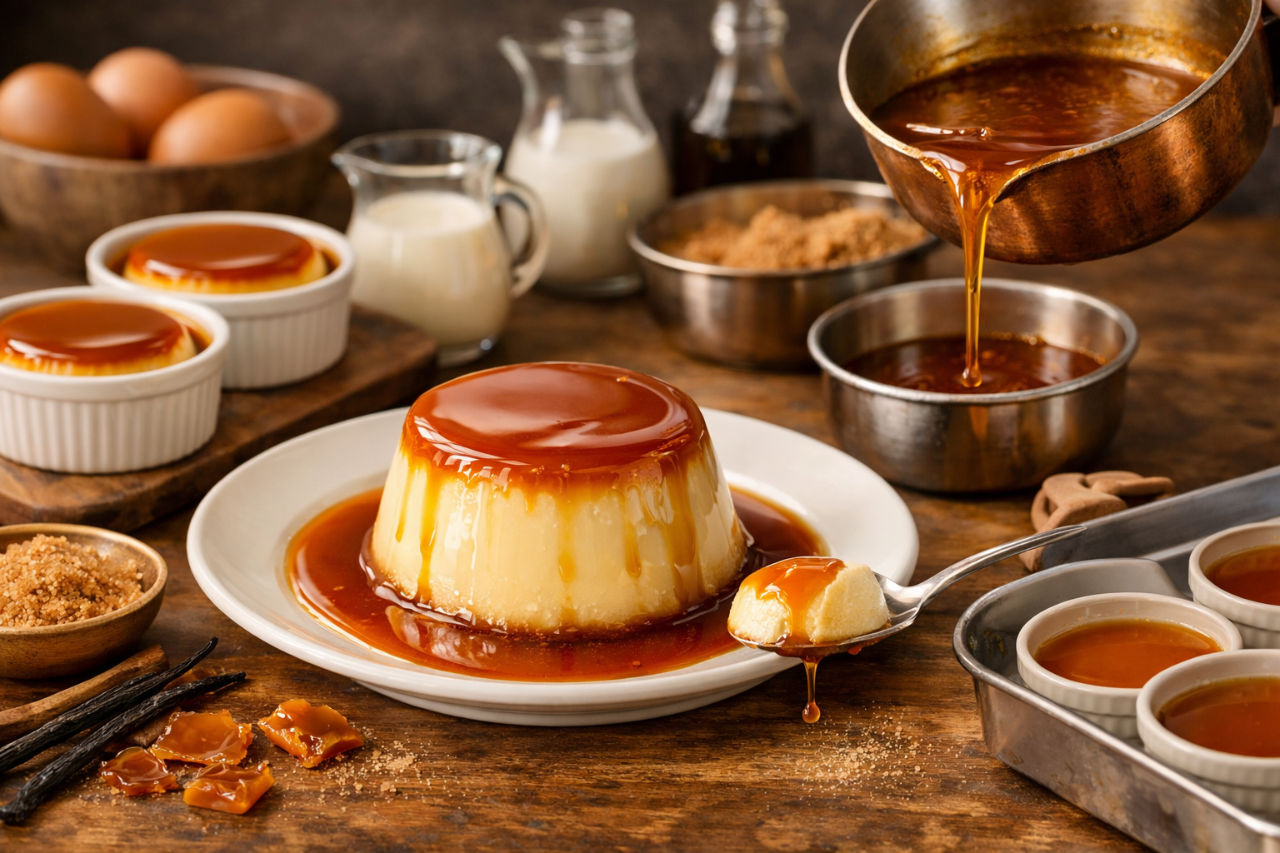
Caramel pudding, a dessert that evokes warmth, comfort, and pure indulgence, has graced tables for centuries. Its silken texture and rich, caramelized sweetness make it a universally beloved treat. Whether it's a simple homemade delight or a sophisticated restaurant presentation, caramel pudding holds a special place in the culinary world. This post will guide you through the art of creating this classic dessert, exploring its history, the nuances of making perfect caramel, and a reliable recipe that guarantees a delightful outcome.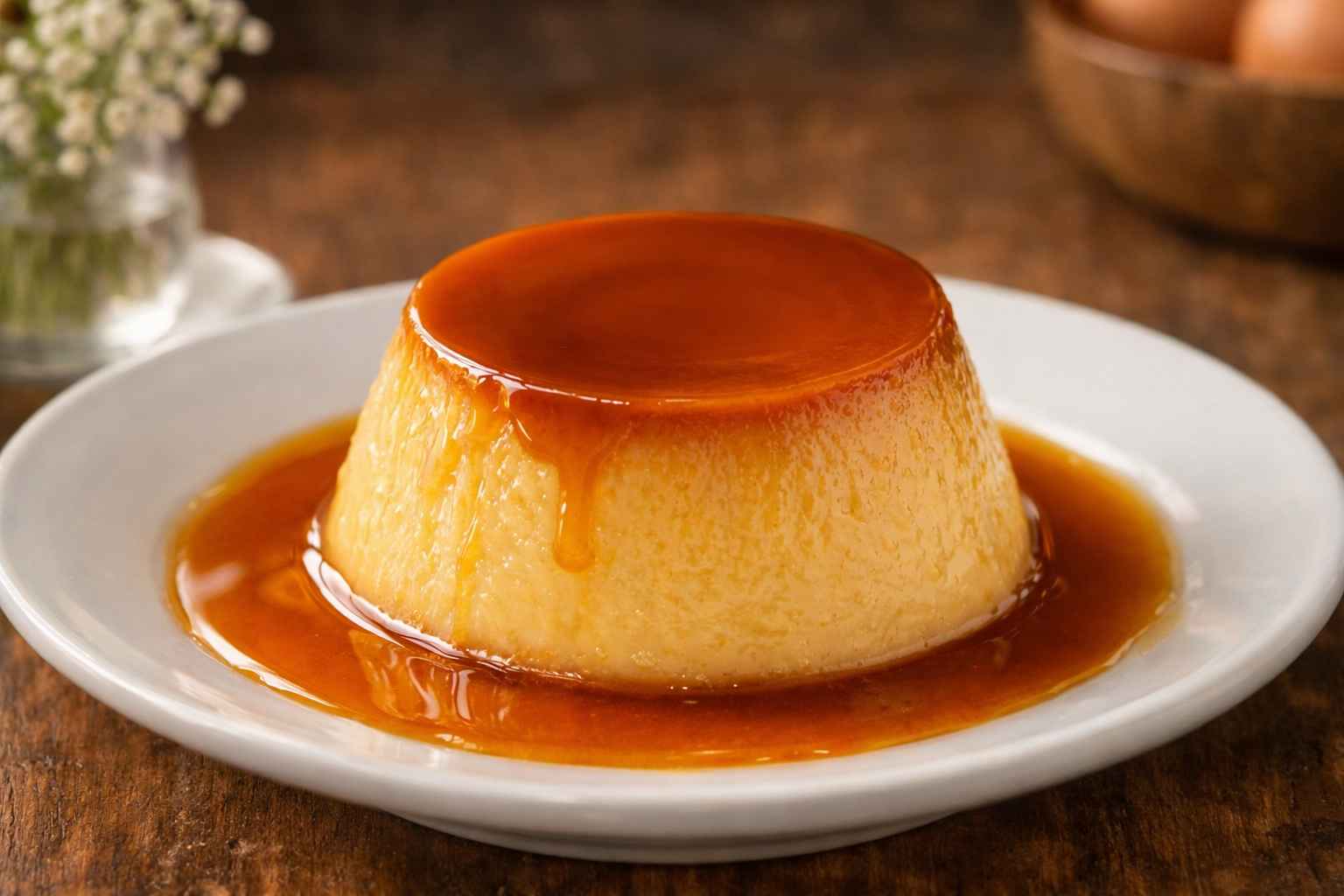
The Allure of Caramel Pudding
The magic of caramel pudding lies in its deceptive simplicity. At its core, it's a custard base enrobed in a luscious, golden caramel sauce. This interplay of textures and flavors is what makes it so irresistible. The custard, when perfectly cooked, is smooth, creamy, and subtly sweet, providing a perfect canvas for the more intense, slightly bitter notes of the caramel. When inverted, the warm caramel sauce cascades over the pudding, creating a visually stunning and palate pleasing experience.
A Touch of History
The origins of custard desserts can be traced back to ancient Rome, where eggs were often combined with milk and honey to create sweet dishes. Over time, as sugar became more accessible in Europe, particularly after the Middle Ages, the concept evolved. The addition of caramelized sugar, or caramel, to these custards likely emerged as a way to add both sweetness and a complex flavor profile. Crème caramel, as it is known in many parts of the world, gained popularity across Europe and eventually spread globally, becoming a staple in various cuisines.
Mastering the Caramel
The most crucial element in a sublime caramel pudding is the caramel itself. Achieving the perfect caramel consistency and color requires patience and attention. The process involves heating sugar until it melts and transforms into a liquid amber hue. There are two primary methods for caramelization: dry and wet. The dry method involves heating sugar directly in the pan, while the wet method involves dissolving sugar in a small amount of water before heating. For caramel pudding, the wet method is generally preferred as it offers more control and reduces the risk of the sugar burning too quickly. It is vital to watch the caramel closely; an overly dark caramel will taste burnt and bitter, while a pale caramel will lack depth of flavor. Adding a touch of butter or cream at the right moment can also enhance the richness and prevent crystallization.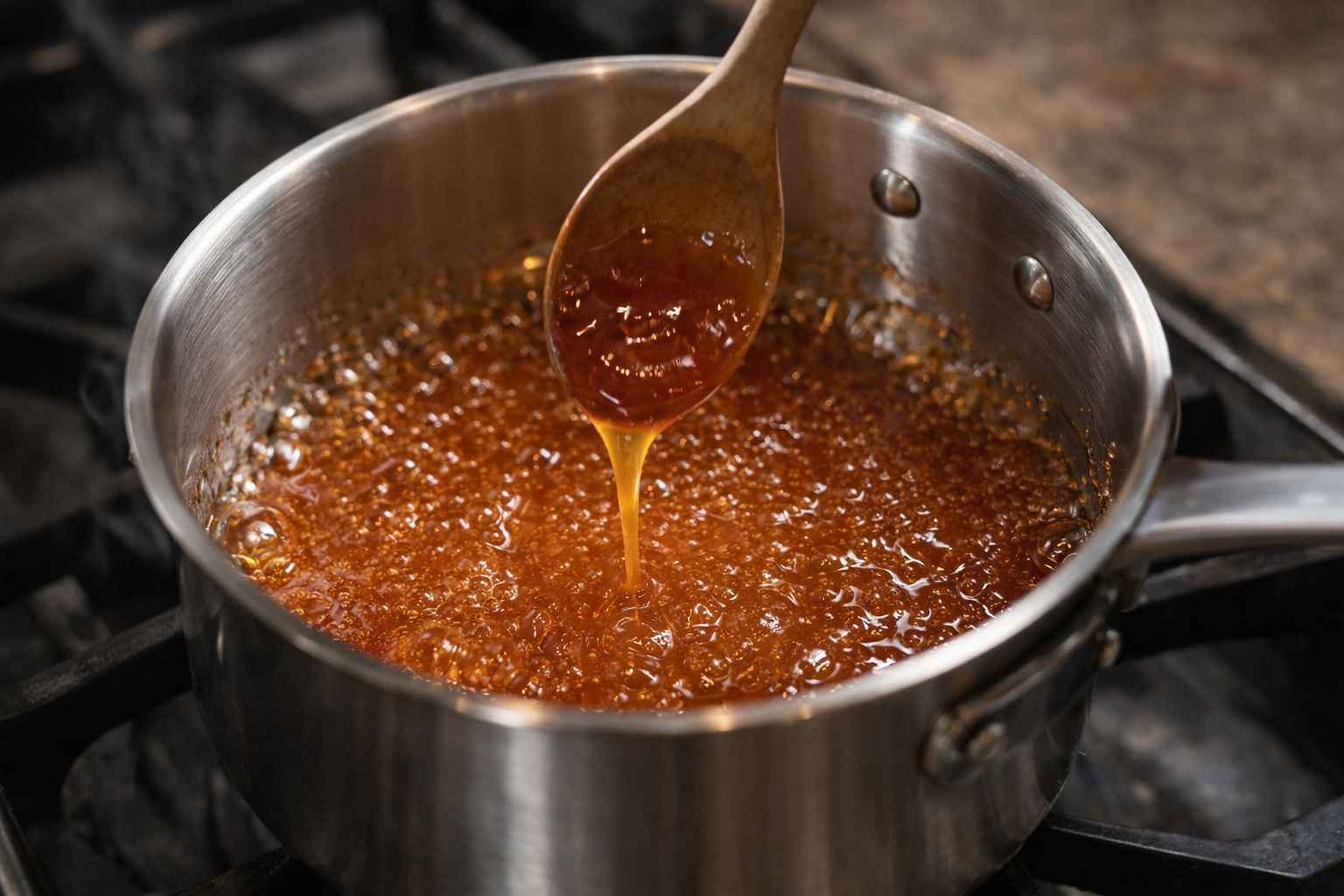
The Perfect Custard Base
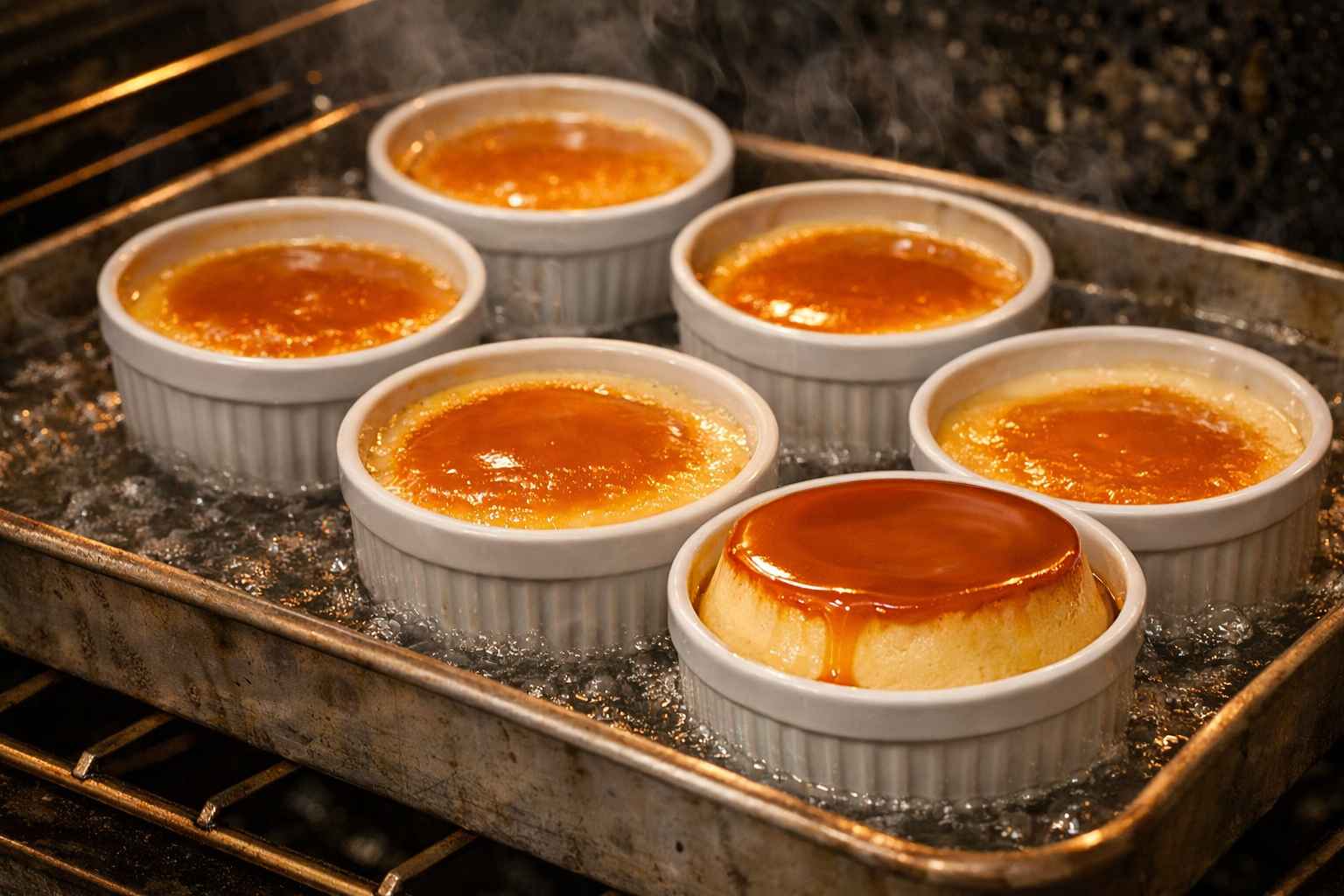
The custard is the soul of the pudding. A classic crème caramel base is typically made with eggs, milk (or a combination of milk and cream for extra richness), and a touch of sugar and vanilla extract for flavoring. The key to a silky smooth custard is gentle heating and avoiding overcooking. Overheating can cause the eggs to scramble, resulting in a grainy texture. Baking the pudding in a water bath (bain marie) is essential. This technique ensures even, gentle heat distribution, preventing the custard from cooking too rapidly and yielding a consistently smooth and delicate texture.
A Simple Yet Elegant Recipe
Here's a straightforward recipe to create your own delicious caramel pudding:
Ingredients:
- 1 cup granulated sugar (for caramel)
- 1/4 cup water (for caramel)
- 3 large eggs
- 2 large egg yolks
- 1 1/2 cups whole milk
- 1/2 cup heavy cream
- 1/2 cup granulated sugar (for custard)
- 1 teaspoon vanilla extract
Instructions:
- Make the Caramel: In a saucepan, combine the 1 cup of sugar and 1/4 cup of water. Heat over medium heat, swirling the pan occasionally, until the sugar dissolves and the mixture turns a deep amber color. Immediately pour the caramel into the bottom of your ramekins or a larger baking dish. Swirl to coat the bottom evenly and set aside to cool and harden.
- Prepare the Custard: In a separate bowl, whisk together the eggs, egg yolks, 1/2 cup of sugar, and vanilla extract until well combined.
- In another saucepan, gently heat the milk and heavy cream over medium low heat until warm but not boiling.
- Slowly temper the egg mixture by gradually whisking in the warm milk and cream. Do this in stages to prevent the eggs from scrambling.
- Strain the custard mixture through a fine mesh sieve into a pitcher or large measuring cup. This ensures a smooth texture.
- Bake the Pudding: Pour the strained custard mixture evenly into the prepared ramekins over the hardened caramel. Place the ramekins in a larger baking pan. Carefully pour hot water into the larger baking pan until it comes halfway up the sides of the ramekins.
- Bake in a preheated oven at 325°F (160°C) for 40-50 minutes for ramekins, or until the custards are set but still slightly jiggly in the center. For a larger dish, the baking time will be longer.
- Chill and Serve: Carefully remove the ramekins from the water bath and let them cool to room temperature. Then, cover them with plastic wrap and refrigerate for at least 4 hours, or preferably overnight, to allow the flavors to meld and the pudding to set completely.
- To serve, run a thin knife around the edge of each ramekin and invert onto a serving plate. The caramel sauce should gently flow over the pudding.
Tips for Success
Pay close attention to the caramelization process; it’s the most delicate step. Ensure your water bath is hot when you place it in the oven. Don't overbake the custard; a slight wobble is ideal as it will continue to set as it cools. Patience during the chilling process is key for the perfect texture and flavor development.
Caramel pudding is more than just a dessert; it's an experience. Its timeless appeal lies in its elegant simplicity and the comforting embrace of its sweet, smooth layers. By understanding the fundamentals of caramelization and custard making, and by following a well crafted recipe, you can recreate this classic delight in your own kitchen. Whether you're a seasoned baker or a beginner, the satisfaction of creating and enjoying a perfect caramel pudding is truly unparalleled. So, gather your ingredients, embrace the process, and prepare to be delighted by this enduring culinary treasure.
Most Popular











Anaya
comment1