



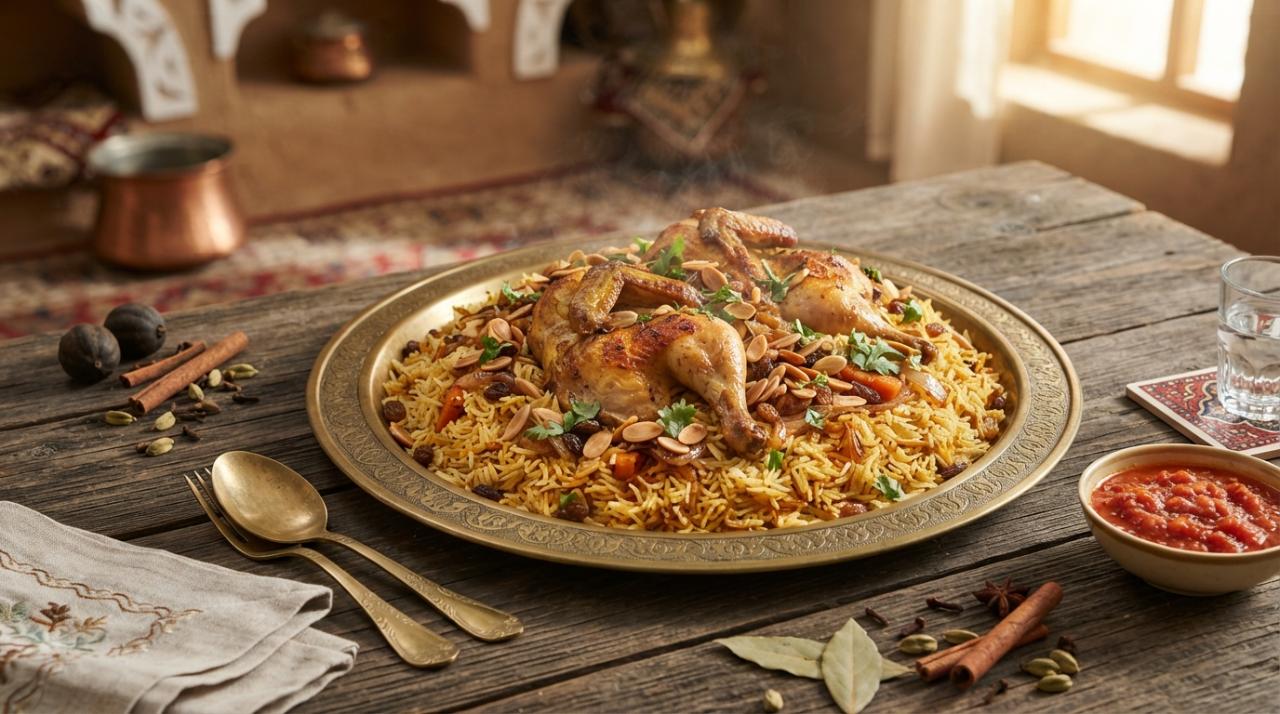
Saudi Arabian cuisine is known for its aromatic spices, generous portions, and unforgettable flavors. Among its most famous dishes is Kabsa, a traditional rice dish prepared with fragrant spices, tender meat, and long-grain rice. Often served at family gatherings, celebrations, and festive occasions, Kabsa represents the warmth and hospitality of Saudi Arabian culture.
With its beautiful golden color, rich aroma, and delicious combination of spices, Kabsa is more than an ordinary rice meal. It is a comforting dish that brings people together around the dining table. The good news is that you can recreate this Middle Eastern classic at home using simple ingredients and a few traditional cooking techniques.
What Is Saudi Arabian Kabsa?
Kabsa is a popular rice-based dish enjoyed throughout Saudi Arabia and other parts of the Arabian Peninsula. It is commonly prepared with chicken, lamb, or beef, cooked together with rice, tomatoes, onions, and a distinctive blend of spices.
The flavor of Kabsa comes from spices such as cardamom, cinnamon, cloves, black pepper, and dried lime, also known as loomi. These ingredients give the dish its warm, earthy, slightly tangy aroma.
Although recipes vary between households and regions, the basic method remains similar: cook the meat with aromatic ingredients, use the flavorful broth to prepare the rice, and serve everything together in a large dish. Almonds, raisins, or fresh herbs may be added as a garnish.
Ingredients for Homemade Chicken Kabsa
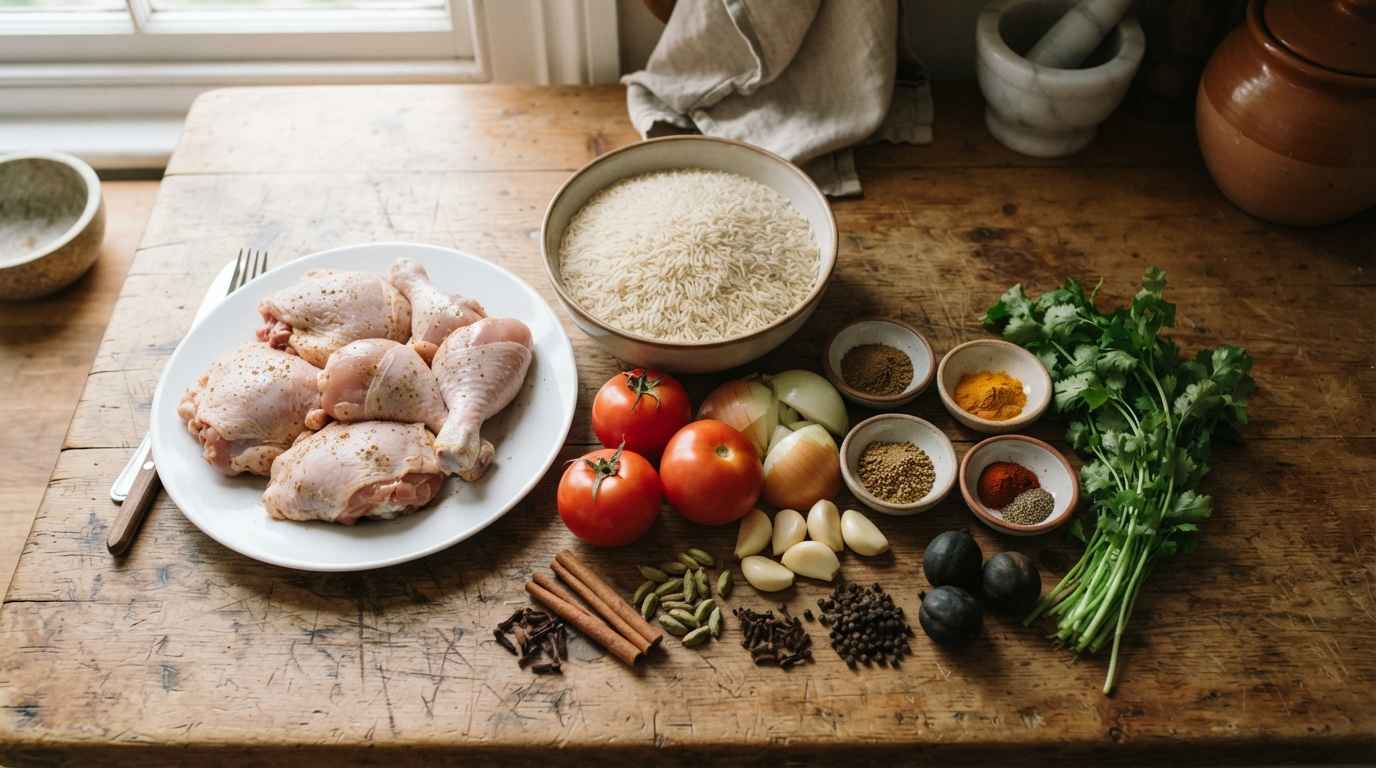
To prepare a delicious chicken Kabsa for approximately four people, gather the following ingredients.
For the rice and chicken:
- 2 cups basmati rice
- 4 chicken pieces, bone-in
- 1 large onion, finely chopped
- 2 medium tomatoes, chopped
- 2 tablespoons tomato paste
- 3 tablespoons vegetable oil
- 3½–4 cups chicken stock or water, adjusted for the rice and cooking method
- 3 garlic cloves, minced
- 1 dried lime, pierced lightly, if available
- Salt to taste
For the Kabsa spice blend:
- 1 teaspoon ground cumin
- 1 teaspoon ground coriander
- ½ teaspoon ground cinnamon
- ½ teaspoon ground cardamom
- ¼ teaspoon ground cloves
- ½ teaspoon black pepper
- 1 bay leaf
- 2–3 cardamom pods
- 1 small cinnamon stick
Optional garnish:
- Toasted almonds
- Raisins
- Chopped fresh coriander
Step-by-Step Guide to Making Chicken Kabsa
1. Prepare the rice
Rinse the basmati rice several times until the water becomes mostly clear. Soak it in water for approximately 20–30 minutes, then drain well. This helps the grains cook more evenly and remain separate.
2. Build the aromatic base
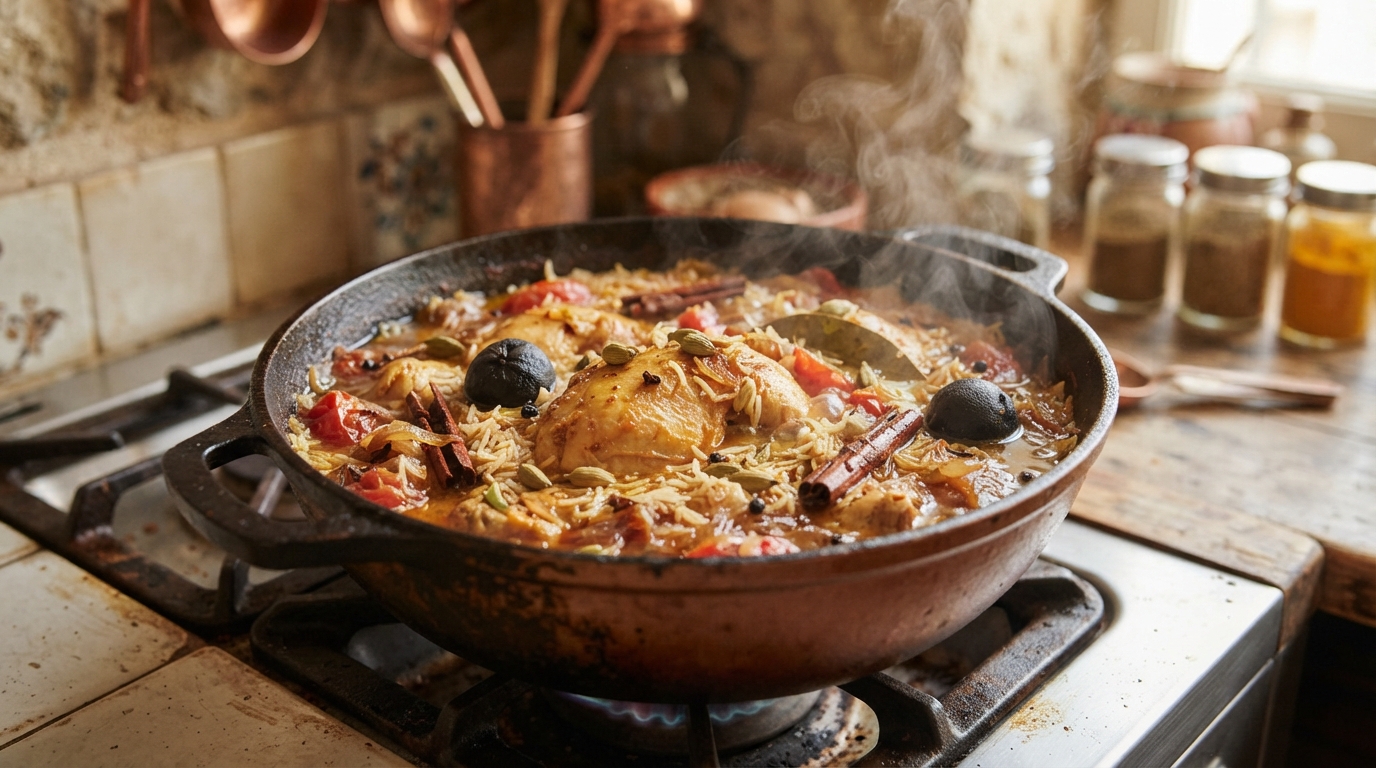
Heat the oil in a large, heavy-bottomed pot over medium heat. Add the chopped onion and cook until soft and lightly golden. Stir in the garlic, cardamom pods, cinnamon stick, bay leaf, and cloves.
Add the cumin, coriander, cinnamon powder, ground cardamom, and black pepper. Stir briefly until the spices release their fragrance.
3. Cook the chicken
Add the chicken pieces and brown them lightly on both sides. Mix in the chopped tomatoes and tomato paste, allowing them to soften and form a rich sauce.
Add the dried lime, if using, along with salt and enough water or stock to cook the chicken. Cover and simmer until the chicken is nearly tender. The exact cooking time depends on the size of the pieces.
For the best flavor, allow the chicken to cook gently so the broth absorbs the aroma of the spices.
4. Cook the rice in the broth
Remove the chicken temporarily and measure the remaining cooking liquid. Add the drained rice, adjusting the liquid to the amount recommended for your rice and pot.
Bring to a gentle boil, then reduce the heat, cover tightly, and cook until the rice is tender and the liquid has been absorbed. Avoid stirring frequently, as this can break the rice grains.
If the chicken needs more browning, place it under a grill or in a hot oven until cooked through and golden. Make sure the thickest part reaches a safe internal temperature of 74°C (165°F).
5. Assemble and serve
Fluff the rice gently with a fork and arrange it on a large serving platter. Place the chicken on top and finish with toasted almonds, raisins, or fresh coriander if desired.
Serve hot with a fresh cucumber and tomato salad, yogurt sauce, or a spicy tomato dip.
Tips for Perfect Arabian Kabsa
Choose good-quality basmati rice. Long, separate grains give Kabsa its classic appearance and texture.
Use whole spices when possible. Cardamom pods, cinnamon sticks, cloves, and dried lime create a deeper aroma than ground spices alone.
Pay attention to the cooking liquid. Too much liquid can make the rice mushy, while too little can leave it undercooked. Adjust according to your rice, pot, and cooking method.
Let the rice rest. Once cooked, leave it covered for about five to ten minutes before fluffing. This allows the moisture to distribute evenly.
Customize the flavor. Add a little more dried lime for tanginess or adjust the black pepper to suit your taste.
Popular Kabsa Variations
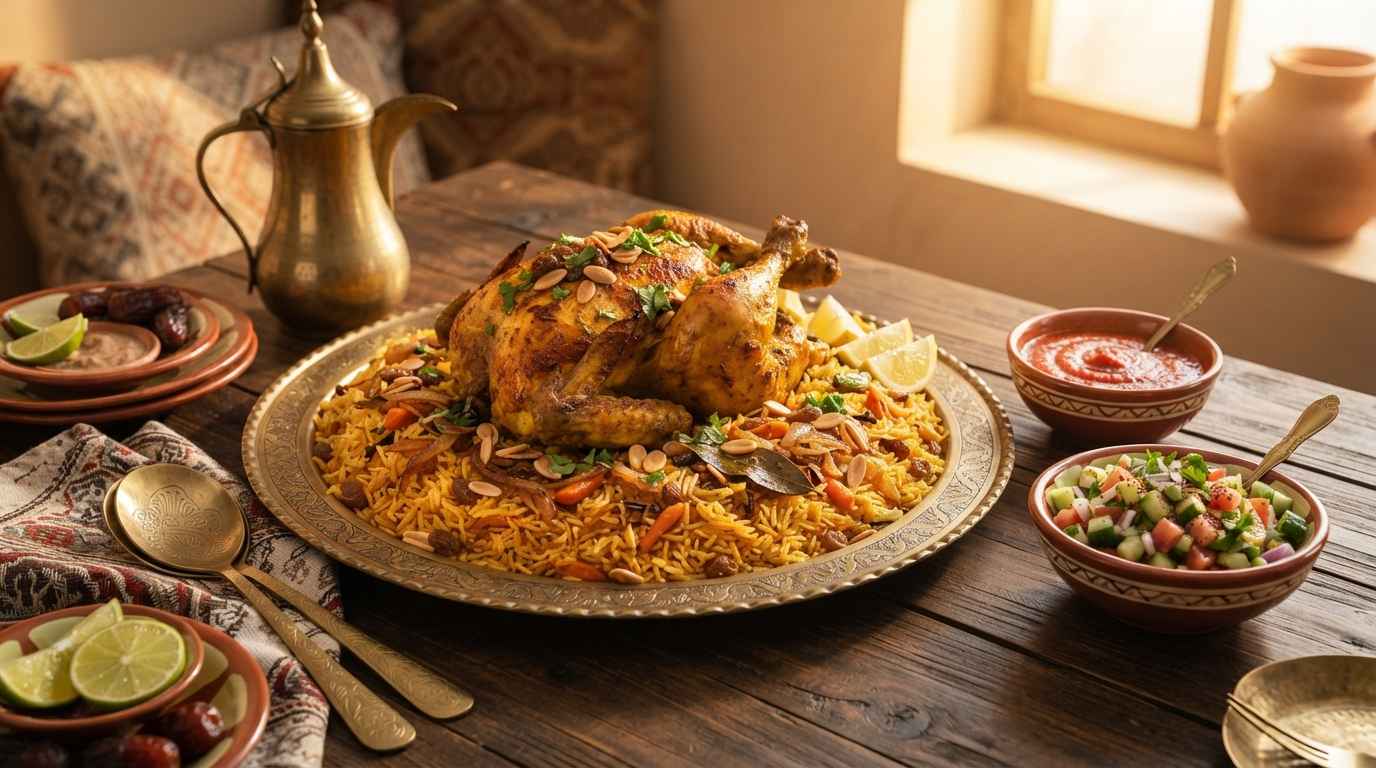
Chicken Kabsa is a convenient choice for home cooking, but there are several other delicious versions.
- Lamb Kabsa: Made with tender lamb and a rich, flavorful broth.
- Beef Kabsa: A hearty alternative featuring slowly cooked beef.
- Seafood-inspired Kabsa: A modern variation using fish or prawns with carefully adjusted cooking times.
- Vegetarian Kabsa: Prepared with vegetables, chickpeas, and vegetable stock for a meat-free meal.
Each version offers a different taste while keeping the essential character of spiced Arabian rice.
Experience the Taste of Saudi Arabia at Home
Kabsa is a wonderful introduction to the flavors of Saudi Arabian cooking. Its fragrant rice, tender chicken, and warming spices create a meal that feels both comforting and special.
Whether you prepare it for a weekend family lunch, a festive gathering, or a themed dinner, Kabsa brings a touch of Arabian hospitality to your table. Once you master the basic recipe, you can adjust the spices and toppings to make it your own.
Prepare a generous platter, share it with loved ones, and discover why Saudi Arabian Kabsa remains one of the region’s most cherished traditional dishes.
Most Popular









Anaya
comment1