



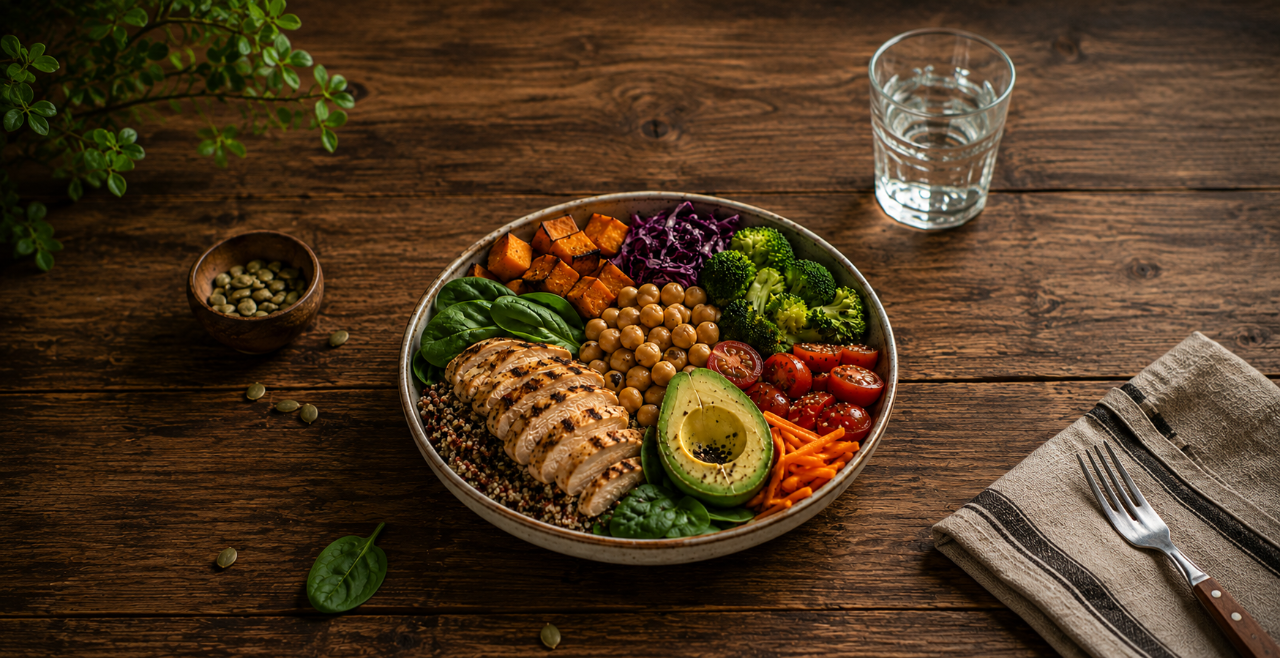
In our fast paced modern world, it's easy to overlook the fundamental truth that our bodies are intricate systems, and what we choose to fuel them with has a direct and profound impact on our overall health and vitality. The adage "you are what you eat" is more than just a catchy phrase; it's a scientific reality. Embracing a philosophy of eating well is not about restrictive diets or fleeting trends, but about making informed, sustainable choices that nourish our bodies, support our mental clarity, and empower us to live our lives to the fullest. This approach to nutrition is the cornerstone of living well.
The Pillars of a Healthy Diet
A balanced and nutritious diet forms the bedrock of a healthy lifestyle. It involves incorporating a wide array of whole, unprocessed foods that provide essential vitamins, minerals, fiber, and lean protein. Prioritizing fruits and vegetables, rich in antioxidants and phytonutrients, helps protect our cells from damage and reduces inflammation. Whole grains offer sustained energy and dietary fiber crucial for digestive health. Lean proteins, whether from plant sources like legumes and tofu or animal sources like fish and poultry, are vital for muscle repair and satiety. Healthy fats found in avocados, nuts, seeds, and olive oil are essential for brain function and hormone production.
The Unsung Hero
Often overlooked, adequate hydration is as critical as the food we consume. Water is involved in virtually every bodily function, from regulating temperature and transporting nutrients to flushing out toxins. Aiming for sufficient water intake throughout the day can significantly boost energy levels, improve cognitive function, and support healthy skin. Herbal teas and infused water can be delightful alternatives for those looking to enhance their fluid intake.
The practice of mindful eating elevates the act of nourishment. It involves paying attention to the sensory experience of food, savoring each bite, and recognizing our body's hunger and fullness cues. By slowing down, we can better appreciate the flavors and textures of our meals, leading to improved digestion and a more satisfying eating experience. Mindful eating also encourages us to be more aware of our emotional relationship with food, helping us to distinguish between true hunger and emotional cravings.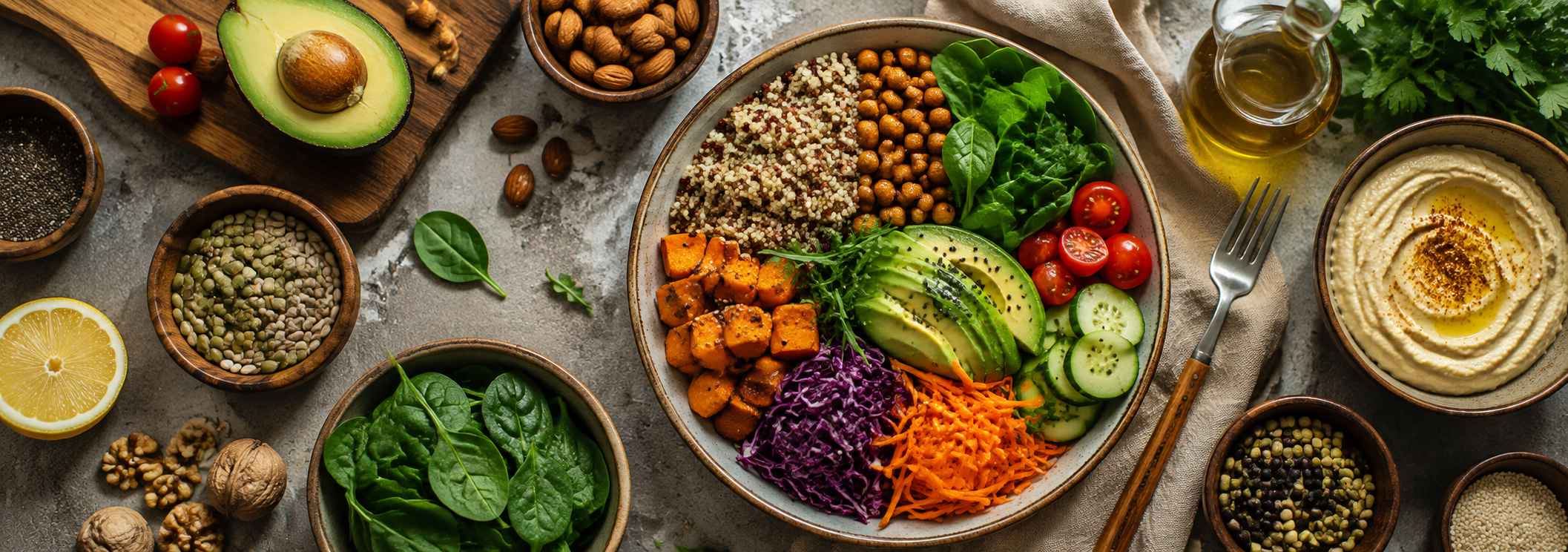
How Diet Impacts All Aspects of Life
The benefits of eating well extend far beyond physical health. A nutrient dense diet can significantly influence our mental and emotional well-being. Improved energy levels translate to greater productivity and a more positive outlook. Proper nutrition supports brain health, enhancing focus, memory, and mood regulation. Conversely, diets high in processed foods and sugar can contribute to fatigue, mood swings, and even increase the risk of mental health conditions. By making conscious food choices, we invest in our cognitive abilities and emotional resilience, enabling us to navigate life's challenges with greater ease and clarity.
Preventing Chronic Diseases
One of the most compelling reasons to prioritize a healthy diet is its role in preventing chronic diseases. Conditions such as heart disease, type 2 diabetes, certain cancers, and obesity are strongly linked to dietary habits. By adopting a diet rich in fruits, vegetables, whole grains, and lean proteins, and limiting processed foods, sugary drinks, and excessive saturated fats, we can significantly reduce our risk factors for these debilitating illnesses. This preventative power of food is a remarkable tool for long term health.
Fueling an Active Lifestyle
For those who lead active lives, whether through regular exercise or demanding daily routines, the importance of proper nutrition is amplified. The right foods provide the energy needed for physical performance, aid in muscle recovery, and help prevent injury. Consuming adequate carbohydrates before exercise fuels muscles, while protein rich meals post workout are essential for repair and growth. A well nourished body is better equipped to handle physical stress and recover more efficiently, allowing for consistent progress and enjoyment of an active lifestyle.
Making Sustainable Changes for Lasting Well-being
Transitioning to a healthier way of eating doesn't require drastic overhauls. Small, consistent changes can yield significant results. Start by incorporating one more serving of vegetables into your day, swapping sugary snacks for fruit, or choosing whole grain options over refined ones. Gradually introduce new healthy recipes and cooking methods into your repertoire. Remember that consistency is key; it's about creating sustainable habits that fit into your lifestyle rather than adhering to temporary, restrictive plans. Seek out resources and support, whether from registered dietitians, reputable health websites, or supportive communities, to guide you on your journey.
A Lifelong Journey of Nourishment
Eating well is not a destination, but a continuous journey of learning, adaptation, and enjoyment. By understanding the profound impact of our food choices on our physical, mental, and emotional health, we empower ourselves to make positive changes. Embracing a balanced, nutrient rich diet, practicing mindful eating, and staying hydrated are foundational steps towards a vibrant and thriving life. Let us commit to nourishing our bodies with the best that nature has to offer, not as a chore, but as an act of self care and an investment in our lasting well being.

Most Popular













Anaya
comment1