



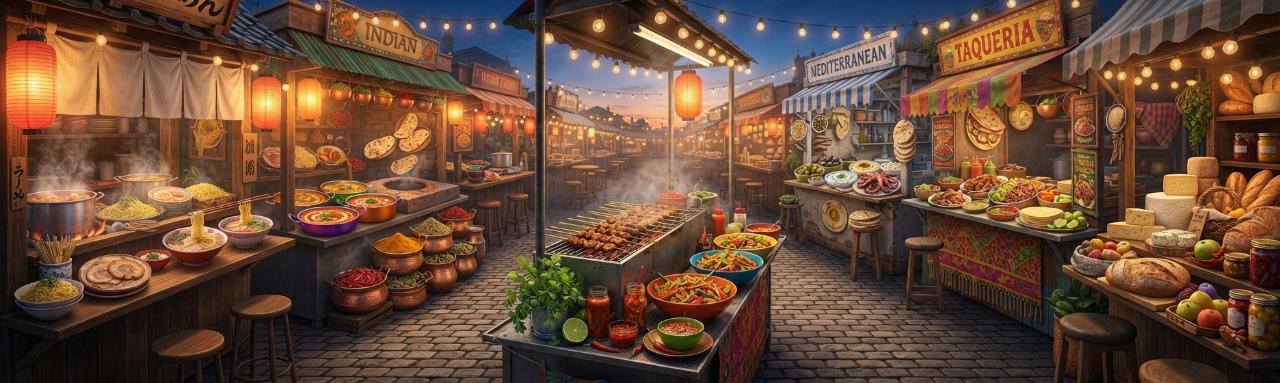
In a world that constantly offers novelty, the realm of food is no exception. The human palate, a sophisticated instrument, is naturally drawn to discovery. Exploring new food flavors is more than just a culinary pursuit; it's an adventure that tantalizes our senses, broadens our understanding of cultures, and enriches our lives. From the subtle complexities of exotic spices to the bold statements of fusion cuisine, the journey of tasting unfamiliar dishes is a rewarding experience.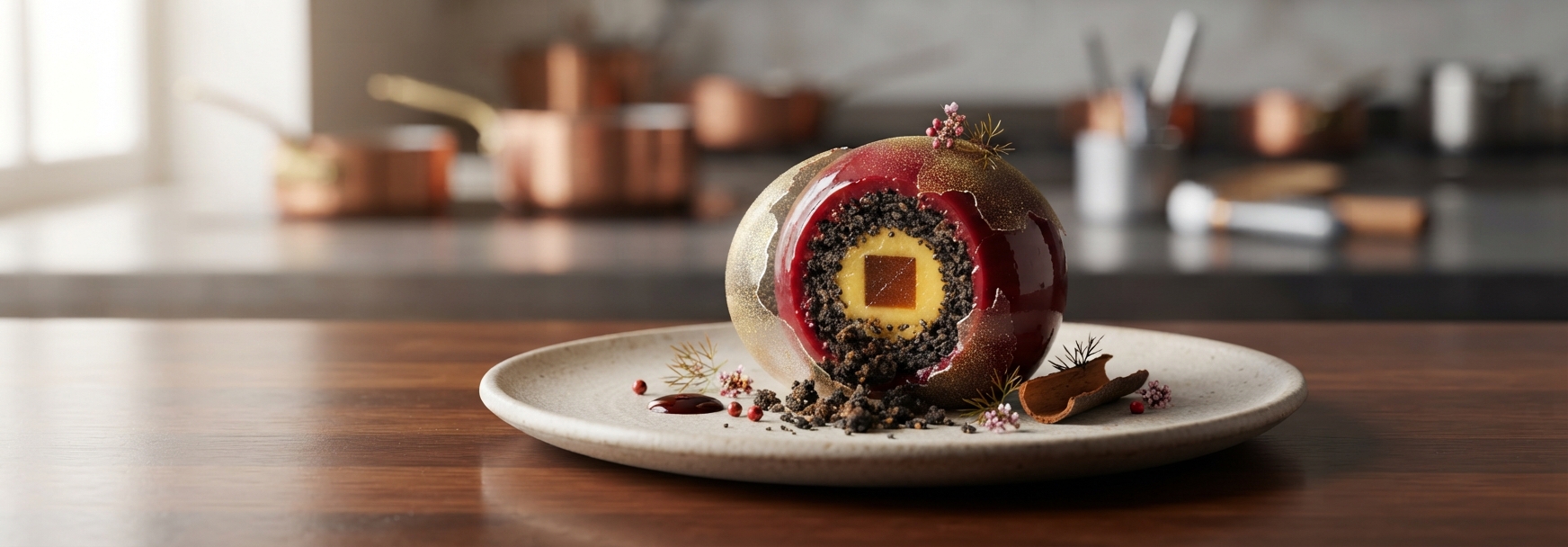
The Science and Psychology Behind Flavor Exploration
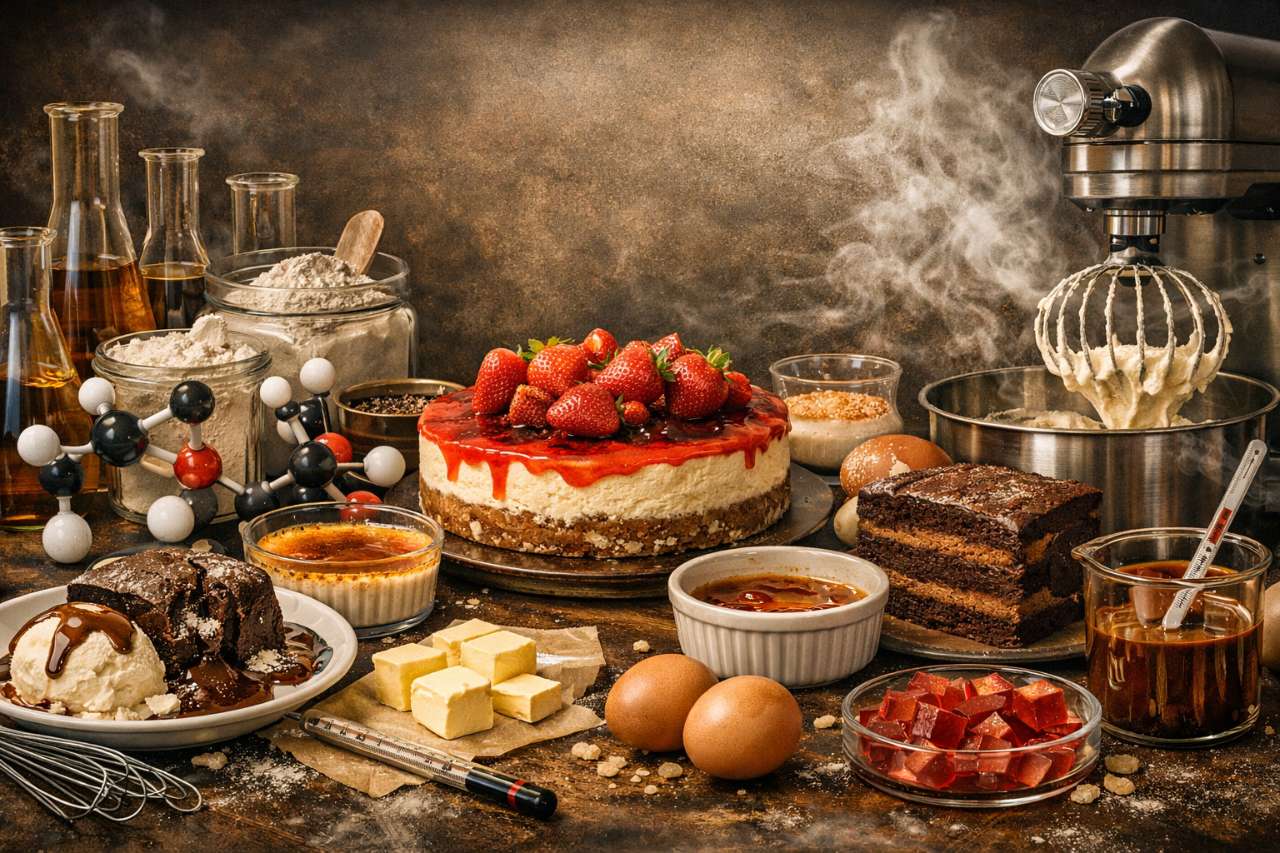
Why are we wired to seek out new tastes? Our brains are constantly processing sensory information, and flavor is a powerful component of that. New flavor experiences trigger different neural pathways, leading to a sense of excitement and novelty. This exploration taps into our innate curiosity and our desire for stimulation. Furthermore, food is deeply intertwined with memory and emotion. Trying a new dish can evoke a sense of adventure, connect us to different cultures, and even help us create new cherished memories.
Navigating the World of New Flavors
The vast landscape of global cuisine can seem daunting, but starting your flavor exploration is simpler than you might think.
Embrace Local Diversity
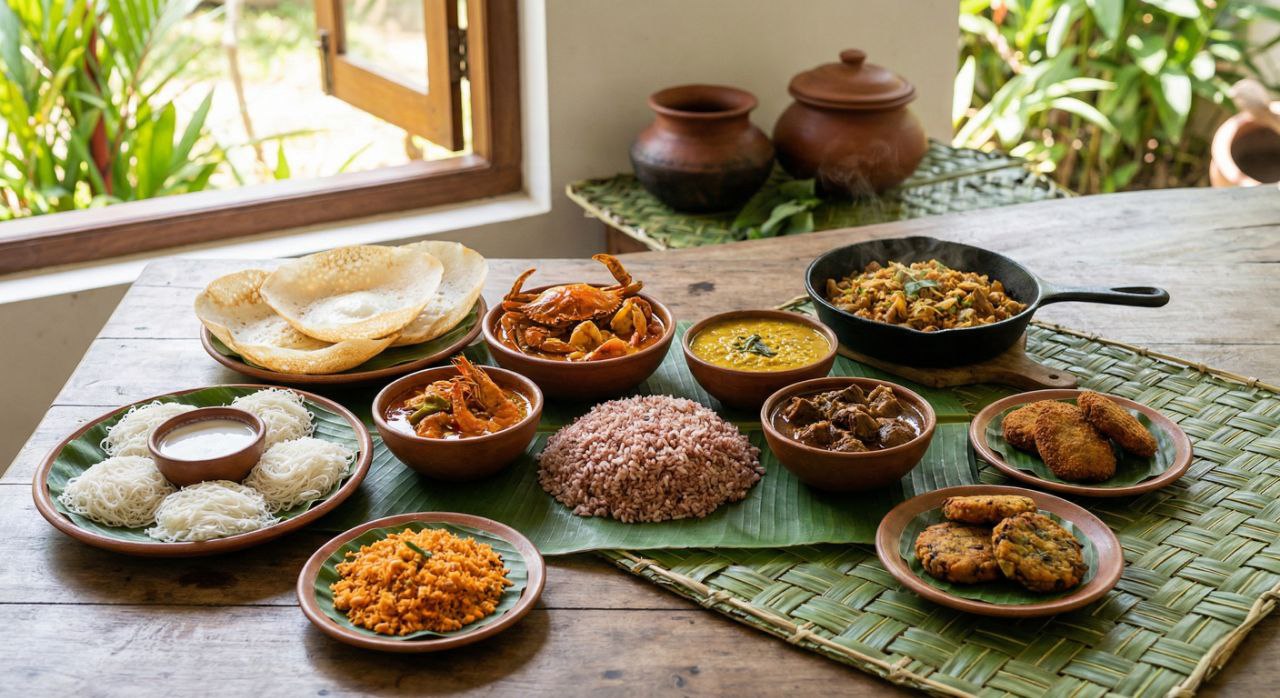
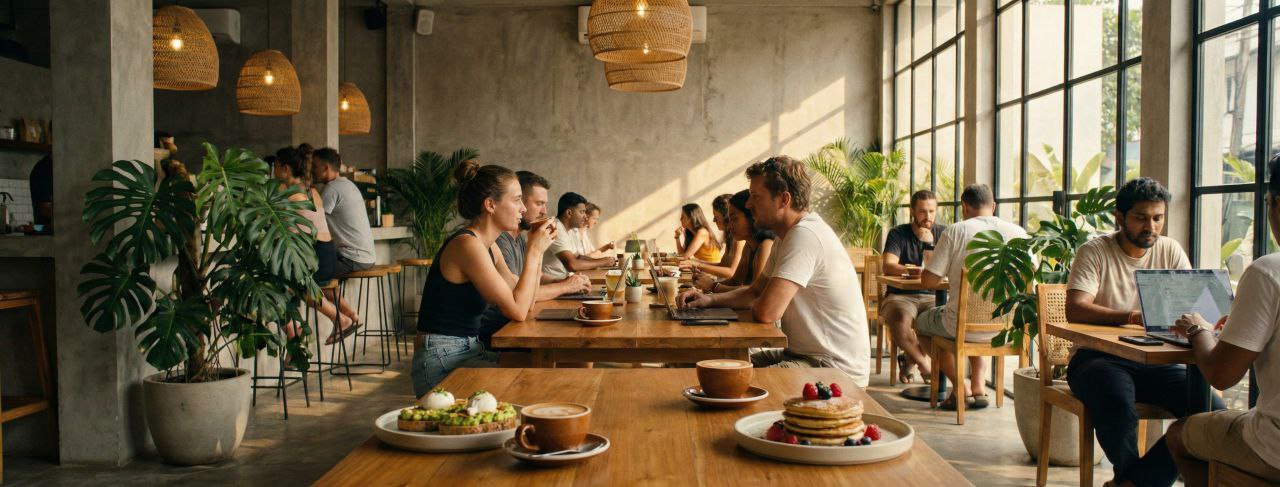
Often, the most exciting new flavors are right in our own communities. Seek out restaurants that specialize in cuisines you've never tried before. This could be anything from authentic Ethiopian injera to delicate Japanese ramen, or vibrant Mexican street food. Many cities boast diverse culinary scenes offering a passport to global tastes without ever leaving home.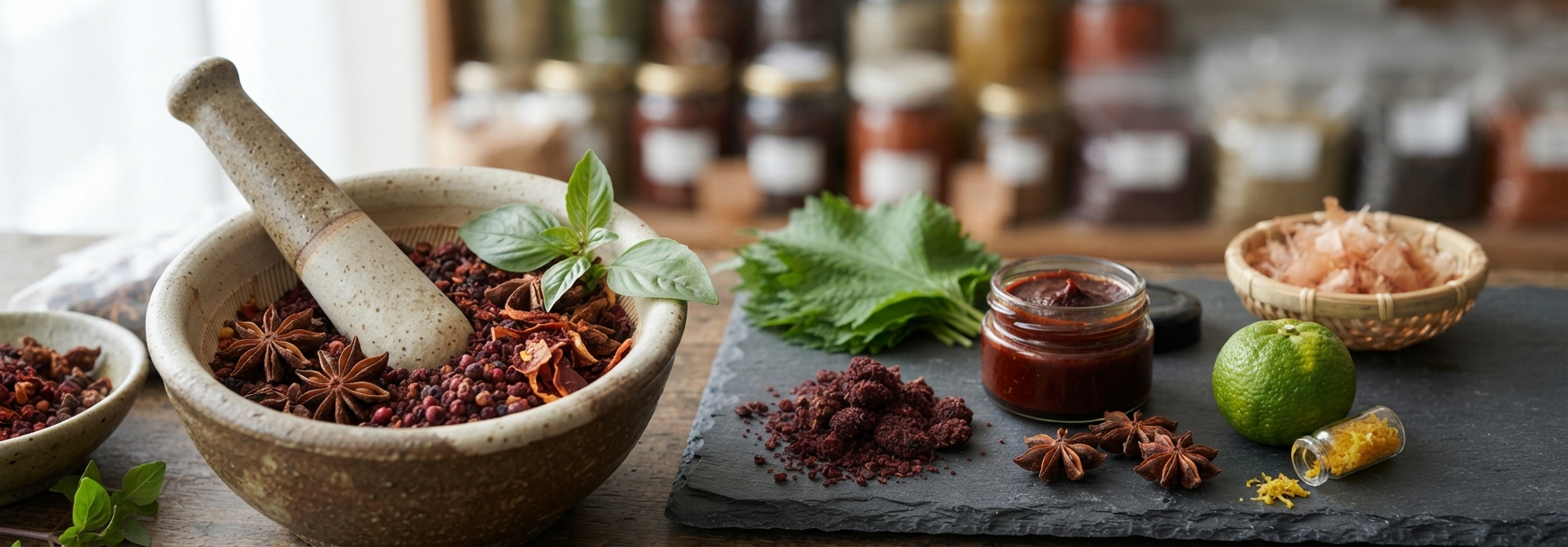
The Power of Ingredients
Understanding individual ingredients can open up a world of flavor possibilities. Experiment with new spices in your own cooking. Try star anise in a stew, sumac in a salad dressing, or gochujang in a stir fry. Visiting specialty food stores can introduce you to unique herbs, exotic fruits, and artisanal products you might not find in a standard supermarket.
The Art of Combining Flavors
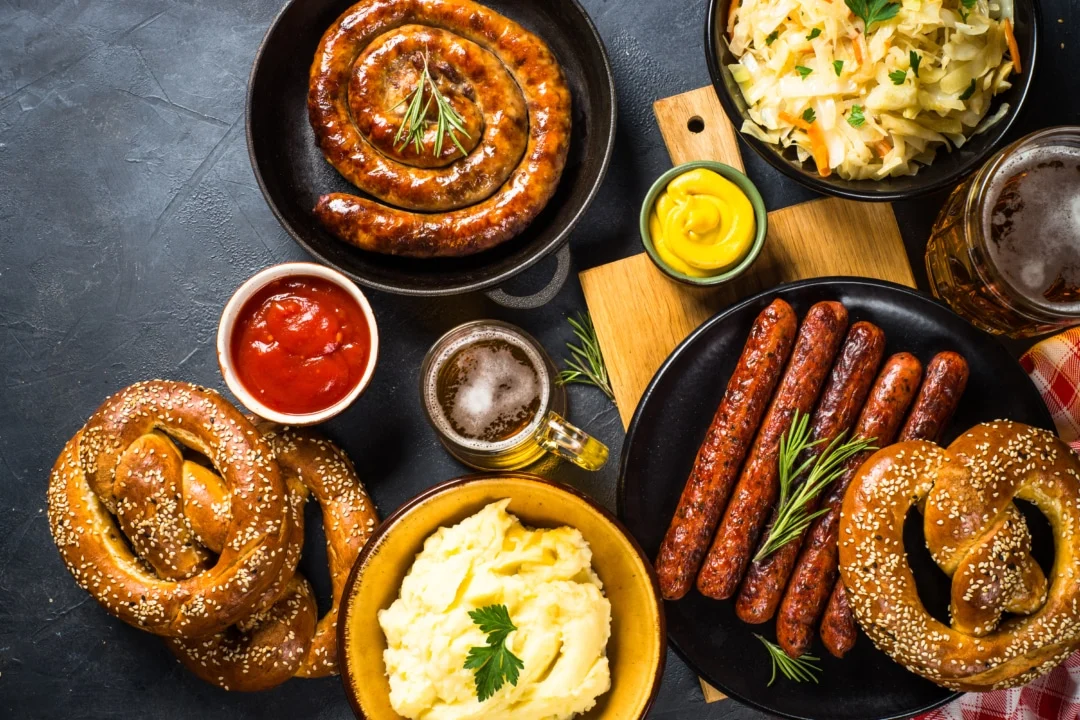
Fusion cuisine, where elements of different culinary traditions are blended, offers a particularly exciting avenue for flavor exploration. Think Korean tacos, Indian-spiced pizza, or Japanese-Peruvian ceviche. These innovative combinations can lead to unexpected yet delightful taste sensations, showcasing the creativity and adaptability of culinary arts.
Cooking Classes and Workshops
For a more immersive experience, consider taking a cooking class focused on a specific cuisine. Learning the techniques and understanding the traditional ingredients firsthand can deepen your appreciation and equip you with the skills to recreate these flavors at home. It's a hands-on way to delve into the heart of a new culinary tradition.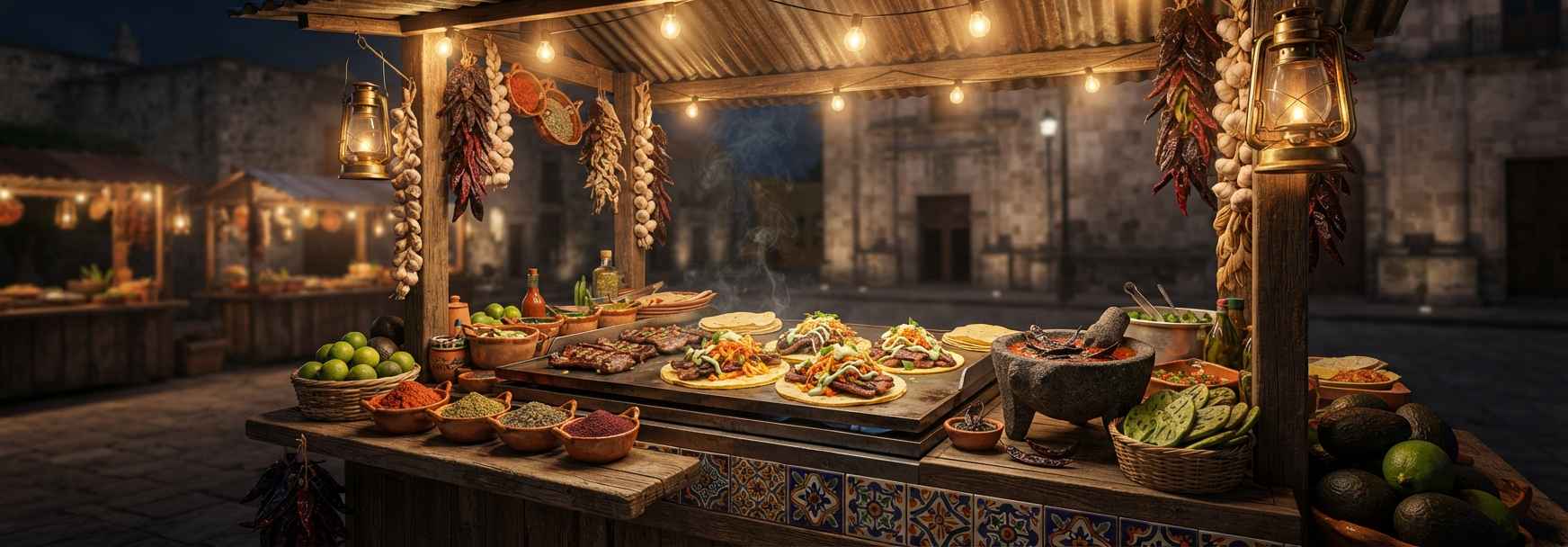
Travel and Taste
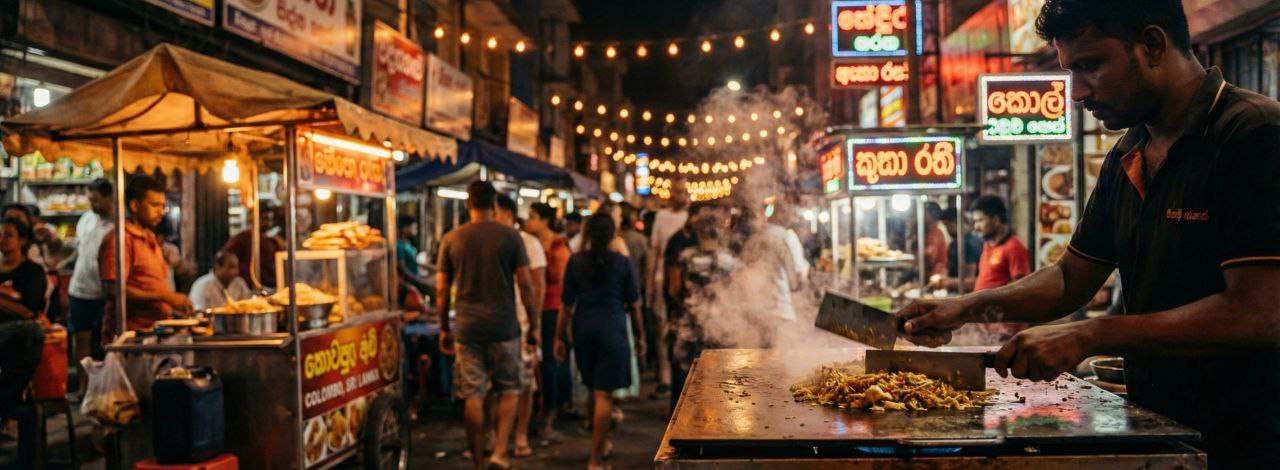
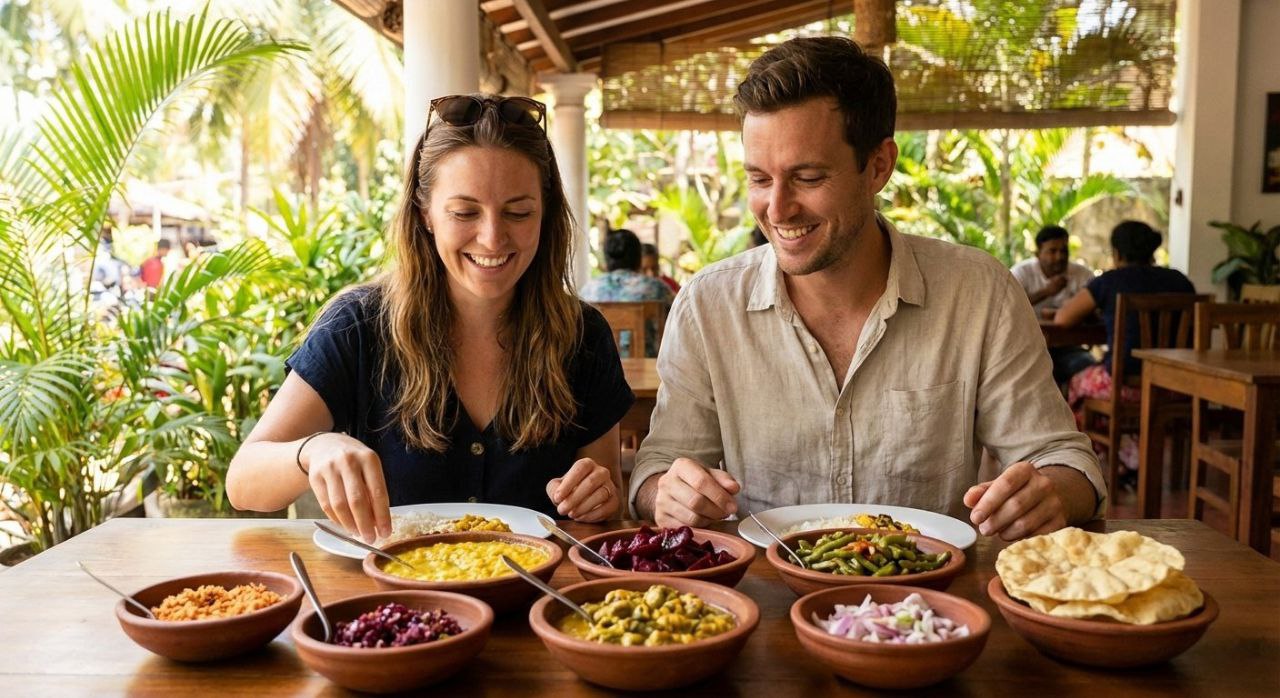
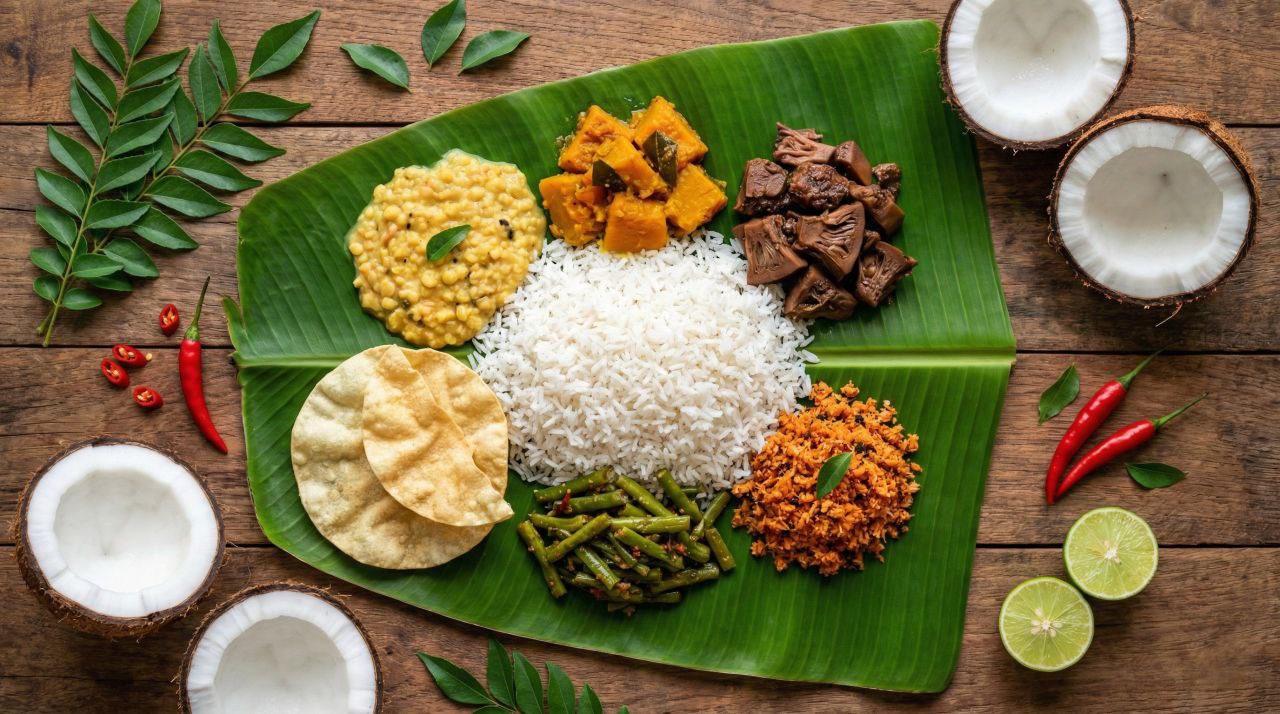
Naturally, the most authentic way to explore new food flavors is through travel. Immerse yourself in the local food culture of a destination. Sample regional specialties, visit local markets, and ask for recommendations. Food is often the most direct window into a culture's history, values, and daily life.
Overcoming Flavor Hesitation
It's natural to feel a twinge of hesitation when faced with something entirely new. However, approaching new foods with an open mind and a sense of adventure can transform apprehension into excitement. Start with milder versions of a cuisine, or try dishes that incorporate familiar ingredients in new ways. Don't be afraid to ask questions about ingredients or preparation methods. The culinary world is generally welcoming to those eager to learn and explore.
A Lifelong Journey of Taste
Exploring new food flavors is a continuous and joyful journey. It's an opportunity to challenge our palates, connect with diverse cultures, and discover new favorites. Whether you're trying a new restaurant down the street or savoring a dish on the other side of the world, each new flavor experience contributes to a richer, more vibrant culinary life. So, step out of your comfort zone, embrace the unknown, and let your taste buds lead you on an unforgettable adventure.
Most Popular







Anaya
comment1