



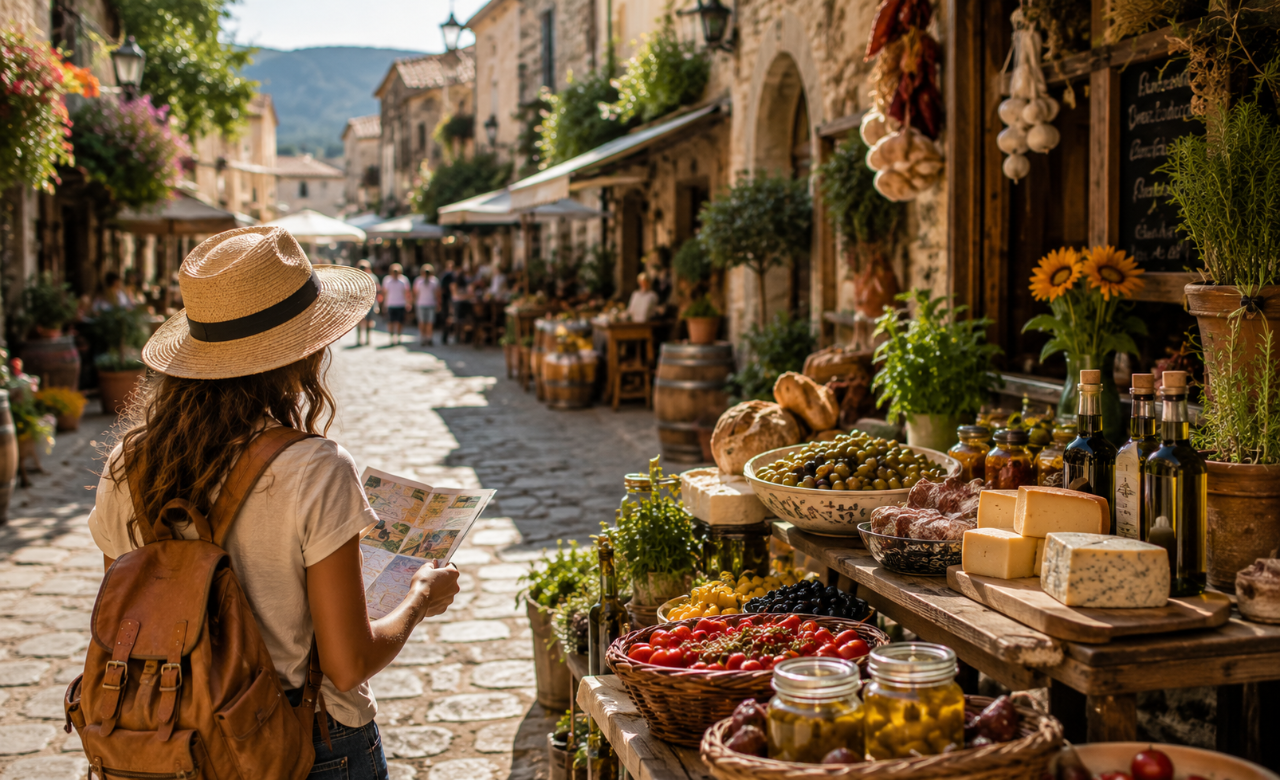
The world is a tapestry woven with diverse cultures, vibrant traditions, and, undeniably, an incredible array of culinary delights. While travel often focuses on sightseeing and historical landmarks, there's a growing movement that celebrates the profound connection between food and place: food trails. These curated journeys invite travelers to delve deeper into a region's identity, not just by seeing its sights, but by tasting its stories, understanding its heritage, and connecting with its people through the universal language of food.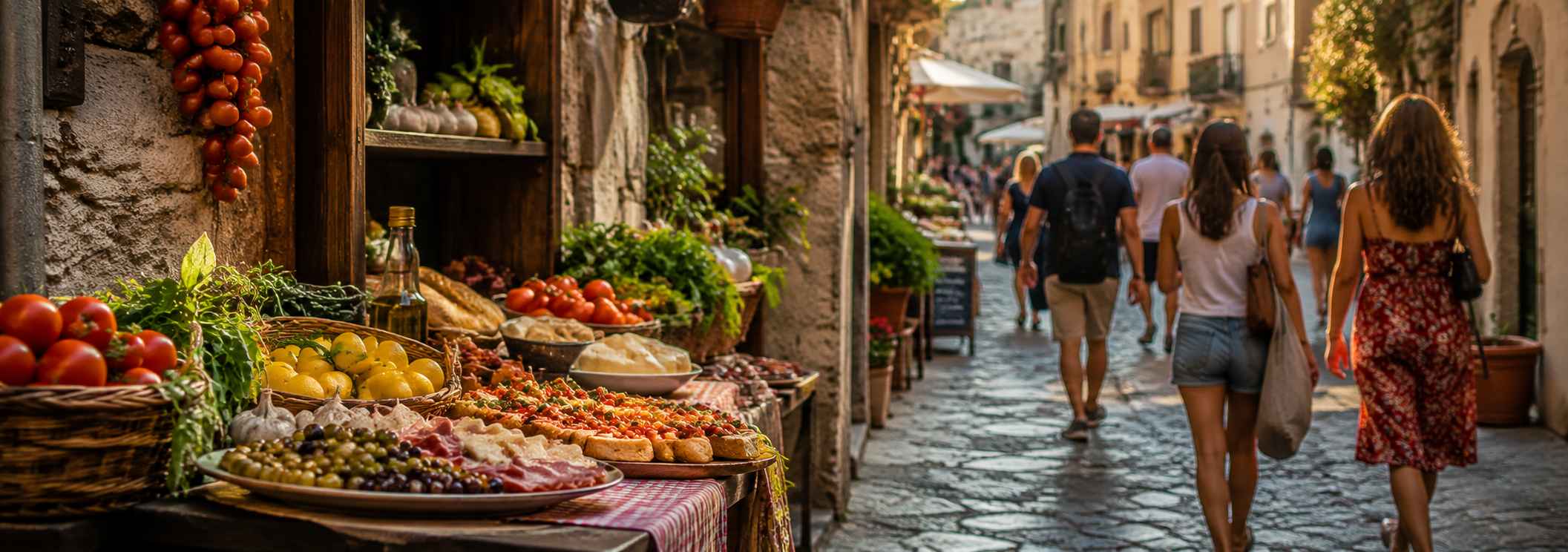
What Exactly is a Food Trail?
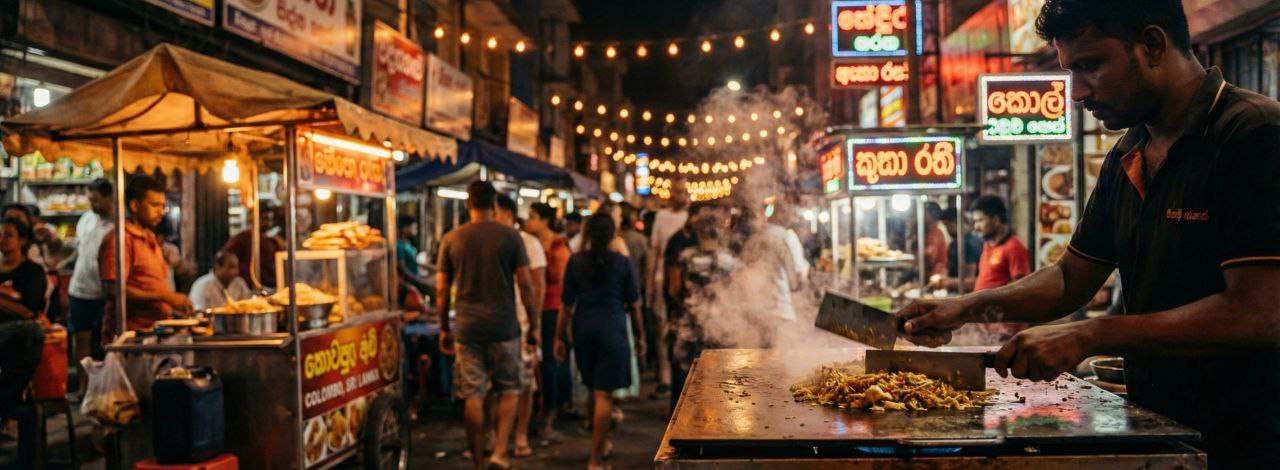
A food trail is more than just a list of restaurants. It's a thoughtfully designed route that highlights a specific culinary theme, ingredient, or regional specialty. Think of it as an edible adventure, guiding you through producers, markets, kitchens, and unique dining experiences that define a destination's gastronomic landscape. Whether it's a journey through the olive groves of Tuscany, a quest for the perfect ramen in Tokyo, or an exploration of the spice routes of Southeast Asia, food trails offer an immersive and authentic way to experience a locale.
The Unifying Power of Culinary Exploration
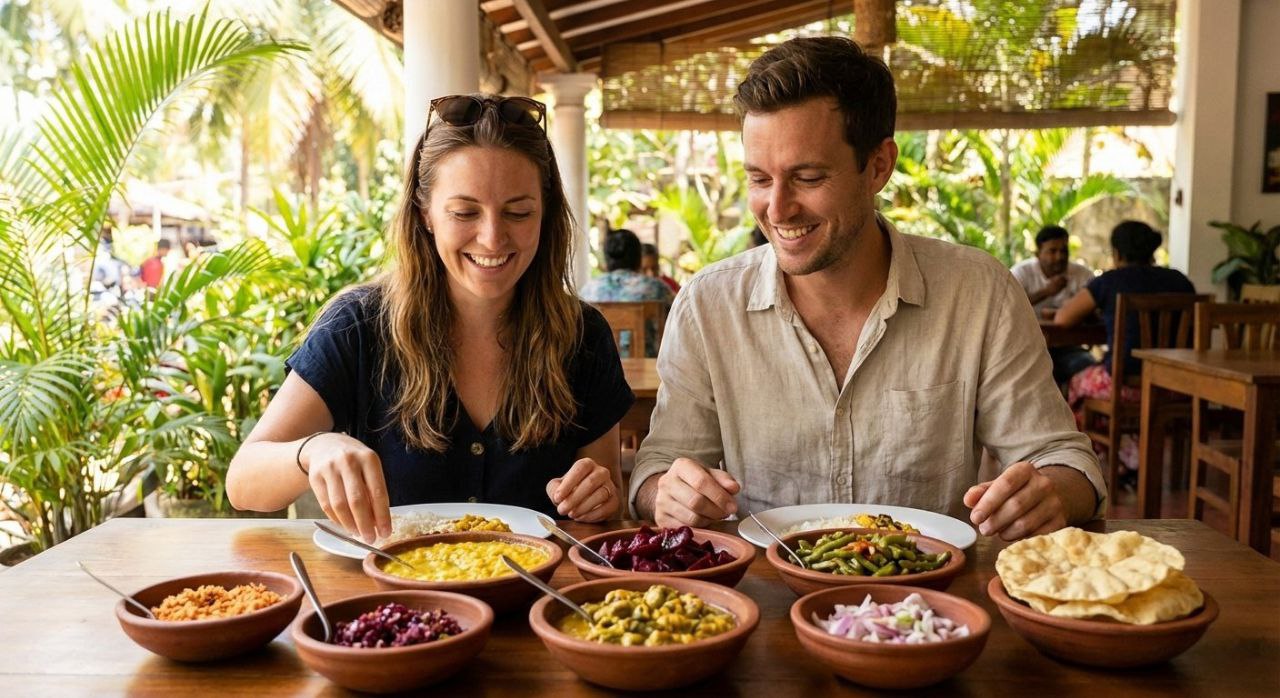
Food has an unparalleled ability to bring people together and bridge cultural divides. When you embark on a food trail, you're not just a passive observer; you become an active participant. You might learn the secrets of handmade pasta from an Italian nonna, understand the intricate balance of spices in an Indian curry from a local chef, or witness the artistry of a Japanese sushi master. These interactions foster genuine connections and provide insights into the daily lives and cultural practices of the people you meet. The stories behind the dishes, the history of the ingredients, and the passion of the creators all contribute to a richer, more meaningful travel experience.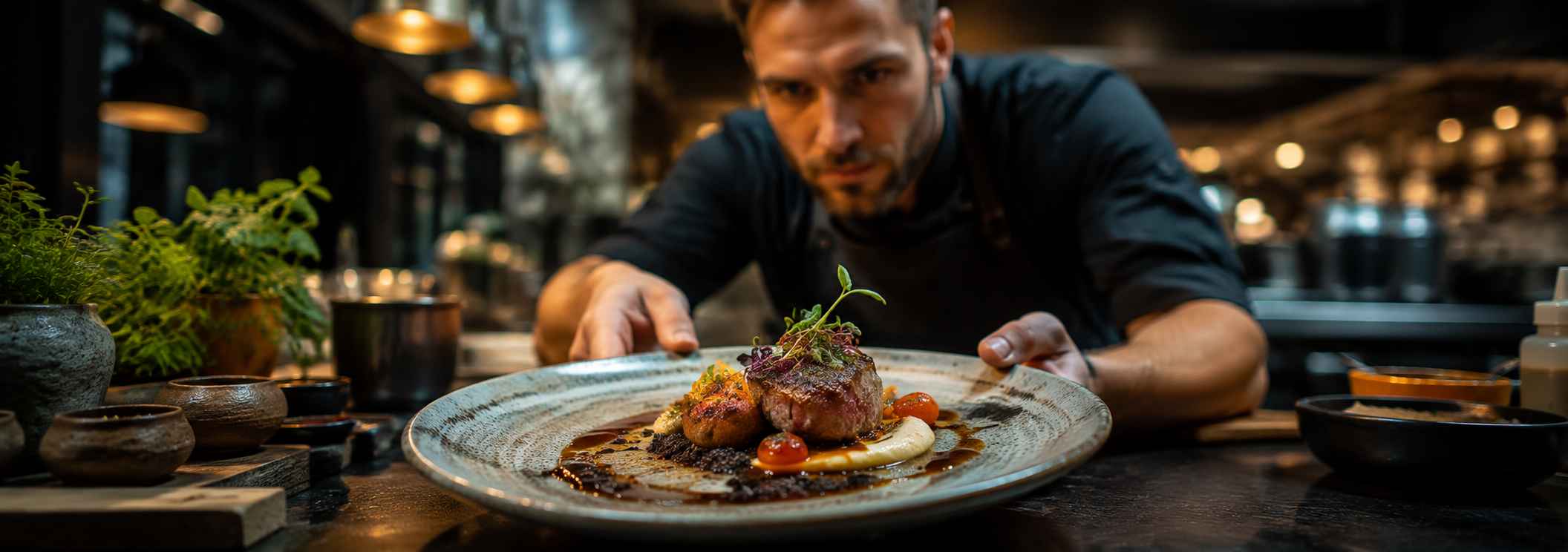
Benefits of Exploring Through Food Trails
Beyond the sheer pleasure of delicious discoveries, food trails offer several compelling benefits for travelers:
- Authenticity: Food trails often lead you away from tourist traps and into the heart of local communities, offering genuine tastes and experiences.
- Cultural Immersion: Food is deeply intertwined with culture. By exploring a region's cuisine, you gain a profound understanding of its history, traditions, and social customs.
- Support for Local Economies: Choosing food trails often means supporting small businesses, local farmers, and artisans, contributing directly to the sustainability of the places you visit.
- Unique Experiences: From foraging expeditions and cooking classes to farm visits and tasting sessions, food trails offer a diverse range of engaging activities that go beyond typical sightseeing.
- A Deeper Appreciation: Understanding the origin of your food, the techniques used in its preparation, and the cultural significance it holds can transform how you view and appreciate meals.
Planning Your Own Culinary Adventure
Embarking on a food trail can be as simple as researching a destination's signature dishes and seeking out authentic eateries, or as elaborate as joining a guided culinary tour. Many regions now offer organized food trails focusing on specific products like wine, cheese, chocolate, or even artisanal spirits. Websites dedicated to culinary travel, local tourism boards, and food blogs are excellent resources for discovering these hidden gems. When planning, consider the types of food experiences that appeal to you most – are you interested in fine dining, street food, farm-to-table experiences, or hands-on cooking workshops? Tailoring your food trail to your preferences will ensure a truly unforgettable journey.
In an increasingly interconnected world, food trails offer a compelling and delicious way to connect with the essence of a place. They transform travel from a passive act of consumption into an active, engaging, and deeply rewarding experience. By following the aromas, embracing the flavors, and listening to the stories, we can embark on journeys that nourish not just our bodies, but also our minds and souls, forging a deeper appreciation for the world and its incredible culinary diversity.

Most Popular









Anaya
comment1