



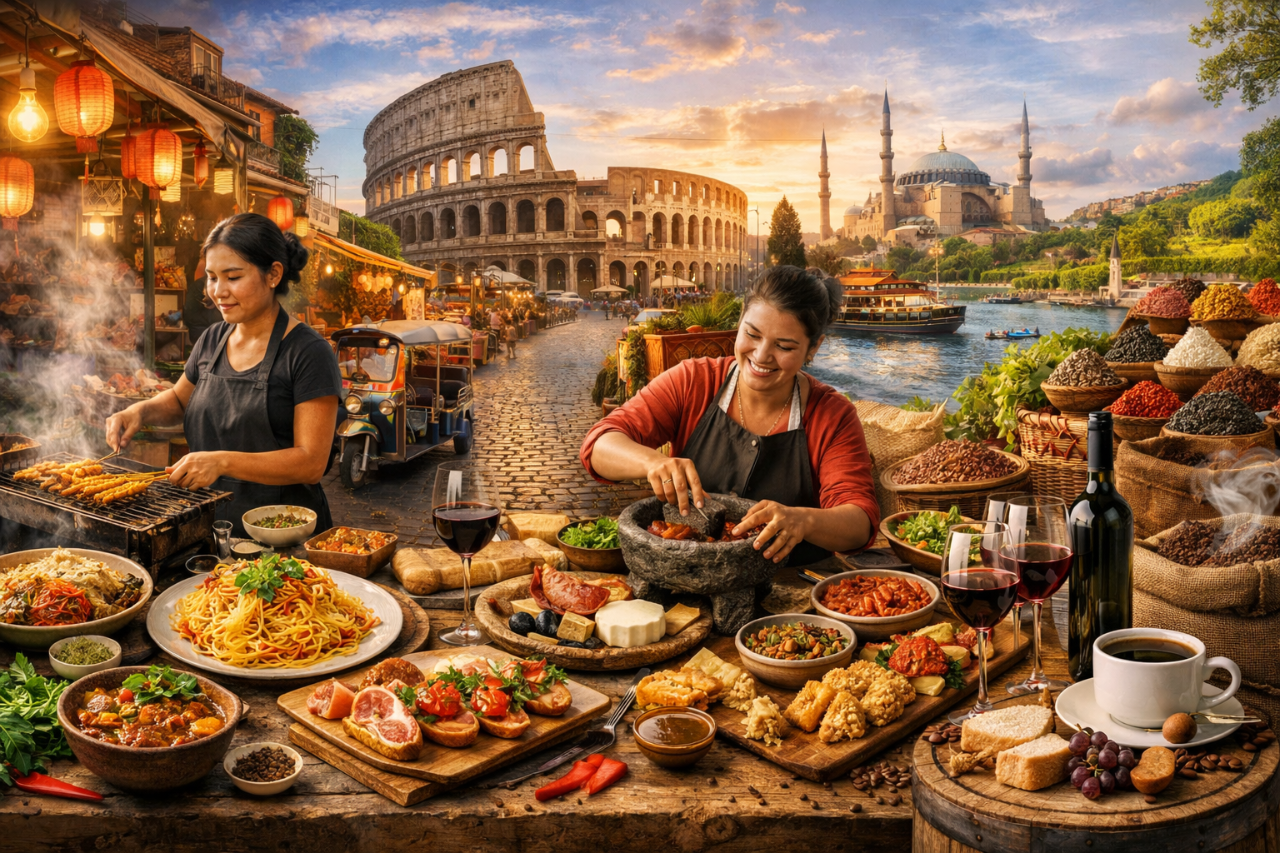
The world is a vast tapestry of cultures, and at the heart of every culture lies its food. Travel, for many, is as much about the experiences as it is about the flavors. Exploring new destinations often means discovering new cuisines, unique ingredients, and time-honored culinary traditions. These 'tasty trails' offer a delicious way to connect with a place, its people, and its history, transforming a simple meal into an unforgettable adventure.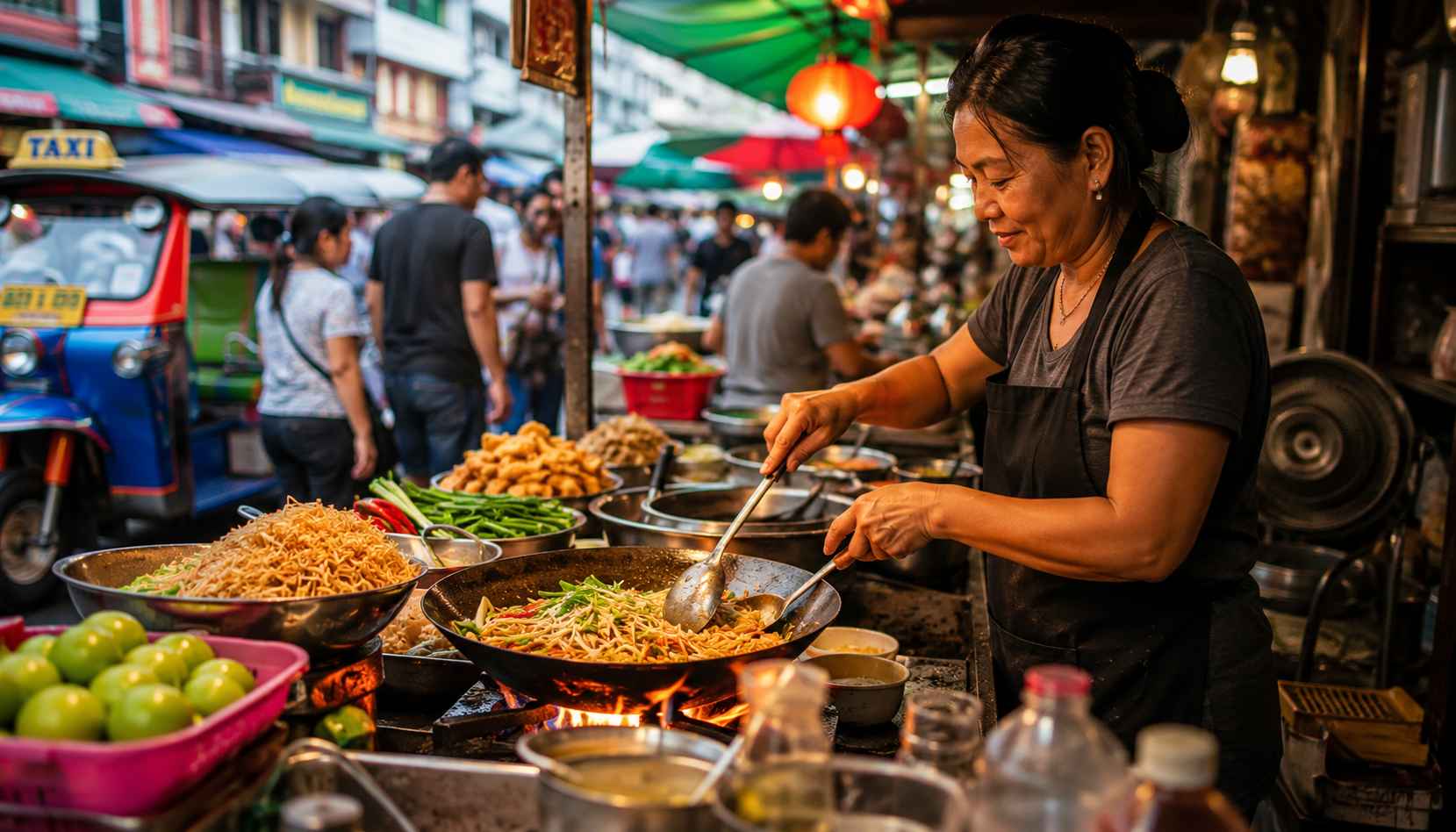
The Global Palate Awaits
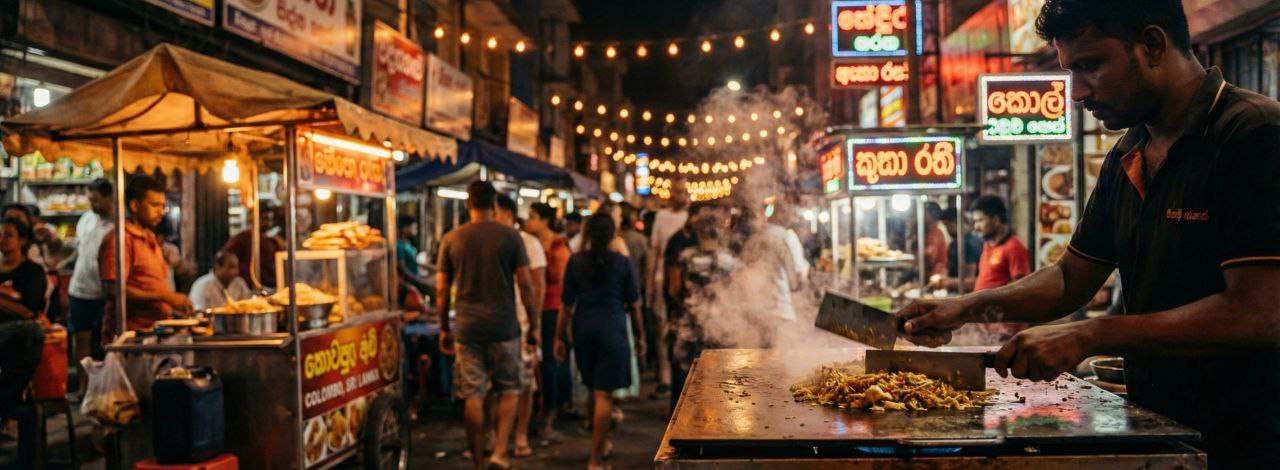
From bustling street food markets to Michelin-starred restaurants, the opportunities for culinary exploration are endless. Consider the vibrant street food scene in Bangkok, Thailand, where the air is thick with the aroma of grilling satay and fragrant curries. Or imagine wandering through the charming trattorias of Rome, Italy, savoring authentic pasta dishes made with the freshest local ingredients. Each region boasts its own specialties, shaped by geography, climate, and historical influences. These influences create unique flavor profiles that are distinctly tied to their origins.
Experiencing Local Flavors
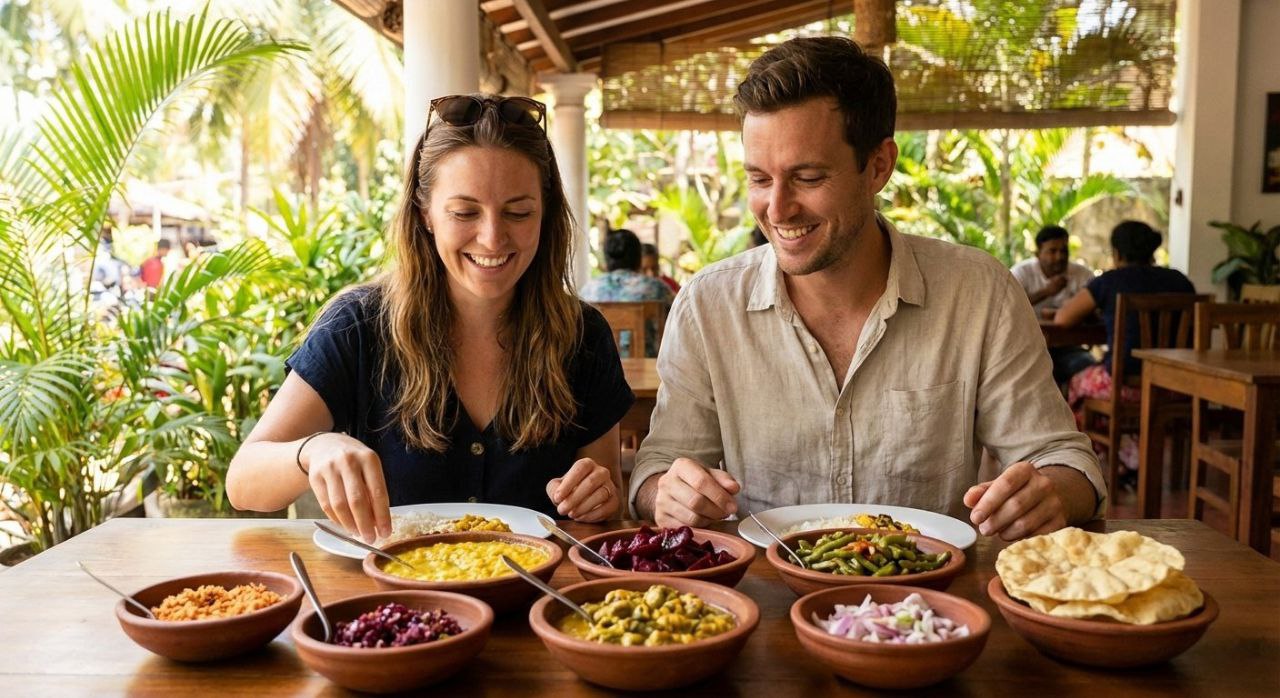
The true joy of 'tasty trails' lies in immersing yourself in the local food culture. This goes beyond simply eating; it involves understanding the ingredients, the preparation methods, and the social context of food. Taking a cooking class in Oaxaca, Mexico, for instance, can provide deep insights into the complex world of mole sauces and traditional corn preparation. Similarly, a guided food tour through the historic neighborhoods of Istanbul, Turkey, can introduce you to a delightful array of mezes, kebabs, and sweet delights, each with a story to tell.
Furthermore, engaging with local producers, whether at a farmers' market or a vineyard, offers a direct connection to the source of the food. Understanding where ingredients come from and the passion behind their cultivation enriches the entire dining experience. It’s about appreciating the journey from farm to table, a journey that is often as captivating as the meal itself.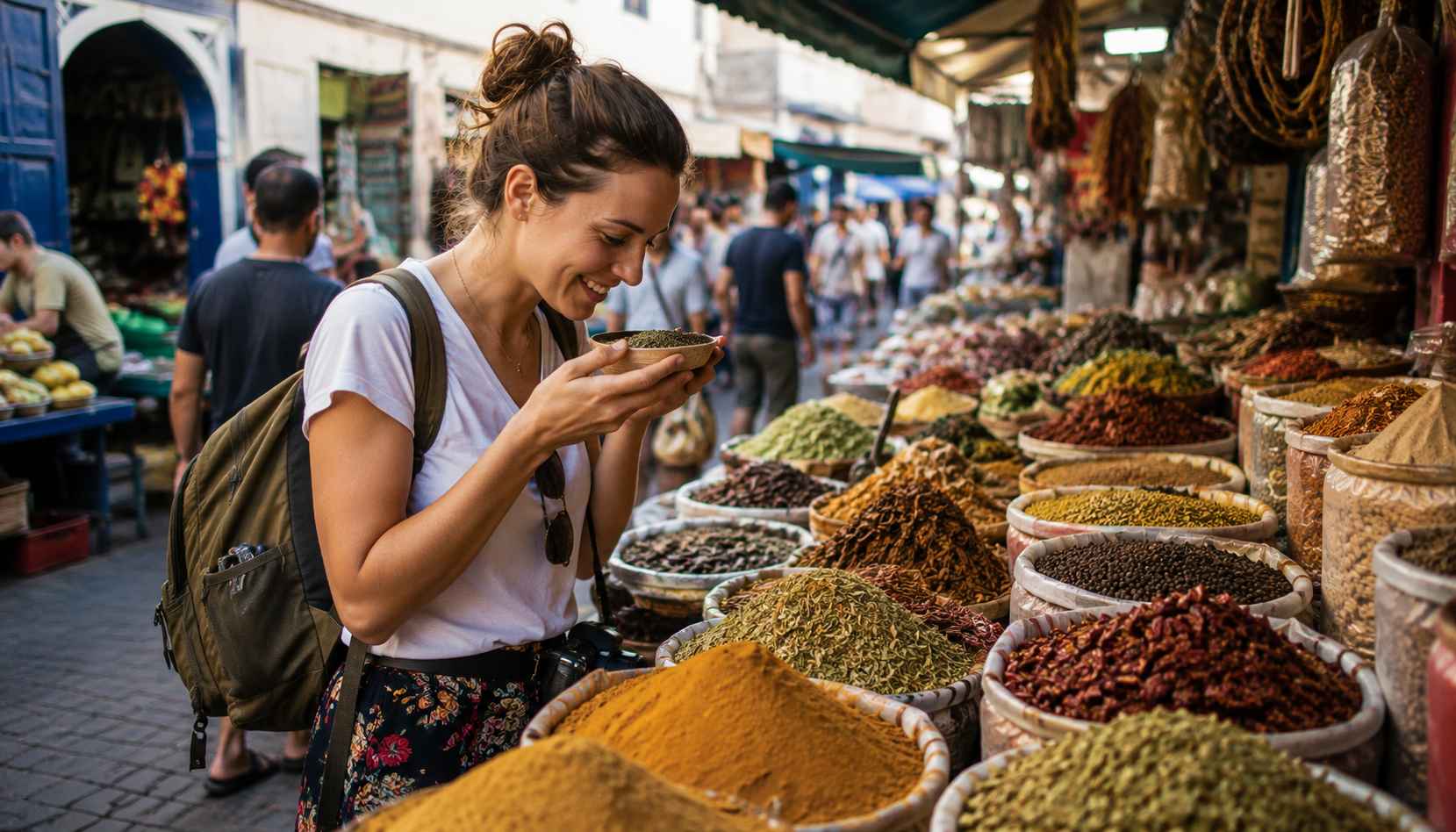
Beyond the Plate Culinary Tourism
Culinary tourism has become a significant aspect of the travel industry, encouraging travelers to seek out destinations based on their gastronomic offerings. This trend has led to the development of specialized tours and itineraries focused on specific foods, drinks, or culinary experiences. Wine regions like Bordeaux, France, or Napa Valley, USA, attract visitors eager to explore vineyards, sample fine wines, and enjoy gourmet meals. Likewise, coffee-producing countries such as Colombia or Vietnam offer tours that delve into the cultivation and preparation of this beloved beverage.
The rise of food festivals and events worldwide also provides excellent opportunities for travelers to sample a wide variety of local delicacies in a festive atmosphere. These gatherings celebrate regional produce, traditional recipes, and innovative culinary creations, offering a concentrated dose of a destination's food culture. Participating in such events allows for a dynamic and interactive way to discover new tastes and connect with local communities.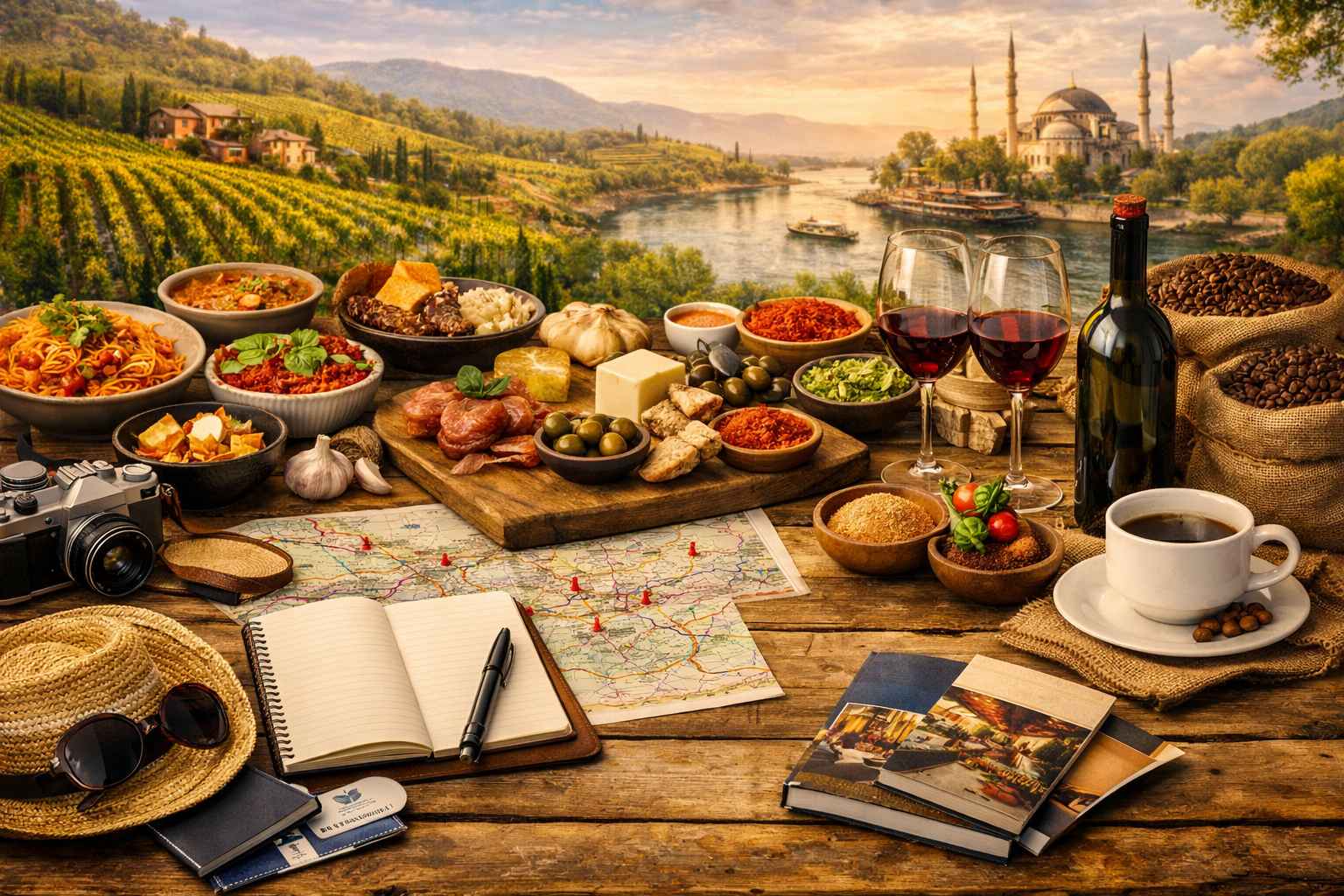
Planning Your Delicious Journey
When planning a culinary-focused trip, research is key. Identify the signature dishes and ingredients of your chosen destination. Look for reputable food tours, cooking classes, and local markets that align with your interests. Don't be afraid to venture off the beaten path and explore smaller, local eateries; often, these hidden gems offer the most authentic and memorable culinary experiences. Engaging with locals for recommendations can also lead to delightful discoveries you might not find in guidebooks.
Ultimately, embarking on 'tasty trails' is about more than just satisfying your hunger. It's about embracing curiosity, savoring new sensations, and creating lasting memories through the universal language of food. It's an invitation to explore the world, one delicious bite at a time, fostering a deeper understanding and appreciation for the diverse cultures that enrich our planet.

Most Popular







Anaya
comment1