



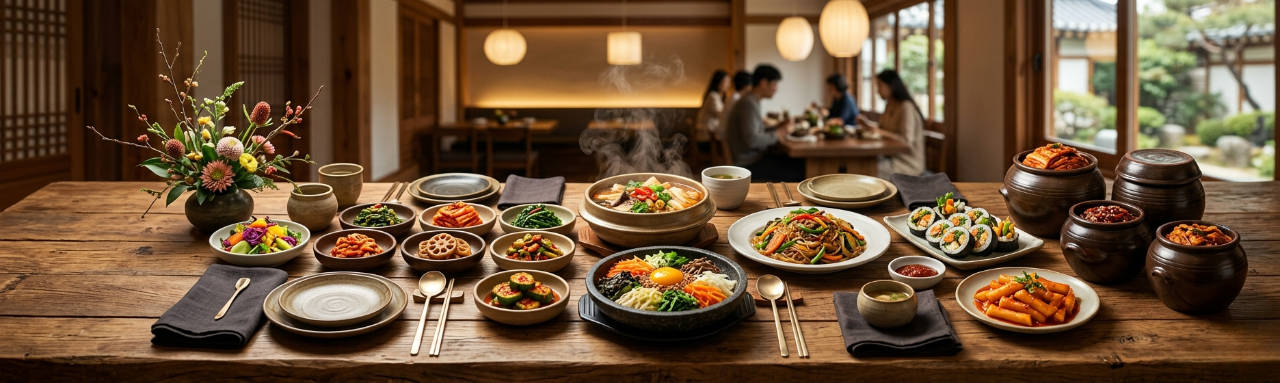
Korean cuisine, celebrated for its vibrant flavors, intricate preparation, and emphasis on communal dining, continues to captivate palates worldwide. Beyond the globally recognized staples like kimchi and bibimbap, the Korean food scene is a dynamic and ever evolving tapestry. This year promises an exciting array of trends that reflect both a nod to tradition and a fearless embrace of innovation. Whether you're a seasoned enthusiast or a curious newcomer, discovering these emerging culinary currents offers a delightful journey into the heart of Korean gastronomy.
The Rise of Plant-Based Korean Delights
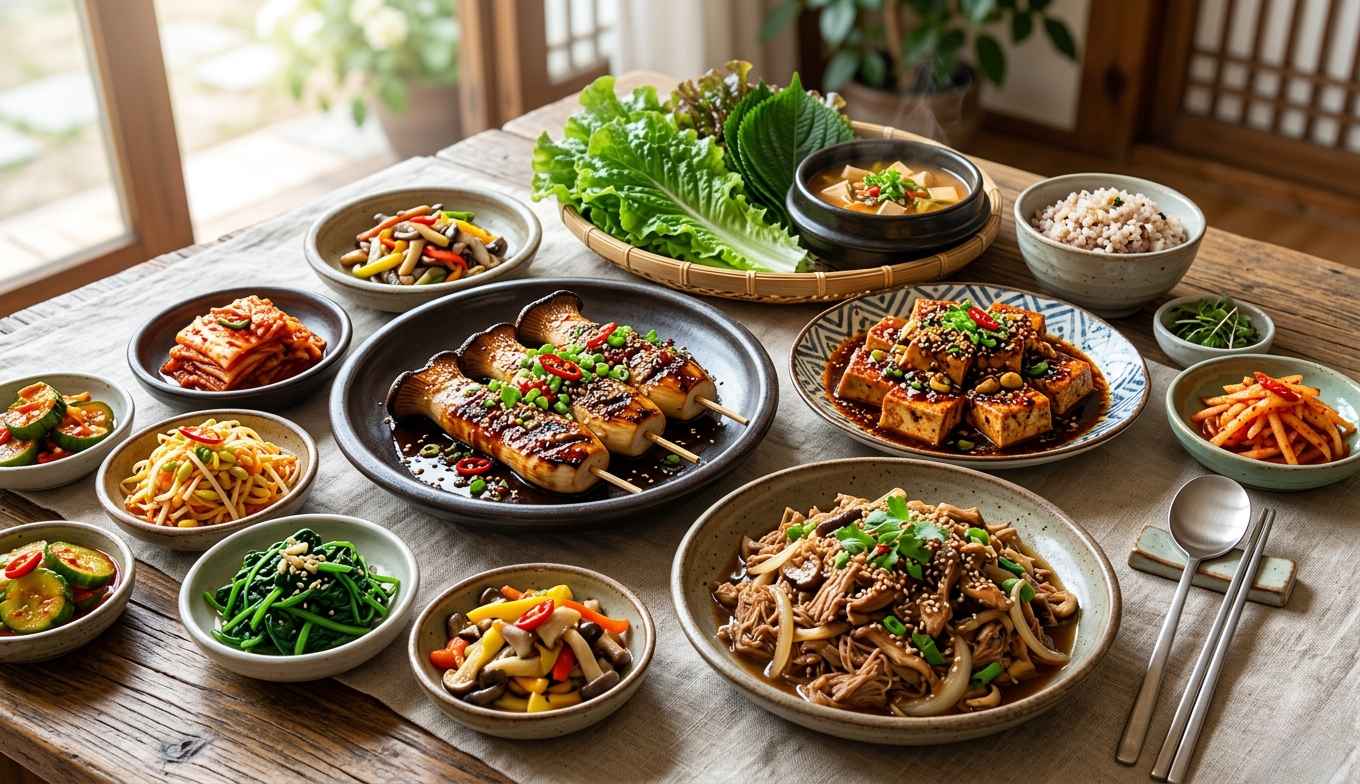
As global consciousness around sustainability and health grows, Korean food is leading the charge in developing sophisticated and delicious plant-based options. This isn't about simply removing meat; it's about reimagining traditional dishes with plant-based proteins and inventive vegetable preparations. Expect to see more creative takes on Korean barbecue featuring marinated mushrooms, tofu, and jackfruit, offering the same smoky, savory appeal without animal products. Tempeh, with its firm texture and nutty flavor, is also finding its way into stews and stir fries, adding a satisfying chew. Furthermore, the inherent versatility of Korean vegetables, from the fermented depths of kimchi to the crisp freshness of banchan, provides a rich foundation for this plant-forward movement.
Fusion Flavors and Global Inspirations
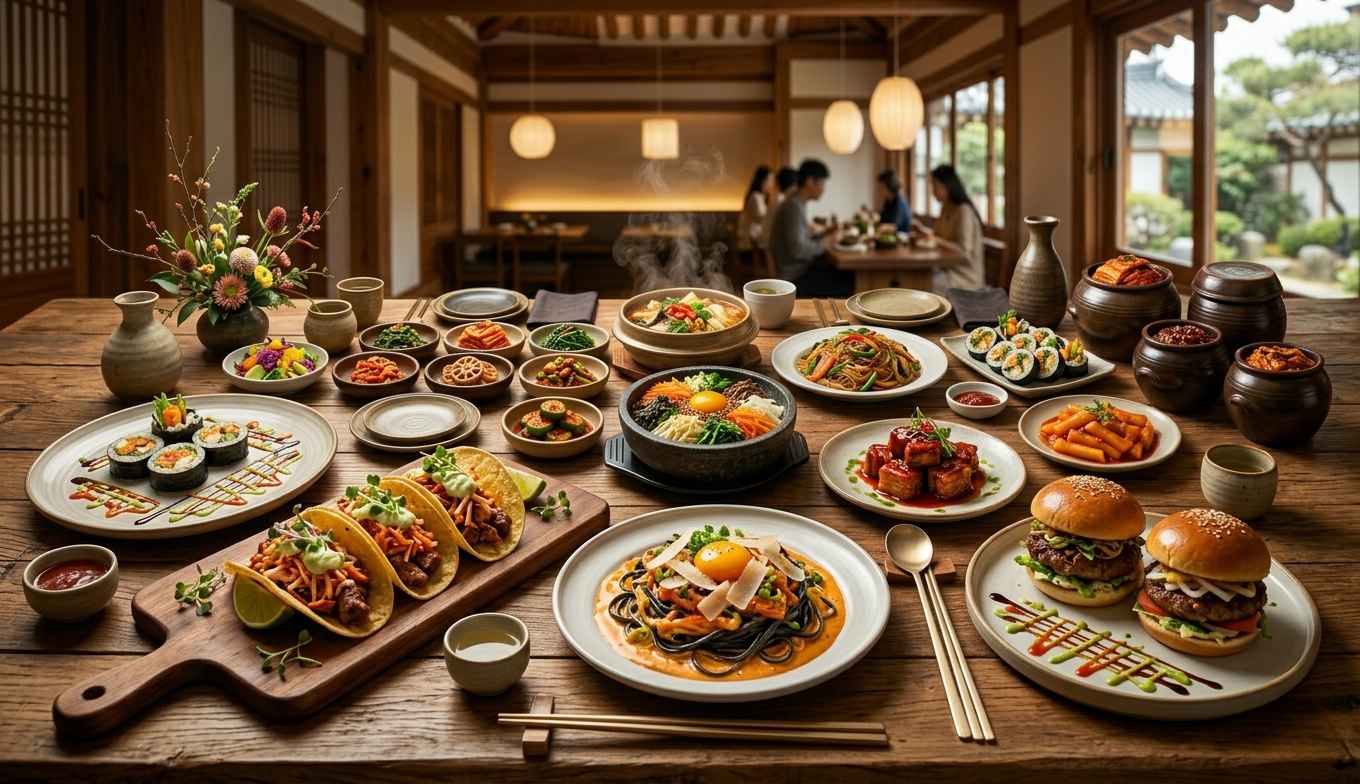
Korean food's innate adaptability lends itself beautifully to fusion. This year, we're witnessing a sophisticated blending of Korean tastes with culinary traditions from around the globe. Think Korean gochujang finding its way into Italian pasta dishes, or kimchi tacos becoming a mainstream street food favorite. This trend is not about diluting Korean flavors but about creating exciting new dialogues between different food cultures. Chefs are experimenting with unexpected pairings, resulting in dishes that are both familiar and delightfully novel. This openness to global influences ensures that Korean cuisine remains at the forefront of culinary innovation, offering surprising and delightful taste experiences.
Elevated Street Food Experiences
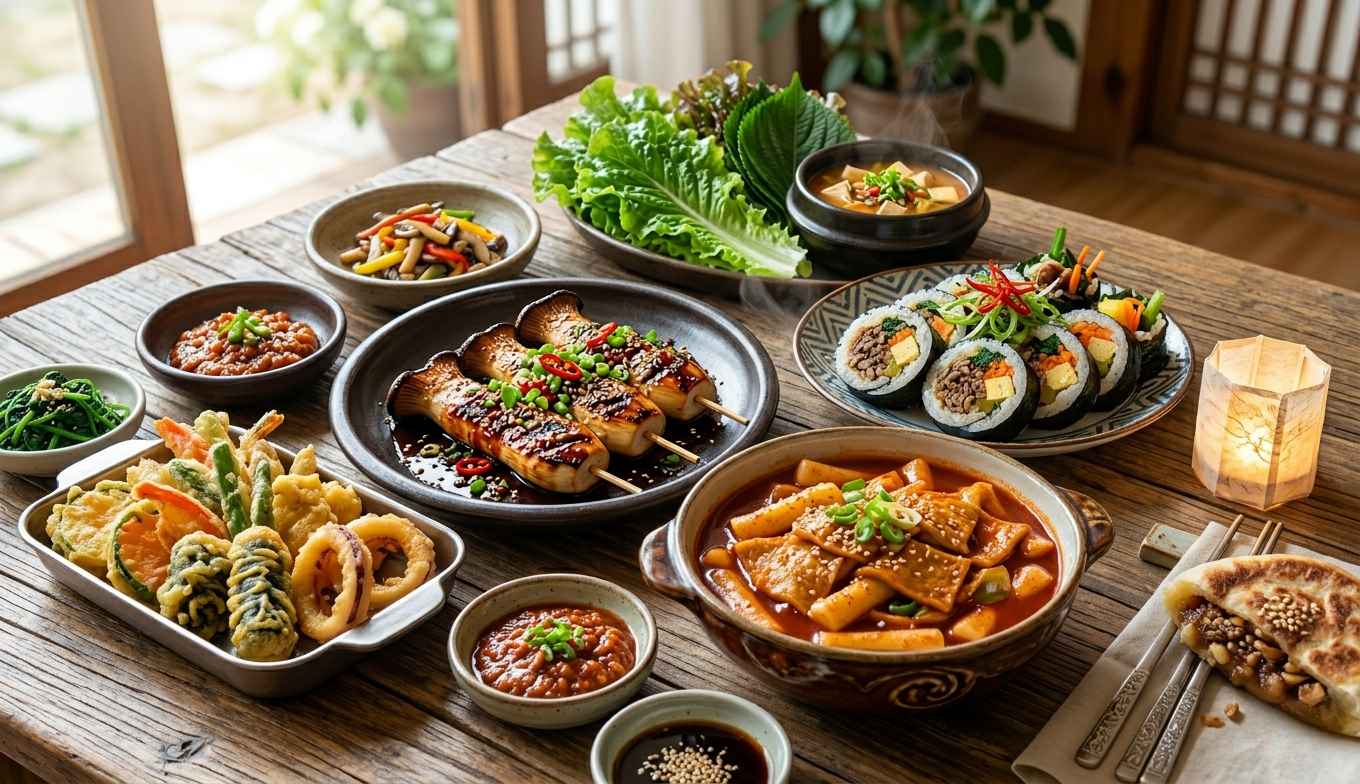
Korean street food has always been a cornerstone of its culinary identity, offering accessible and deeply satisfying flavors. This year, the focus is on elevating these beloved classics. While the essential elements of tteokbokki (spicy rice cakes), hotteok (sweet pancakes), and kimbap remain popular, there's a growing trend towards more refined presentations and premium ingredients. Food stalls and casual eateries are experimenting with gourmet toppings, artisanal sauces, and innovative ingredient combinations. This elevates the humble street food experience into something more akin to a culinary adventure, allowing diners to explore nuanced flavors and textures within a relaxed setting.
The Art of Fermentation Beyond Kimchi
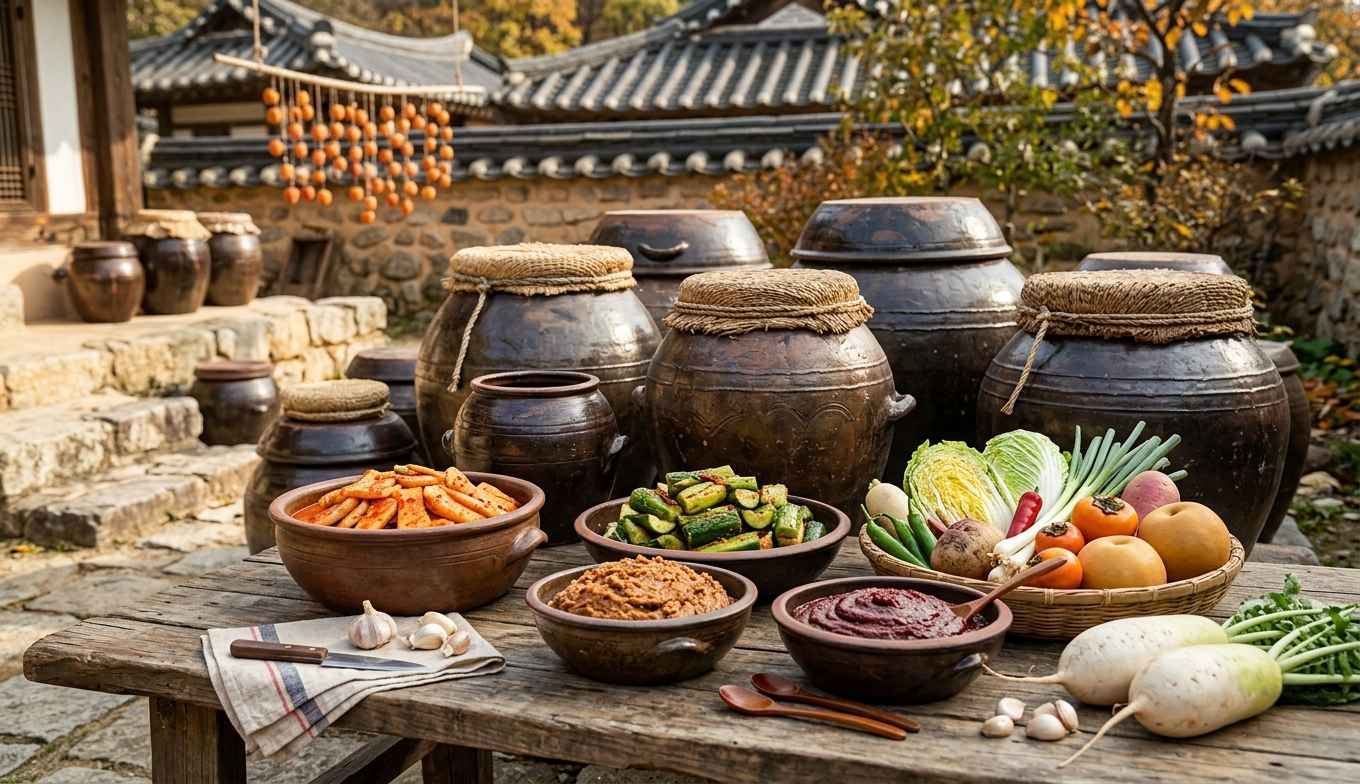
While kimchi is undeniably the queen of Korean fermented foods, this year highlights a deeper appreciation for the broader world of fermentation. Chefs and home cooks alike are exploring a wider range of fermented ingredients and techniques. Traditional fermented pastes like doenjang (soybean paste) and gochujang (chili paste) are being used in more nuanced ways, adding depth and umami to a variety of dishes. Beyond these staples, there's a growing interest in fermented vegetables beyond cabbage, such as radish, cucumber, and even fruits, offering unique flavor profiles and probiotic benefits. This renewed focus on fermentation underscores the Korean commitment to health and the complex, nuanced flavors that can be achieved through time and careful cultivation.
A Focus on Health and Wellness
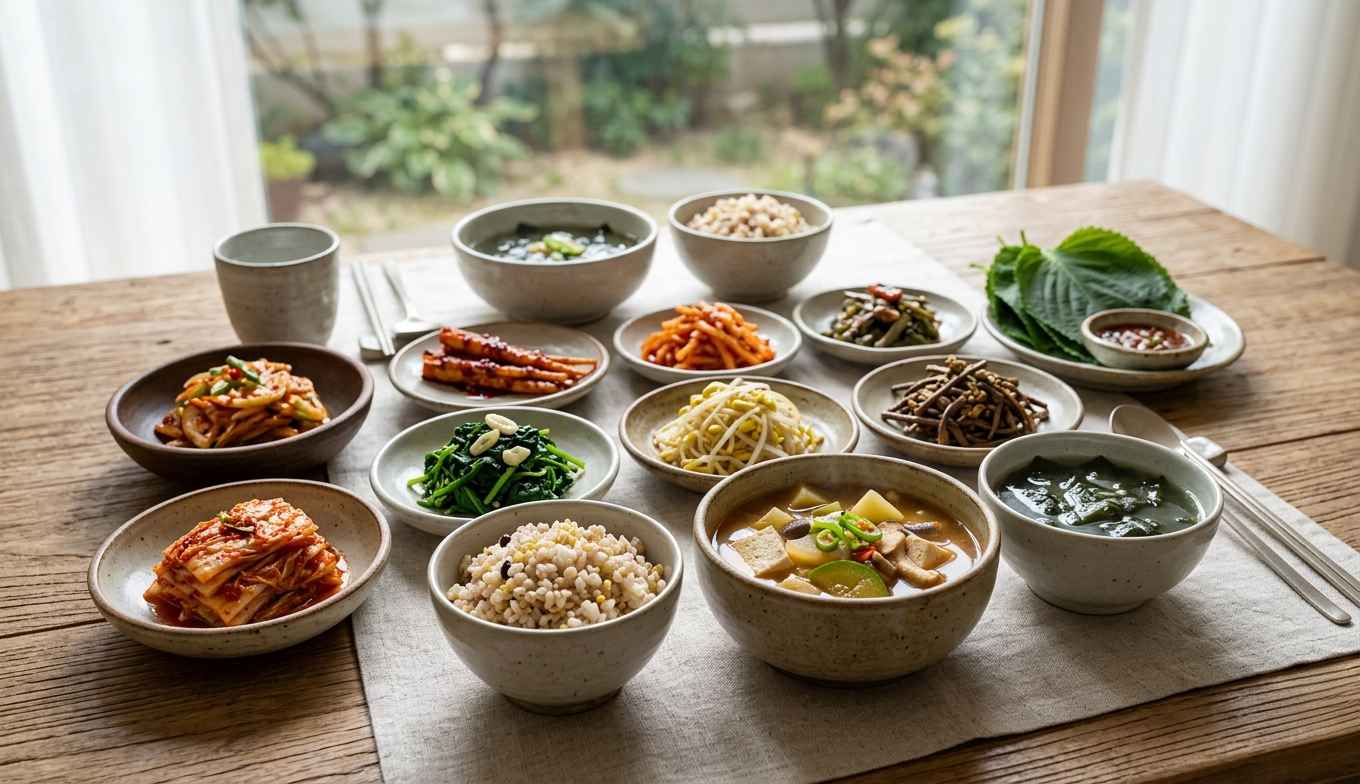
Korean cuisine has always been inherently health conscious, with a strong emphasis on fresh ingredients, balanced nutrition, and the therapeutic qualities of many dishes. This trend is gaining even more momentum this year, with a particular focus on gut health and natural wellness. Fermented foods, rich in probiotics, are at the forefront, alongside dishes that utilize medicinal herbs and ingredients known for their health benefits. Expect to see more emphasis on lighter, broth based soups, nutrient dense banchan, and dishes that are both nourishing and delicious. The Korean approach to food as medicine is resonating strongly with those seeking a holistic approach to their well-being.
The Korean food landscape in 2024 is a vibrant testament to its rich culinary heritage and its forward thinking spirit. From the innovative plant-based creations to the exciting fusion of global flavors, there's an endless world of taste to explore. These trends not only cater to evolving dietary preferences and wellness goals but also celebrate the inherent deliciousness and cultural significance of Korean cuisine. Embark on a culinary adventure this year and discover the exciting new dimensions of Korean food that are sure to delight and inspire.

Most Popular










Anaya
comment1