



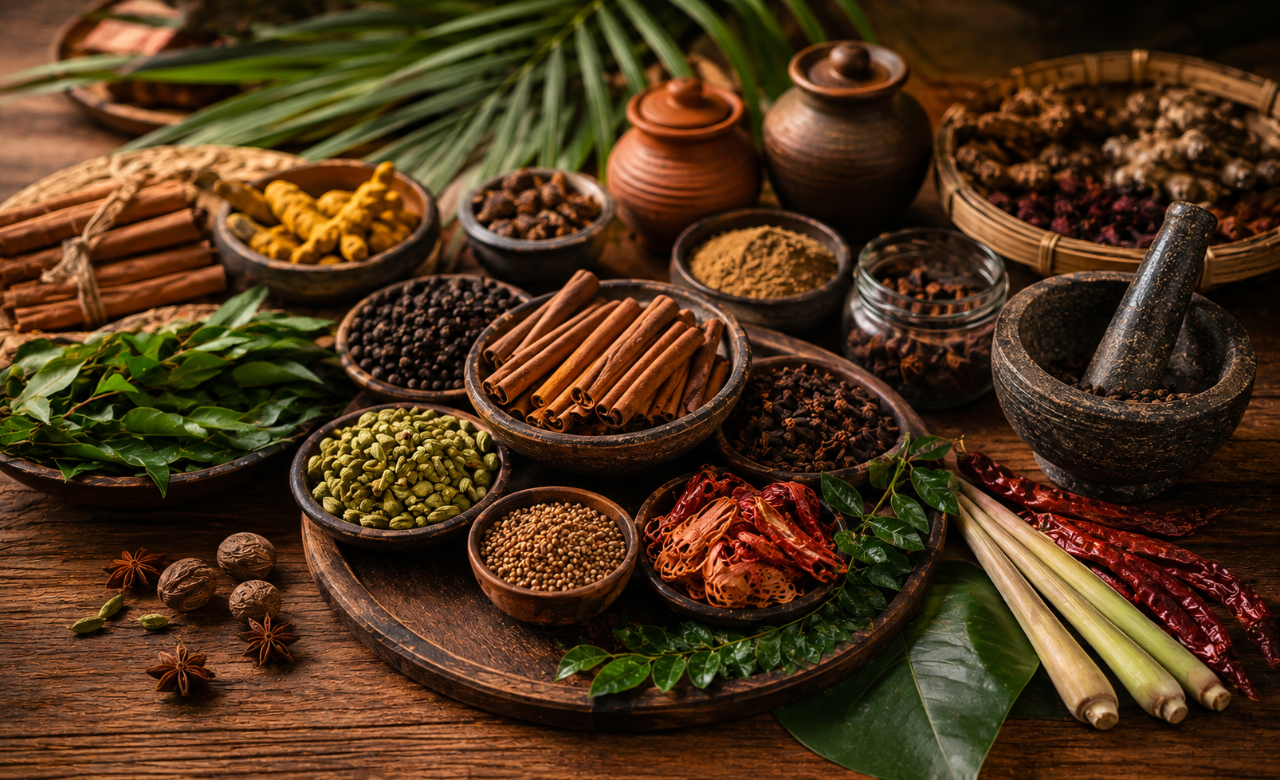
Sri Lanka, often referred to as the "Pearl of the Indian Ocean," has a history deeply intertwined with the trade of aromatic spices. For centuries, its lush landscapes have been a cradle for some of the world's most prized ingredients, shaping not only its own vibrant cuisine but also influencing culinary traditions across the globe. This journey from the fertile soils of Ceylon to the kitchens of discerning food lovers is a testament to the island's rich biodiversity and the enduring legacy of its spice trade.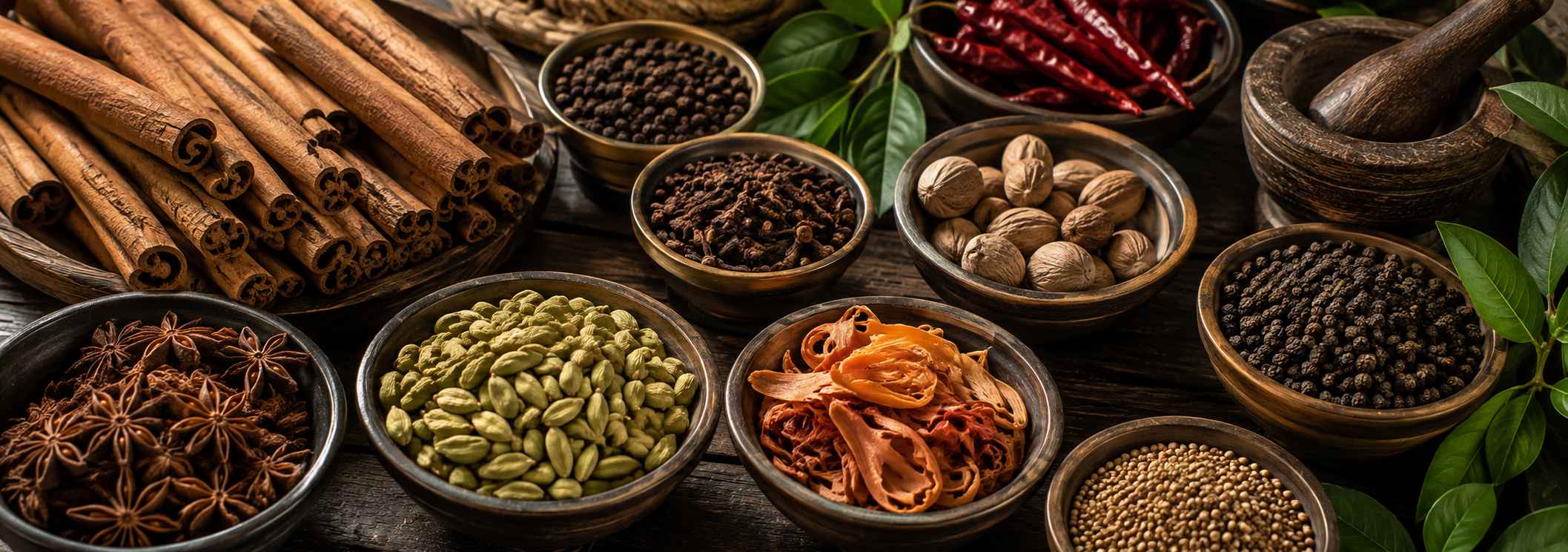
The Allure of Sri Lankan Spices
The culinary landscape of Sri Lanka is a vibrant tapestry woven with the threads of its indigenous spices. Cinnamon, perhaps the most famous export, originated here, prized for its delicate sweetness and warm aroma. But the island's bounty extends far beyond this singular star. Cardamom, cloves, nutmeg, mace, and black pepper are cultivated with meticulous care, each contributing a distinct note to the complex flavor profiles of Sri Lankan dishes. These spices are not merely additions; they are the soul of the cuisine, providing depth, warmth, and a characteristic pungency that awakens the palate.
Exploring Unique Sri Lankan Ingredients
While the globally recognized spices are fundamental, Sri Lanka also offers unique ingredients that add an unparalleled dimension to its food. Curry leaves, with their distinctive citrusy fragrance, are an indispensable element in almost every savory dish. Lemongrass lends a bright, zesty note, while the fiery kick of various chili varieties, including the distinctively smoky and slightly sweet Ceylon chili, provides a welcome heat. The subtle earthy notes of goraka, a souring agent, add a unique tang to curries and seafood preparations, offering an alternative to tamarind and lemon.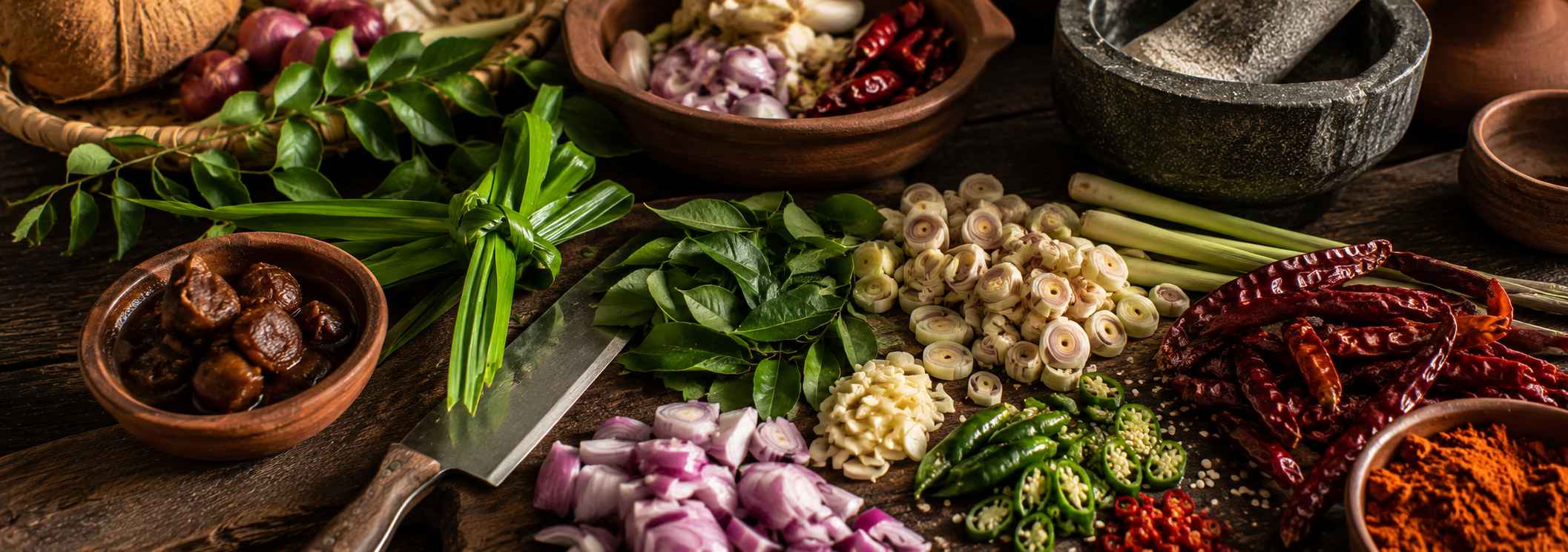
Traditions Passed Down Through Generations
The art of using these spices is a tradition passed down through generations in Sri Lanka. Home cooks and professional chefs alike possess an innate understanding of how to balance these powerful flavors. The preparation of a traditional Sri Lankan curry is an elaborate process, often involving the slow roasting and grinding of whole spices to unlock their full aroma and taste. This dedication to traditional techniques ensures that the authentic essence of the ingredients is preserved, creating dishes that are both comforting and exhilarating.
From Island Kitchens to International Tables
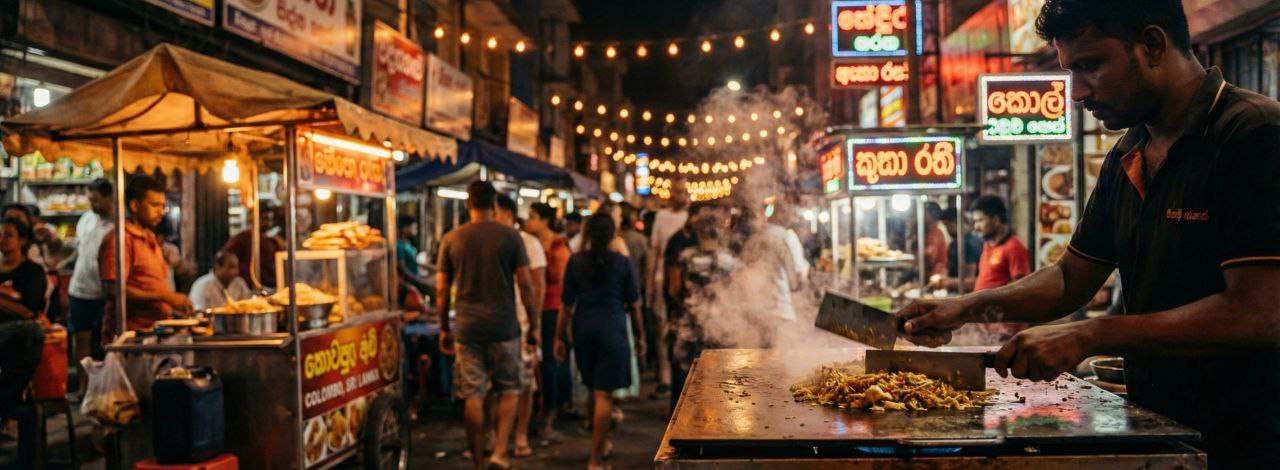
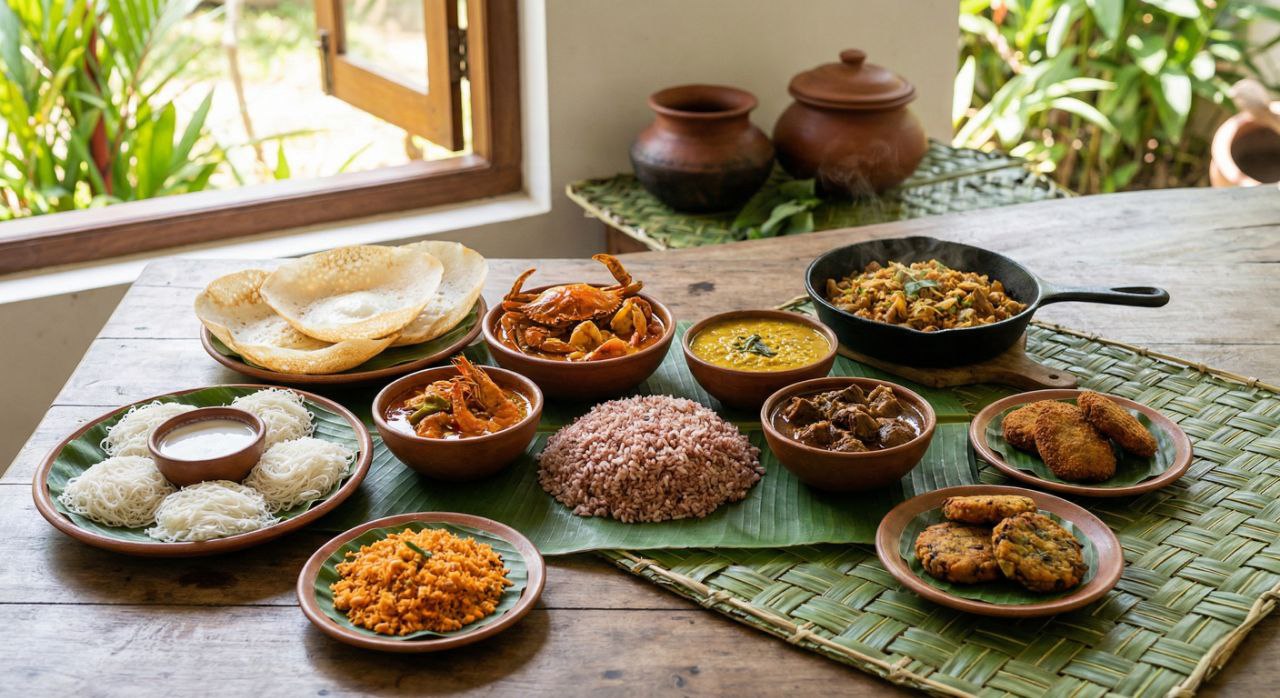
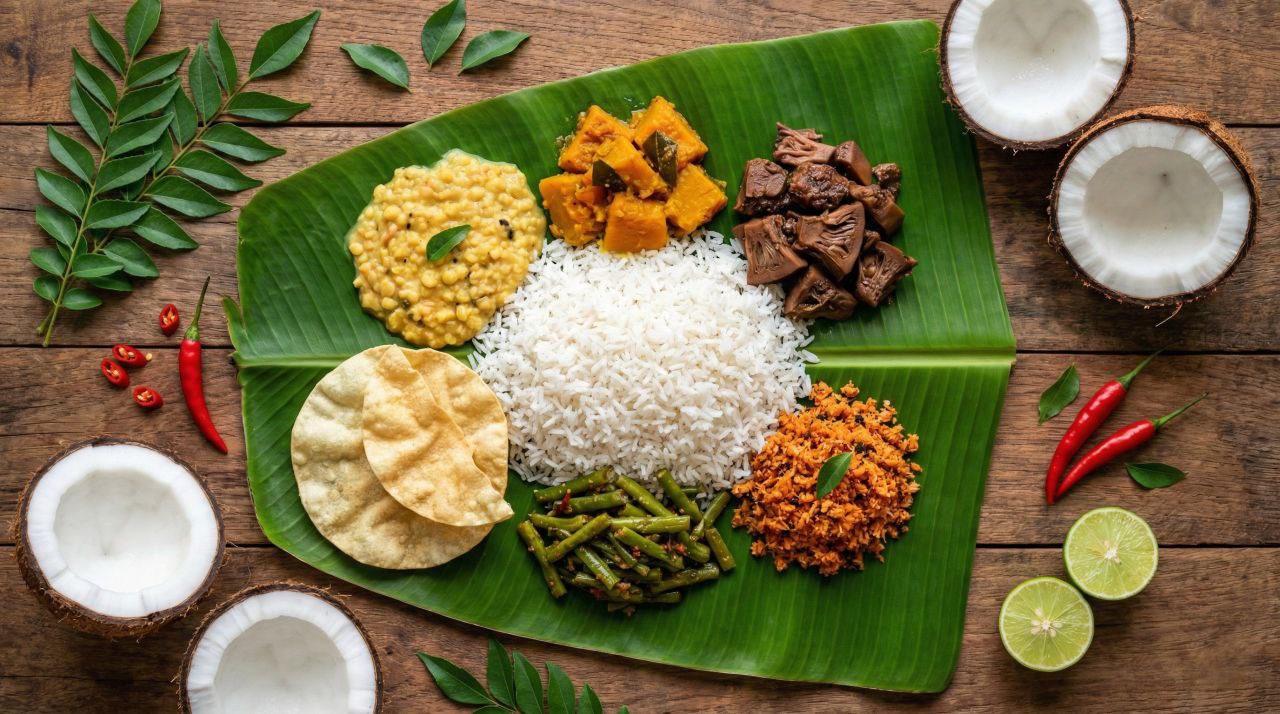
The influence of Sri Lankan spices has transcended its borders. The iconic "curry" that is enjoyed worldwide owes a significant debt to the spice blends and techniques developed in regions like Sri Lanka. The complex aromas and nuanced flavors of dishes like dhal, sambols, and kottu roti have captivated palates globally. Today, Sri Lankan restaurants and home cooks are increasingly sharing their culinary heritage, introducing a wider audience to the authentic taste of the island, enriched by its extraordinary spices.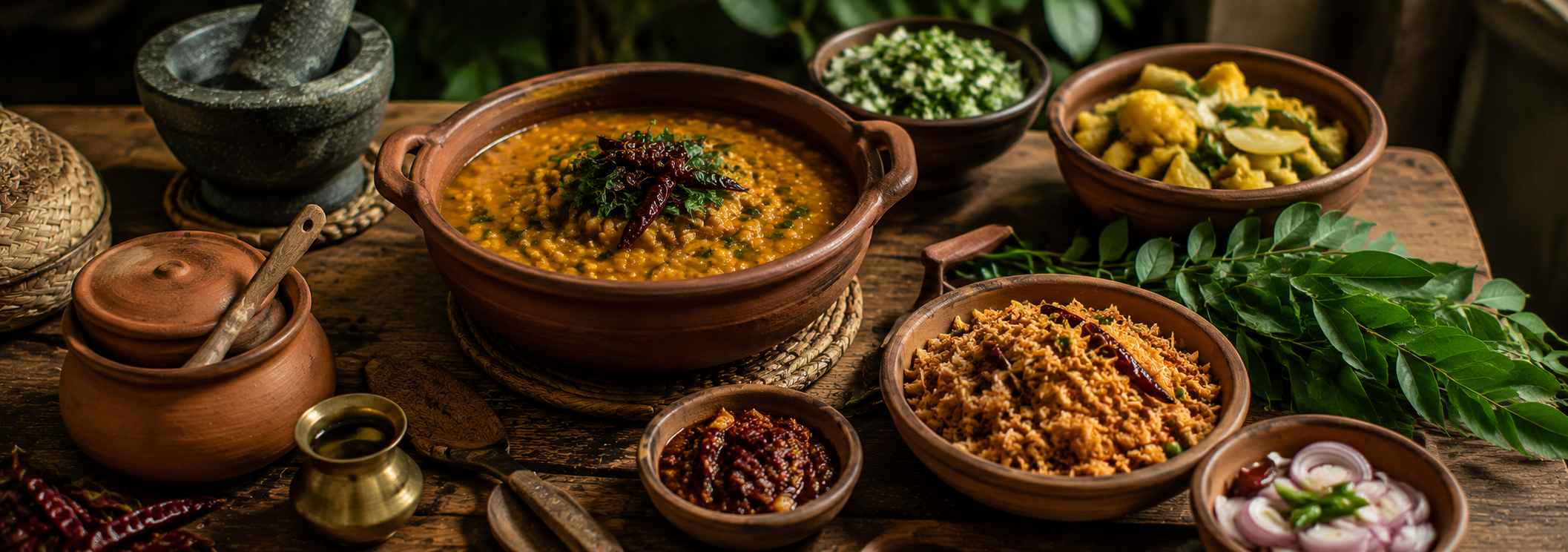
Bringing Sri Lanka's Flavors Home
For those eager to explore this vibrant culinary world, the journey begins with sourcing high-quality Sri Lankan spices. Look for whole spices whenever possible, as they retain their flavor and aroma for longer. Experiment with traditional recipes, paying attention to the method of spice preparation. Don't be afraid to experiment; even small additions of cinnamon or curry leaves can transform everyday dishes. By embracing the flavors of Ceylon, you can bring a piece of this enchanting island's culinary soul to your own table.
Most Popular









Anaya
comment1