



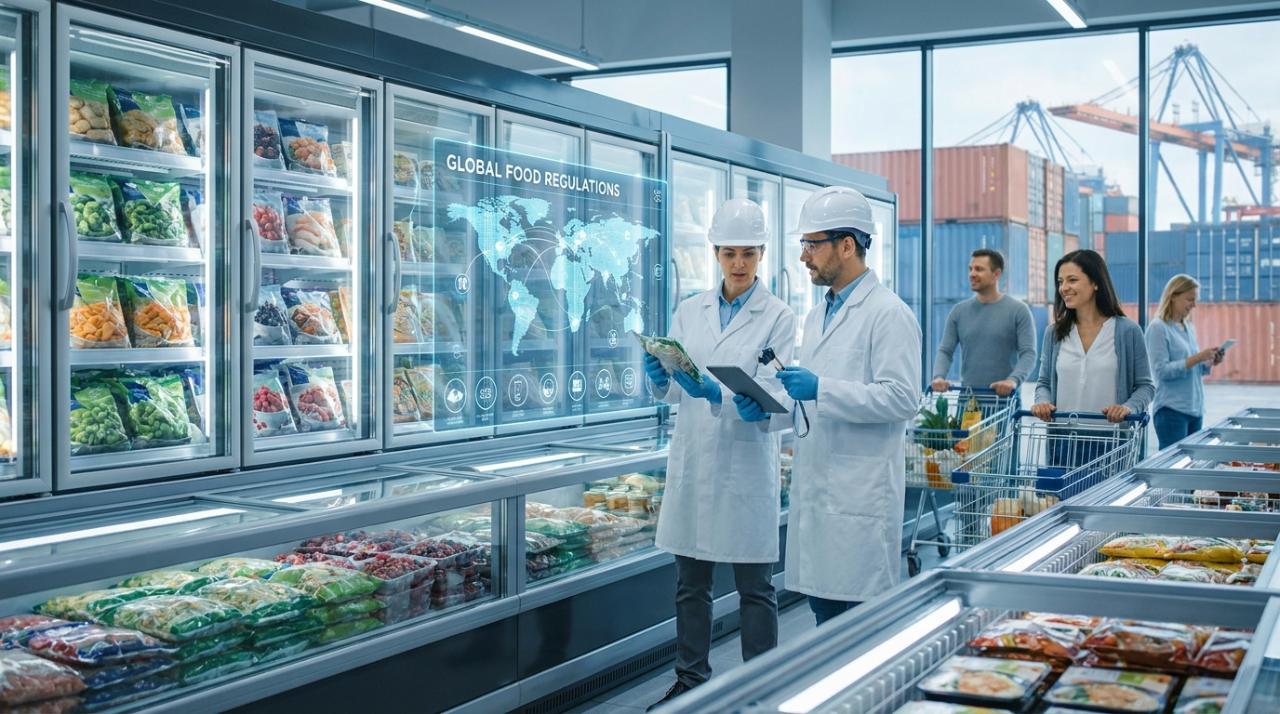
Frozen foods remain one of the most popular food categories worldwide, offering convenience, affordability, and longer shelf life. However, 2025 and 2026 have seen increased scrutiny from food safety authorities due to contamination incidents, import violations, and large-scale recalls affecting frozen vegetables, seafood, fruits, and ready-to-eat meals.
While headlines often describe these actions as "bans," many cases involve recalls, import restrictions, or temporary market withdrawals rather than permanent prohibitions. Nevertheless, these actions highlight the growing focus on food safety and supply-chain transparency across international markets.
As governments tighten regulations and consumers become more aware of the risks of foodborne illness, understanding the reasons behind frozen food restrictions has never been more important.
Why Are Frozen Foods Being Banned or Recalled?
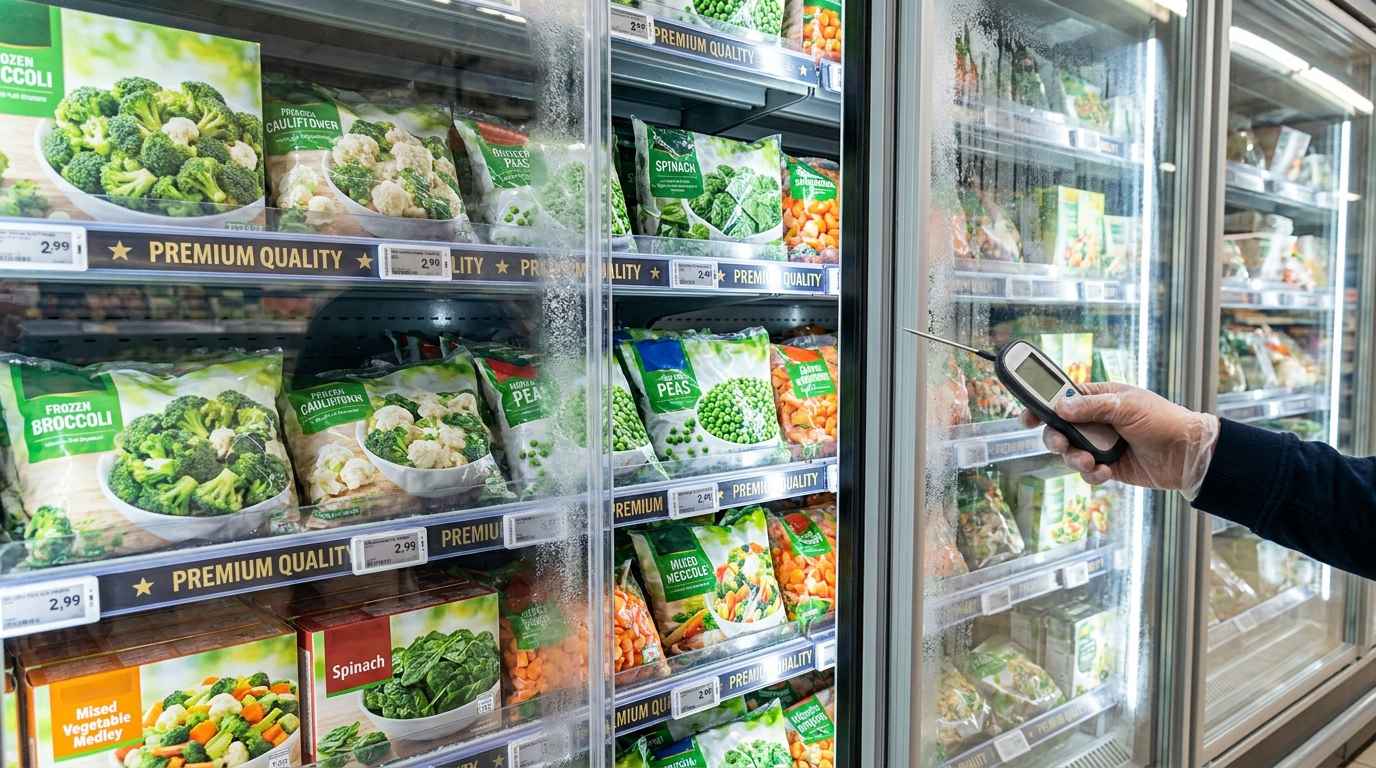
Many consumers assume freezing eliminates harmful bacteria. In reality, freezing slows bacterial growth but does not necessarily kill dangerous pathogens. Organizations, including the WHO, continue to study how frozen storage affects food safety and pathogen survival. (World Health Organization)
The most common reasons frozen foods face restrictions include:
1. Listeria Contamination
Listeria monocytogenes remains one of the biggest concerns in frozen foods.
The bacteria can survive freezing temperatures and become active once food is thawed. It poses particular risks to:
- Pregnant women
- Elderly individuals
- Young children
- Immunocompromised people
Several frozen vegetable recalls in 2025 were linked to potential Listeria contamination discovered during routine testing. (U.S. Food and Drug Administration)
2. Salmonella Outbreaks
Salmonella continues to trigger recalls across international food markets.
In 2025, multiple frozen vegetable and fruit products were recalled after concerns over Salmonella contamination, while regulators advised consumers not to consume affected products. (U.S. Food and Drug Administration)
Symptoms may include:
- Fever
- Diarrhea
- Stomach cramps
- Nausea
- Vomiting
Severe cases can require hospitalization.
3. Chemical and Environmental Contaminants
Beyond bacterial contamination, regulators increasingly monitor frozen foods for:
- Pesticide residues
- Heavy metals
- Veterinary drug residues
- Environmental contaminants
For example, frozen shrimp products were recalled in 2025 because of concerns regarding possible radionuclide contamination. (U.S. Food and Drug Administration)
Authorities in several countries have also taken action against imported frozen products containing pesticide residues above legal limits. (Reddit)
4. Foreign Material Contamination
Food recalls are not always linked to microbes.
In early 2026, millions of pounds of frozen meal products were recalled after reports of possible glass contamination, leading to one of the most serious recall classifications. (Good Housekeeping)
Foreign materials may include:
- Glass fragments
- Plastic pieces
- Metal particles
- Packaging debris
Major Frozen Food Safety Incidents in 2025–2026
Frozen Vegetables
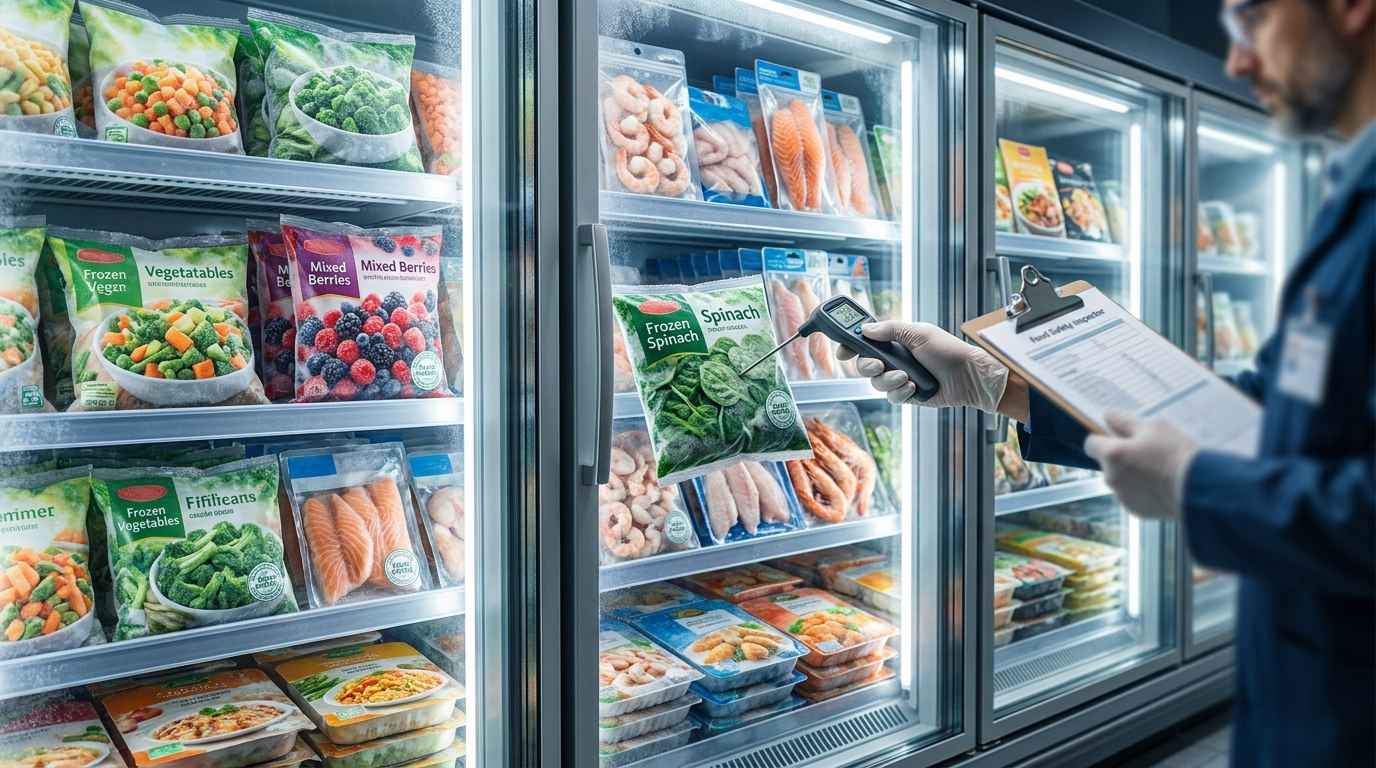
Frozen vegetables have been among the most frequently recalled frozen food categories.
Several recalls involved products testing positive for Listeria monocytogenes, including frozen peas, carrots, spinach, and mixed vegetables. Regulatory agencies instructed consumers not to consume affected products and to return or discard them. (U.S. Food and Drug Administration)
Frozen Fruits
Frozen fruit products, including berries and fruit mixes, have also faced recalls.
In 2026, tens of thousands of pounds of frozen blueberries were recalled due to potential Listeria contamination concerns. (Reddit)
Frozen Ready Meals
Prepared frozen meals have become a growing focus for regulators.
A major 2025 outbreak investigation linked frozen and ready-to-eat pasta meals to Listeria infections that resulted in numerous hospitalizations and fatalities. (U.S. Food and Drug Administration)
Frozen Seafood
Frozen seafood imports continue to undergo strict testing due to concerns regarding contaminants, antibiotics, and supply-chain integrity. Regulatory actions involving frozen shrimp products demonstrate the importance of international inspection programs. (U.S. Food and Drug Administration)
New International Regulations Affecting Frozen Foods
Enhanced Traceability Requirements
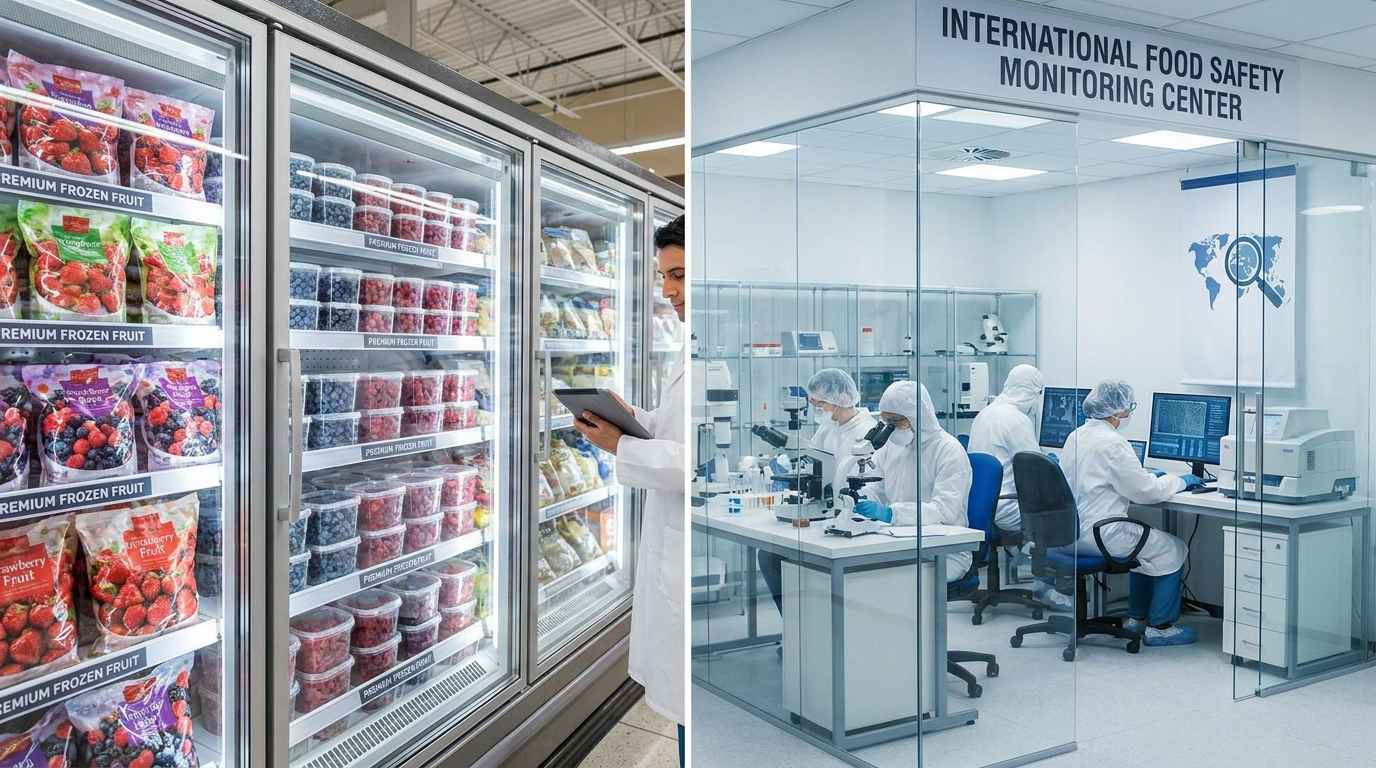
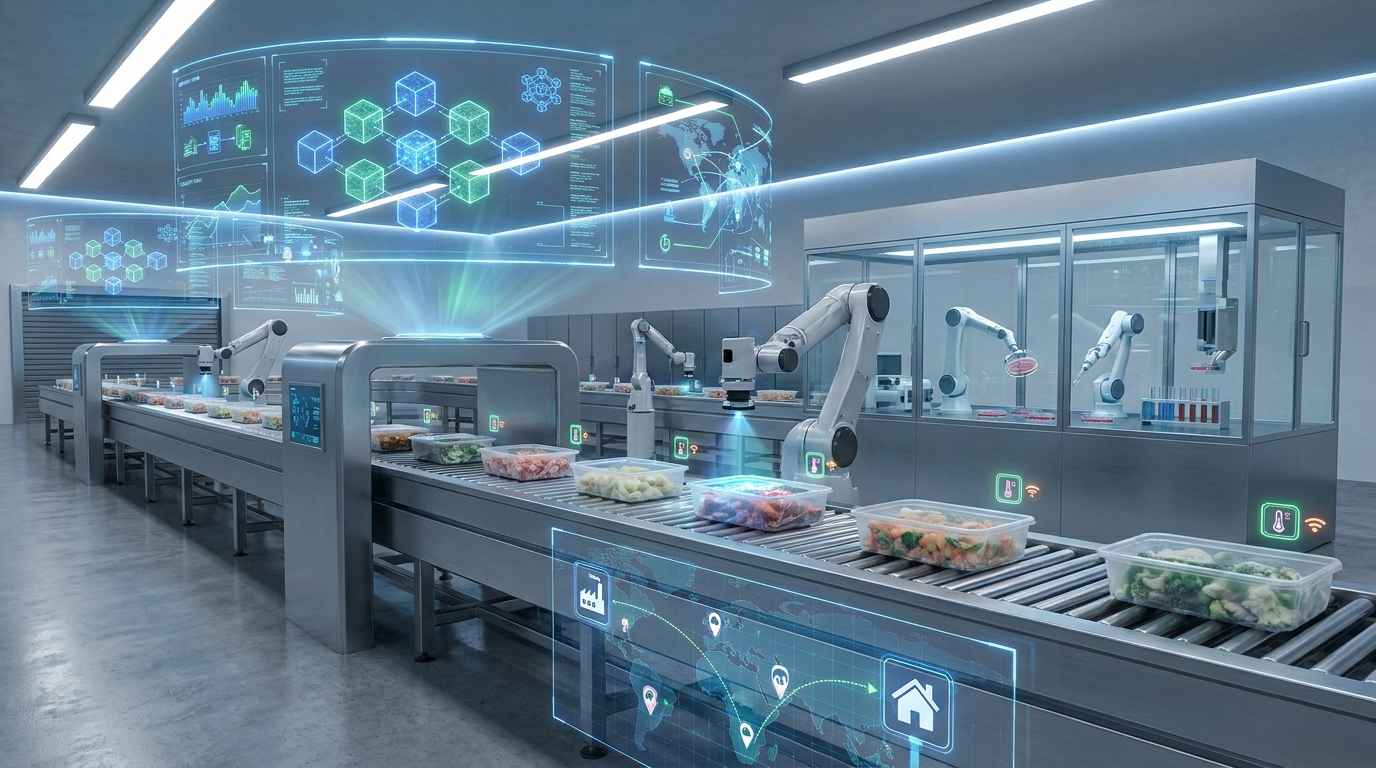
Food authorities worldwide are investing in improved traceability systems.
Modern tracking technologies allow regulators to:
- Identify contamination sources faster
- Reduce outbreak response times
- Improve recall effectiveness
- Increase supply-chain transparency
Stricter Labeling Standards
Many jurisdictions have strengthened frozen food labeling requirements.
European regulations require specific information, including:
- Storage instructions
- Allergen declarations
- Date markings
- Country-of-origin information for certain products
- Freezing dates for designated frozen foods (Food Safety)
These requirements help consumers make safer purchasing decisions.
Increased Testing of Imported Foods
Governments are conducting more aggressive screening of imported frozen products.
Testing frequently targets:
- Pathogens
- Chemical residues
- Contaminants
- Mislabeling issues
This trend is expected to continue throughout 2026.
Are Frozen Foods Still Safe?
The answer is yes.
Despite recent recalls and restrictions, the overwhelming majority of frozen foods remain safe when:
- Produced under approved food safety systems
- Stored at recommended temperatures
- Transported through an uninterrupted cold chain
- Properly cooked before consumption
Food safety agencies routinely monitor products and issue recalls specifically to prevent widespread illness.
In many cases, recalls demonstrate that safety systems are functioning as intended rather than indicating systemic danger.
How Consumers Can Protect Themselves
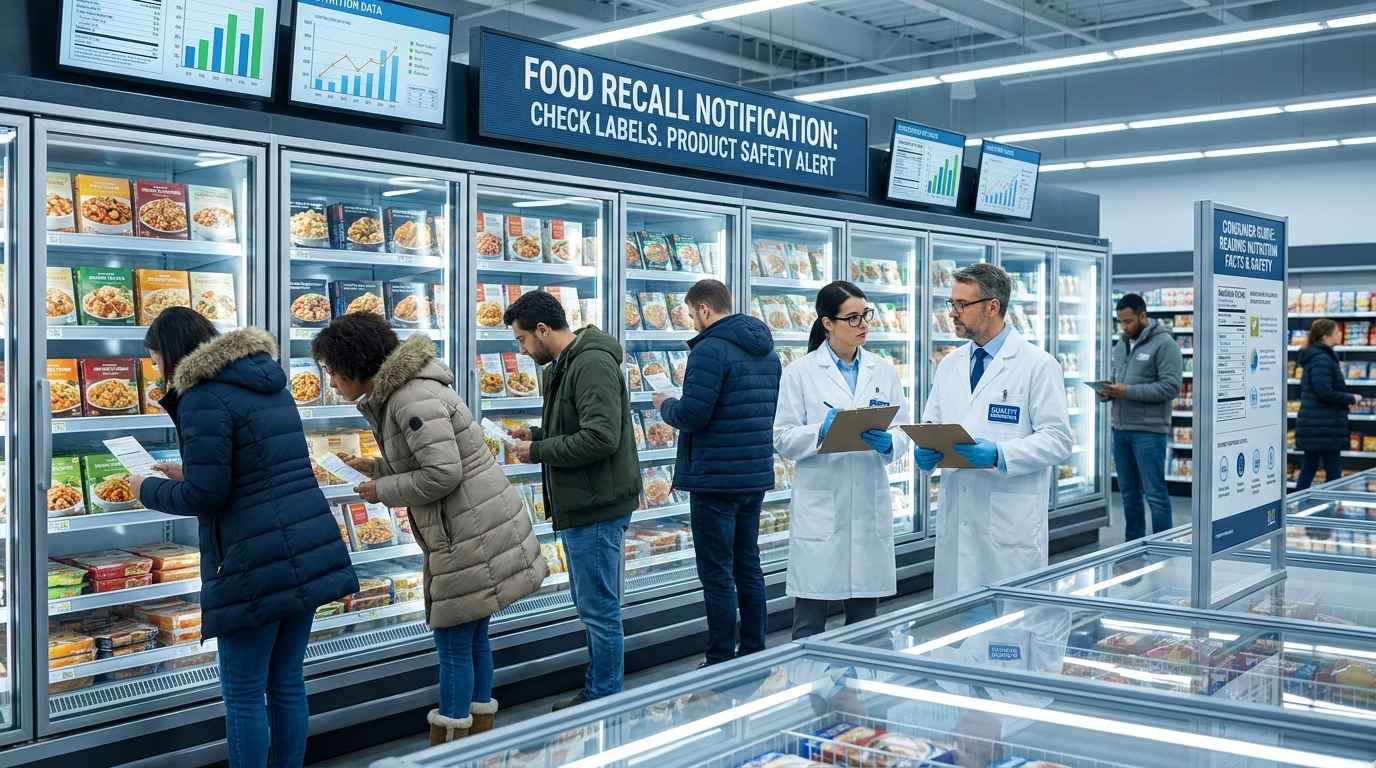
Check Recall Notices Regularly
Consumers should monitor announcements from:
- FDA
- EFSA
- FSA
- CFIA
- Local food safety authorities
Many recalls are identified before illnesses occur. (U.S. Food and Drug Administration)
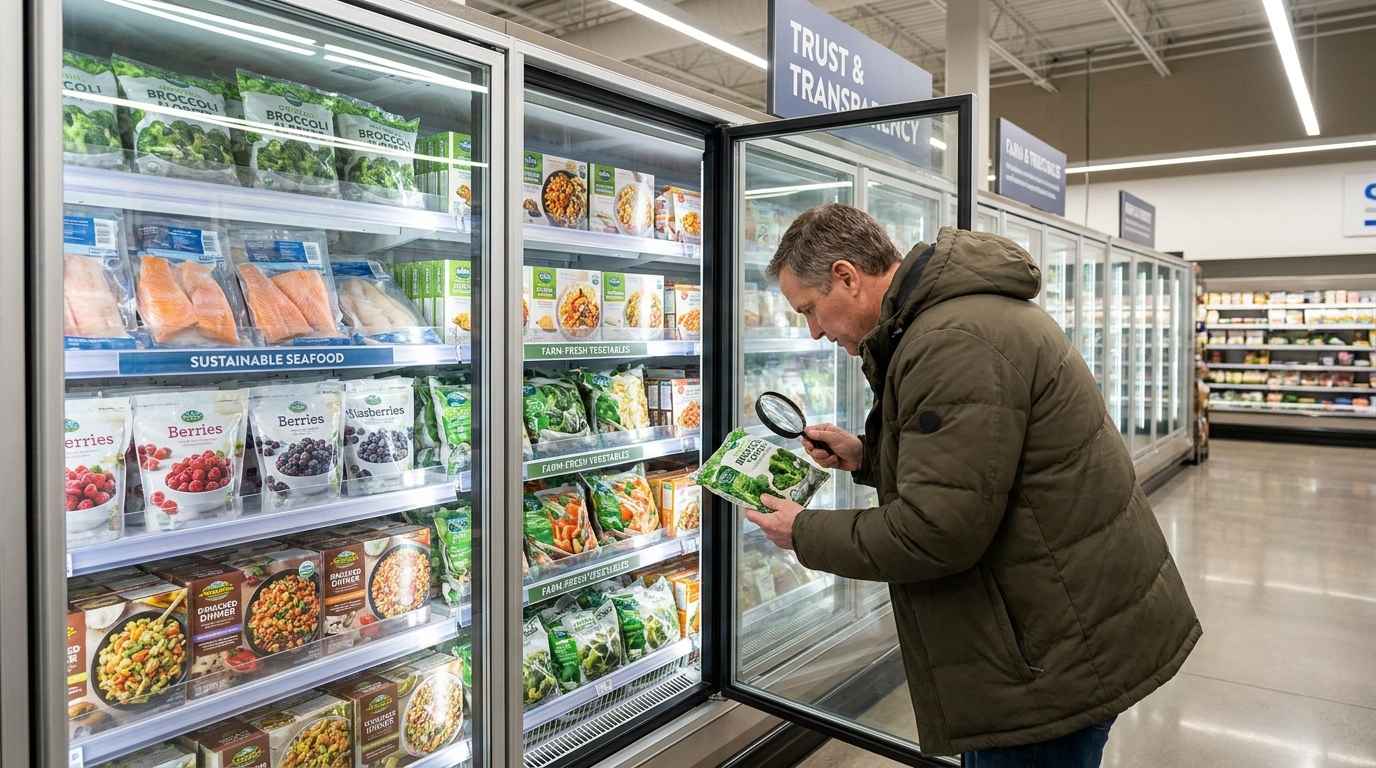
Inspect Packaging
Avoid products with:
- Damaged packaging
- Signs of thawing
- Excessive ice crystals
- Broken seals
Maintain Proper Freezer Temperatures
Food safety guidance continues to recognize -18°C (0°F) as the standard temperature for frozen food storage and distribution. (World Health Organization)
Follow Cooking Instructions
Many frozen products require cooking to ensure internal temperatures are safe.
Consumers should never assume frozen foods are ready to eat unless clearly labeled as such.
The Future of Frozen Food Safety
The frozen food industry is entering a new era of regulation and transparency.
Emerging technologies include:
- Blockchain traceability
- AI-powered quality control
- Smart packaging
- Real-time temperature monitoring
- Automated contamination detection
These innovations aim to reduce foodborne illness risks while improving consumer confidence.
As international regulators continue strengthening oversight, manufacturers will face greater expectations regarding safety, quality, and transparency.
Recent international restrictions and recalls involving frozen foods have highlighted important food safety challenges, including Listeria contamination, Salmonella outbreaks, chemical residues, and labeling compliance. However, these incidents should not discourage consumers from purchasing frozen foods altogether.
Instead, they demonstrate how modern food safety systems identify risks, remove potentially unsafe products from the market, and protect public health. By staying informed, checking recall notices, and following proper food handling practices, consumers can continue enjoying the convenience and nutritional benefits of frozen foods with confidence.
Most Popular










Anaya
comment1