



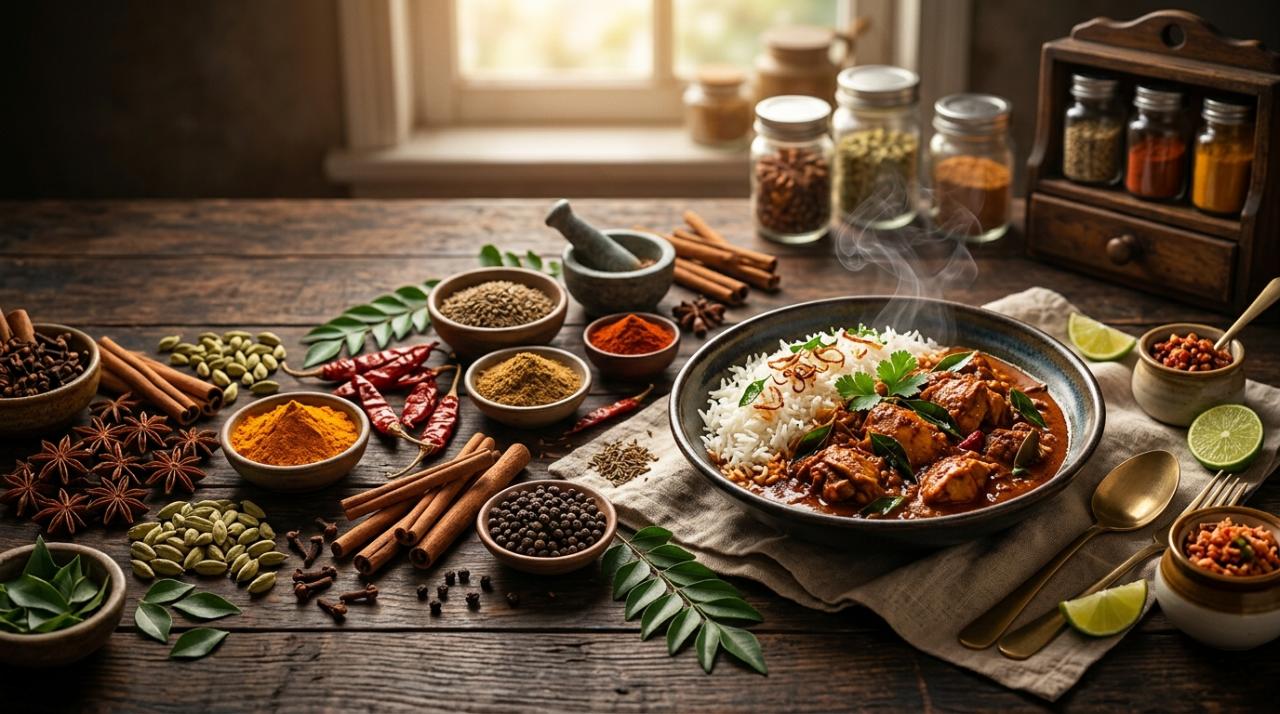
The Secret Ingredient to Unforgettable Meals
Ever found yourself craving a specific dish, not just for its taste, but for the flood of memories it brings back? That comforting aroma of your grandmother's curry, the zesty kick of a street food snack from your travels – these aren't just random sensations. They're deeply ingrained in our sensory experiences, and often, the unsung heroes behind these powerful connections are spices.
We often think of spices as just flavor enhancers, little additions to make food taste better. But their role goes far beyond that. Spices are an integral part of culinary heritage, weaving together culture, history, and personal experience. They are the storytellers on our plates, whispering tales of distant lands and cherished moments. Let's dive into why these fragrant powerhouses make our food so much more memorable.
The Power of Smell
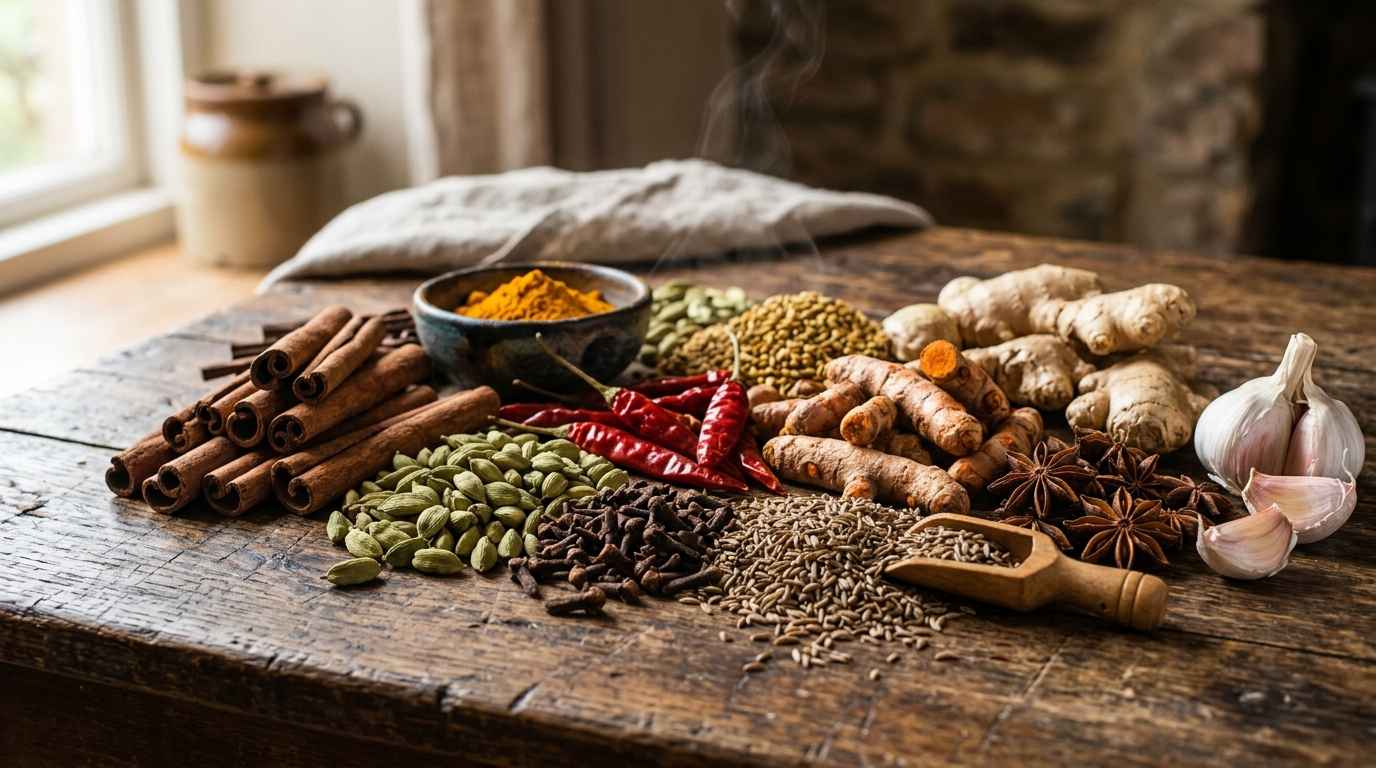
Our sense of smell is intimately linked to our memory. The olfactory bulb, the part of our brain that processes smells, has direct connections to the amygdala and hippocampus – the areas responsible for emotion and memory. This means that a particular scent can trigger an immediate emotional response and recall a specific event or feeling with remarkable clarity.
Think about it. The warm, earthy scent of cumin might transport you to a bustling Indian market. The sharp, invigorating aroma of ginger and garlic sizzling in a pan could remind you of family dinners. Even the subtle fragrance of cinnamon can evoke cozy winter evenings. These spice aromas create sensory bookmarks, allowing us to revisit those moments whenever we encounter them again.
The Complex Flavors of Spices
While aroma plays a huge role, the complex flavors that spices impart are equally crucial. Spices don't just add a single note; they add layers of taste. They can bring sweetness, heat, bitterness, pungency, and even an umami depth that transforms simple ingredients into something extraordinary.
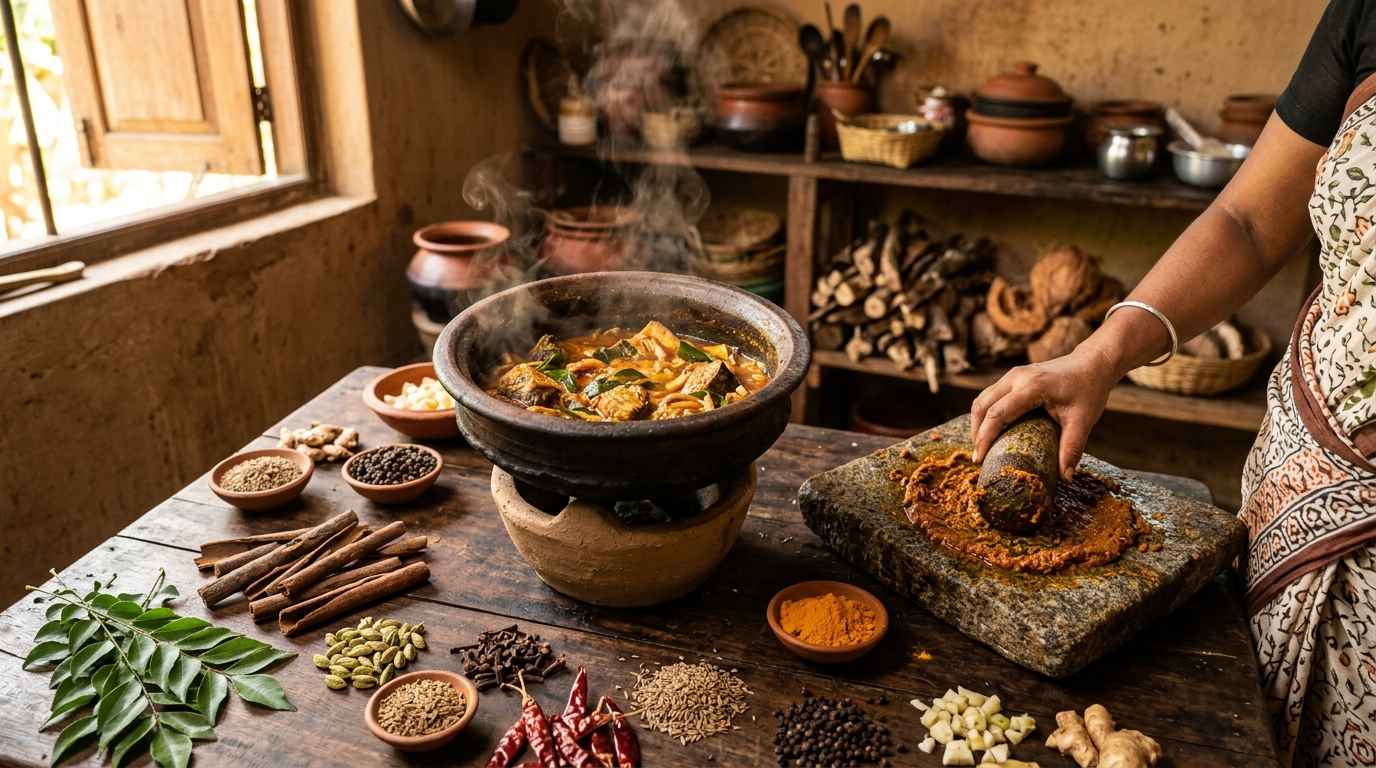
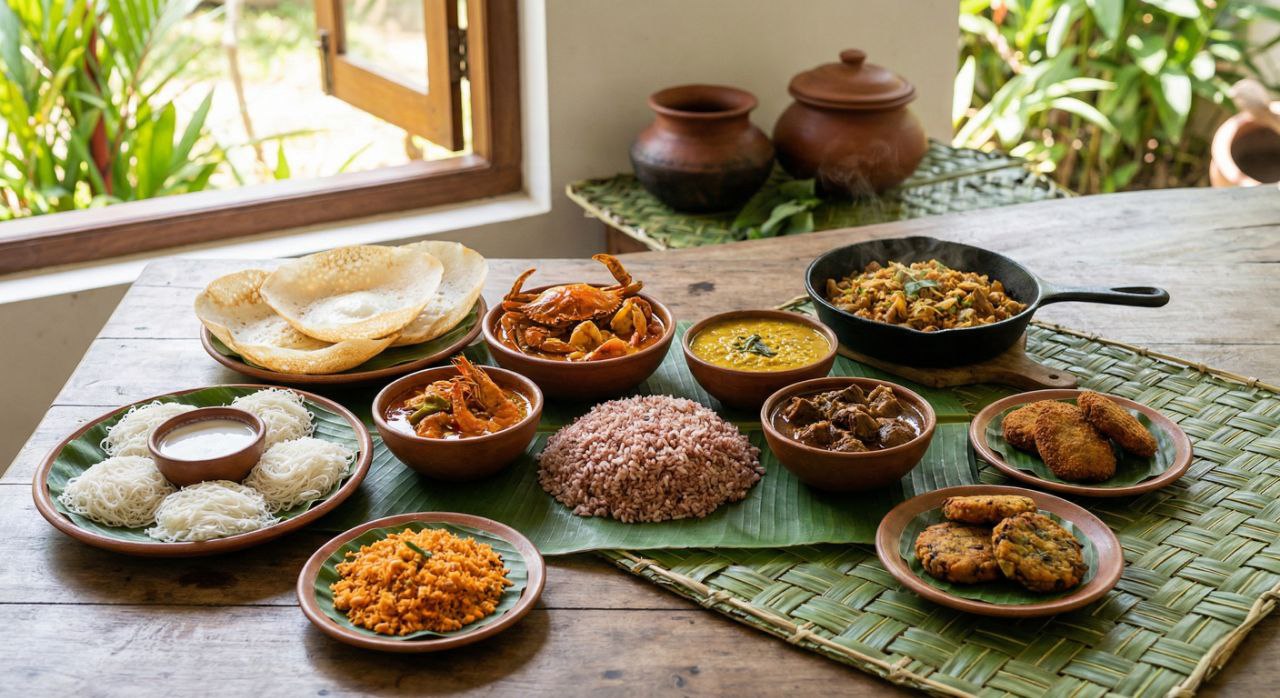
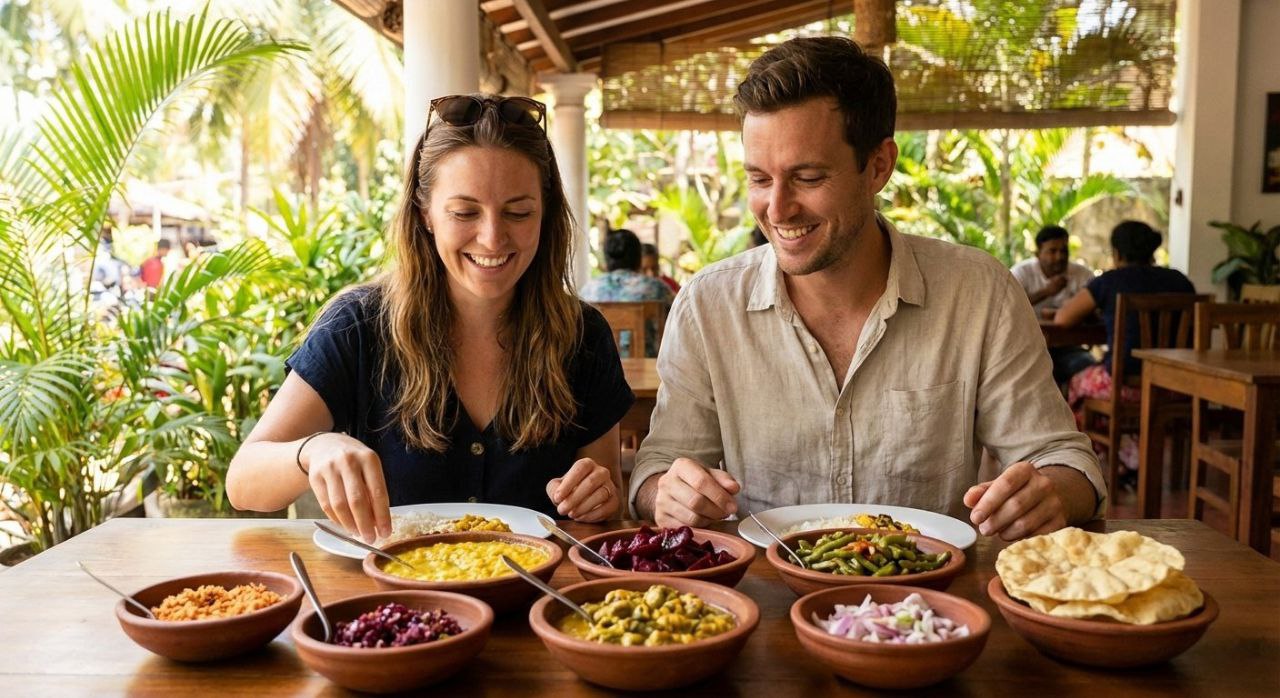
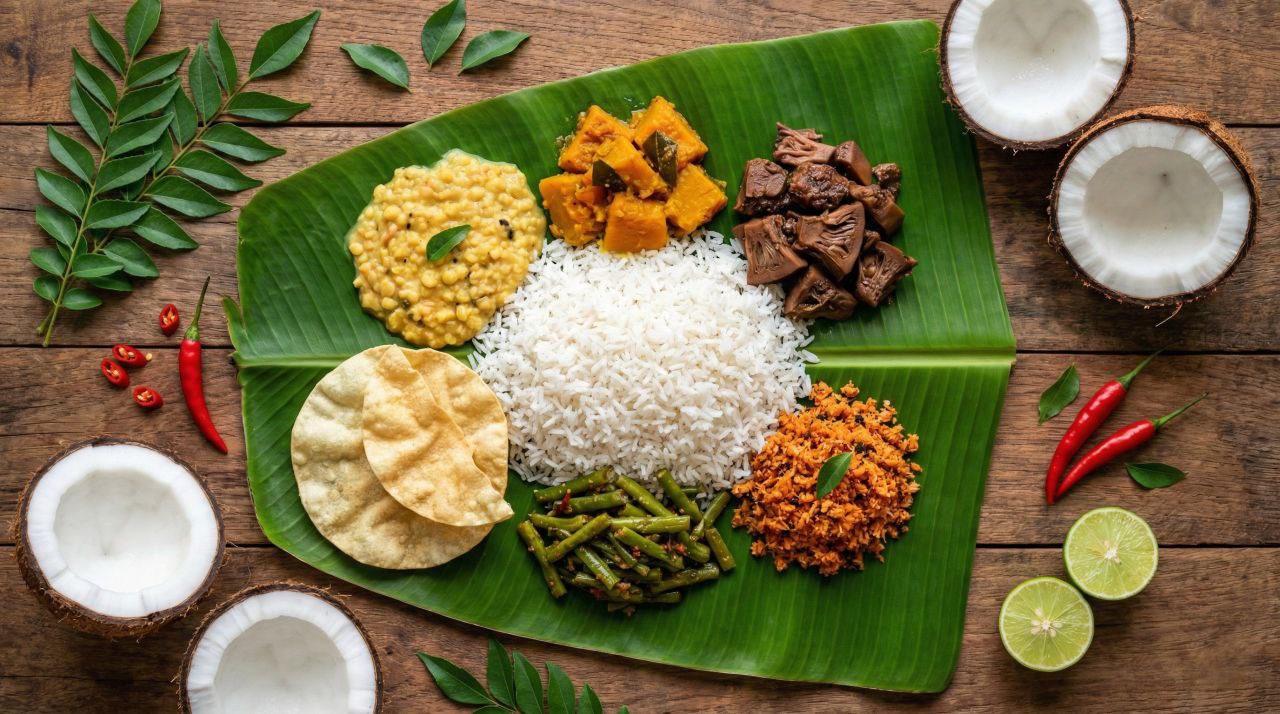
Consider the vibrant dance of flavors in Sri Lankan cuisine. The intricate blend of spices like cardamom, cloves, cinnamon, and chili isn't just about making a dish spicy or aromatic; it's about creating a symphony on the palate. Each bite offers a new sensation, a new nuance, making the entire eating experience more engaging and, consequently, more memorable. The complexity keeps us interested, and the satisfaction of a well-balanced flavor profile lingers long after the meal is over.
Cultural Threads Woven with Spices
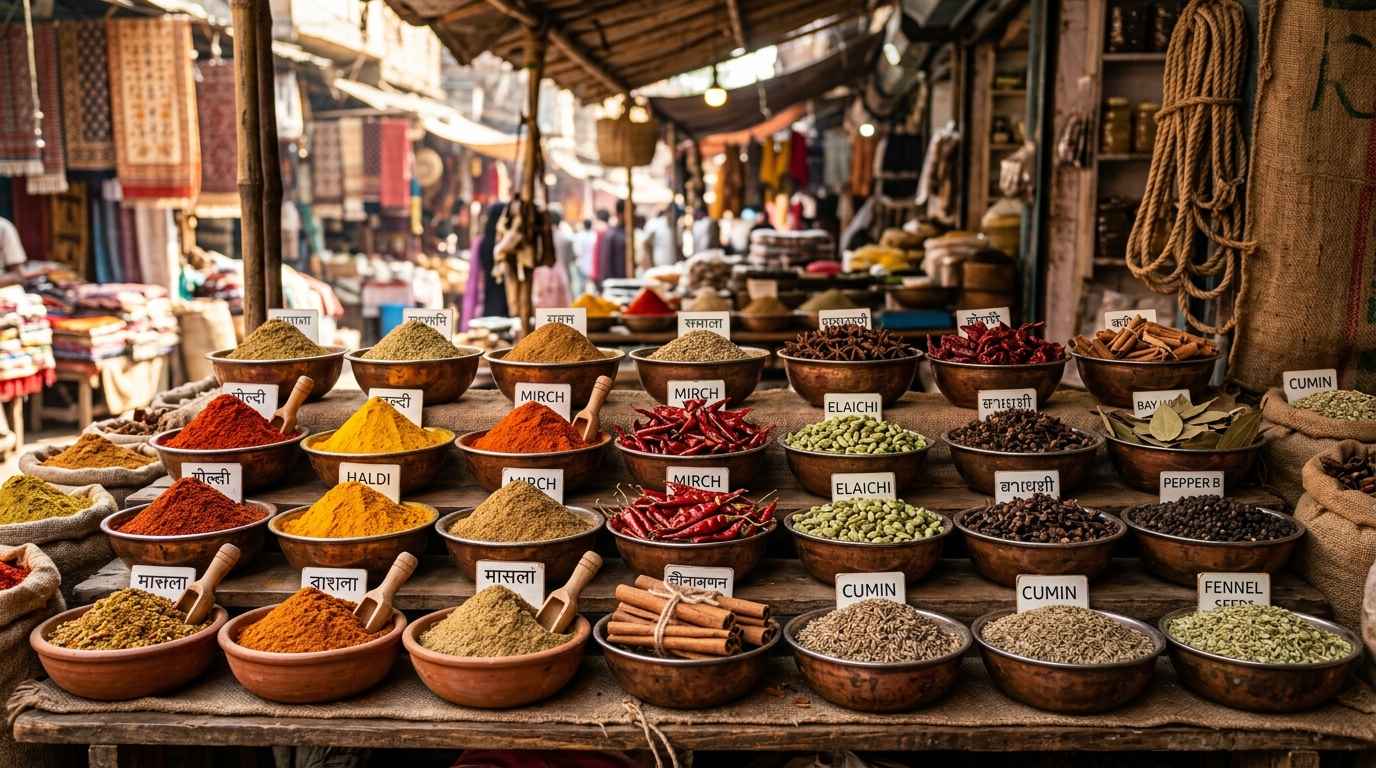
Spices have traveled the globe for centuries, shaping trade routes, influencing economies, and becoming the heart of diverse cuisines. They are more than just ingredients; they are cultural ambassadors. When you taste a dish seasoned with traditional spices, you're not just eating food; you're experiencing a piece of history and culture.
The use of specific spice blends in different regions tells a story of migration, conquest, and exchange. For instance, the prevalence of certain spices in Southeast Asian cooking reflects historical trade links with India and the Middle East. Embracing these spices in our cooking connects us to these global narratives and enriches our understanding of the world through food. This cultural connection adds a deeper layer of meaning to our meals, making them more than just sustenance.
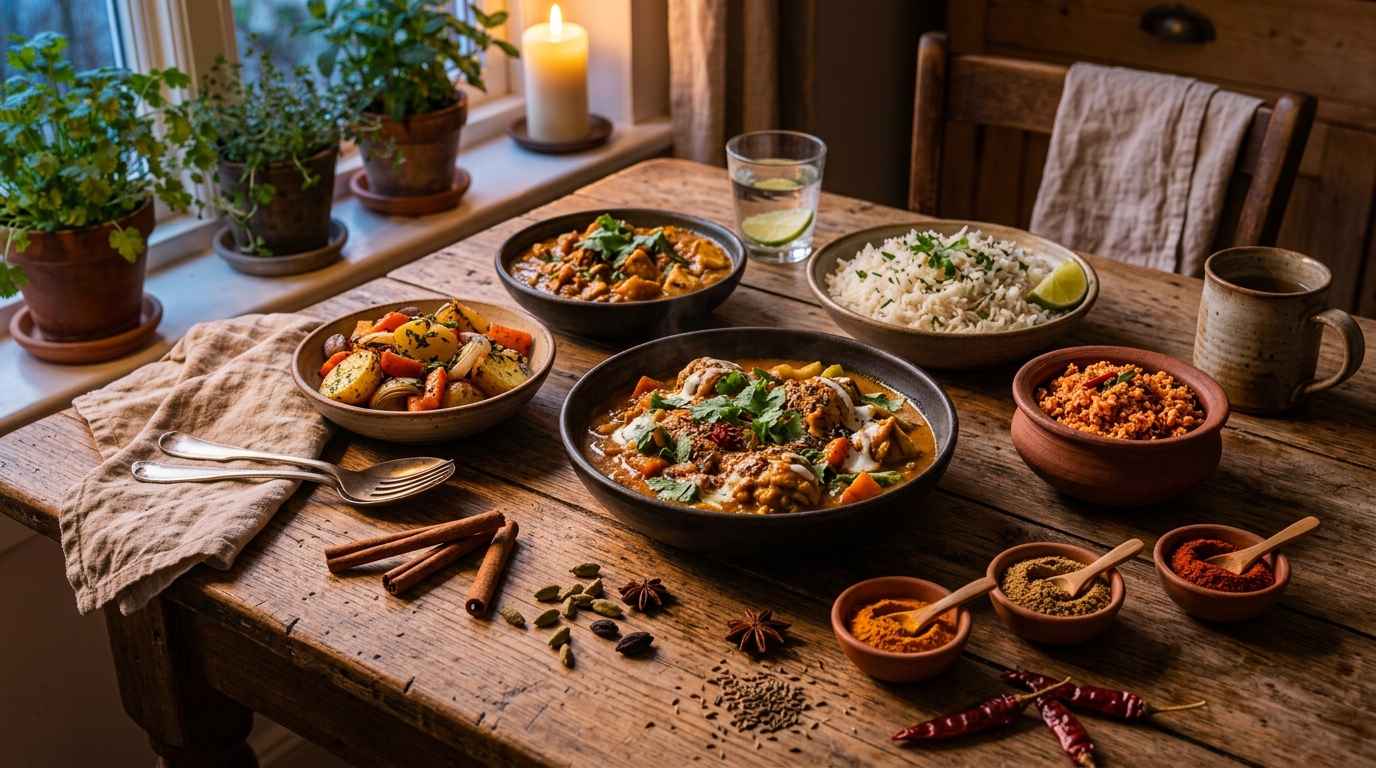
Creating Your Own Spice-Infused Memories
The good news is, you don't need to be a master chef to harness the memory-making power of spices. Start small! Experiment with adding a pinch of smoked paprika to your roasted vegetables, or a dash of cinnamon to your morning oatmeal. Explore spice blends from different cuisines, like a garam masala for Indian dishes or a berbere for Ethiopian stews.
The journey of discovering new spice flavors and aromas is an adventure in itself. As you cook and experiment, you'll naturally create new culinary memories. The dishes you prepare with care, the aromas that fill your kitchen, and the shared meals with loved ones will become associated with those wonderful spices. So, next time you reach for a spice jar, remember you're not just adding flavor; you're adding a potential gateway to cherished memories and a richer food experience.
Most Popular







Anaya
comment1