



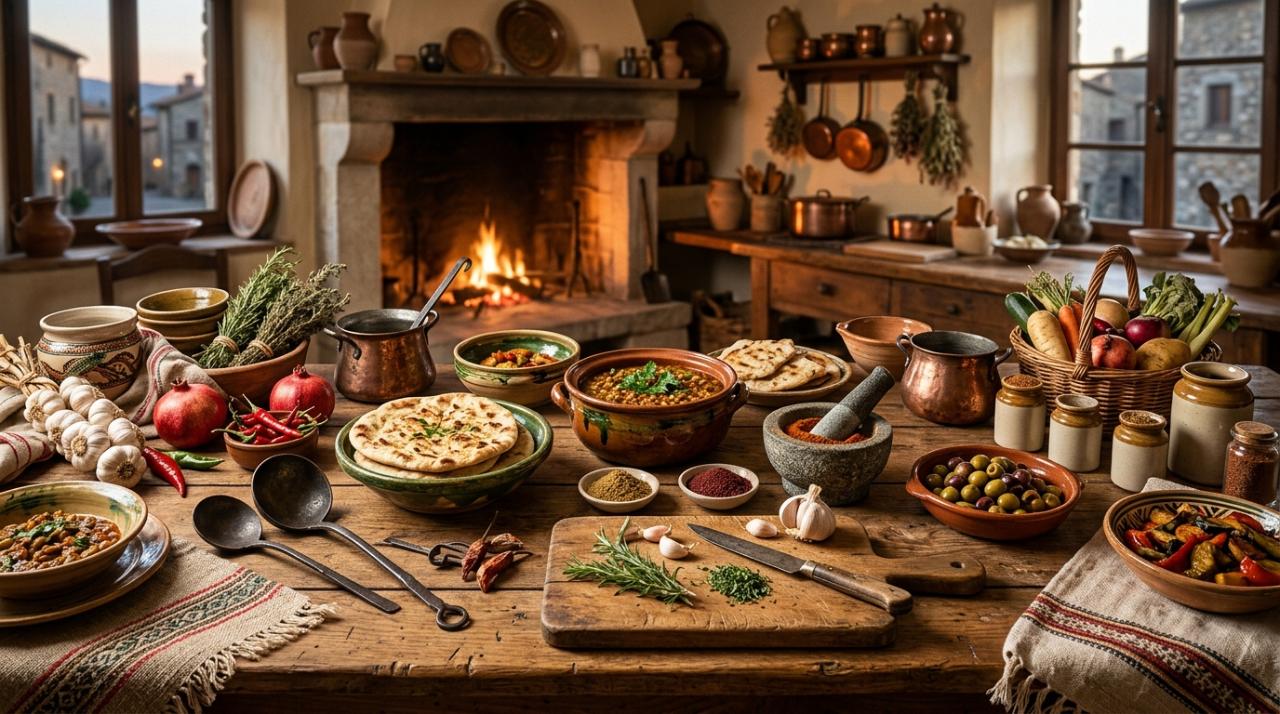
A Culinary Connection to Our Past
Think about your favorite family meal. Is it a Sunday roast passed down through generations, a special holiday cookie recipe, or perhaps a comforting soup your grandma used to make? These aren't just dishes; they're edible stories, a tangible link to our ancestors and the history that shaped them. Traditional recipes are far more than just ingredients and instructions; they are vessels carrying culture, heritage, and a unique connection to who we are.
The Echoes of History in Every Bite
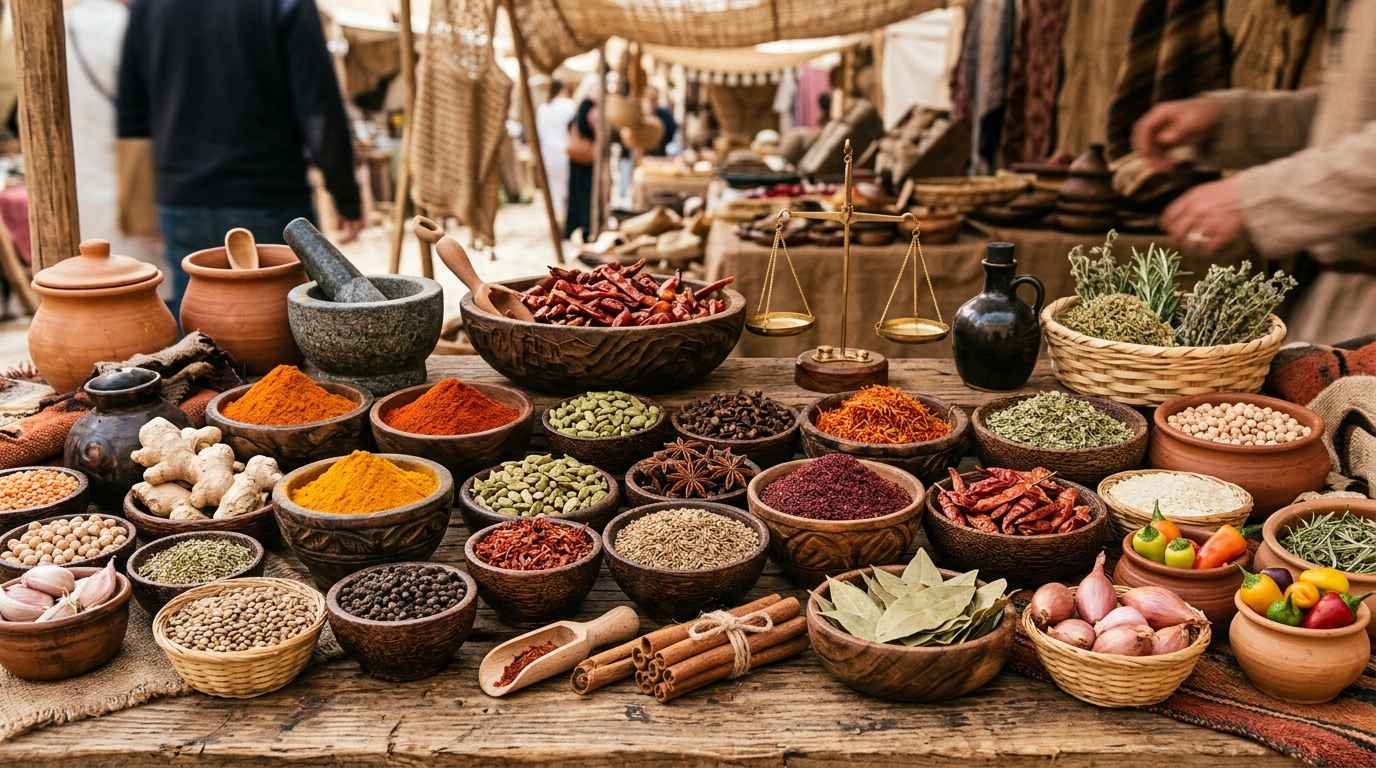
Every culture has its culinary cornerstones, dishes that have stood the test of time. These recipes often reflect the available ingredients of a region, the historical events that influenced food availability, and the ingenuity of people adapting to their circumstances. For example, the preservation techniques used in many traditional recipes, like pickling, fermenting, or drying, were born out of necessity in times when fresh food wasn't always accessible. These methods themselves tell a story of resourcefulness and survival.
Consider the spices used in a particular cuisine. Their presence often points to historical trade routes and cultural exchanges. The way a specific vegetable is prepared might be a direct legacy from a particular era or a specific immigrant group that brought their culinary traditions with them. These recipes are like living history books, offering insights into the daily lives, celebrations, and even struggles of the people who came before us.
Passing Down More Than Just a Recipe Card
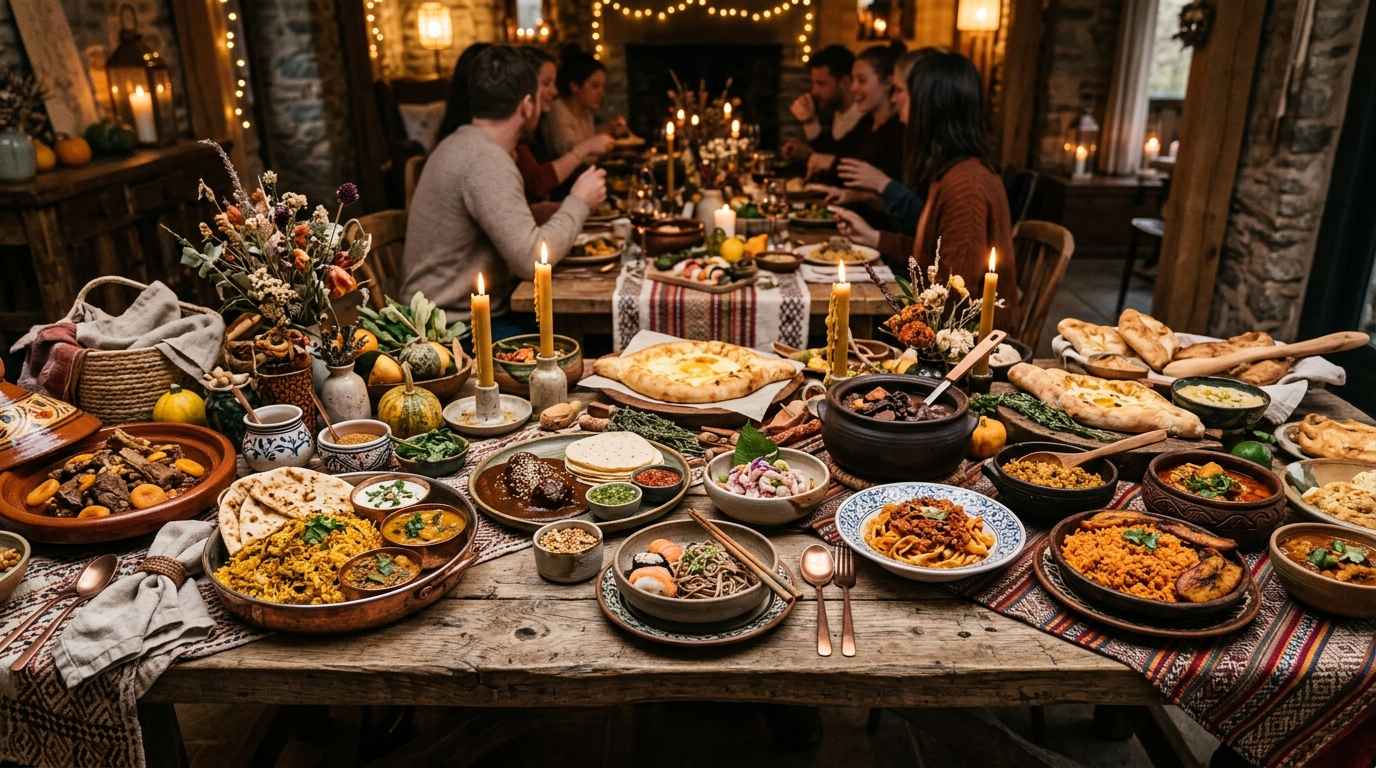
The act of cooking and sharing traditional meals is a powerful way to transmit cultural values and a sense of identity. When a parent or grandparent teaches a child how to make a family recipe, it's not just about the steps involved. It's about the stories shared in the kitchen, the laughter, the family anecdotes, and the feeling of belonging. These shared experiences create a bond that transcends the food itself.
Traditional cooking methods often involve techniques that require patience and skill, developed over years of practice. Think about the art of making handmade pasta, the slow simmering of a rich stew, or the careful layering of ingredients in a complex dish. These methods embody a respect for the ingredients and a dedication to the craft, a stark contrast to the speed and convenience of modern cooking.
Examples of Culinary Heritage in Action:
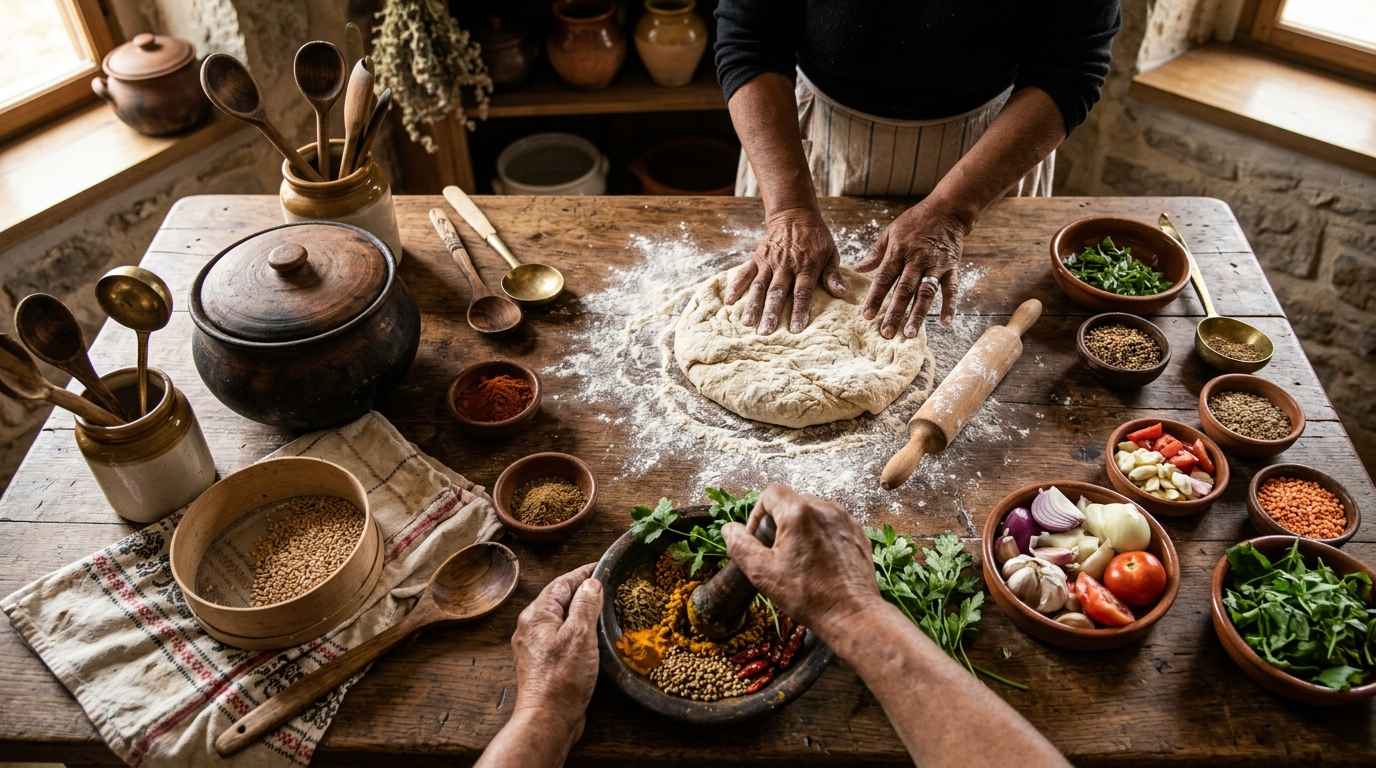
- The Italian Nonna's Pasta: The meticulous process of making fresh pasta by hand, using simple ingredients like flour, eggs, and water, is a direct link to centuries of Italian culinary tradition. Each shape and sauce tells a regional story.
- The Spice Blends of India: Complex spice combinations, like garam masala or curry powders, are not random. They are carefully curated blends that have evolved over centuries, reflecting regional preferences, medicinal beliefs, and historical trade.
- The Comfort of Southern Soul Food: Dishes like fried chicken, collard greens, and cornbread are deeply rooted in the history of African Americans, representing resilience, community, and the adaptation of ingredients and techniques in challenging circumstances.
Keeping the Flame Alive in a Modern World
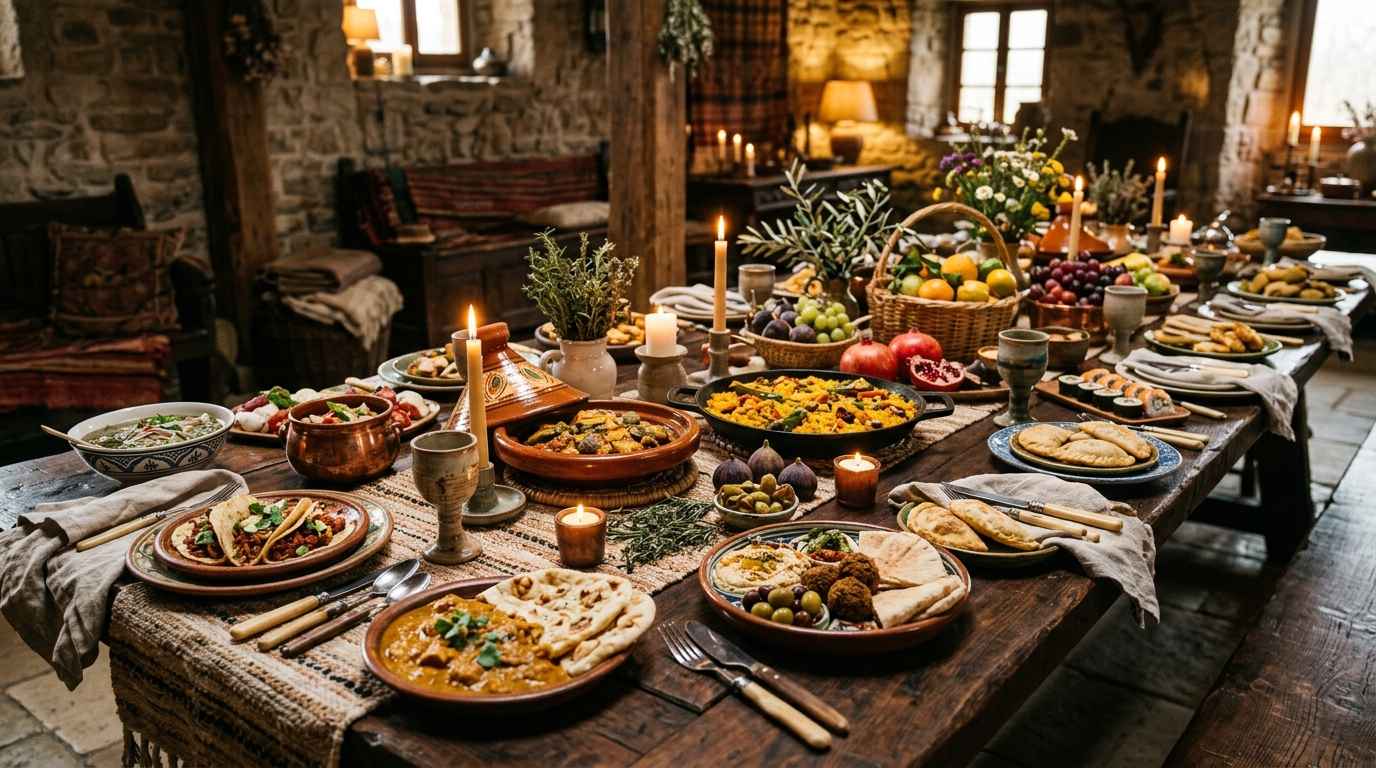
In our fast-paced, globalized world, it's easy for these culinary traditions to fade. However, there's a growing appreciation for the authenticity and depth that traditional recipes offer. Food bloggers, chefs, and home cooks are actively seeking out and revitalizing these recipes, ensuring they are not lost to time. Sharing these recipes online, in cookbooks, and through cooking classes helps to keep them alive and accessible for future generations.
When we choose to cook a traditional meal, we're not just feeding our bodies; we're nourishing our souls and connecting with our roots. We're participating in a living history, a delicious legacy that continues to shape our present and inform our future. So, the next time you find yourself in the kitchen, consider whipping up a dish that carries the echoes of generations past. You might be surprised by the stories and history you uncover with every delicious bite.
Most Popular







Anaya
comment1