



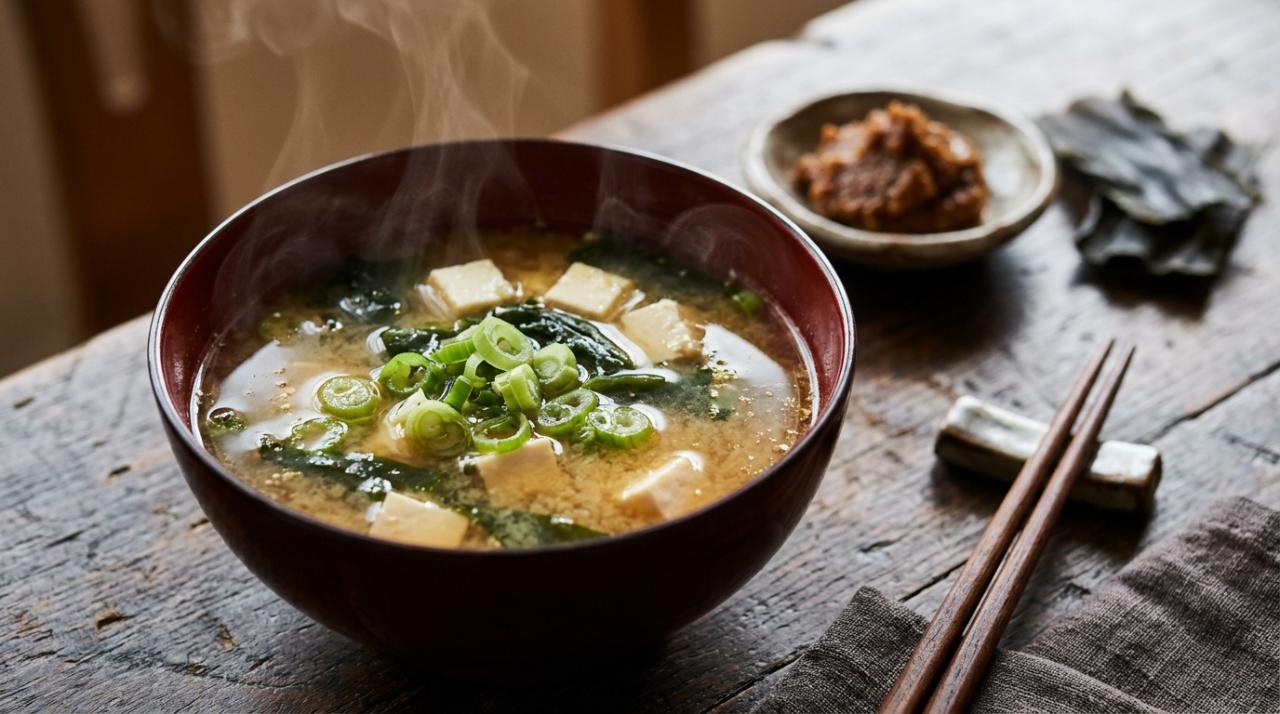
Japanese cuisine is known for its thoughtful use of seasonal ingredients, delicate flavors, and traditional cooking methods. One of its most familiar dishes is miso soup, a warm and comforting soup commonly served alongside rice and other dishes in Japanese meals. Although its ingredients are simple, a well-prepared bowl offers a wonderful balance of savory depth, gentle sweetness, and umami.
A traditional Japanese miso soup recipe usually combines dashi, a Japanese soup stock, with miso paste made from fermented soybeans. Tofu, wakame seaweed, and spring onions are popular additions that provide texture and flavor without overwhelming the broth.
The secret to delicious miso soup is understanding how to prepare the stock and when to add the miso. With a few quality ingredients and the right technique, you can recreate this classic Japanese dish in your own kitchen.
What Makes Traditional Japanese Miso Soup Special?
Miso soup, known as misoshiru in Japanese, has long been an important part of Japanese home cooking. It is commonly served as part of a traditional meal alongside steamed rice, grilled fish, vegetables, or pickled foods.
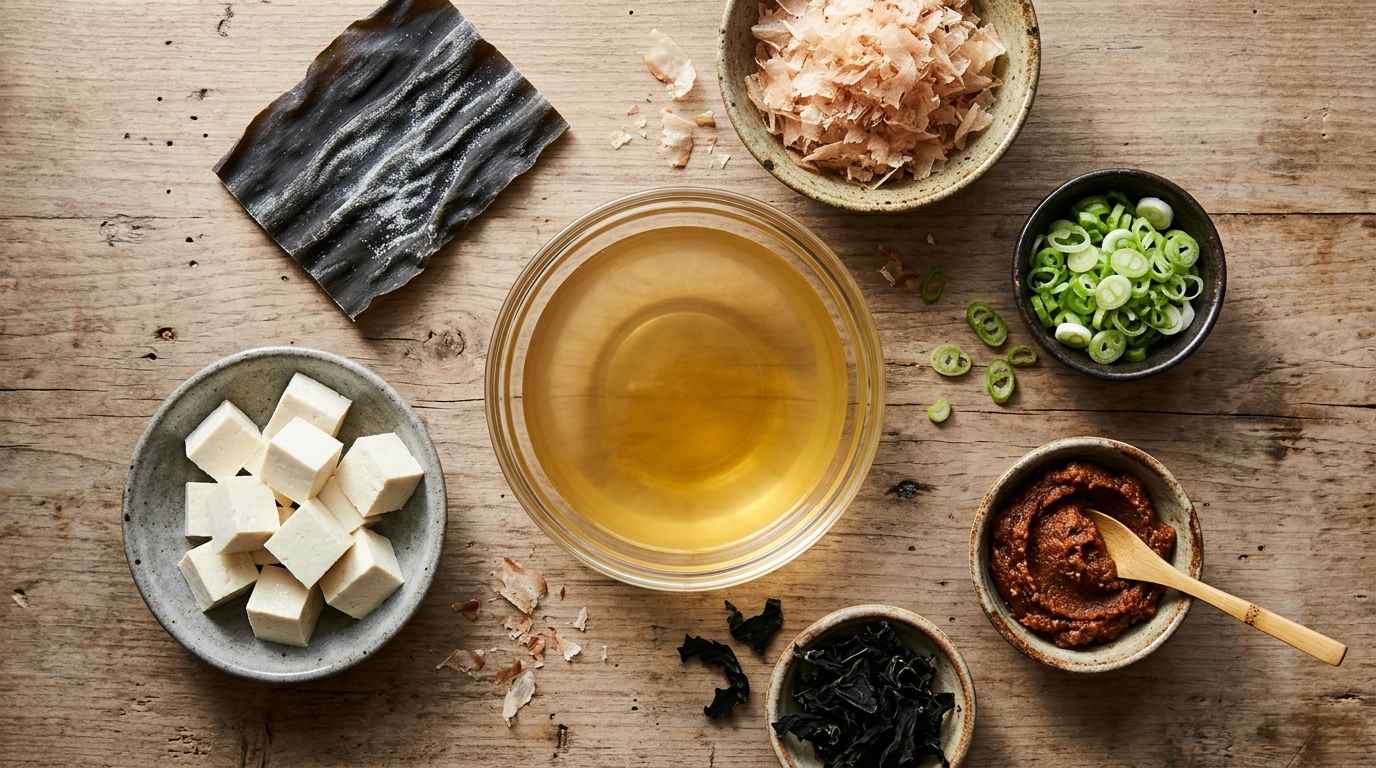
The foundation of the soup is dashi, which is traditionally prepared using kombu seaweed and dried bonito flakes called katsuobushi. Kombu contributes a gentle, savory flavor, while bonito flakes add a distinctive depth. Vegetarian dashi can also be prepared with kombu and dried shiitake mushrooms.
The second essential ingredient is miso, a fermented soybean paste available in different varieties. White miso generally has a milder, sweeter flavor, while red miso tends to be stronger and more robust. The choice depends on regional preferences and personal taste.
Unlike many Western soups, traditional miso soup is not usually thickened with cream or flour. Its character comes from the natural flavors of the stock and fermented paste.
Ingredients for Traditional Japanese Miso Soup
For two servings:
- 500 ml water
- 1 piece kombu seaweed, approximately 5 cm long
- 5–8 g dried bonito flakes, optional
- 2 tablespoons miso paste, adjusted to taste
- 100 g soft or medium-firm tofu, cut into small cubes
- 1–2 teaspoons dried wakame seaweed
- 1 spring onion, thinly sliced
For a vegetarian version, omit the bonito flakes and prepare kombu-based dashi, optionally adding dried shiitake mushrooms for additional flavor.
Japanese miso paste and wakame seaweed are available at many Asian grocery stores. For the most authentic result, choose ingredients intended for Japanese cooking.
Step-by-Step Guide to Making Japanese Miso Soup
Step 1: Prepare the Dashi Broth
Place the water and kombu in a saucepan. Allow the kombu to soak for approximately 20–30 minutes if time permits, then heat the water gradually over medium-low heat.
Remove the kombu just before the water reaches a full boil. If using bonito flakes, add them after removing the kombu. Let the flakes steep for a few minutes, then strain the liquid through a fine sieve.
The resulting stock is your dashi. Its light but savory flavor creates the foundation of traditional miso soup.
Step 2: Prepare the Tofu and Wakame
Cut the tofu into small, even cubes. If using dried wakame, soak it in water according to the package instructions until it expands. Drain it before adding it to the soup.
Wakame expands considerably when rehydrated, so a small amount is usually enough. Prepare the spring onions by slicing them thinly to make a fresh garnish.
Step 3: Heat the Broth
Return the dashi to the saucepan and warm it gently. Add the tofu and rehydrated wakame, allowing them to heat through for a few minutes.
Avoid vigorous boiling, particularly after adding the miso. Gentle heating helps preserve the soup's delicate flavor and gives the tofu time to absorb some of the broth.
Step 4: Add the Miso Paste
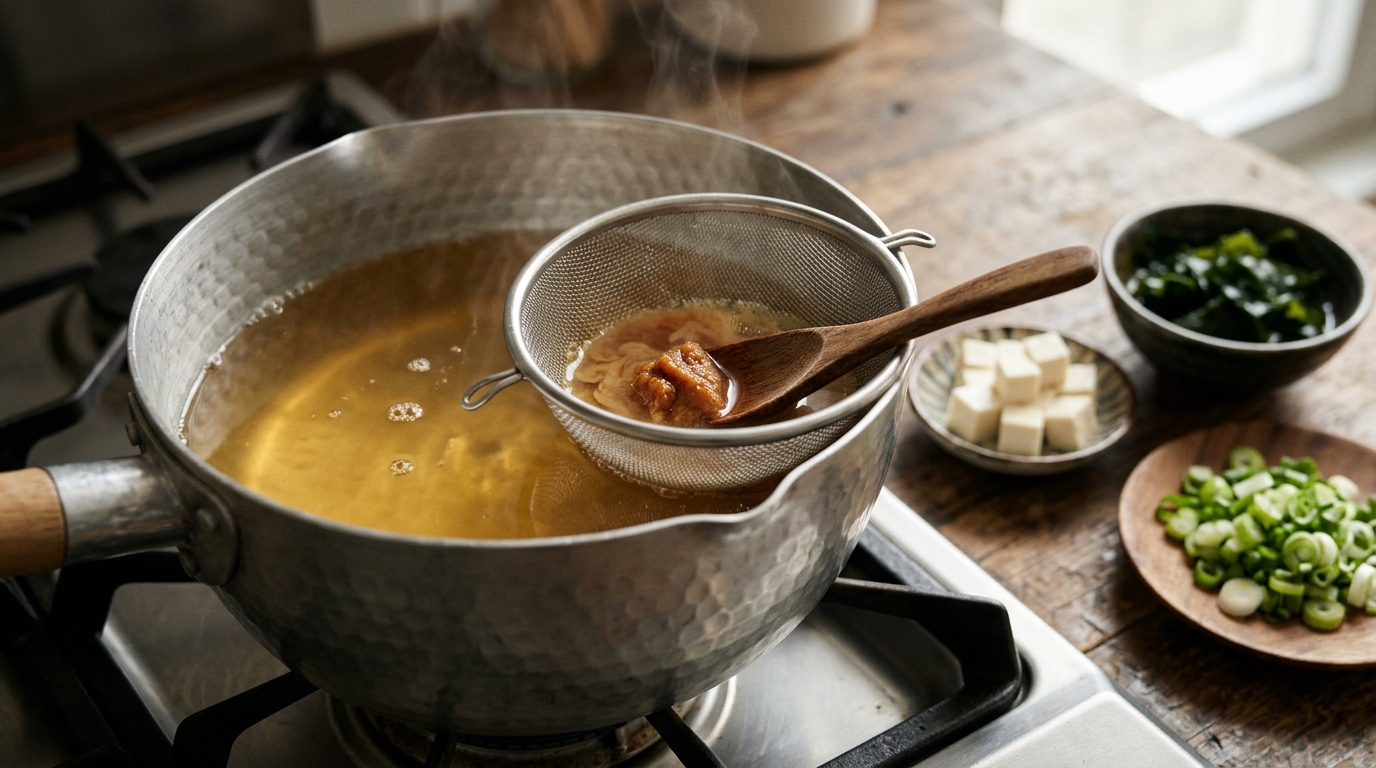
Place the miso paste in a small bowl or ladle. Add a little warm dashi and stir until the paste dissolves smoothly. Return the mixture to the saucepan.
Taste the soup before adding more miso. Different varieties have different levels of saltiness, so adjust the amount gradually.
Once the miso has been added, heat the soup gently without bringing it to a rolling boil. This traditional technique helps preserve the delicate aroma of the miso.
Step 5: Garnish and Serve
Turn off the heat and add the sliced spring onions. Divide the soup between two small bowls and serve immediately while warm.
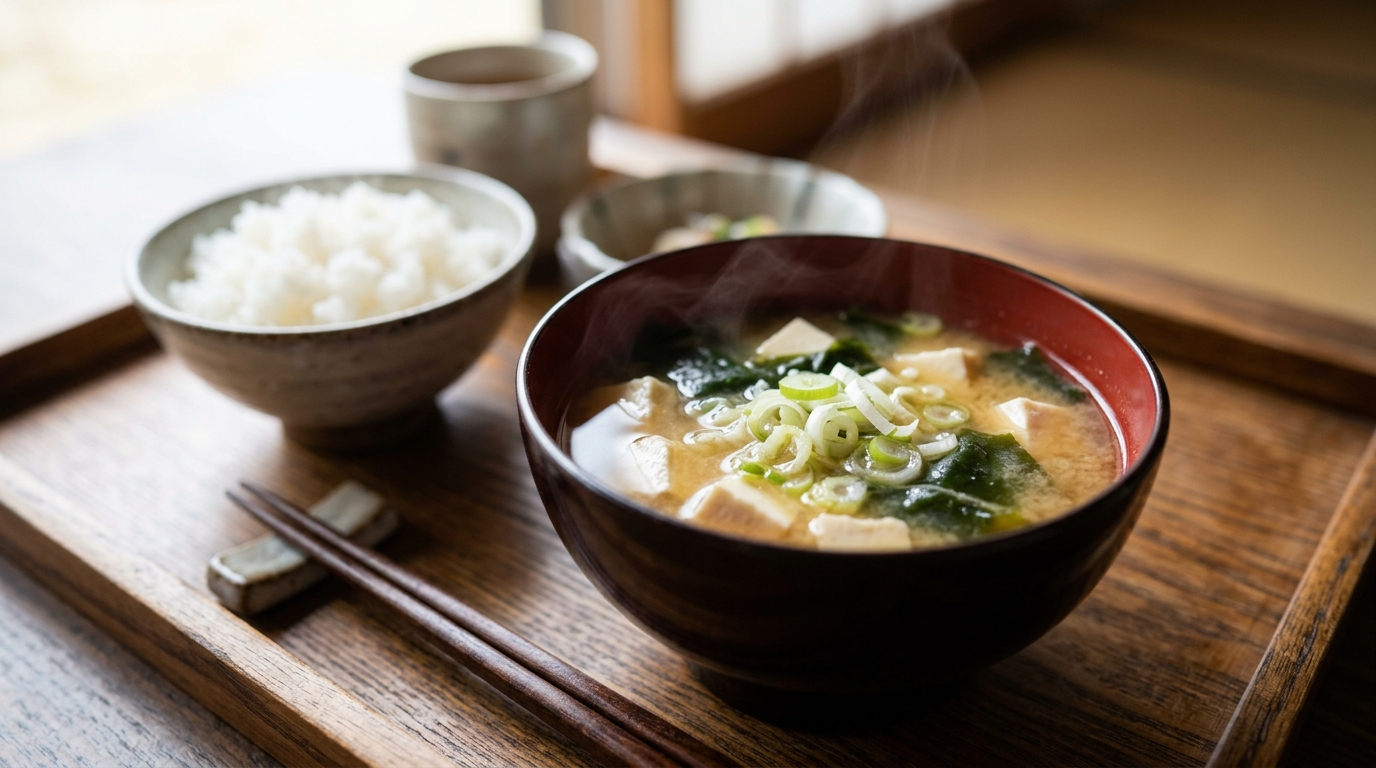
Miso soup is commonly enjoyed with steamed Japanese rice, grilled fish, tamagoyaki, or other simple dishes. It can be served as part of breakfast, lunch, or dinner.
Traditional Tips for Perfect Miso Soup
The quality of the dashi makes a noticeable difference. Preparing it from kombu and bonito flakes provides a more traditional flavor than using plain water alone, although good-quality instant dashi can be a convenient alternative.
Choose the miso variety according to your preferred taste. White miso works well for a gentle, mellow soup, while red miso creates a deeper and more pronounced flavor. You can also combine different miso varieties.
Avoid boiling the soup vigorously after adding miso, and season gradually because miso already contains salt. Other traditional ingredients, including mushrooms, daikon radish, clams, and seasonal vegetables, can be used depending on the region and household recipe.
Conclusion
A traditional Japanese miso soup recipe demonstrates how a few carefully chosen ingredients can create a deeply satisfying dish. The combination of dashi broth, fermented miso paste, tofu, and wakame produces a warm soup that has remained an important part of Japanese home cooking.
By preparing the broth carefully and adding the miso at the right stage, you can enjoy the authentic flavors of Japan in your own kitchen. Serve it with rice and your favorite Japanese side dishes for a simple, comforting meal rooted in culinary tradition.
Most Popular













Anaya
comment1