



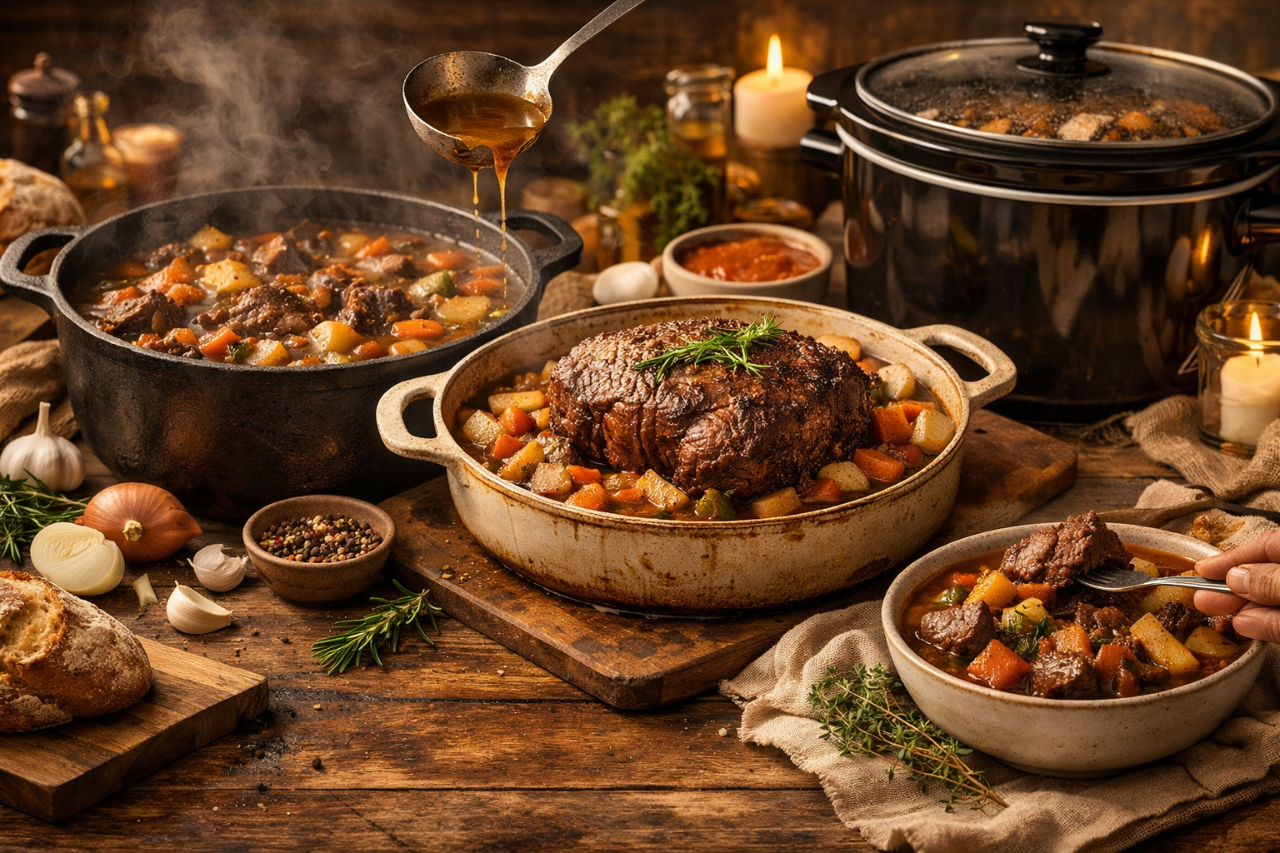
In today's fast paced world, the concept of slow cooking might seem like a relic of the past. However, the practice of 'Savor & Simmer' offers a pathway to unlocking unparalleled flavor, tenderness, and a deeply satisfying culinary experience. It's an approach that respects the transformative power of time and gentle heat, turning humble ingredients into extraordinary meals. This article delves into the essence of slow cooking, exploring its benefits, techniques, and why it continues to be a cherished method for creating delectable foods.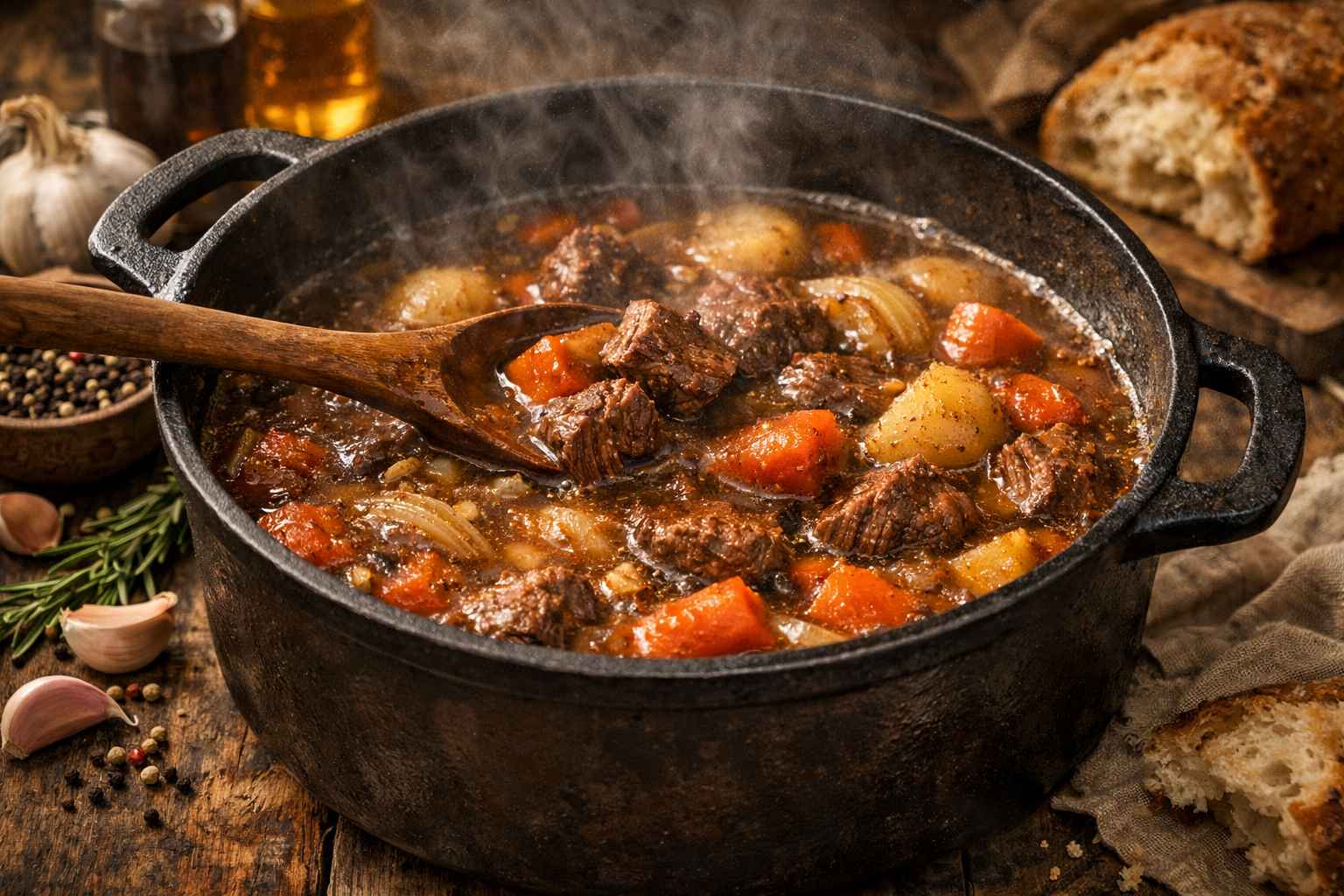
The Magic of Low and Slow
At its core, savoring and simmering is about patience. It's the antithesis of hurried meals, embracing a method where ingredients are allowed to meld and develop over extended periods at low temperatures. This gradual process breaks down tough connective tissues in meats, rendering them incredibly tender and succulent. It also allows complex flavors to deepen and harmonize, creating a richness that is difficult to achieve with quicker cooking methods. Think of a pot roast that falls apart at the touch of a fork, or a rich, aromatic stew that has simmered for hours, each spoonful a symphony of taste.
Benefits Beyond Flavor
The allure of slow cooking extends beyond its exceptional taste. One of its most significant advantages is its convenience. Many slow cooker recipes require minimal preparation; ingredients are often simply placed in the pot and left to cook unattended for several hours. This frees up valuable time for busy individuals and families, allowing for a delicious, home cooked meal to be ready upon arrival. Furthermore, slow cooking is an energy efficient method, using less electricity or gas compared to conventional ovens or stovetops for extended cooking times.
Nutritionally, slow cooking can be beneficial as well. The low temperatures help to preserve delicate nutrients that might be lost through high heat cooking. It also encourages the use of whole, unprocessed ingredients, aligning with a focus on healthy eating. The ability to incorporate a variety of vegetables and lean proteins makes it a versatile option for a balanced diet.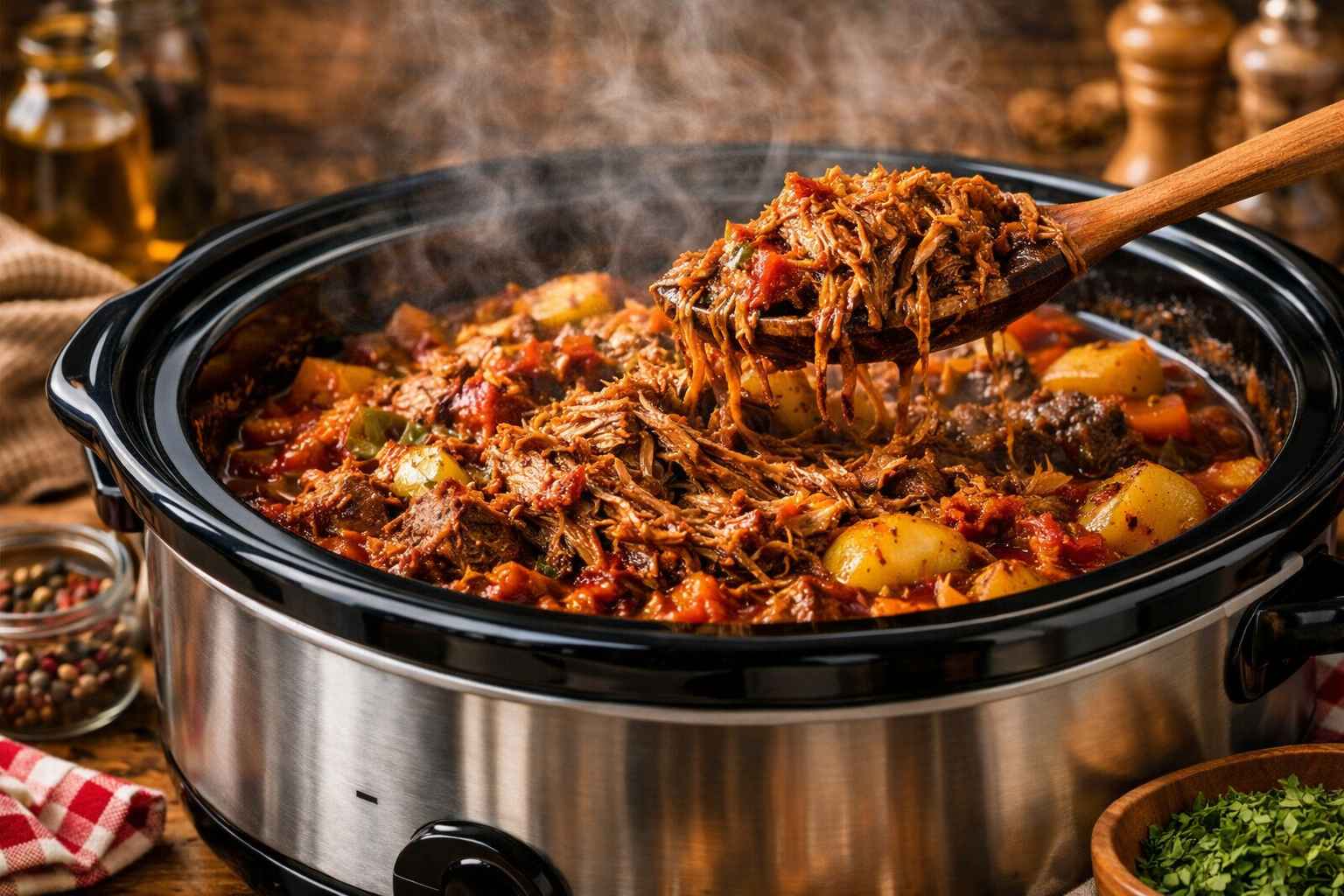
Techniques and Tips
While often associated with electric slow cookers, the principle of savoring and simmering can be applied through various methods, including Dutch ovens on the stovetop or in the oven, and even traditional braising techniques. Regardless of the method, the key is consistent, low heat.
Choosing Your Ingredients
The beauty of slow cooking lies in its versatility. Tougher, more economical cuts of meat, such as chuck roast, brisket, or pork shoulder, are ideal for this method as they become incredibly tender. Root vegetables like potatoes, carrots, and onions add depth and sweetness. Legumes, grains, and even certain fruits can also be incorporated to create a wide array of dishes. The slow cooking process allows for intense flavor infusion, making even simple ingredients shine.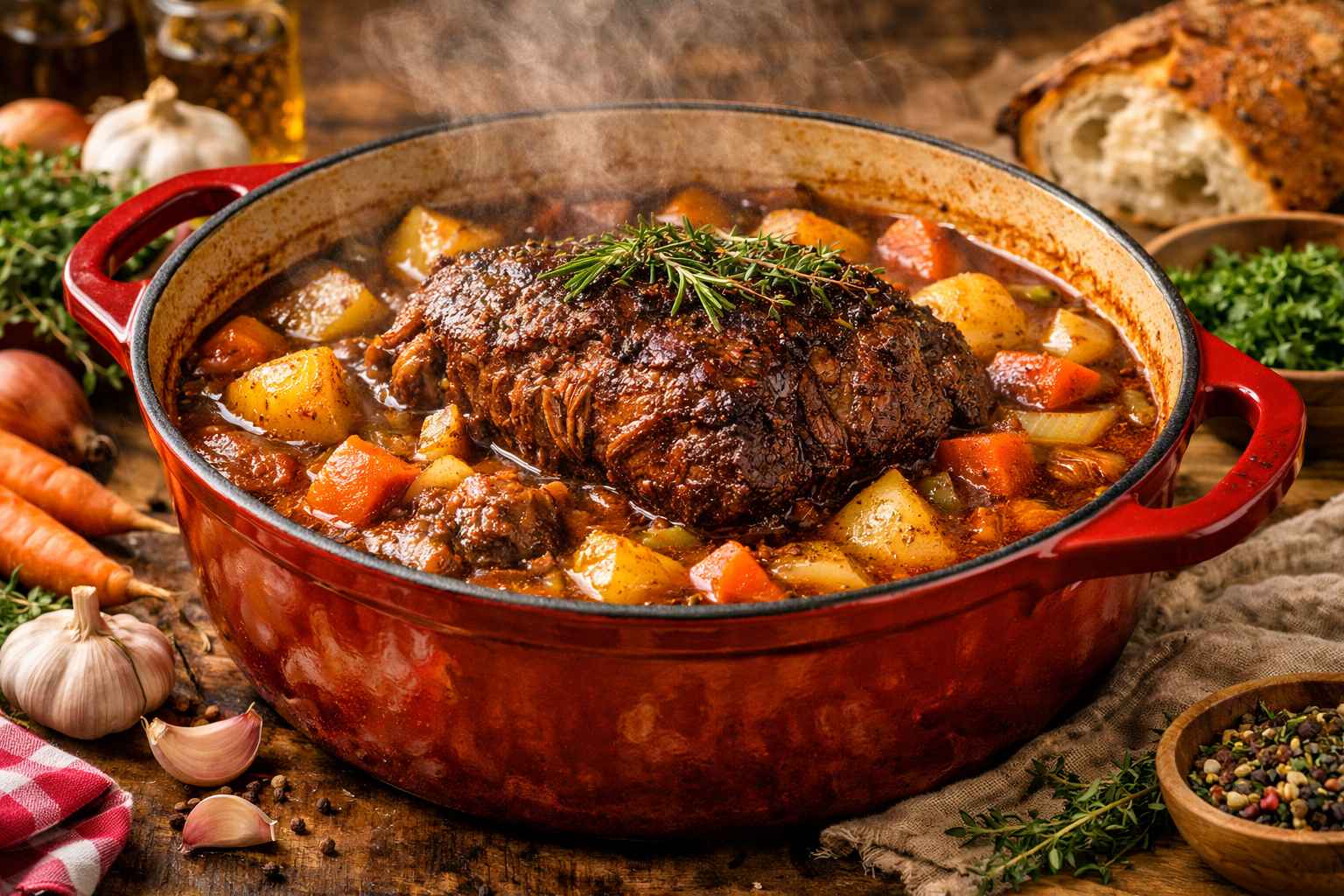
The Art of Layering Flavors
Building flavor is paramount in any cooking, and slow simmering provides an excellent canvas. Starting with aromatics like onions, garlic, and herbs, then adding liquids such as broths, wine, or tomatoes, and finally incorporating the main ingredients allows for a rich development of taste. Spices and seasonings can be added at various stages to build complexity. Don't be afraid to experiment with different herbs, spices, and acidic components like vinegar or lemon juice to enhance the final profile of your dish.
Savor & Simmer is more than just a cooking technique; it's an invitation to slow down, appreciate the process, and create food that nourishes the body and soul. Whether you are a seasoned cook or just beginning your culinary journey, embracing the art of slow cooking opens up a world of delicious possibilities. The rewards of tender textures, deep flavors, and the sheer convenience make it an indispensable method for any kitchen seeking to create truly memorable and wholesome foods.
Most Popular










Anaya
comment1