



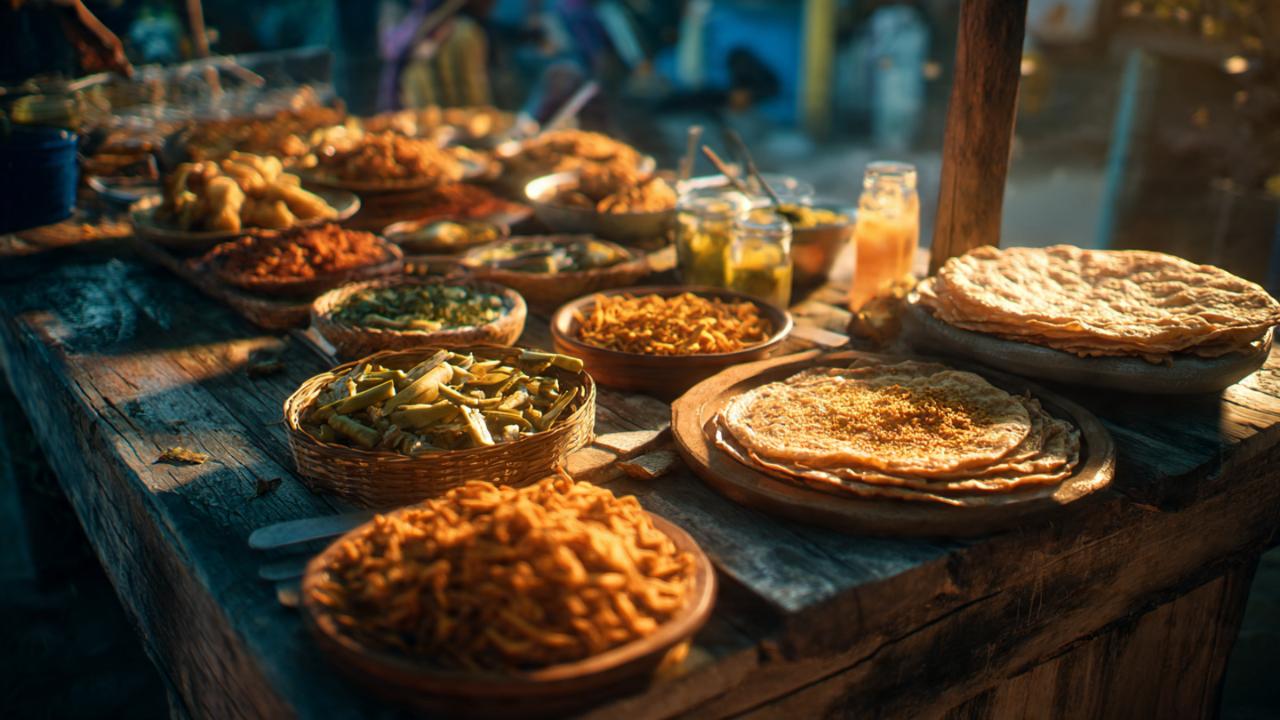
Sri Lanka is a country celebrated for its breathtaking landscapes, rich culture, and warm hospitality. Yet beyond its beaches, hill country, and ancient temples lies another unforgettable experience - its food. And among the many layers of Sri Lankan cuisine, street food stands out as one of the most exciting and flavorful parts of everyday life.
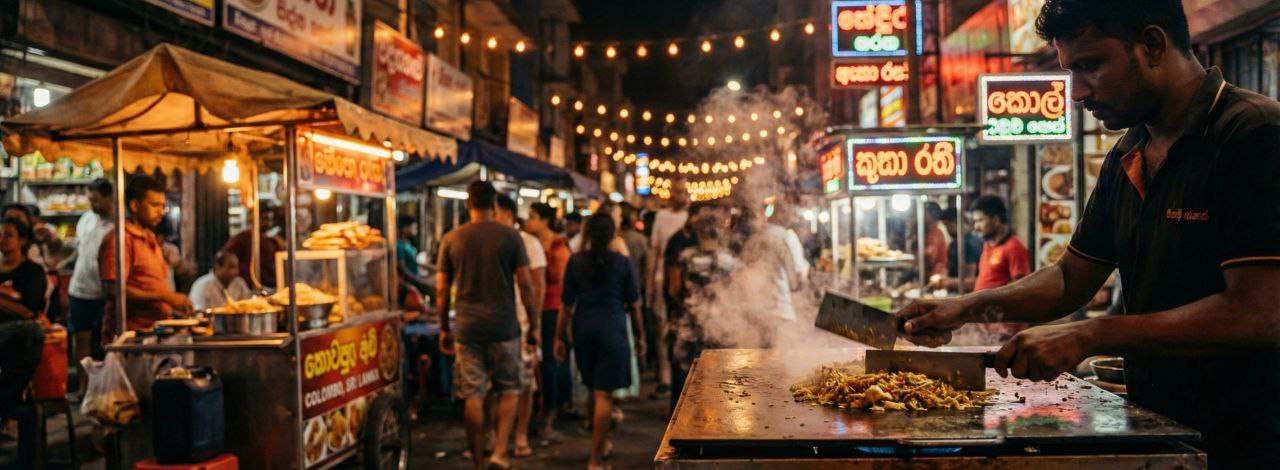
From the sizzling sounds of kottu roti being chopped on a hot grill to the smell of isso wade frying by the roadside, Sri Lankan street food is not just about eating. It is about community, culture, affordability, and memories. For locals, these dishes are tied to school days, family outings, and late-evening cravings. For visitors, they offer a delicious window into the island’s true character.
If you want to understand Sri Lanka beyond the guidebooks, the best place to start is often not in a luxury restaurant — but at a small roadside stall, a bakery corner, or a beachside snack cart. Every bite tells a story, and every dish carries a piece of Sri Lankan identity.
Why Sri Lankan Street Food Is So Special
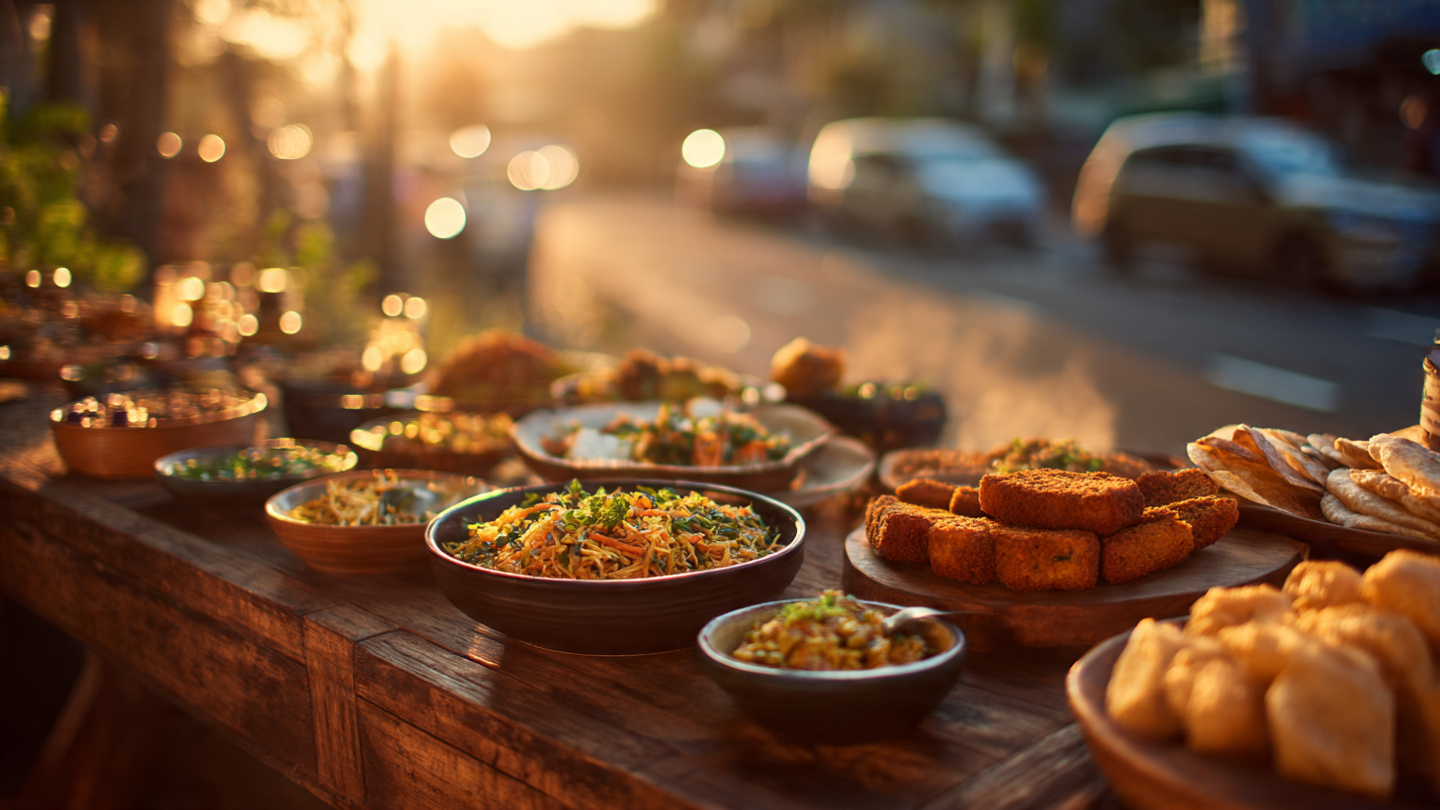
Street food in Sri Lanka is loved because it is simple, affordable, and full of flavor. It is not heavily decorated or complicated, but it is made with ingredients and techniques that reflect the island’s food traditions. Most of these dishes are built around a few things Sri Lankans know how to use incredibly well: spices, coconut, curry leaves, chilies, onions, and fresh local produce.
Another reason street food feels special is the atmosphere that comes with it. There is something uniquely satisfying about standing near a roadside food stall, watching a cook prepare your meal fresh in front of you. The sounds, the aromas, and the warmth of the food create an experience that is deeply local and memorable.
Unlike many modern fast foods, Sri Lankan street food often feels homemade, familiar, and full of personality. Even simple snacks like parippu wade or roast paan can instantly remind people of childhood, school canteens, train station stops, or beach evenings with friends.
1. Kottu Roti – The King of Sri Lankan Street Food
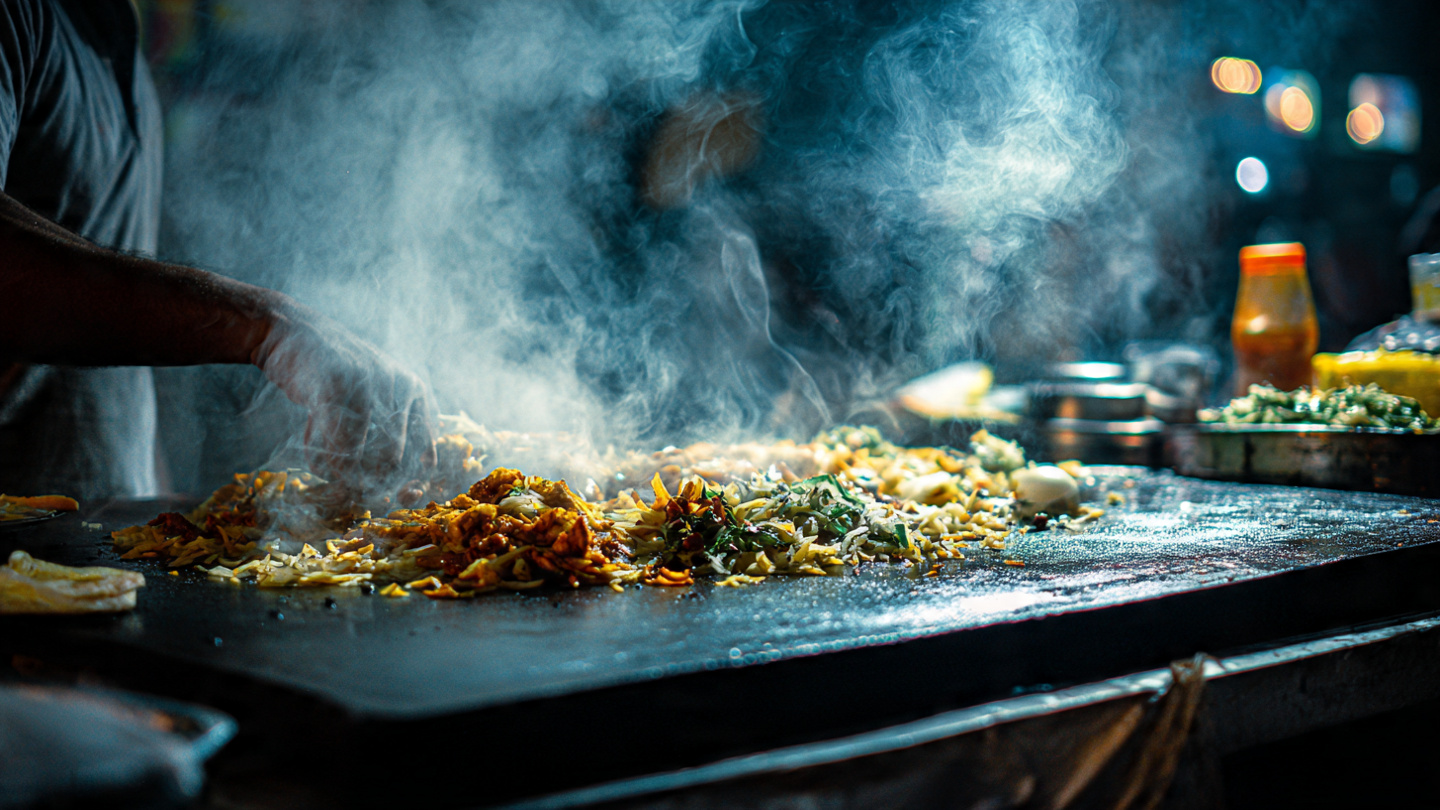
No conversation about Sri Lankan street food can begin without kottu roti. It is easily one of the most iconic and beloved foods on the island. Made by chopping up flatbread called godamba roti and stir-frying it with vegetables, egg, spices, and a choice of chicken, beef, or cheese, kottu is rich, spicy, and incredibly satisfying.
But what makes kottu truly unforgettable is not just its taste — it is the sound. The loud rhythmic clashing of metal blades against the grill is almost a national soundtrack in Sri Lanka. Many people can recognize the sound of kottu being made from far away, and for many, that sound immediately triggers hunger.
Kottu is especially popular in the evenings. It is the kind of meal people crave after a long day of work, after classes, or during a casual night out with friends. Some prefer classic chicken kottu, while others go for cheesy or extra spicy versions. No matter the variation, kottu has earned its place as a true street food legend.
2. Isso Wade – A Crunchy Seaside Favorite
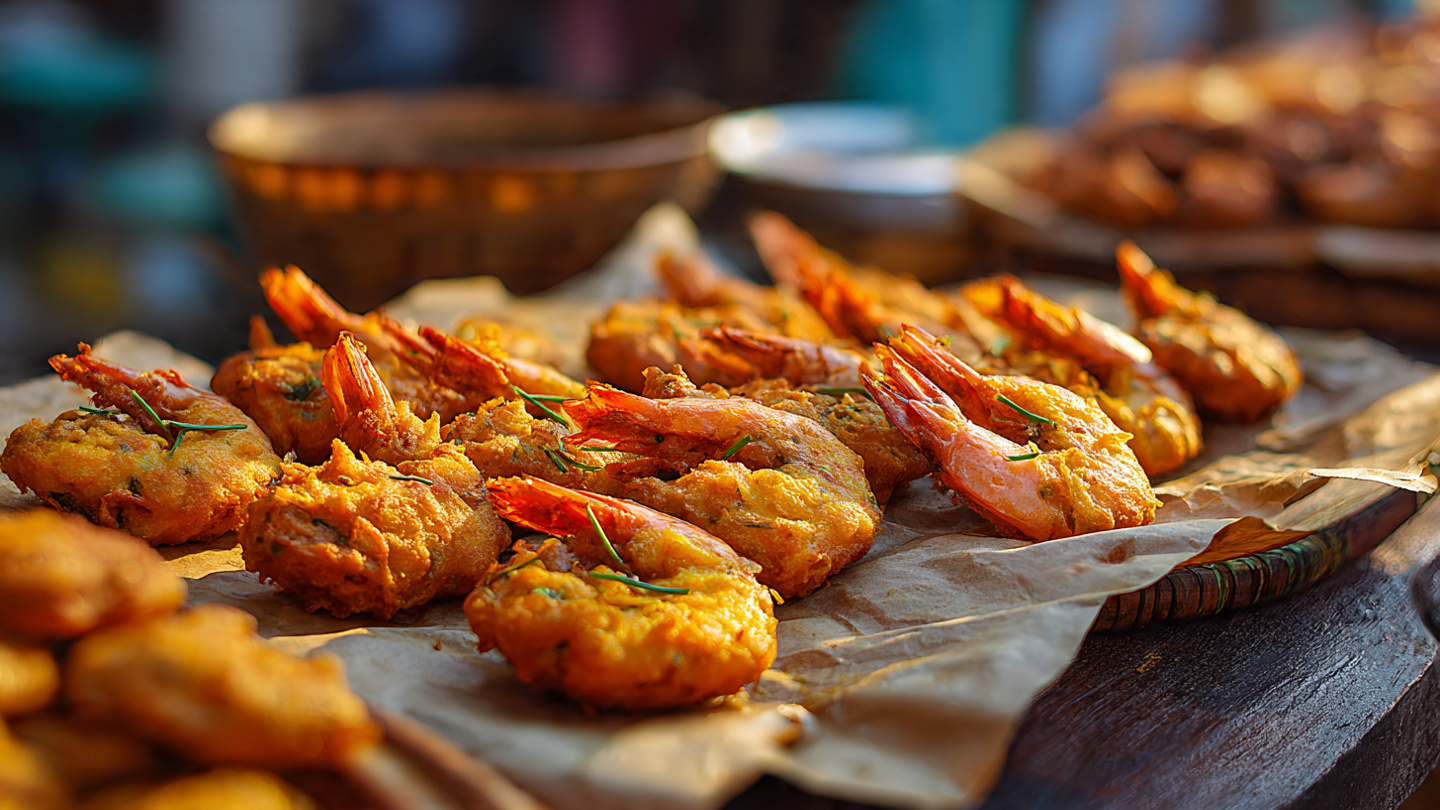
If kottu is the king, then isso wade is definitely one of the most iconic street snacks in Sri Lanka. It is a crispy, deep-fried lentil patty topped with prawns, often sold in busy urban streets and seaside locations.
What makes isso wade so appealing is its combination of textures and flavors. The outside is crunchy and golden, while the inside is soft, spicy, and full of lentil flavor. The prawn topping adds an extra seafood richness that makes it stand out from ordinary fried snacks.
For many Sri Lankans, isso wade is strongly connected to evening outings — especially in places like coastal promenades and city food spots. It is one of those foods that feels casual and nostalgic at the same time. Eating hot isso wade with the sea breeze nearby is a simple pleasure that many people never forget.
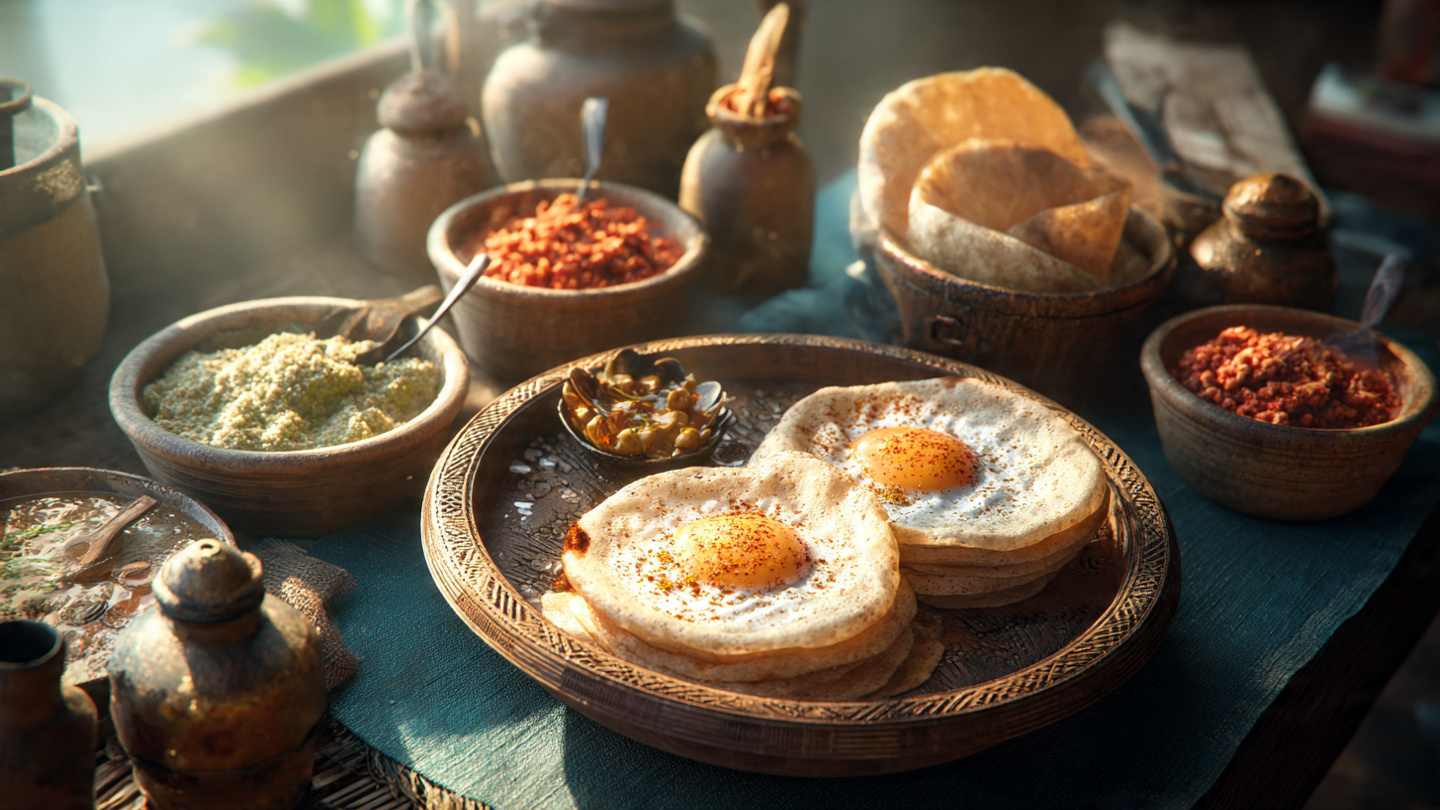
3. Hoppers – A Beautiful Balance of Simplicity and Taste
Known locally as appa, hoppers are one of the most loved traditional foods in Sri Lanka. Though often eaten at home or in small eateries, they are also a popular takeaway and street-side option.
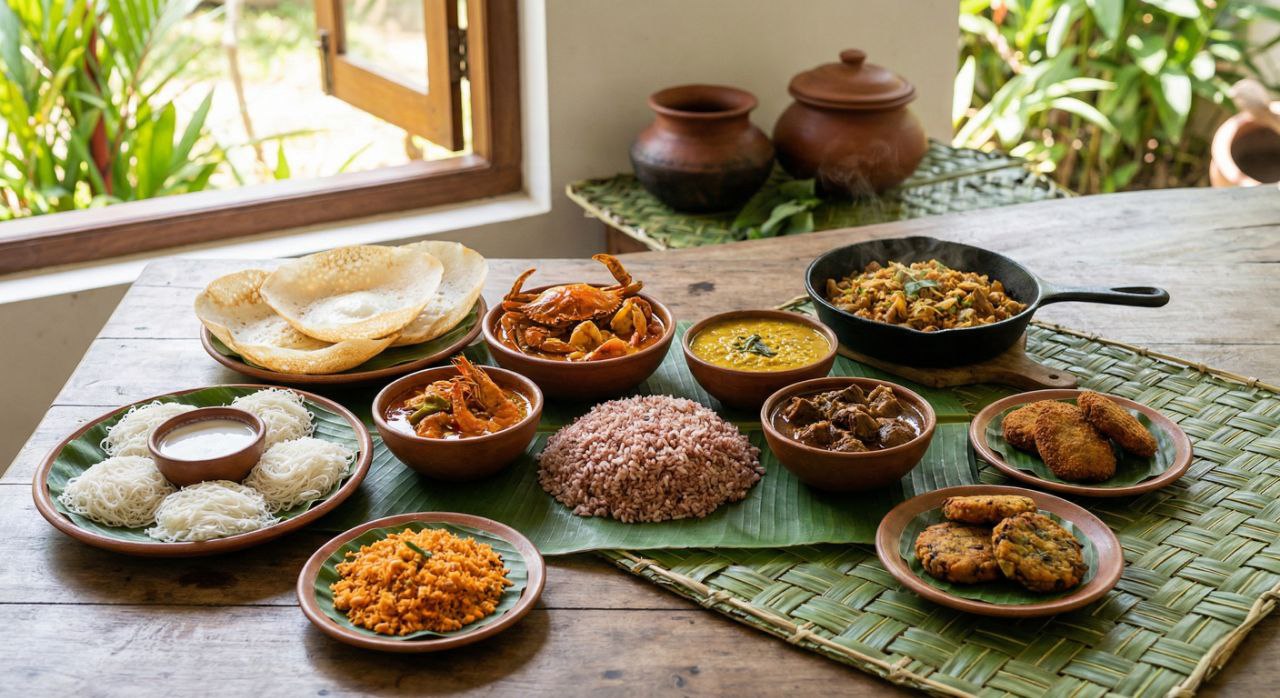
Hoppers are made from a fermented batter of rice flour and coconut milk. They are cooked in a small bowl-shaped pan, creating a crispy edge and a soft center. This unique texture is what makes them so enjoyable.
There are different types of hoppers, but the most common favorites include:
- Plain hoppers
- Egg hoppers
- Milk hoppers
Hoppers are usually served with lunu miris, pol sambol, or curry, which gives them a spicy and flavorful contrast. They are often eaten for breakfast or dinner, and their light yet satisfying nature makes them a favorite across generations.
What makes hoppers special is that they represent the heart of Sri Lankan cooking — simple ingredients transformed into something comforting and delicious.
4. Roast Paan – The Comfort Food Sri Lankans Never Get Tired Of
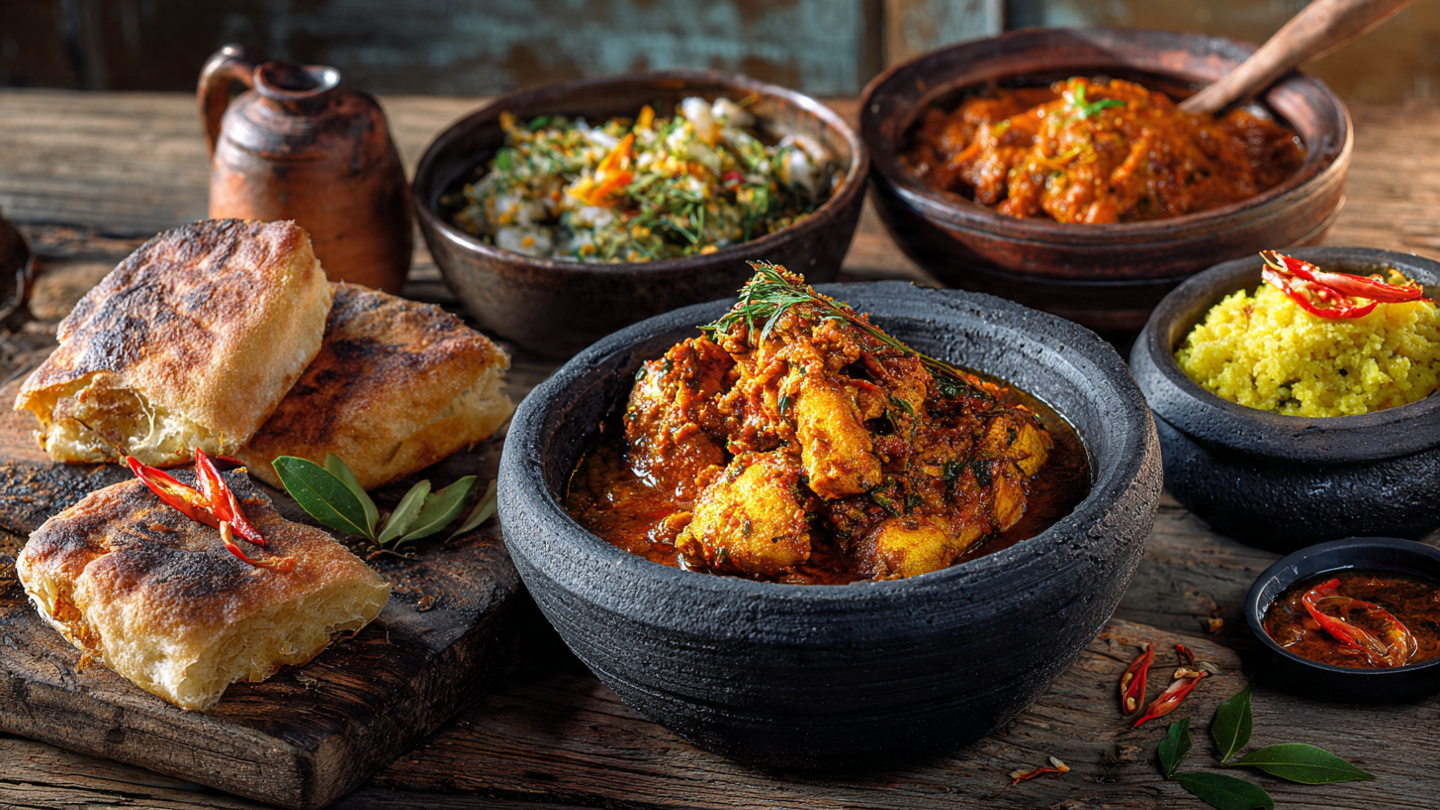
Another all-time favorite in Sri Lankan food culture is roast paan. This crusty, rustic bread is found in bakeries and food stalls across the island and is loved for its versatility and comforting taste.
Roast paan is delicious on its own, but it becomes even better when paired with curry or spicy sambol. Many people enjoy it with fish curry, chicken curry, or dhal, while others love eating it with katta sambol for a sharper spicy kick.
There is something deeply satisfying about tearing into a warm piece of roast paan and dipping it into curry. It is one of those foods that feels familiar and grounding. Whether eaten for breakfast, lunch, dinner, or a late snack, roast paan remains a timeless favorite.
5. Ulundu Wade – The Perfect Tea-Time Bite
One of the most common street-side snacks in Sri Lanka is ulundu wade. This crispy, savory fried snack is made from black gram dhal and is often shaped like a ring with a hole in the middle.
Ulundu wade may look simple, but it delivers a wonderfully crunchy bite and a rich, savory flavor. It is often eaten as a breakfast side dish or a tea-time snack and is usually served with chutney or sambol.
Part of its appeal lies in how accessible it is. It is affordable, quick to eat, and available in many small shops and stalls. It is the kind of snack people grab without overthinking — and once they start eating, it is hard to stop at just one.
6. Manioc with Lunu Miris – A Humble Local Treasure
Not every memorable food has to be flashy or heavily spiced. Sometimes the most loved dishes are the simplest ones, and manioc with lunu miris is a perfect example.
Manioc, also known as cassava, is boiled until soft and served with lunu miris, a fiery onion and chili mixture that adds a powerful kick. The contrast between the mild, soft manioc and the spicy sambol creates a beautifully balanced local dish.
This food is especially popular among those who appreciate more traditional or village-style flavors. It may not be the first thing tourists search for, but for many Sri Lankans, it carries a deep sense of familiarity and authenticity.
It proves that Sri Lankan food culture does not rely on expensive ingredients or complicated presentation. Sometimes all it takes is fresh produce, spice, and simplicity.
7. Fish Cutlets – Small, Crispy, and Packed with Flavor
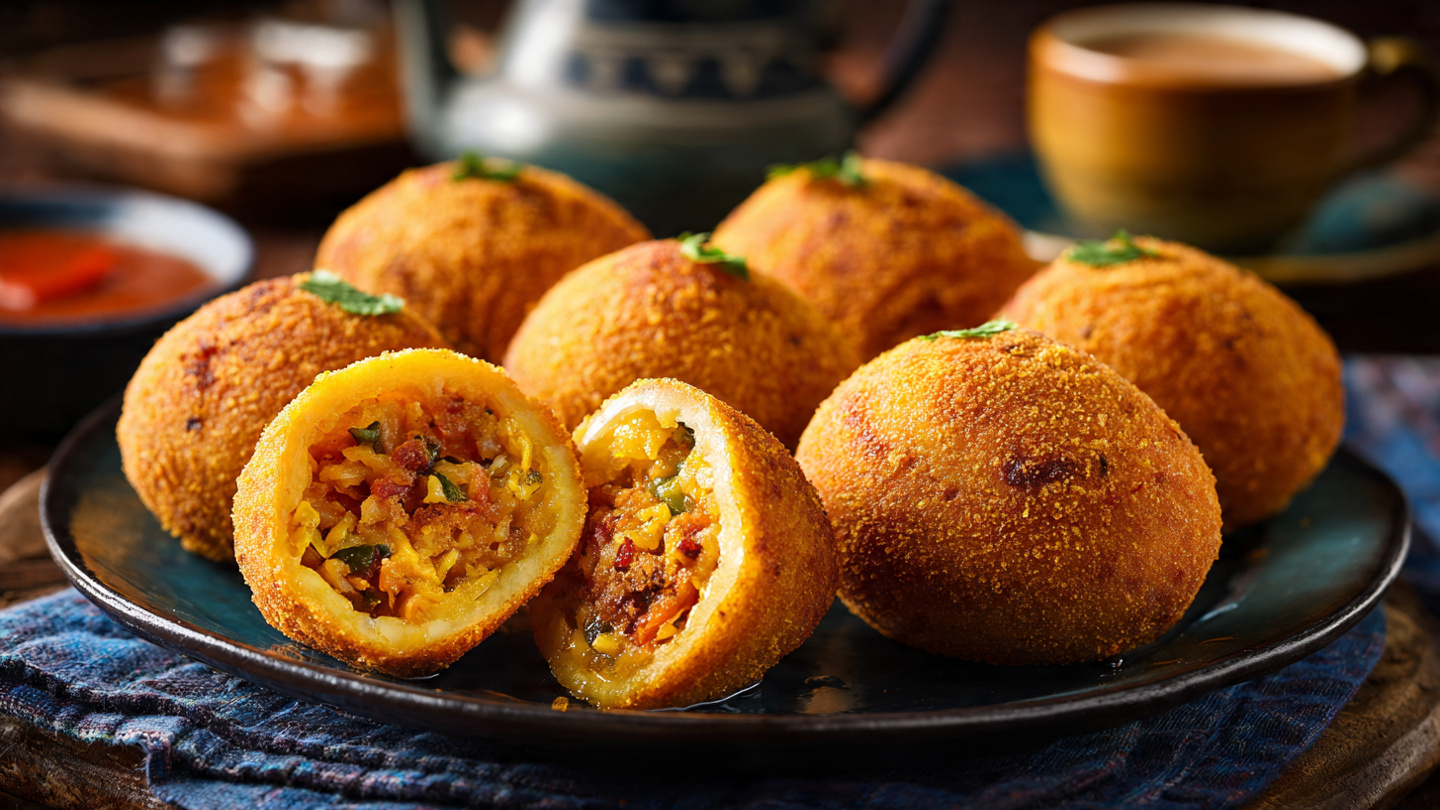
Fish cutlets are one of the most beloved snack foods in Sri Lanka. These small breadcrumb-coated balls are usually filled with a flavorful mixture of fish, mashed potato, onions, and spices, then deep-fried until crispy and golden.
They are found everywhere — bakeries, food stalls, parties, family gatherings, and tea tables. In many ways, fish cutlets are more than just a snack. They are part of Sri Lankan social life.
One of the best things about fish cutlets is that they are both filling and snackable. You can eat one quickly on the go, or enjoy a few slowly with tea. Their crunchy exterior and savory filling make them universally appealing, even to people who are not usually drawn to spicy foods.
8. Parippu Wade – The Everyday Crunch Everyone Loves
Few street snacks are as recognizable and affordable as parippu wade. Made from lentils, onions, curry leaves, and green chilies, this crunchy deep-fried snack is a daily favorite for many people across Sri Lanka.
Parippu wade is often enjoyed in the evening, especially with a hot cup of plain tea. It is simple, spicy, and full of texture. It may not be luxurious, but that is exactly why it is loved — it feels real, familiar, and satisfying.
For many people, parippu wade is one of those foods that instantly brings back memories of school canteens, roadside tea shops, and rainy afternoons.
9. String Hoppers – Soft, Light, and Comforting
Though string hoppers are often associated with home-cooked meals, they are also widely available as takeaway and roadside food in many parts of Sri Lanka.
Made from rice flour dough pressed into thin noodle-like strands and steamed, string hoppers are soft, light, and easy to enjoy. They are usually served with pol sambol, dhal curry, or other flavorful side dishes.
String hoppers are a good example of how Sri Lankan food can be both simple and deeply satisfying. They are light enough for breakfast but filling enough for dinner, making them one of the most practical and loved foods on the island.
10. Achcharu – Sweet, Sour, Spicy, and Impossible to Forget
No Sri Lankan street food experience feels complete without achcharu. This spicy fruit pickle mix is one of the boldest and most addictive flavors in local food culture.
Achcharu is usually made using fruits such as mango, pineapple, ambarella, or veralu, mixed with chili, salt, sugar, and vinegar or lime. The result is a powerful combination of sweet, sour, spicy, and tangy flavors all at once.
It is the kind of snack that makes your eyes widen and your taste buds wake up instantly. Some people eat it casually while walking around markets or roadside stalls, while others actively crave it as a comfort snack.
Achcharu is proof that Sri Lankan street food is not only about fried items or heavy meals — it also includes bold, refreshing snacks that leave a lasting impression.
Street Food as a Part of Sri Lankan Life
What makes Sri Lankan street food so meaningful is that it is woven into daily life. These foods are not reserved only for special occasions or expensive dining experiences. They are part of ordinary routines, local habits, and emotional memories.
Street food is what students eat after school. It is what office workers grab in the evening. It is what families buy during beach trips, train rides, and casual weekends out. In many ways, it is one of the most honest reflections of Sri Lankan culture.
Food has the power to connect people, and street food does that beautifully. It brings together flavors, traditions, and shared experiences in a way that feels immediate and real.
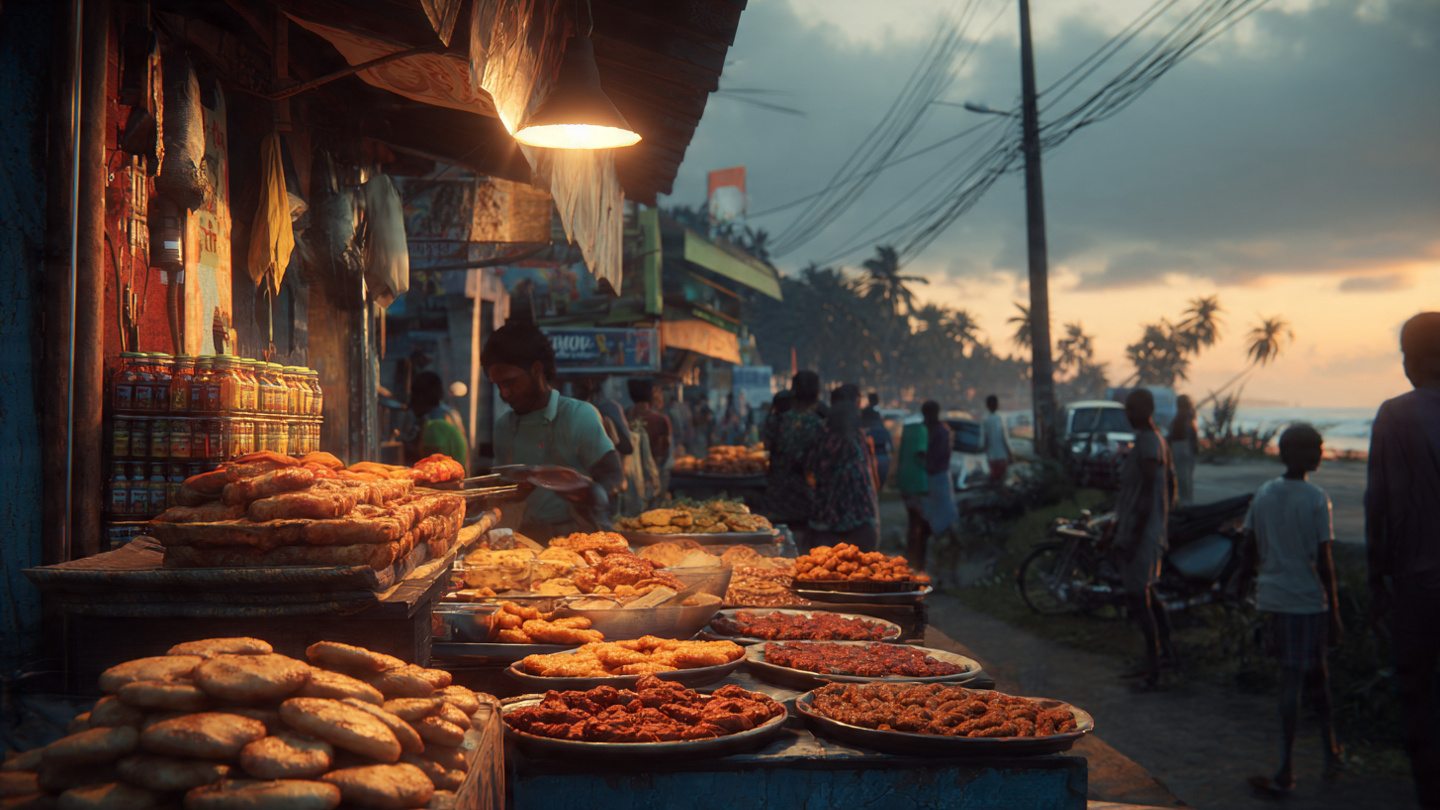
Sri Lankan street food is a celebration of taste, culture, simplicity, and identity. Whether it is the loud excitement of kottu roti, the crispy joy of isso wade, the comfort of roast paan, or the bold punch of achcharu, every dish offers something unforgettable.
For anyone exploring Sri Lanka — whether as a traveler or as someone rediscovering local flavors — street food is one of the best ways to experience the island authentically. It is affordable, flavorful, and deeply connected to everyday life.
Sometimes, the best food memories do not come from fancy dining tables. They come from a roadside stall, a paper packet in your hand, the smell of spice in the air, and the feeling that you are tasting something truly local.
And that is exactly what makes Sri Lankan street food so special.
Most Popular






Anaya
comment1