



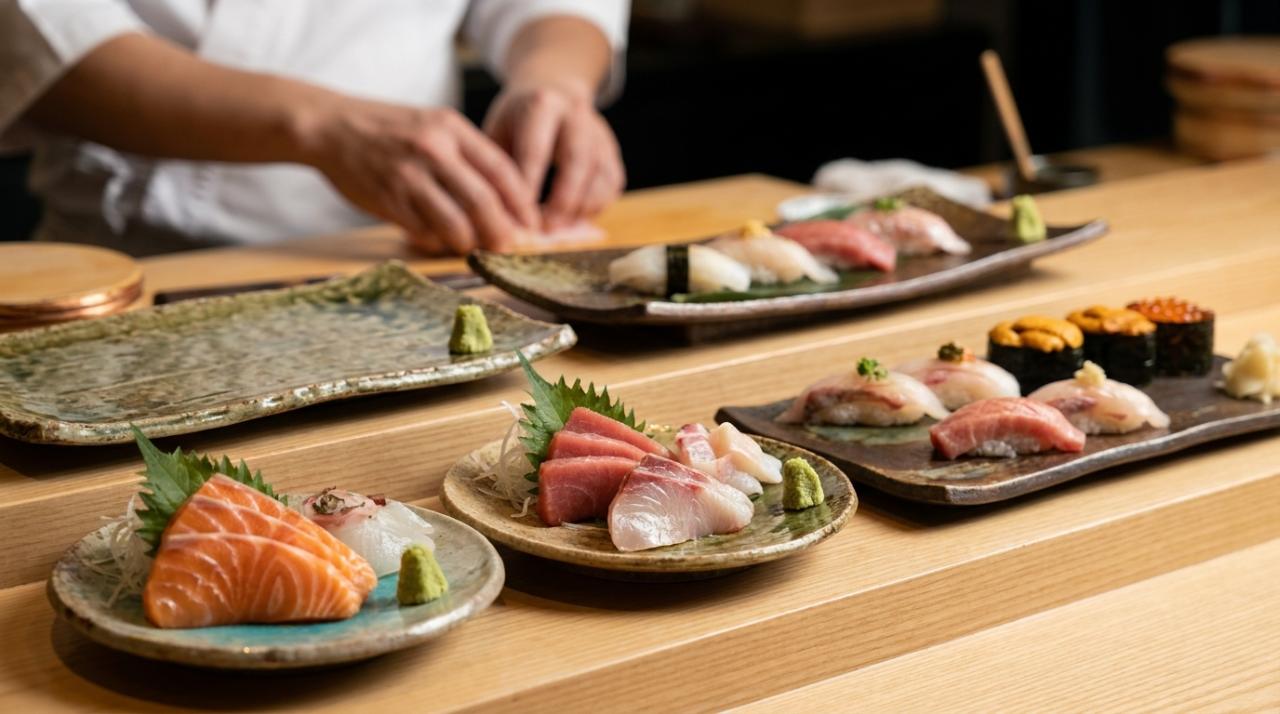
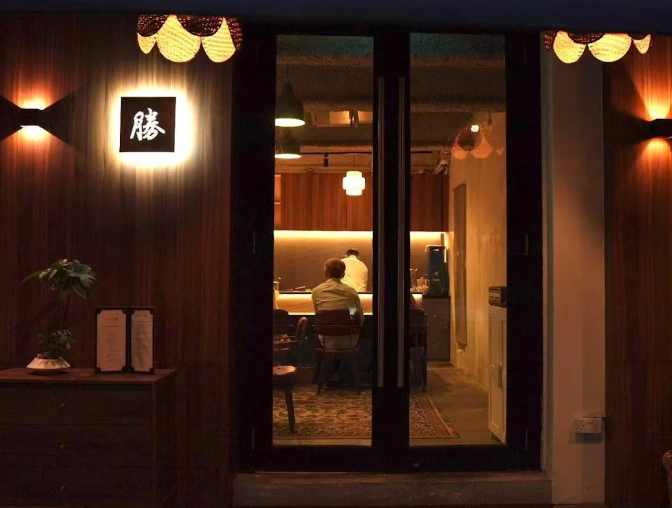
Singapore is a paradise for food lovers, where international flavours meet exciting culinary traditions. Among the city's most memorable dining experiences is Japanese omakase, a style of dining that places trust in the chef's expertise and celebrates carefully selected ingredients. For those who appreciate delicate seafood, beautifully prepared sushi, and the artistry behind Japanese cuisine, SHO 勝 Japanese Omakase offers an invitation to explore the world of Japanese seafood.
From the delicate simplicity of sashimi to the balanced flavours of nigiri sushi, Japanese seafood cuisine is about much more than eating. It is an appreciation of freshness, technique, texture, and presentation. For curious travellers and local food enthusiasts, discovering this culinary tradition can turn an ordinary meal into a memorable food journey.
Discover the Art of Japanese Seafood in Singapore
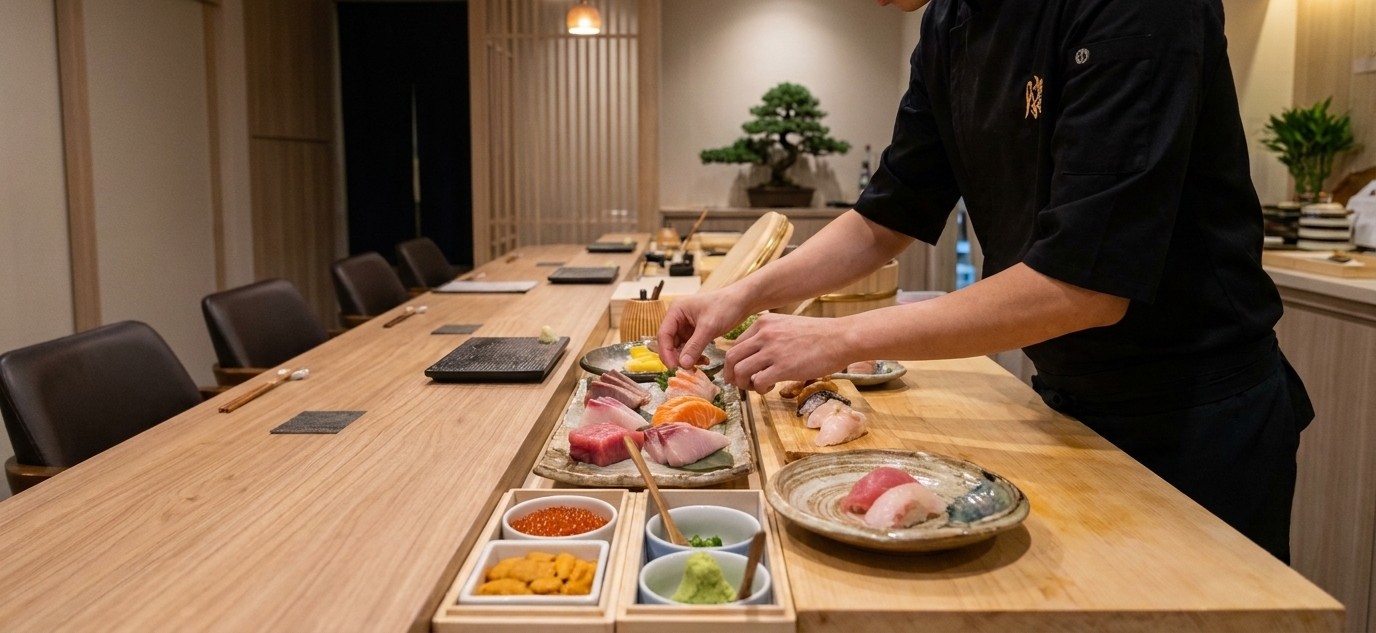
Singapore's Japanese dining scene offers a wide range of experiences, from casual sushi counters to intimate omakase restaurants. What makes omakase particularly appealing is its chef-led approach. Rather than choosing every dish from a conventional menu, diners place their trust in the chef to guide them through a carefully considered selection of flavours.
At SHO 勝 Japanese Omakase, the dining concept centres on the relationship between culinary craftsmanship and the ingredients selected for the meal. According to the restaurant's official website, its experience features chef-prepared courses, seasonal ingredients, and an intimate sushi counter setting.
This approach makes omakase appealing to diners who want to discover different expressions of Japanese cuisine while appreciating the skills involved in preparing each course.
Sashimi: Celebrating the Natural Flavours of Seafood
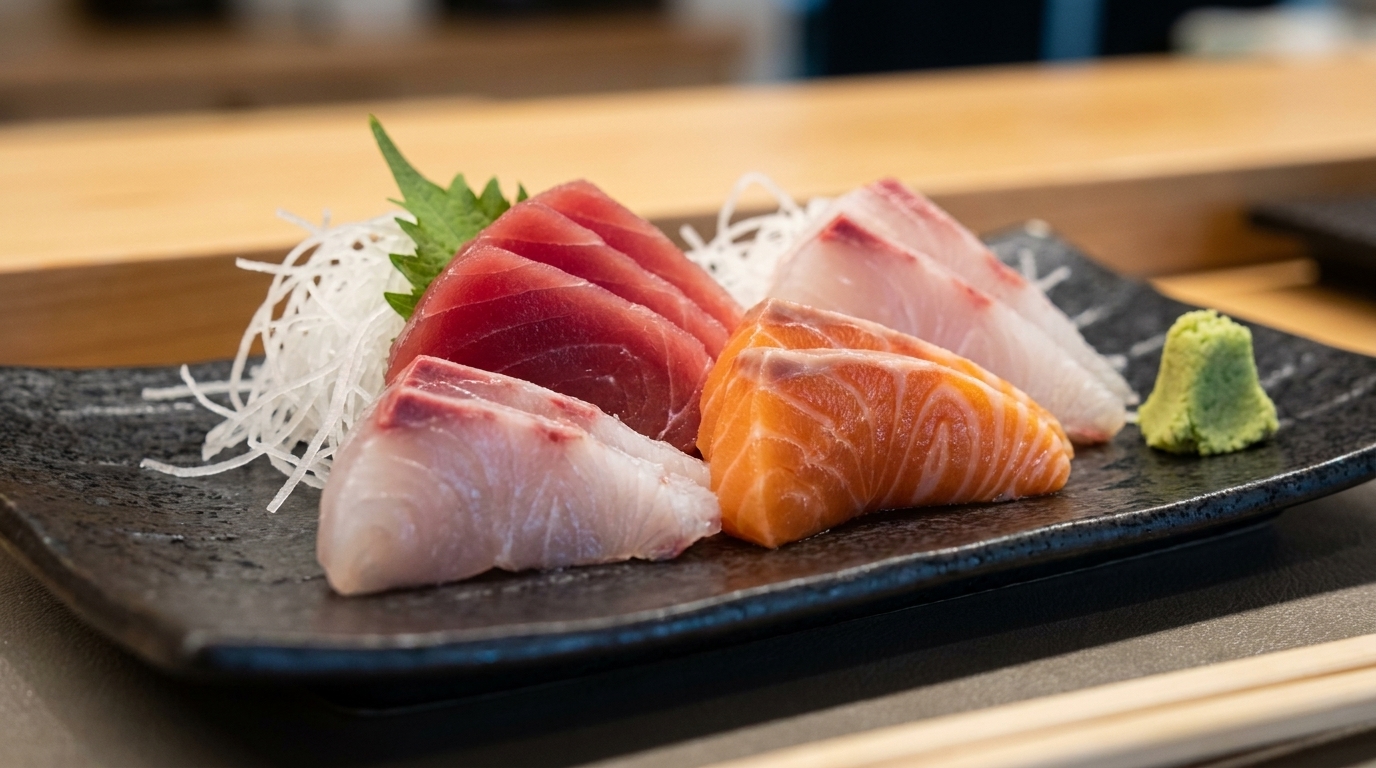
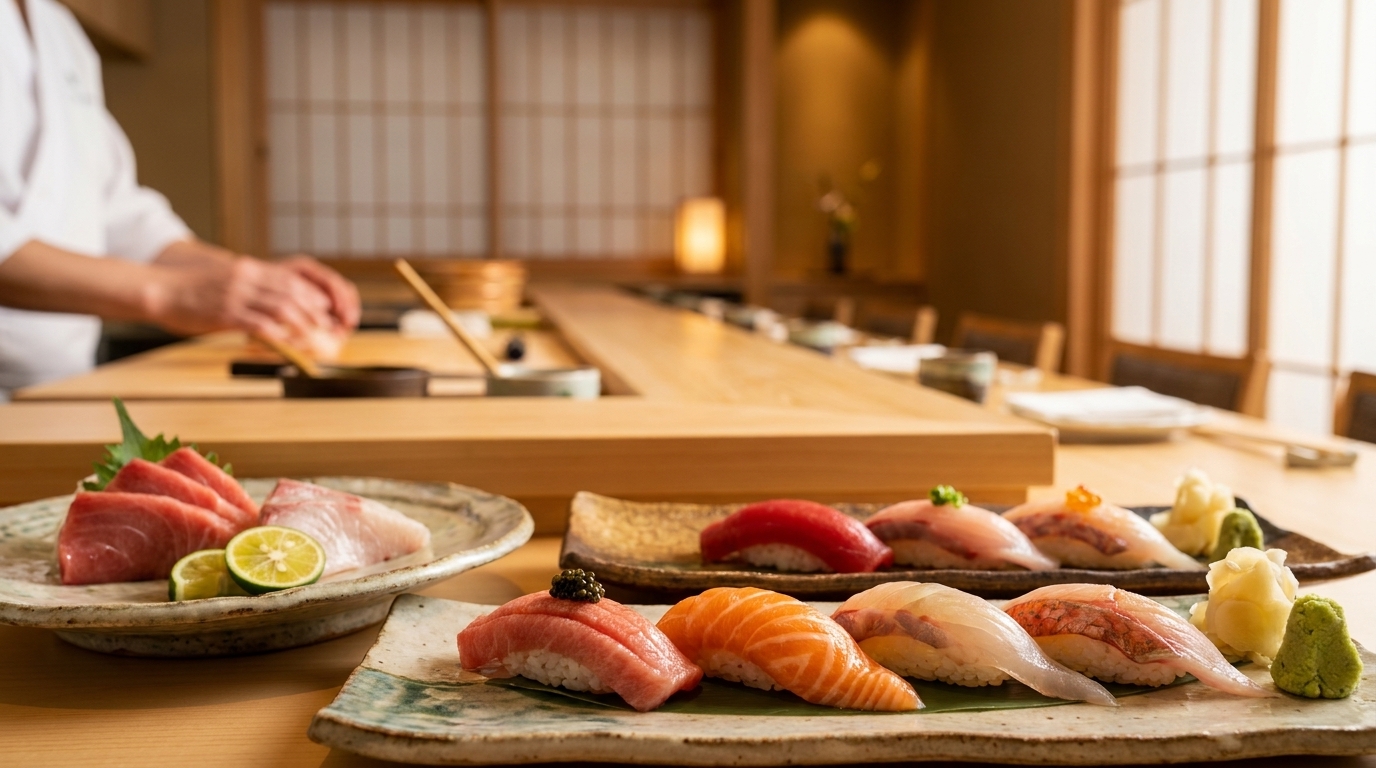
Sashimi is one of the most recognisable elements of Japanese cuisine. It consists of carefully sliced seafood served without the layer of vinegared rice associated with sushi. Because the preparation is relatively simple, the quality of the ingredients, the cutting technique, and the presentation become especially important.
Popular sashimi varieties include salmon, tuna, yellowtail, and different types of seasonal white fish. Each offers its own character. Salmon is often appreciated for its rich texture, tuna can range from clean and delicate to deeply buttery, and white fish may offer a subtle sweetness.
The experience is also influenced by how the seafood is sliced. Different cuts can highlight the texture and richness of the fish, while thoughtful garnishes and restrained seasoning allow its natural flavour to remain the focus.
For anyone exploring sashimi in Singapore, understanding these differences can make each bite more interesting. Instead of treating an assorted sashimi plate as a simple appetiser, diners can approach it as an opportunity to discover the individual characteristics of different seafood varieties.
Nigiri Sushi: The Perfect Balance of Rice and Fish
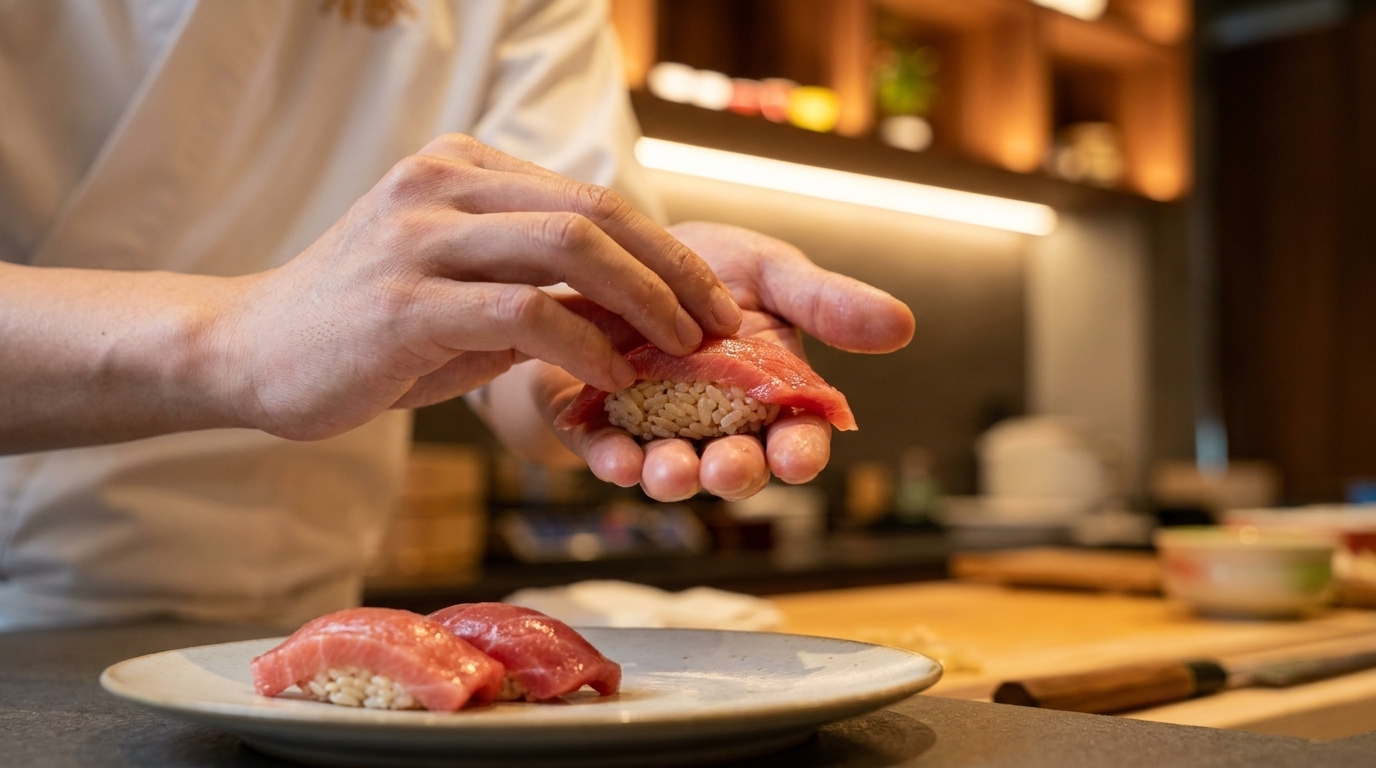
While sashimi celebrates seafood on its own, nigiri sushi introduces another essential element: carefully prepared sushi rice.
Nigiri typically consists of a small portion of seasoned rice shaped by hand and topped with a slice of seafood. Its simplicity requires precision. The rice must have the right texture and seasoning, while the seafood should complement it without overwhelming the balance of flavours.
Temperature also matters. Properly prepared sushi brings together the rice and topping in a way that allows their textures and flavours to work harmoniously.
For sushi enthusiasts, comparing different nigiri pieces can reveal how much variety exists within such a simple-looking dish. A delicate white-fish nigiri may offer subtle flavours, while richer tuna varieties can create a fuller, more indulgent experience.
This attention to detail is one reason nigiri remains central to traditional Japanese sushi dining and modern omakase experiences.
What Makes Omakase Different?
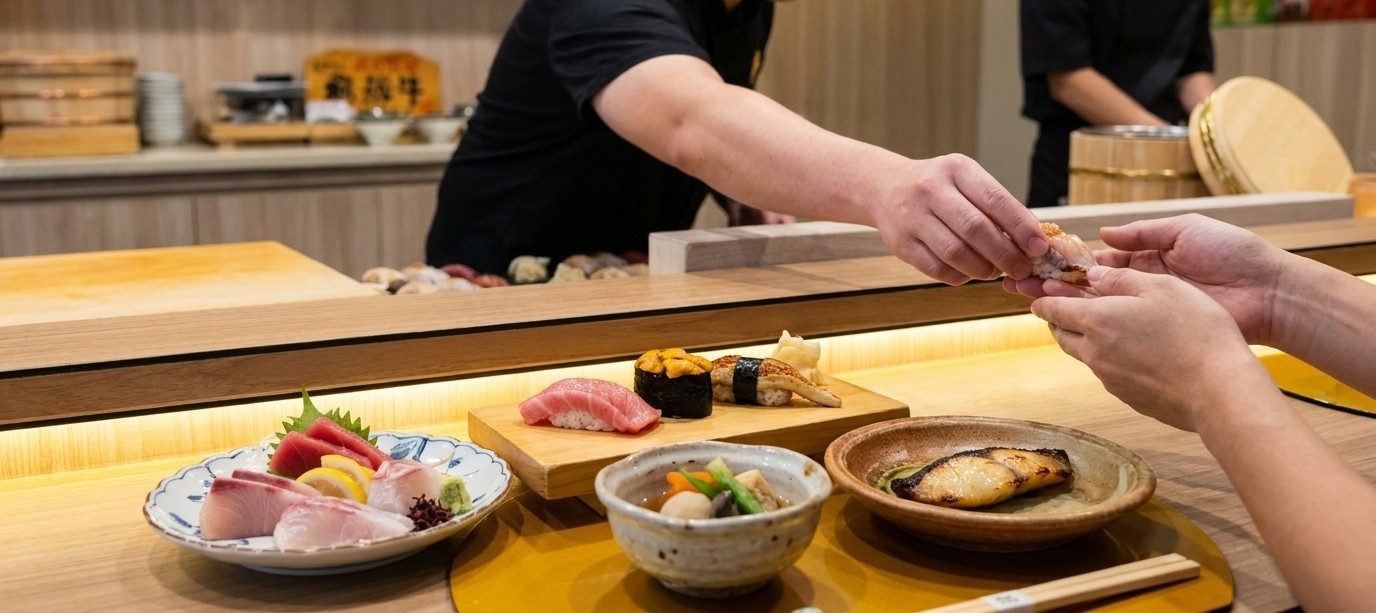
The Japanese word omakase expresses the idea of leaving the selection to the chef. Instead of ordering each course independently, diners allow the chef to curate a sequence based on the restaurant's approach and the ingredients available.
An omakase meal may include appetisers, sashimi, nigiri, cooked seafood, seasonal specialities, and dessert. The precise selection varies between restaurants and can change depending on ingredient availability.
The progression of the meal is an important part of the experience. Lighter flavours can introduce the palate, while richer dishes may appear later. Each course offers a different texture, temperature, or flavour profile, creating variety throughout the meal.
At SHO 勝 Japanese Omakase, guests can explore this chef-led style in an intimate dining environment. For first-time visitors, omakase provides an opportunity to discover dishes they might not normally choose themselves. Experienced sushi lovers, meanwhile, may appreciate the chance to focus on technique, seasonality, and the chef's interpretation of Japanese cuisine.
The Importance of Seasonal Japanese Ingredients
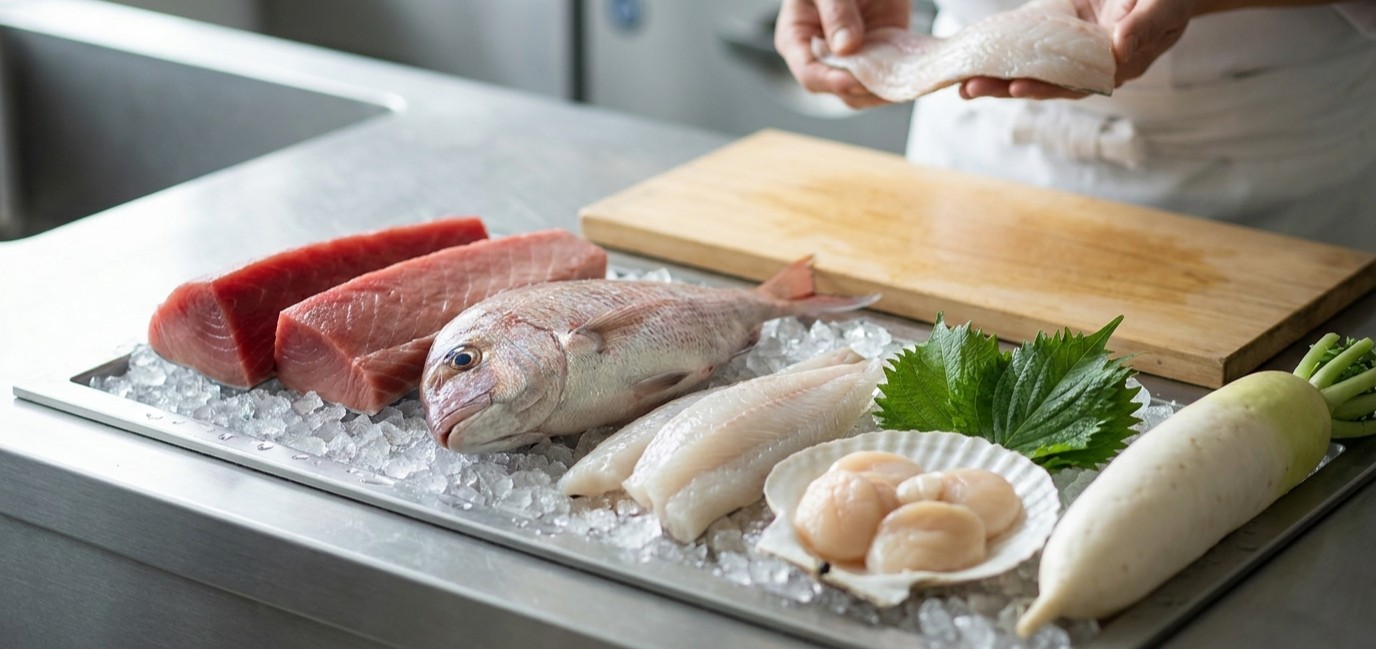
Seasonality has a long-standing place in Japanese food culture. Rather than relying on exactly the same ingredients throughout the year, Japanese cuisine often celebrates products when they are at their best.
Seafood availability can change with fishing seasons, environmental conditions, and sourcing practices. These variations influence the ingredients chefs can select and the dishes they create.
For diners, seasonal menus can offer a different experience on each visit. A fish that is particularly appealing during one period may be replaced by another variety when availability changes.
SHO's official website highlights seasonal ingredients and seafood sourced from Japan as part of its culinary approach. This ingredient-led philosophy reflects a wider principle of Japanese dining: allowing the quality and character of the ingredients to guide the final dish.
How to Appreciate a Japanese Omakase Experience
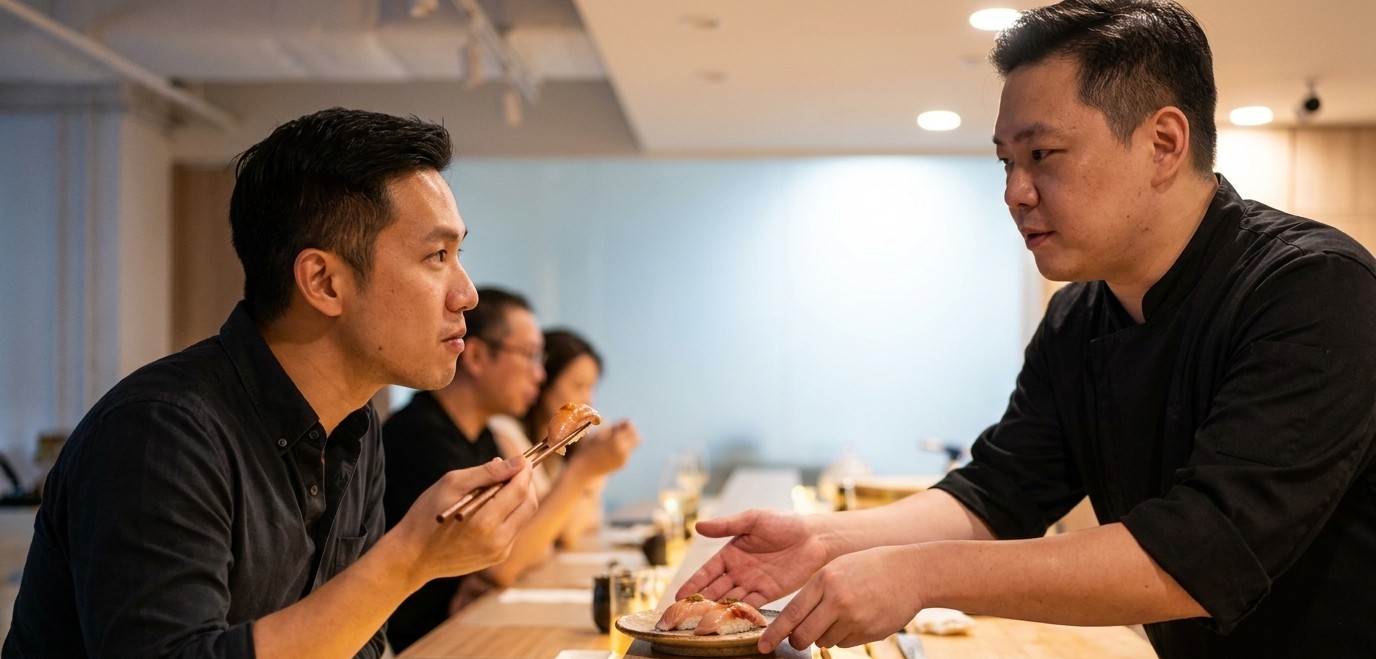
You do not need to be a sushi expert to enjoy omakase. A little curiosity can make the experience more rewarding.
Start with an open mind. Be willing to discover unfamiliar seafood and preparations. If you have allergies, dietary restrictions, or foods you cannot eat, communicate them to the restaurant before the meal begins.
Pay attention to texture. Notice the difference between firm white fish, tender salmon, and richer cuts of tuna. Texture can be just as important as flavour.
Appreciate the details. Observe the rice, the cut of the fish, the seasoning, and the way each piece is presented. Small differences can have a noticeable effect on the overall experience.
Ask questions when appropriate. If the setting allows conversation, asking about a fish variety or preparation technique can help you understand the culinary tradition behind the dish.
Enjoy the progression. Rather than rushing through each course, take time to appreciate how the flavours develop throughout the meal.
Why SHO 勝 Deserves a Place on Your Singapore Food List
For visitors discovering Singapore's Japanese food scene, SHO 勝 Japanese Omakase is a restaurant to explore when looking for a chef-led seafood dining experience. Its published concept brings together seasonal ingredients, Japanese culinary craftsmanship, and an intimate counter setting.
The appeal of this style of dining lies in the details: the careful preparation of seafood, the balance of sushi rice and toppings, and the opportunity to experience different dishes as part of a curated meal.
Whether you are a dedicated sashimi enthusiast, a nigiri sushi lover, or someone discovering omakase for the first time, Japanese seafood offers plenty to explore. Each dish provides another way to appreciate the relationship between ingredients, technique, and tradition.
Before visiting, check the restaurant's current menu, course options, prices, and reservation details, as these can change with seafood availability and restaurant offerings.
A Japanese Seafood Experience Worth Discovering
From the clean simplicity of sashimi to the delicate balance of nigiri, Japanese seafood demonstrates how thoughtful preparation can transform a few carefully selected ingredients into something memorable.
SHO 勝 Japanese Omakase brings this chef-led dining concept into Singapore's diverse food landscape, offering food lovers another opportunity to explore Japanese culinary traditions.
For your next Singapore food adventure, look beyond familiar sushi rolls and discover the craft behind each slice, each piece of rice, and each carefully prepared course. Sometimes, the most memorable dining experiences are found in the simplest details.
Discover Japanese seafood, appreciate the art of omakase, and add SHO 勝 Japanese Omakase to your Singapore food journey.
Most Popular










Anaya
comment1