



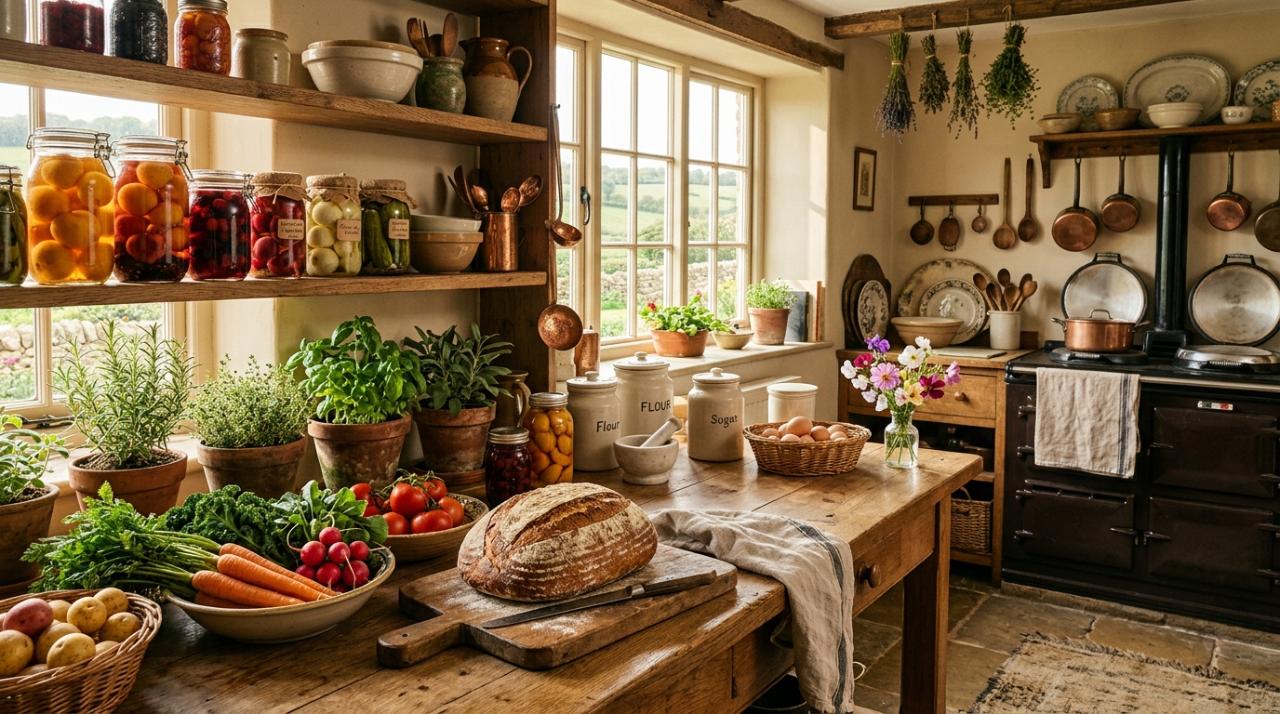
In today's fast-paced world, it's easy to lose touch with where our food comes from. Convenience often takes priority over quality, and many of us rely on packaged meals or ingredients that have traveled thousands of miles before reaching our kitchens. The slow living movement offers a refreshing alternative—one that encourages mindful cooking, seasonal eating, and a deeper appreciation for every meal.
A slow living kitchen is more than a place to prepare food. It becomes a space where fresh ingredients, traditional preservation methods, and homemade recipes come together to create meals that nourish both the body and the soul. By embracing seasonal produce and sustainable practices, you can enjoy better flavors, reduce food waste, and build a meaningful connection with the food you eat every day.
What Is a Slow Living Kitchen?
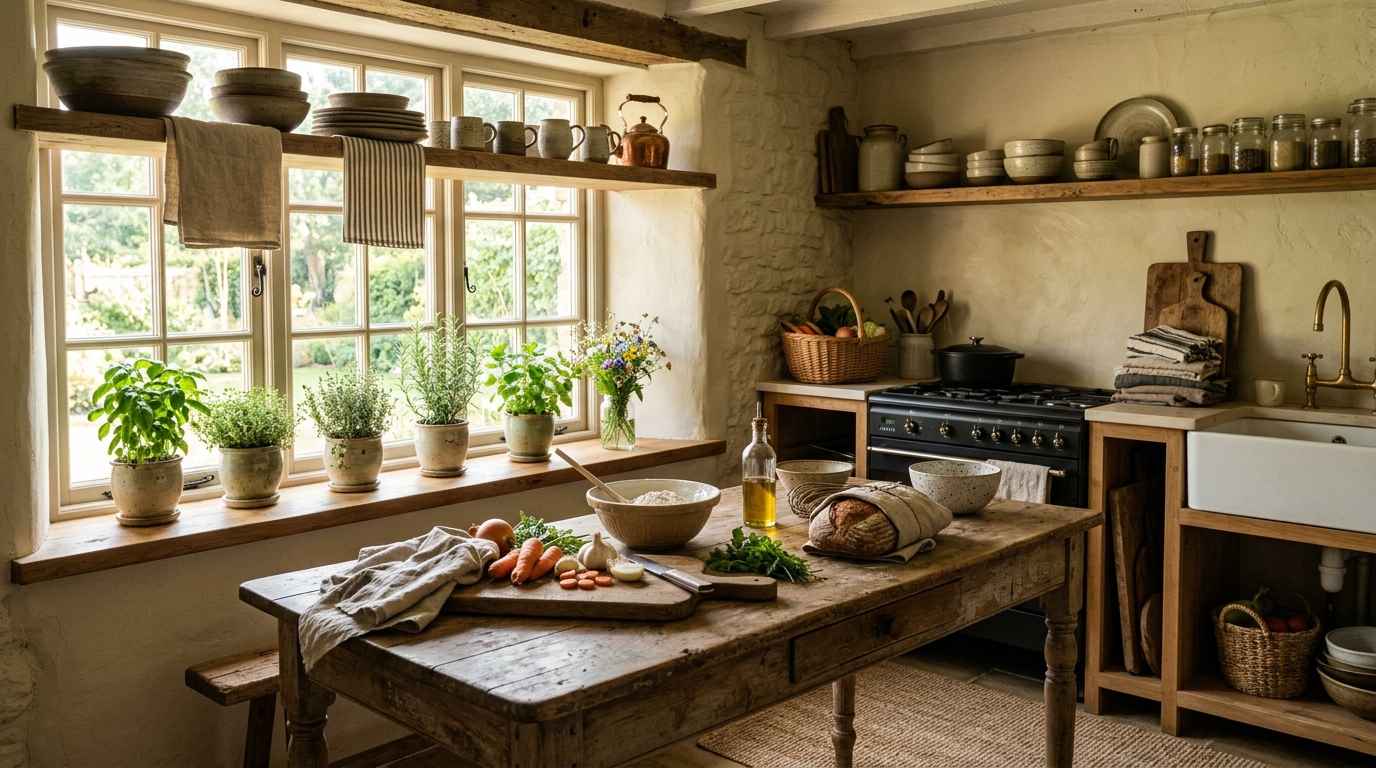
A slow living kitchen is built around intentional cooking and mindful food choices. Rather than rushing through meal preparation, it encourages taking the time to cook from scratch, use fresh seasonal ingredients, and appreciate the process of creating something homemade.
The philosophy doesn't require expensive equipment or gourmet ingredients. Instead, it focuses on simple techniques, thoughtful planning, and making the most of what nature provides throughout the year. Whether you're baking fresh bread, preserving summer berries, or preparing a hearty vegetable soup, every recipe becomes an opportunity to slow down and enjoy the experience.
The Benefits of Seasonal Cooking
Eating with the seasons is one of the foundations of slow living. Fruits and vegetables harvested at their natural peak often have better flavor, higher nutritional value, and a smaller environmental footprint than produce transported over long distances.
Seasonal cooking also brings variety to your meals throughout the year. Spring offers fresh asparagus, peas, and leafy greens. Summer delivers juicy tomatoes, berries, zucchini, and sweet corn. Autumn fills the kitchen with pumpkins, squash, apples, and root vegetables, while winter provides hearty cabbage, citrus fruits, and warming soups.
Following the natural growing cycle encourages creativity in the kitchen and helps you discover new recipes with every season.
Preserving Nature's Harvest
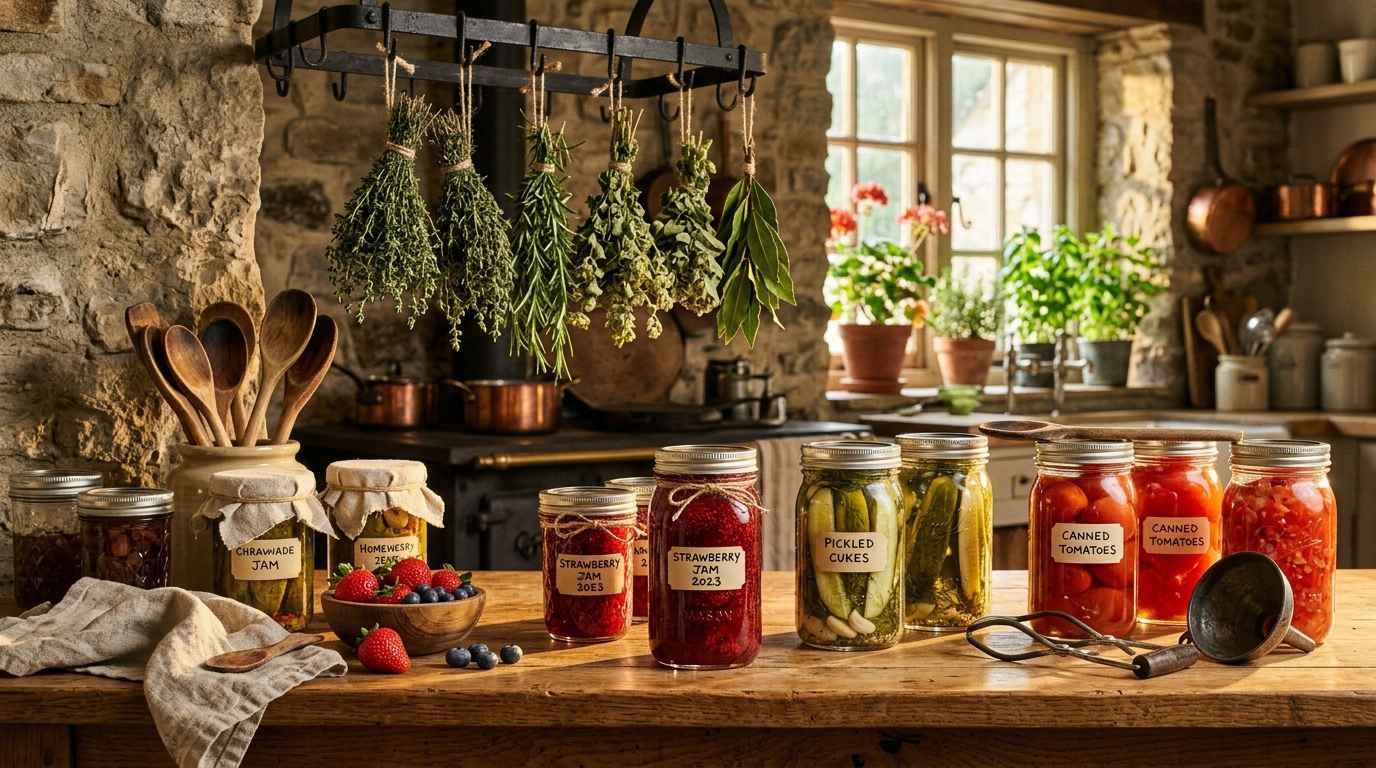
One of the most rewarding aspects of slow living is preserving fresh produce for future enjoyment. Preservation techniques have been used for generations, allowing families to enjoy seasonal flavors long after the harvest has ended.
Popular preservation methods include:
- Water bath canning for jams and fruit preserves
- Pickling cucumbers, onions, and peppers
- Freezing fresh berries and vegetables
- Drying herbs and fruits
- Fermenting vegetables like cabbage for sauerkraut
- Making homemade tomato sauces and fruit compotes
These methods reduce food waste while ensuring your pantry is stocked with homemade ingredients year-round.
Building a Sustainable Pantry
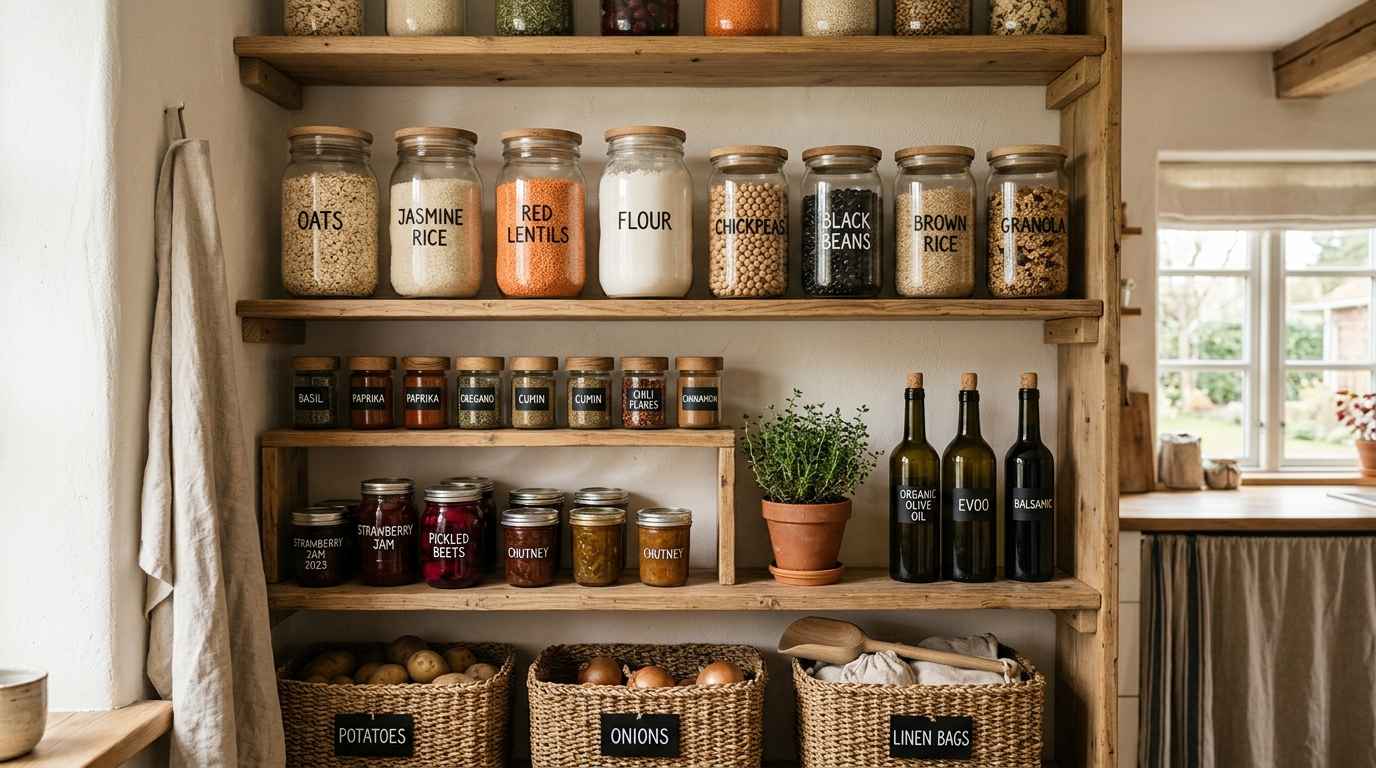
A well-organized pantry makes seasonal cooking both enjoyable and practical. Instead of relying on heavily processed foods, a slow living pantry is filled with wholesome staples that can be combined into countless nourishing meals.
Essential pantry ingredients include:
- Whole grains such as oats, rice, and barley
- Dried beans and lentils
- Flour for homemade baking
- Local honey and natural sweeteners
- Olive oil and vinegar
- Homemade preserves
- Dried herbs and spices
- Nuts and seeds
- Homemade broths
- Seasonal canned vegetables
Keeping these ingredients on hand allows you to prepare simple meals without frequent grocery trips while reducing unnecessary packaging waste.
Simple Recipes That Celebrate Fresh Ingredients
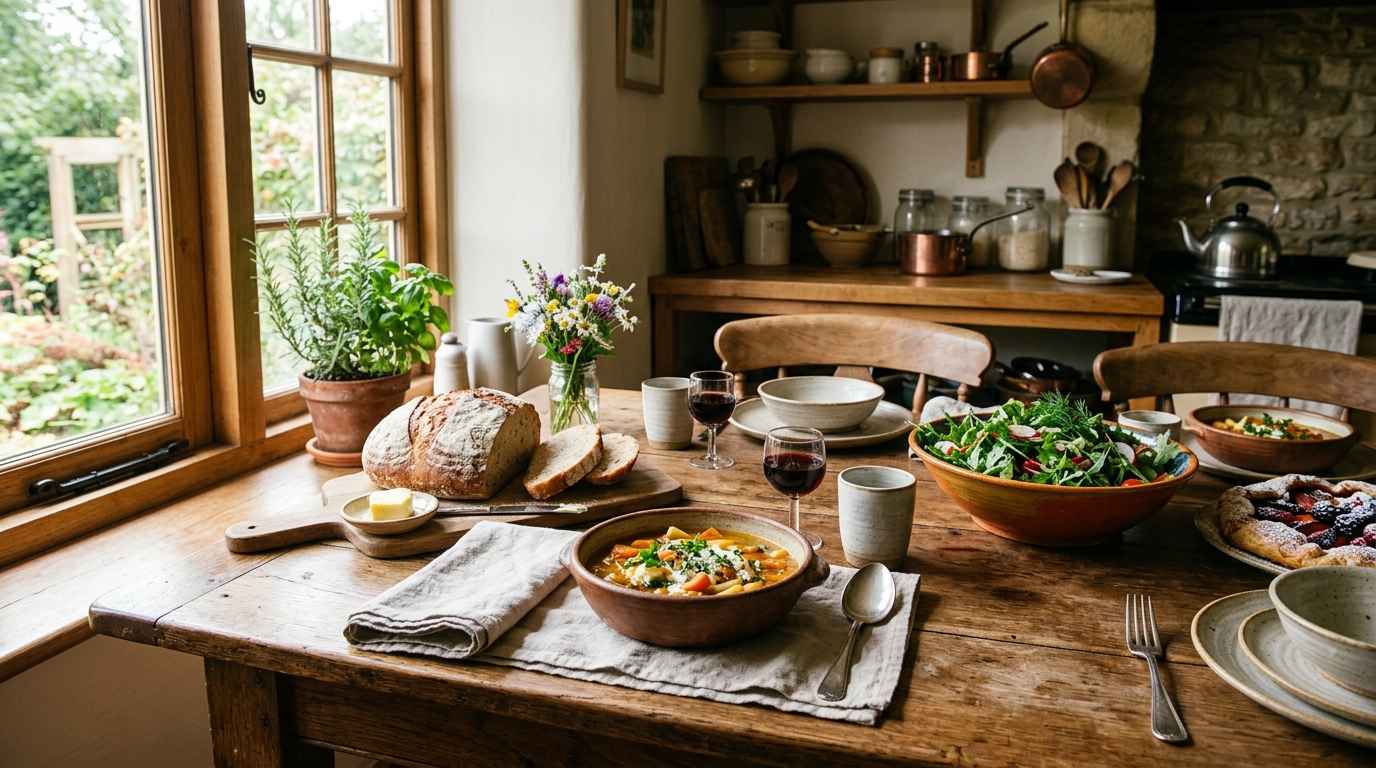
The beauty of slow cooking lies in allowing quality ingredients to shine. Rather than using complicated techniques, many seasonal recipes rely on fresh produce, herbs, and simple seasoning.
Some comforting slow living recipes include:
- Roasted vegetable soup
- Fresh tomato pasta
- Homemade vegetable quiche
- Garden herb focaccia
- Seasonal fruit crumble
- Rustic apple galette
- Butternut squash risotto
- Slow-cooked bean stew
- Berry jam
- Fresh herb pesto
These dishes highlight natural flavors while bringing warmth and comfort to the table.
Reducing Food Waste Naturally
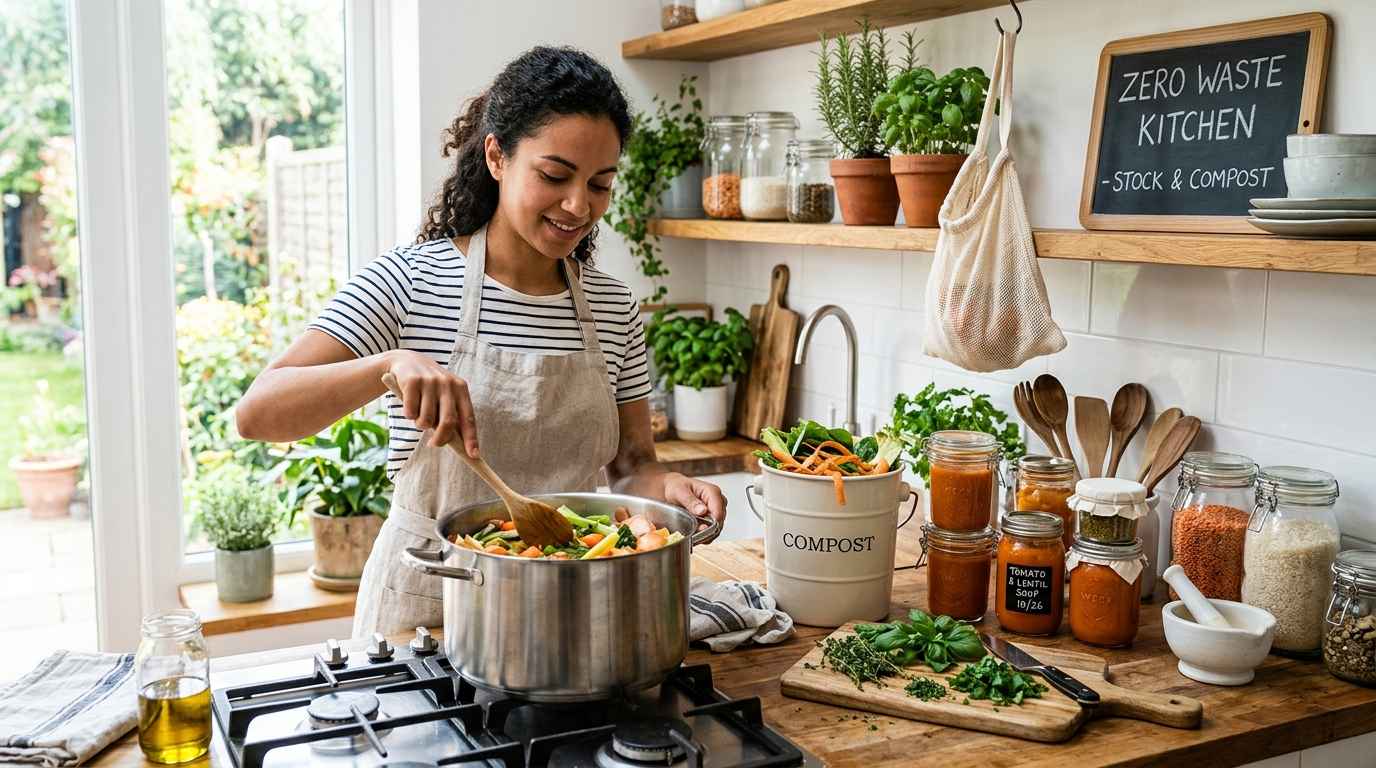
A slow living kitchen encourages using every part of your ingredients whenever possible. Vegetable scraps can be transformed into flavorful stock, stale bread becomes homemade croutons or breadcrumbs, and ripe fruit can be turned into smoothies or preserves.
Creative ways to minimize waste include:
- Composting kitchen scraps
- Repurposing leftovers into new meals
- Freezing herbs in olive oil
- Making broth from vegetable peelings
- Baking overripe bananas into bread
- Turning extra vegetables into soups or casseroles
Small habits like these can significantly reduce household food waste while saving money.
Cooking as a Daily Ritual
Preparing meals doesn't have to feel like another task on your to-do list. Slow living encourages turning cooking into a calming daily ritual.
Play your favorite music, brew a cup of tea, chop vegetables mindfully, and enjoy the aromas filling your kitchen. Baking bread, stirring homemade soup, or preparing fresh herbs can become peaceful moments that help you disconnect from busy schedules and reconnect with the present.
Cooking with intention often brings a greater appreciation for each meal and the effort behind it.
Supporting Local Farmers and Communities
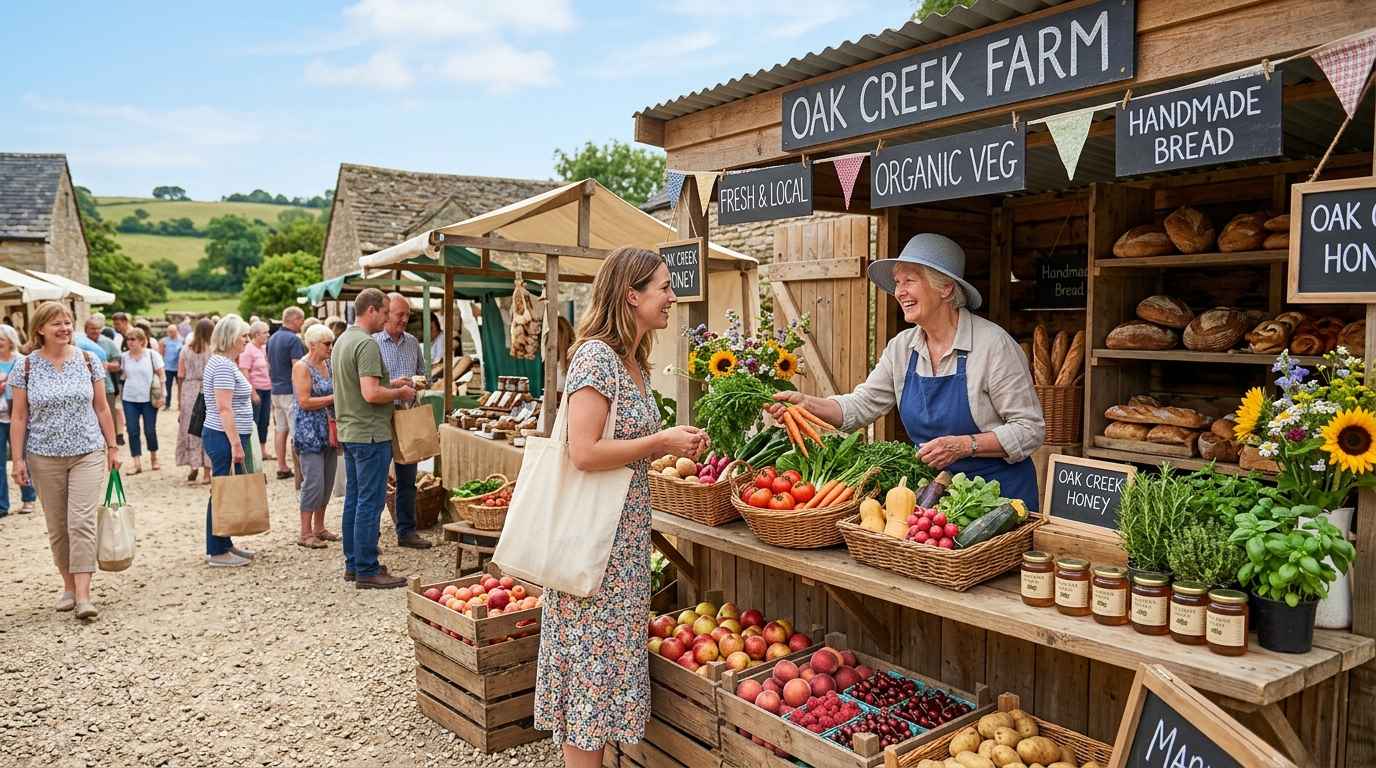
Choosing locally grown produce benefits more than just your meals. Farmers' markets and local farms often provide fresher ingredients while supporting small businesses and sustainable agriculture.
Buying locally also helps reduce transportation emissions and keeps money within your community. Developing relationships with local growers allows you to learn more about seasonal crops, farming practices, and new ingredients you may not have tried before.
The result is fresher food and a stronger connection to the people who grow it.
Creating Meaningful Family Traditions

Food has always been a way to bring people together. Whether you're making homemade jam with children, baking bread on weekends, or preparing holiday meals with loved ones, cooking creates lasting memories that extend far beyond the table.
Simple traditions like preserving summer berries, harvesting herbs from the garden, or preparing seasonal dinners become cherished family rituals that can be passed down through generations.
These shared experiences strengthen relationships while teaching valuable cooking skills and an appreciation for homemade food.
Small Steps Toward a Slower Lifestyle
You don't have to overhaul your entire routine to embrace slow living. Small changes can make a meaningful difference over time.
Start by cooking one homemade meal each week using seasonal produce. Visit a local farmers' market, grow herbs on your windowsill, or learn one new preservation technique. Even preparing a simple soup from fresh vegetables can help you reconnect with the rhythms of nature.
The goal isn't perfection—it's building habits that make cooking more enjoyable and sustainable.
Bringing Slow Living Into Your Kitchen
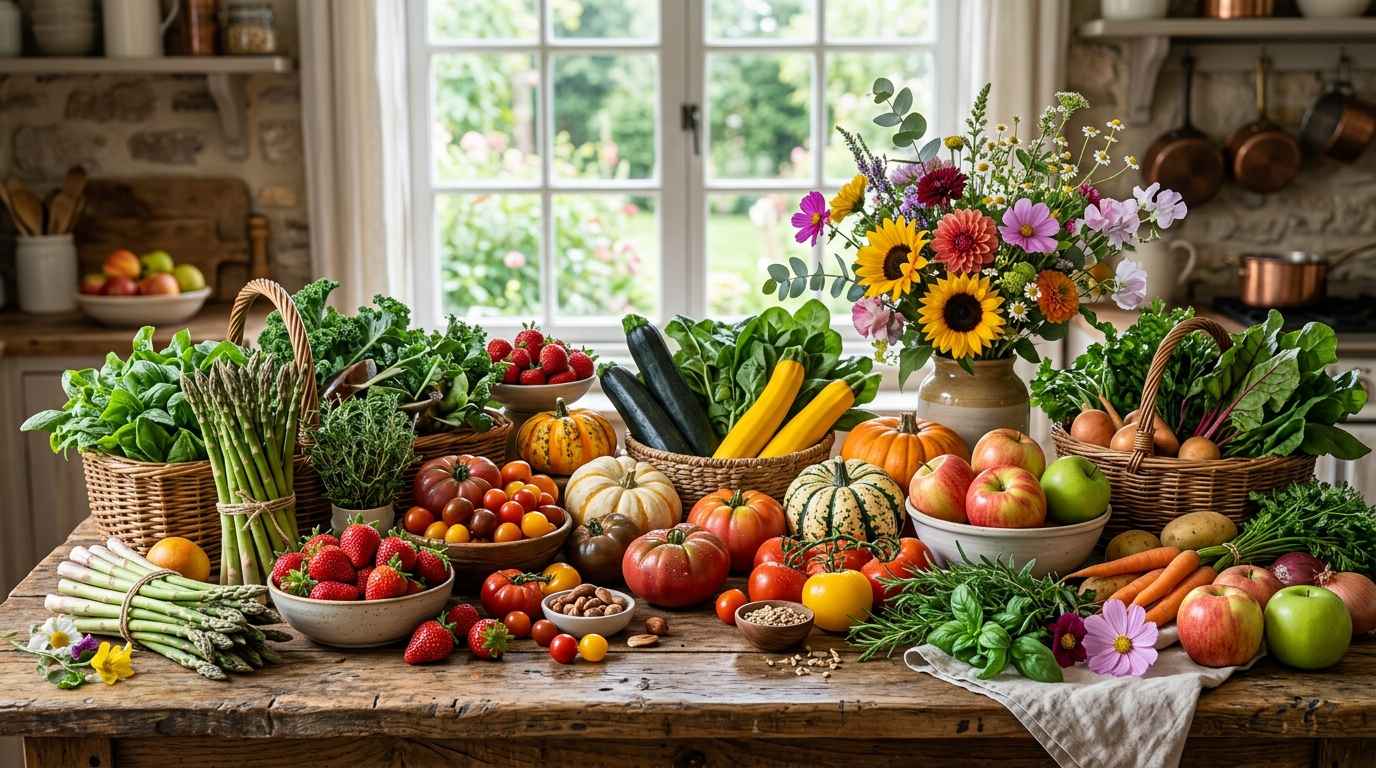
A slow living kitchen reminds us that food is about more than nourishment. It's about caring for ingredients, reducing waste, supporting local communities, and finding joy in everyday routines.
By embracing seasonal recipes, preserving fresh harvests, and cooking with intention, you create meals that are rich in flavor, tradition, and purpose. Every loaf of homemade bread, jar of preserved fruit, and bowl of hearty soup becomes a celebration of simple living.
When you slow down in the kitchen, you discover that the best meals aren't always the most elaborate—they're the ones prepared with care, shared with loved ones, and inspired by the seasons. In a world that often moves too quickly, the slow living kitchen offers a gentle reminder that good food, meaningful traditions, and mindful moments are always worth savoring.
Most Popular












Anaya
comment1