




Sri Lanka's Culinary Ascent: Competing on the World Stage
Sri Lanka, an island nation steeped in history and vibrant culture, has long been celebrated for its breathtaking landscapes and warm hospitality. But beyond the pristine beaches and ancient ruins lies another treasure: its incredible food. For years, Sri Lankan cuisine has been a delightful, yet often understated, experience. However, a quiet revolution has been brewing in its bustling cities and serene coastal towns. Sri Lankan restaurants are no longer just serving authentic local dishes; they are transforming into culinary destinations, actively competing with global standards in fine dining, innovation, and unforgettable experiences.

The Evolution of Sri Lankan Dining
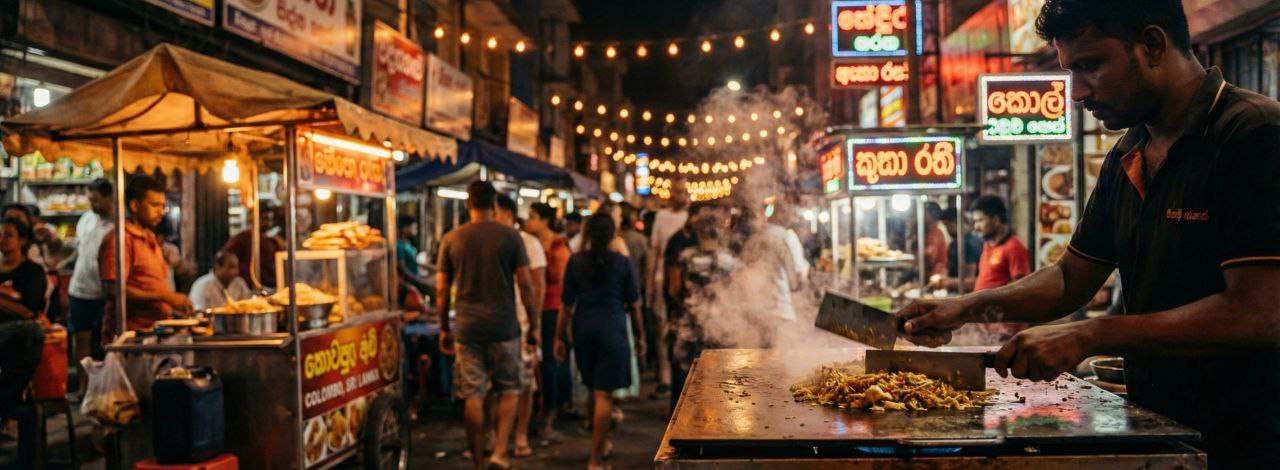
The journey of Sri Lankan restaurants from humble eateries to establishments vying for international recognition is a testament to passion, dedication, and a keen understanding of evolving global tastes. For a long time, the culinary scene was dominated by traditional family recipes and the warm, unpretentious charm of local kade (eateries). While these remain incredibly important and cherished, a new wave of chefs and restaurateurs has emerged, armed with global training, a flair for creativity, and an ambition to showcase Sri Lanka's diverse culinary heritage on a grander scale.

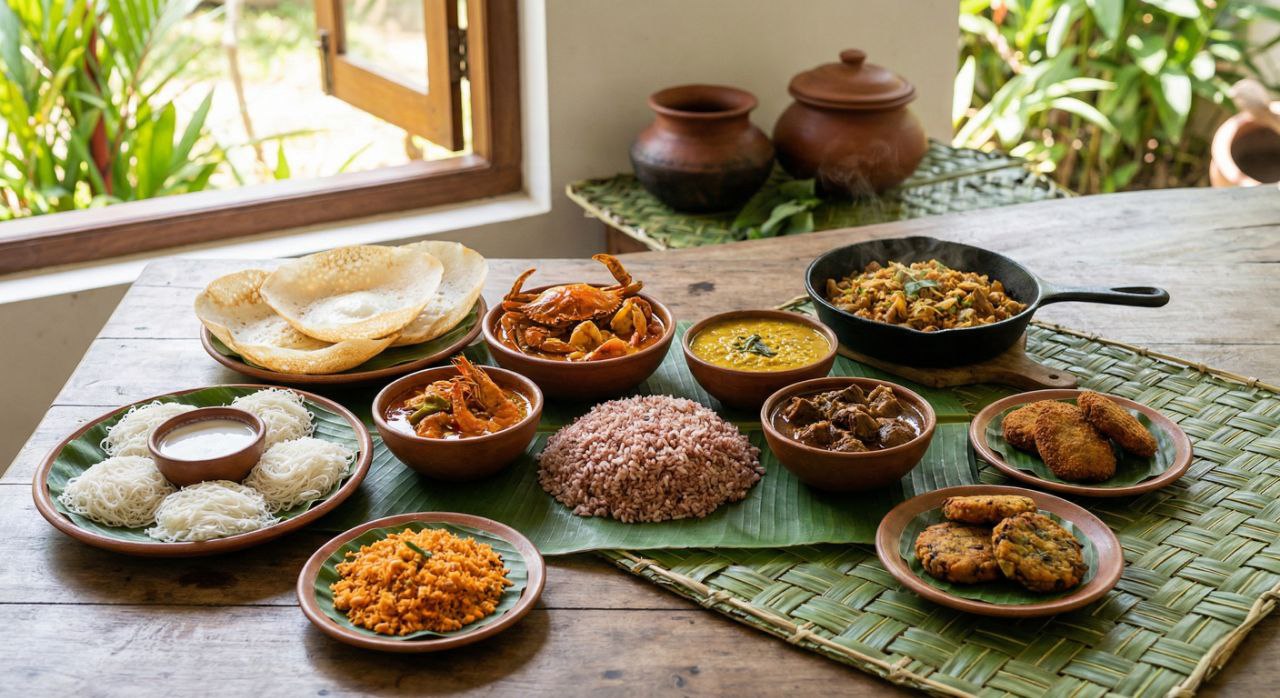
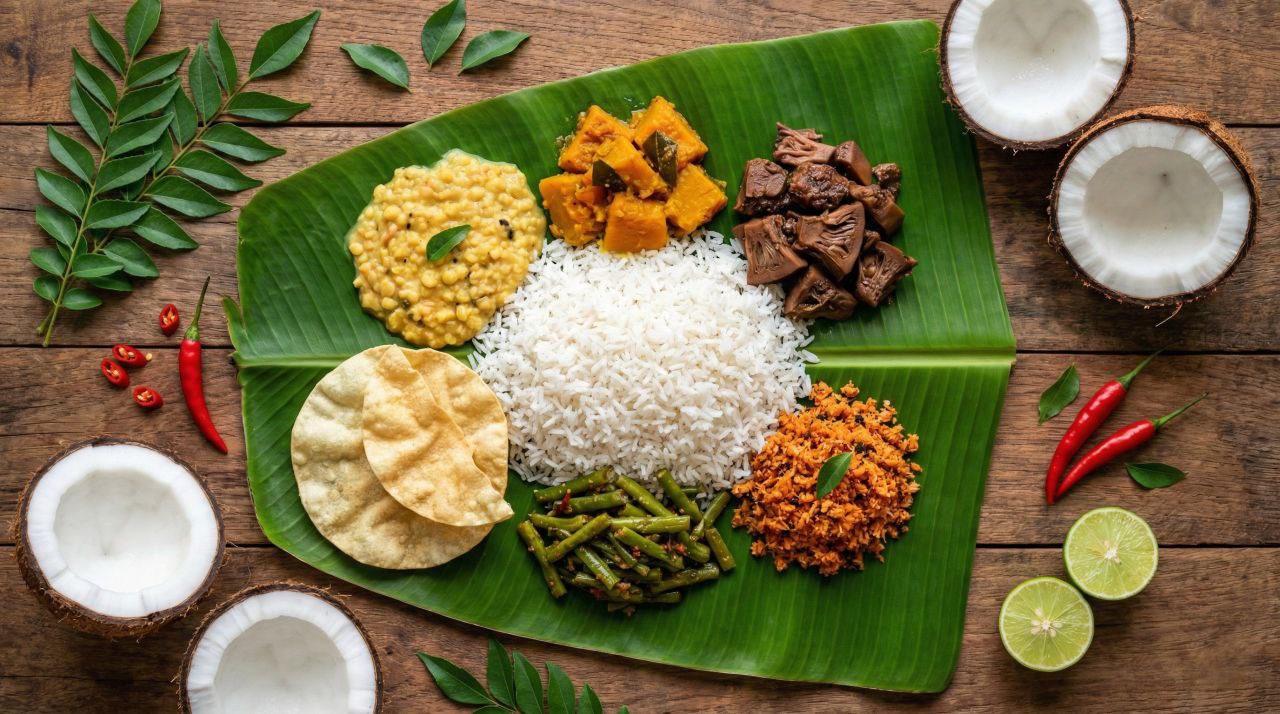
This evolution isn't about abandoning roots; it's about elevating them. Think of it as taking the foundational, comforting flavors of rice and curry, Kottu Roti, and hoppers, and presenting them with the finesse, artistry, and attention to detail that one would expect from a Michelin starred restaurant. This involves meticulous sourcing of ingredients, often from local organic farms, a deeper understanding of flavor profiles, and an emphasis on presentation that is as pleasing to the eye as it is to the palate.
The Rise of Fine Dining in Colombo
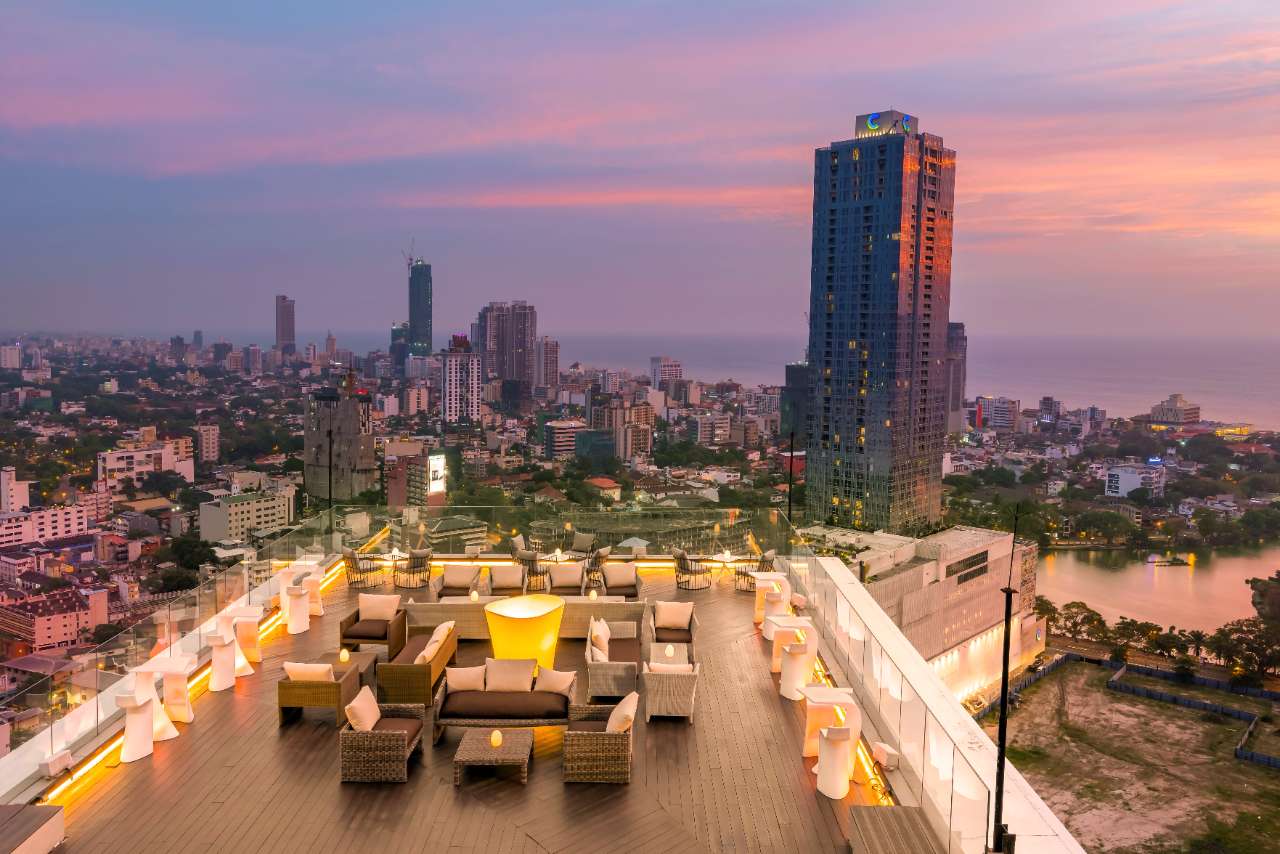
Colombo, the vibrant capital, has become the epicenter of this culinary transformation. The city, once known for its limited international dining options, now boasts a burgeoning fine dining scene. This is where Sri Lankan restaurants are truly stepping up to meet global standards. We're seeing establishments that rival the best in London, New York, or Tokyo in terms of ambiance, service, and, most importantly, the quality of food.
These new breed of restaurants are focusing on several key areas:
- Exceptional Ingredients: There's a renewed emphasis on using the freshest, locally sourced, and often organic ingredients. Chefs are working directly with farmers and fishermen to ensure the highest quality produce, seafood, and meats. This commitment to provenance not only enhances the flavor but also supports local communities and promotes sustainable practices.
- Innovative Presentation: Gone are the days of simple, rustic plating. Sri Lankan fine dining now involves artistic plating, a fusion of colors, textures, and heights that transform each dish into a work of art. The visual appeal is just as crucial as the taste.
- Global Techniques, Local Flavors: Chefs are blending traditional Sri Lankan spices and cooking methods with international culinary techniques. This results in dishes that are both familiar and excitingly new. For instance, a classic seafood curry might be presented as a deconstructed dish with foams, gels, and carefully arranged elements, offering a multi sensory experience.
- Impeccable Service: World-class service is a hallmark of global fine dining, and Sri Lankan restaurants are excelling here. From the moment you step through the door, you are greeted with warmth, professionalism, and an attentiveness that anticipates your every need. Staff are knowledgeable about the menu, the wine list, and the cultural context of the dishes.
- Curated Ambiance: The dining environment is no longer an afterthought. Restaurants are investing in sophisticated interior design, creating spaces that are both elegant and comfortable, reflecting Sri Lanka's rich cultural heritage while embracing modern aesthetics.

Fusion and Modern Sri Lankan Cuisine
One of the most exciting trends is the rise of fusion cuisine. Chefs are fearlessly experimenting, drawing inspiration from Sri Lanka's diverse cultural influences – from its ancient Ayurvedic traditions to its colonial past and its proximity to India and Southeast Asia. This has led to dishes that are innovative, surprising, and utterly delicious.
Imagine a Sri Lankan hoppers with a twist – perhaps a delicate seafood ceviche nestled within, or a savory duck confit filling. Or consider a contemporary take on a Pol Sambol, elevated with truffle oil and microgreens. These are not just culinary experiments; they are thoughtful reinterpretations that pay homage to the original flavors while introducing them to a global palate.
This approach to modern Sri Lankan cuisine allows for greater accessibility for international diners who may be new to the island's flavors. It bridges the gap between the unfamiliar and the inviting, offering a gateway to appreciating the complexity and depth of Sri Lankan gastronomy.

The Influence of Luxury and Tourism
Sri Lanka's booming tourism industry has undoubtedly played a significant role in this culinary renaissance. As the country attracts more discerning travelers seeking authentic yet refined experiences, there's a growing demand for high-quality dining. Luxury hotels and resorts are leading the charge, investing in world-class restaurants that often feature internationally acclaimed chefs or showcase the best of Sri Lankan culinary talent.
These establishments act as ambassadors for Sri Lankan food, providing visitors with a memorable introduction to its flavors and ingredients. They set a benchmark for excellence that encourages independent restaurants to elevate their own offerings. The competition is healthy, pushing everyone to innovate and maintain high standards.
Furthermore, the concept of 'farm to table' and 'sea to plate' is gaining traction, aligning Sri Lankan dining with a global movement towards sustainable and ethical food consumption. This resonates with conscious travelers and locals alike, who are increasingly interested in where their food comes from and how it is produced.

Technology and Global Reach
While traditional hospitality remains key, technology is also playing a part in Sri Lankan restaurants competing on a global scale. Online reservation systems, sophisticated social media marketing, and professional websites are no longer luxuries but necessities. Restaurants are using these tools to reach a wider audience, showcase their menus and ambiance, and engage with customers.
The use of online review platforms and food bloggers also provides valuable feedback and exposure, allowing restaurants to refine their offerings and attract both local and international patrons. This digital presence helps to demystify Sri Lankan cuisine for a global audience and makes it easier for them to discover these emerging culinary gems.

Looking Ahead: A Culinary Future in the Spotlight
The trajectory of Sri Lankan restaurants is undeniably upward. They are not just surviving; they are thriving, proving that authentic flavors can be presented with global sophistication. The blend of rich culinary heritage, innovative chefs, a focus on quality ingredients, and world-class service is creating a dining experience that is truly world class.
Whether you are a seasoned food connoisseur or an adventurous traveler, a visit to Sri Lanka offers an unparalleled opportunity to experience this culinary evolution firsthand. From the refined elegance of Colombo's fine dining establishments to the charming, elevated eateries in the hill country and coastal towns, the island is a testament to how tradition and modernity can deliciously converge.
Sri Lankan restaurants are no longer just a reflection of local culture; they are becoming active participants in the global culinary conversation, showcasing the island's unique flavors and vibrant spirit to the world. The future of Sri Lankan dining is bright, and it promises to be a delicious journey for all.

Most Popular




Anaya
comment1