




In today's interconnected world, the appreciation for diverse culinary experiences has never been greater. From the bustling street food stalls of Bangkok to the refined bistros of Paris, food has become a powerful passport, allowing us to explore cultures and connect with people across the globe without ever leaving our tables. This journey of taste, often referred to as "Taste Beyond Borders," is a testament to the universal language of food and its ability to transcend geographical and cultural divides.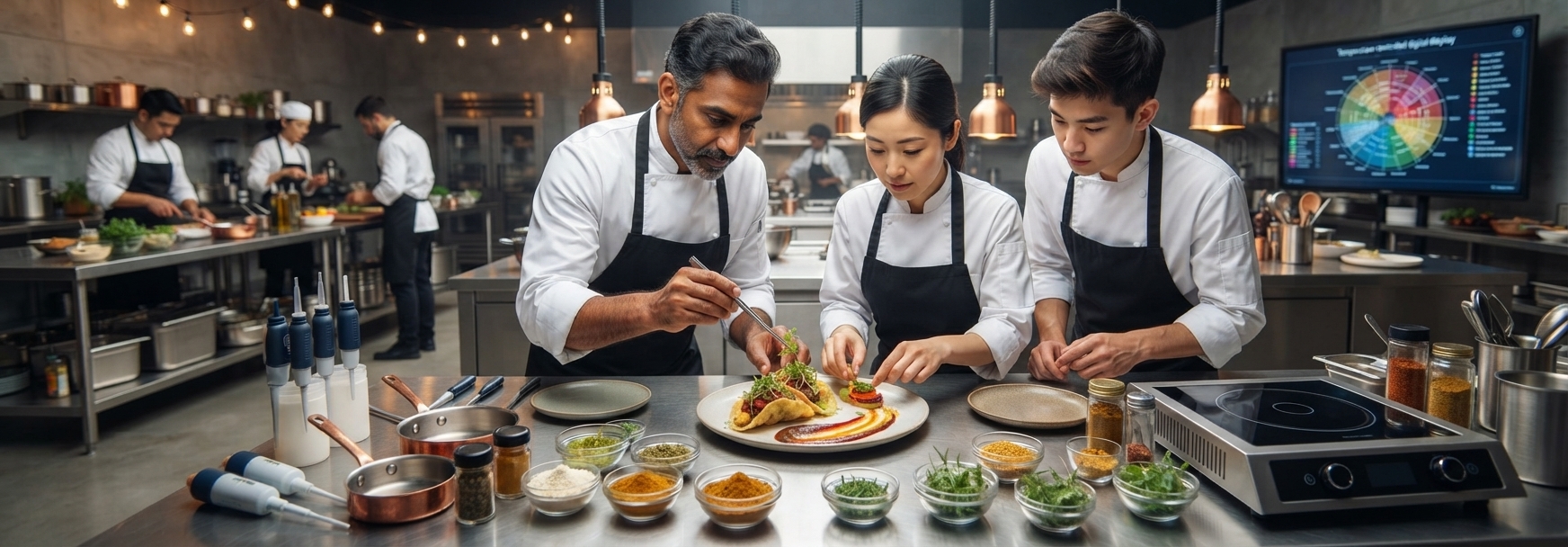
A Tapestry of Global Cuisines
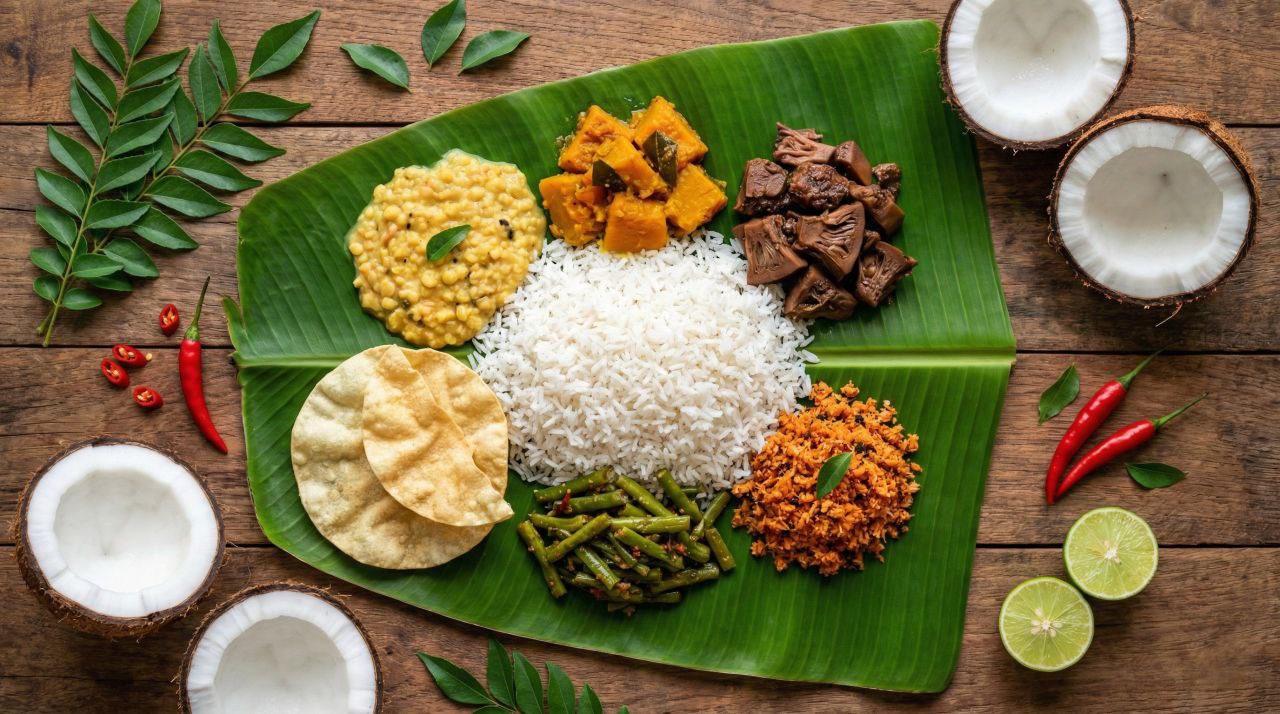
The beauty of global cuisine lies in its sheer variety. Each region, and indeed each locality, boasts unique ingredients, traditional cooking methods, and distinct flavor profiles that tell a story of its history, climate, and people. Consider the vibrant spices of Indian curries, the delicate balance of sweet and savory in Japanese dishes, the comforting richness of Italian pasta, or the fiery zest of Mexican mole. These are not just meals; they are cultural expressions, passed down through generations.
The Rise of Fusion and Innovation
While traditional cuisines remain cherished, the culinary landscape is also constantly evolving. The fusion of different culinary traditions has given rise to exciting new flavors and dishes. Chefs worldwide are experimenting with innovative techniques and ingredient combinations, creating a dynamic and ever changing gastronomic scene. This blend of old and new, familiar and exotic, offers endless possibilities for adventurous eaters.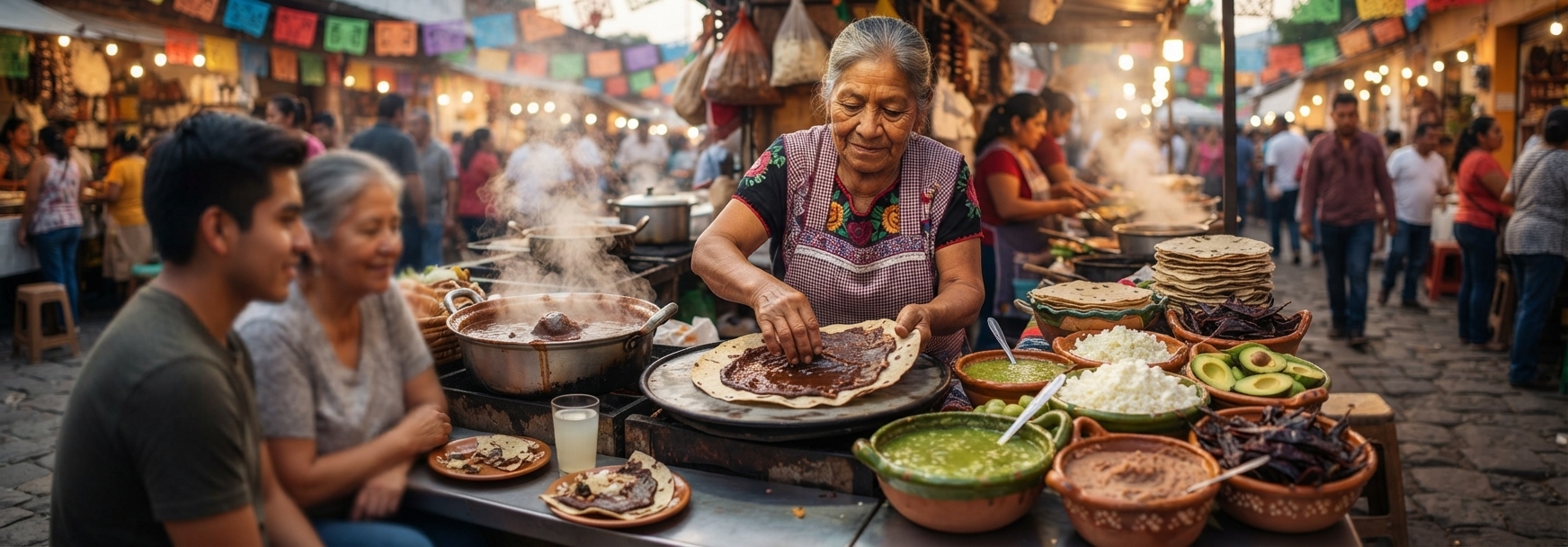
The Cultural Significance of Food
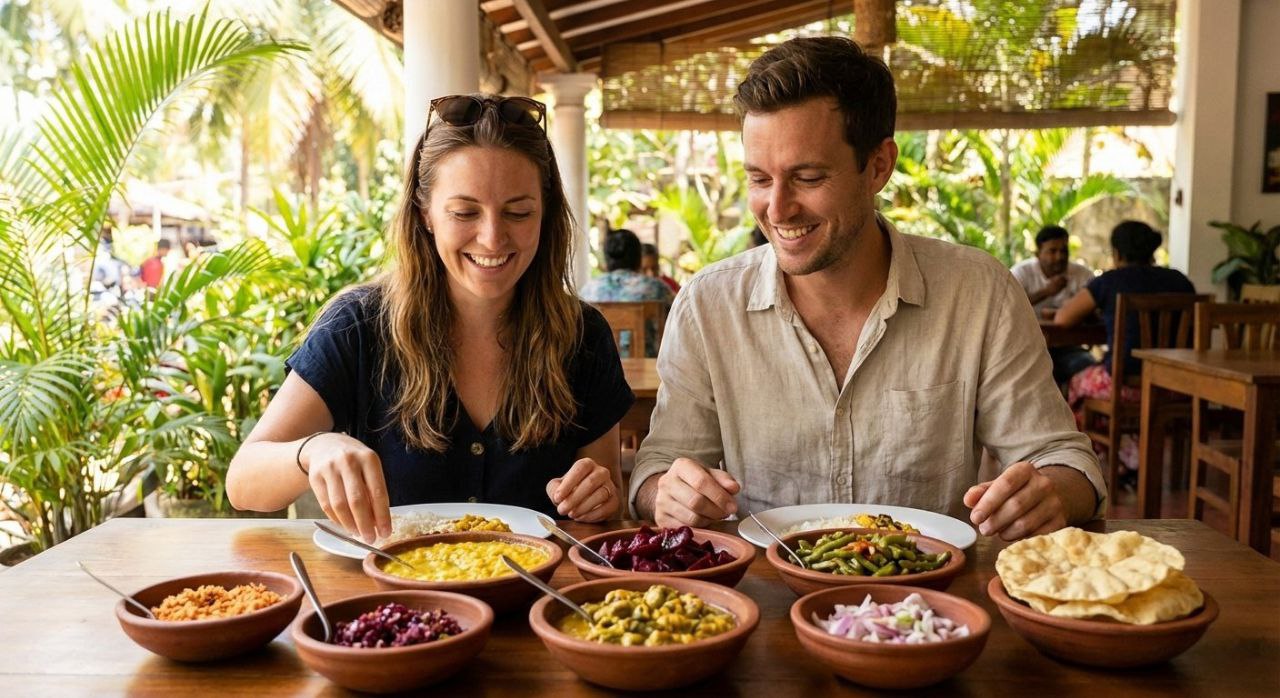
Food is more than just sustenance; it's a cornerstone of social interaction, family gatherings, and cultural celebrations. Sharing a meal is a fundamental human experience that fosters connection and understanding. Exploring different cuisines allows us to gain a deeper appreciation for the traditions and values of other cultures. Whether it's the communal spirit of a Moroccan tagine or the elegant ritual of a Japanese tea ceremony, food plays a central role in bringing people together.
Navigating the Culinary Landscape
The accessibility of global cuisines has been significantly enhanced by technology and travel. With the rise of international travel and the proliferation of diverse restaurants in cities around the world, it's easier than ever to embark on a culinary adventure. Furthermore, the internet and social media have made it possible to discover new recipes, connect with chefs and food bloggers, and even learn about cooking techniques from afar. This digital interconnectedness has democratized the exploration of global flavors.
Sustainability and Conscious Consumption
As we continue to embrace "Taste Beyond Borders," there's also a growing awareness of the importance of sustainable and ethical food practices. Consumers are increasingly seeking out restaurants and producers who prioritize local sourcing, responsible farming, and minimal environmental impact. This conscious approach to food consumption not only benefits the planet but also enhances the appreciation for the quality and origin of the ingredients we enjoy.
The journey of tasting beyond borders is an ongoing exploration. It's an invitation to be curious, to be open to new experiences, and to savor the incredible diversity that the world's kitchens have to offer. Each bite is an opportunity to learn, to connect, and to celebrate the rich tapestry of human culture through the universal language of food.

Most Popular









Anaya
comment1