



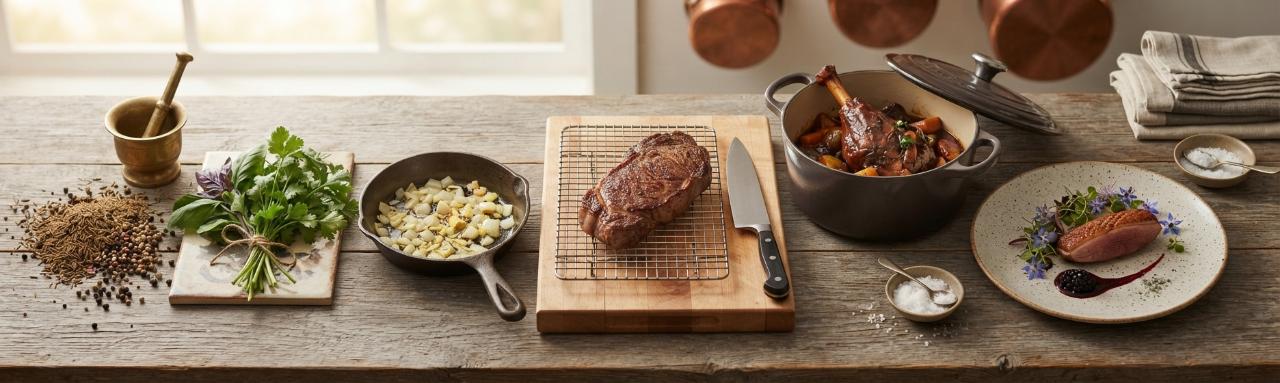
In a world increasingly focused on convenience, the true art of delicious cooking often gets overlooked. Beyond simply sustenance, cooking is a creative expression, a way to connect with others, and a journey of sensory exploration. Whether you are a seasoned chef or a curious beginner, understanding the fundamental principles of flavor and technique can elevate your dishes from ordinary to extraordinary. This exploration delves into the essence of what makes food truly delectable, offering insights that will inspire your culinary adventures.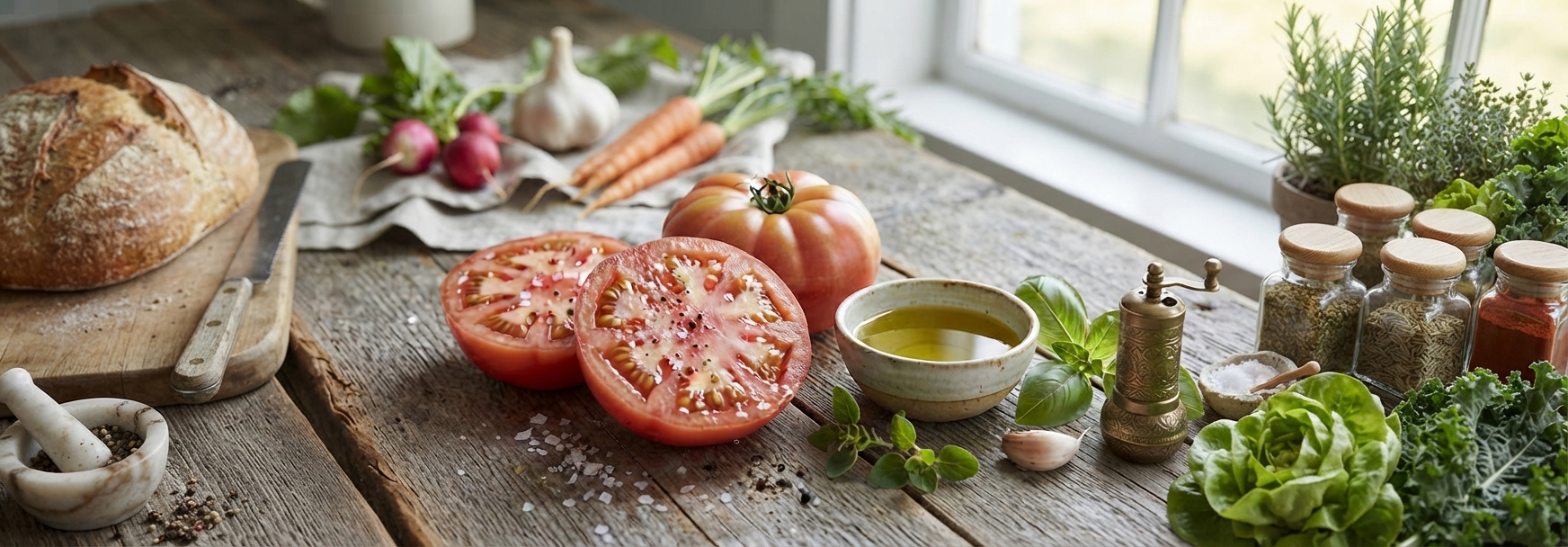
Understanding Ingredients and Palates
The secret to delicious cooking lies first and foremost in the quality and harmony of its ingredients. Fresh, seasonal produce forms the backbone of any great dish. Understanding where your food comes from, how it's grown, and its natural flavor profile is crucial. Beyond individual ingredients, it's about how they interact. The five basic tastes – sweet, sour, salty, bitter, and umami – are the building blocks of flavor. Masterfully balancing these elements is key. Think of a perfectly ripe tomato; it offers sweetness, a touch of acidity, and a subtle umami. Adding a pinch of salt enhances all these notes, while a drizzle of good olive oil introduces richness and its own peppery bitterness.
Umami, often referred to as the fifth taste, is the savory depth that makes dishes incredibly satisfying. It's found in ingredients like mushrooms, aged cheeses, cured meats, and fermented products. Incorporating umami rich ingredients can add a profound layer of flavor that is often described as the essence of deliciousness.
Mastering Essential Cooking Techniques
Technique is the bridge that transforms raw ingredients into culinary masterpieces. Each cooking method imparts a unique character to food. Searing, for instance, creates a beautiful Maillard reaction, browning the surface of meats and vegetables to develop complex, caramelized flavors and appealing textures. Roasting, particularly in a hot oven, allows for even cooking and the development of rich, concentrated flavors, ideal for meats, root vegetables, and even fruits.
Steaming is a gentle method that preserves the natural flavors and nutrients of delicate ingredients like fish and vegetables, offering a light and healthy approach to cooking. Braising, a combination of searing and simmering in liquid, is perfect for tougher cuts of meat, rendering them incredibly tender and infusing them with the flavors of the braising liquid. Understanding when to use each technique, and how to execute it properly, is fundamental to achieving delicious results. Even simple techniques like sautéing require attention to heat control and the order in which ingredients are added to ensure optimal flavor development and texture.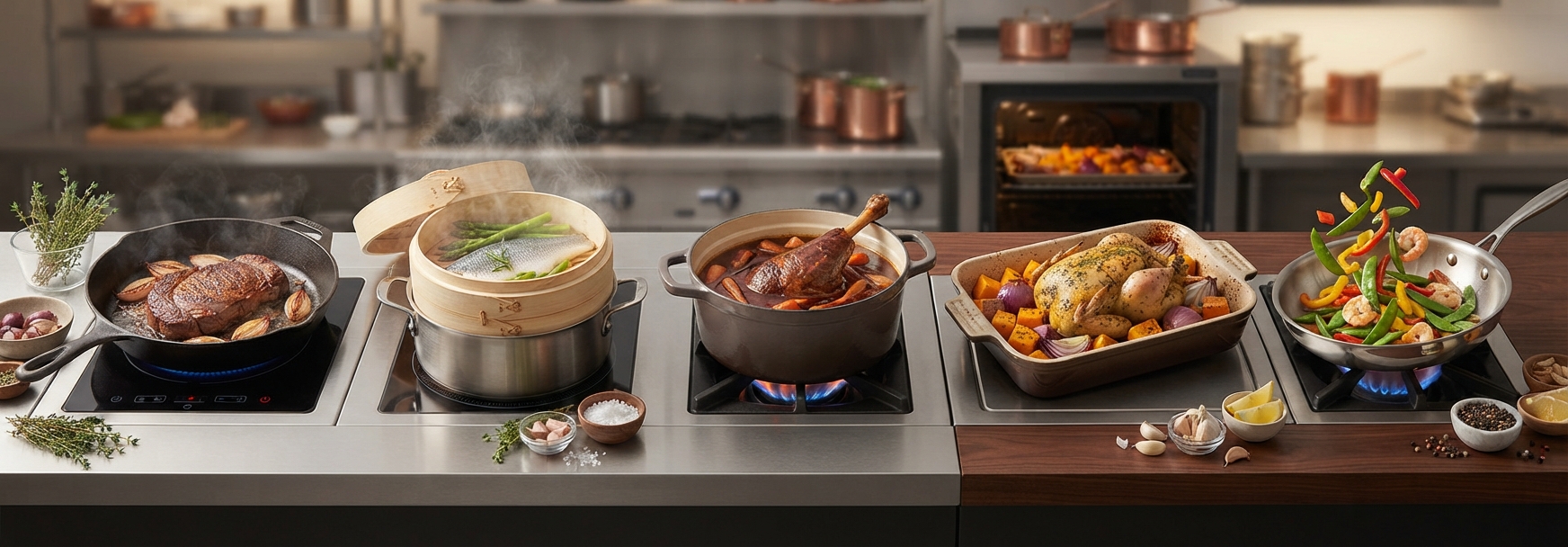
The Role of Herbs, Spices, and Aromatics
Herbs and spices are the soul of a dish, capable of transforming the mundane into the magnificent. Fresh herbs like basil, cilantro, and parsley add brightness and vibrant notes, best added towards the end of cooking to retain their delicate aroma. Dried spices, on the other hand, often require longer cooking times to release their full flavor potential. Toasting whole spices before grinding can unlock even deeper, more complex aromas.
Aromatics such as onions, garlic, and ginger form the flavor base for countless cuisines. Sautéing these ingredients gently at the beginning of the cooking process releases their essential oils, creating a foundation of savory depth upon which other flavors can build. Experimentation is key here; understanding how different herbs and spices complement each other, and how they pair with specific ingredients, is a rewarding part of the culinary journey.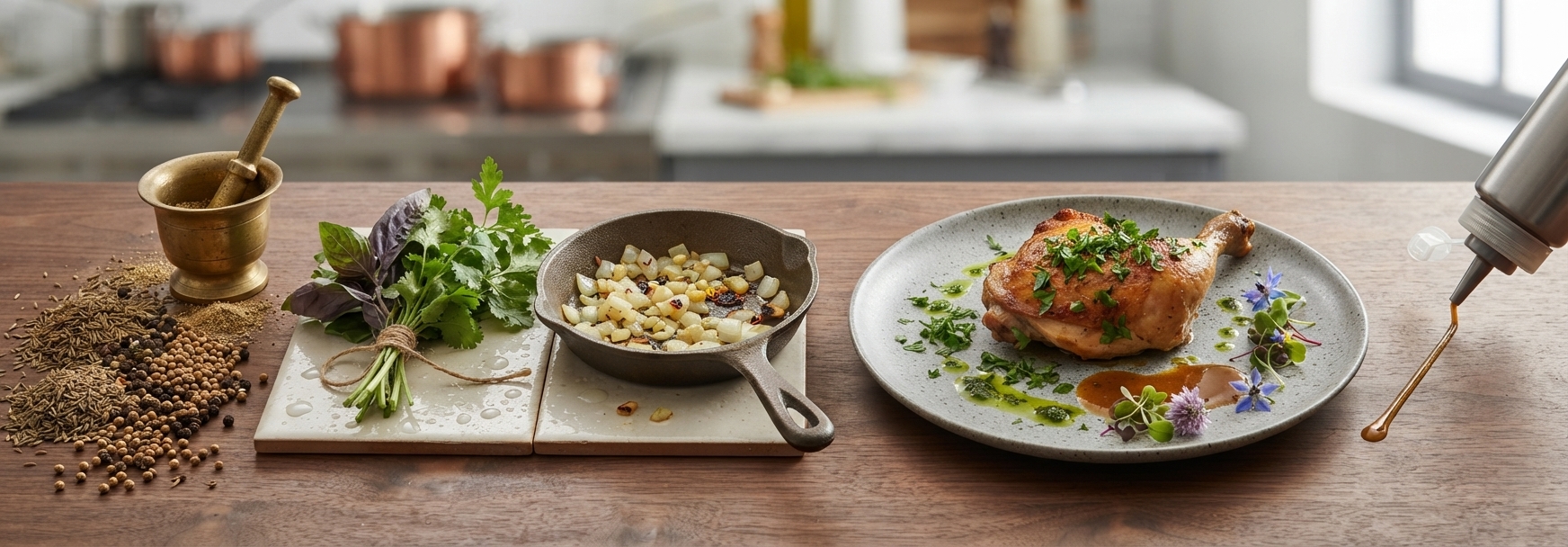
The Final Flourish
While flavor is paramount, the visual appeal of food cannot be underestimated. A well presented dish not only whets the appetite but also shows respect for the ingredients and the effort involved in its creation. Simple garnishes, thoughtful plating, and attention to color and texture can make a significant difference. Think about how the vibrant green of fresh parsley contrasts with the rich brown of roasted chicken, or how a swirl of sauce can add an artistic touch. The presentation is the final flourish that completes the dining experience, engaging all the senses.
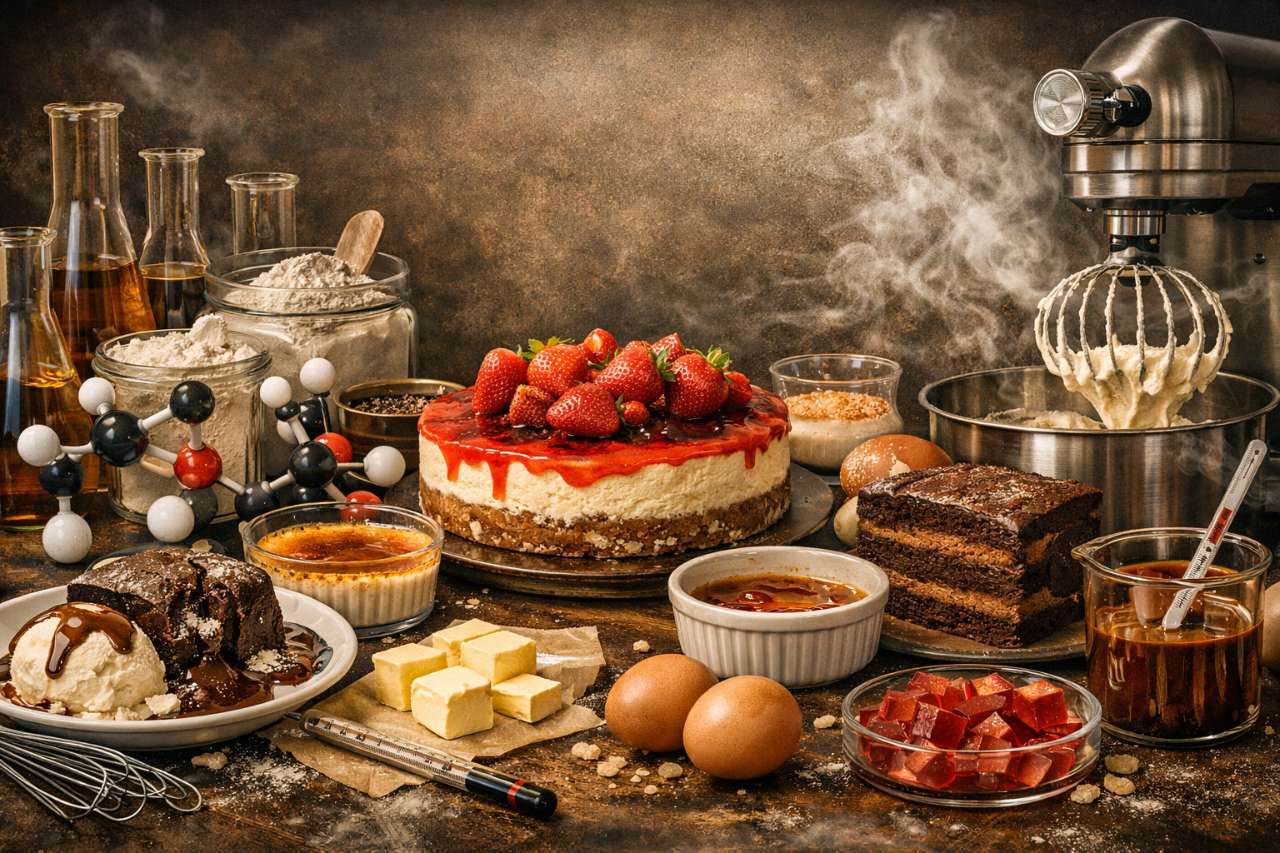
The art of delicious cooking is an ongoing exploration, a blend of science and intuition. By focusing on quality ingredients, mastering essential techniques, and understanding the power of flavor combinations, anyone can elevate their culinary skills. Embrace the process, experiment with different flavors and methods, and most importantly, cook with passion. The joy of creating and sharing delicious food is one of life's greatest pleasures.
Most Popular








Anaya
comment1