




Food is more than just nourishment—it is an art form that engages the senses, evokes emotions, and creates lasting memories. Every bite we take has the power to tell a story, and the art of taste lies in understanding what makes certain dishes truly unforgettable.
At the heart of unforgettable food is flavor balance. Sweet, salty, sour, bitter, and umami come together in carefully crafted harmony. A perfectly seasoned dish does not overpower the palate but instead creates layers of taste that unfold gradually. This balance is what transforms simple ingredients into something extraordinary.
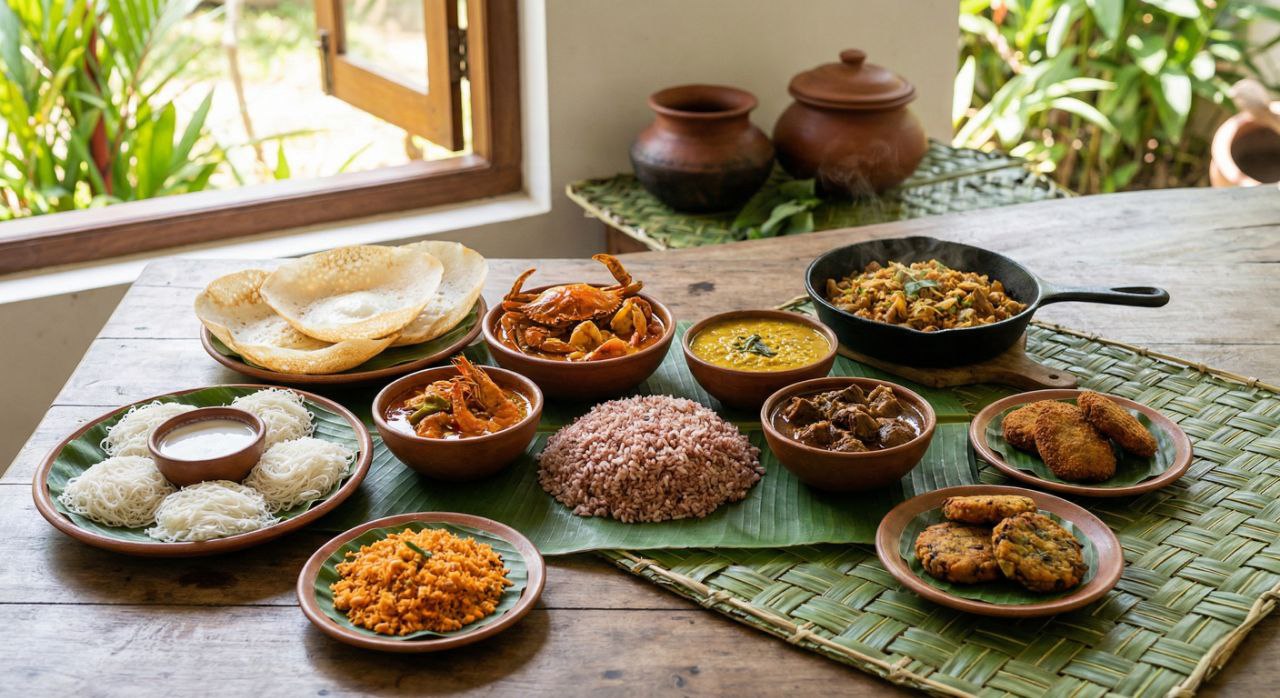
Another essential element is freshness and quality of ingredients. The best chefs around the world agree that great food begins with great produce. Fresh vegetables, aromatic herbs, high-quality spices, and carefully sourced proteins all contribute to depth and richness in flavor. When ingredients are fresh, even the simplest dish can become remarkable.
Texture also plays a crucial role in the art of taste. A truly memorable dish often combines different textures—crispy, creamy, tender, and crunchy—all in one bite. This contrast keeps the eating experience exciting and dynamic, engaging not just the taste buds but the entire mouthfeel experience.
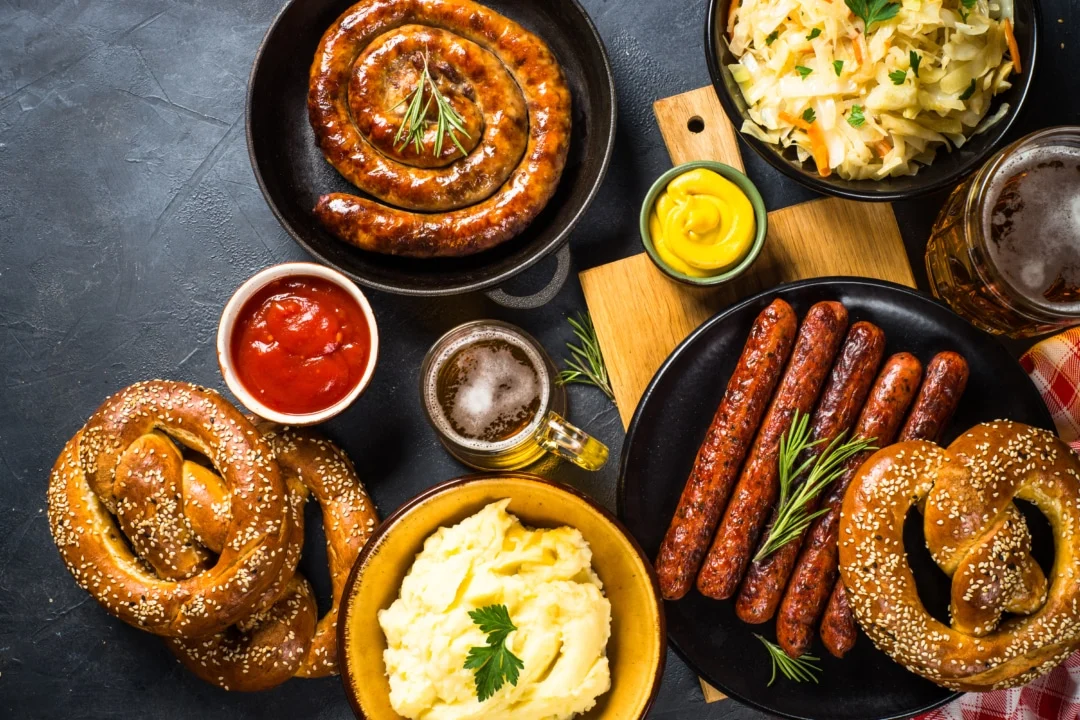
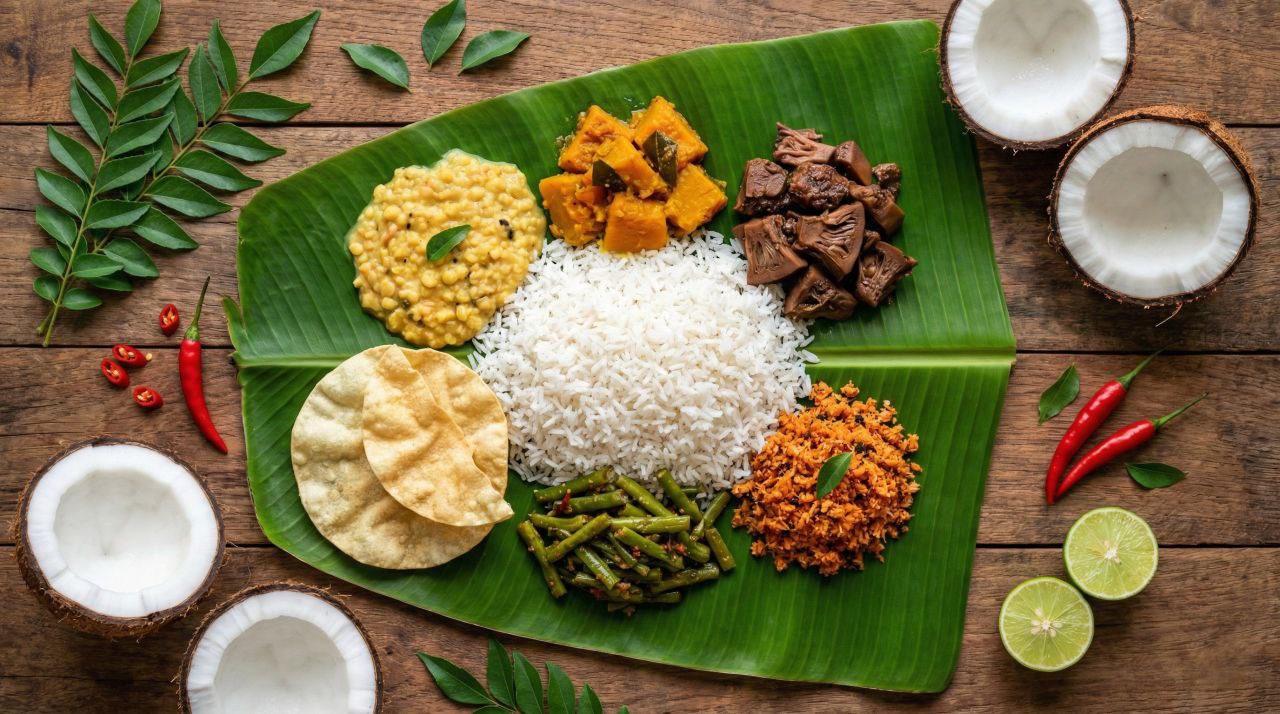
Beyond ingredients and technique, presentation elevates food into an art form. The way a dish is plated can influence how we perceive its taste. Colors, arrangement, and visual appeal prepare the mind for what is to come. In fine dining, chefs carefully design each plate like a canvas, ensuring that the first impression is just as powerful as the last bite.
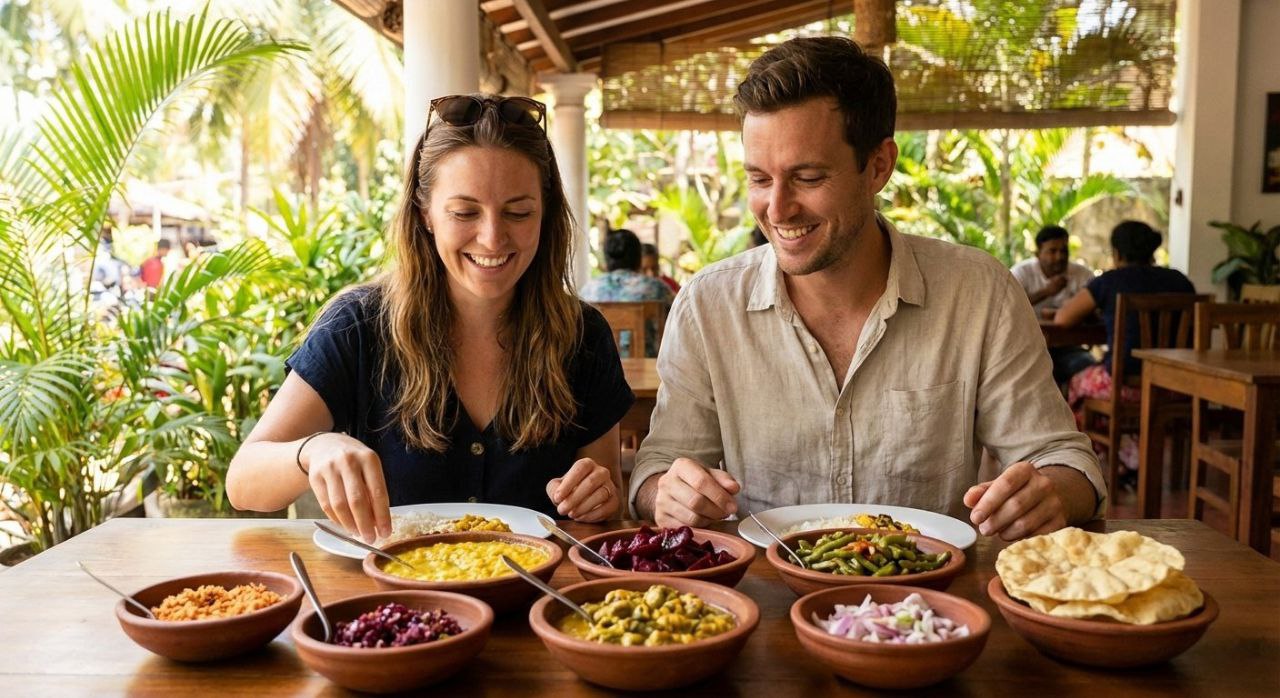
However, what truly makes food unforgettable is emotion and memory. A meal shared with loved ones, a traditional recipe passed down through generations, or a dish enjoyed during travel can stay with us forever. Food is deeply tied to experiences, and these emotional connections often define how we remember taste.
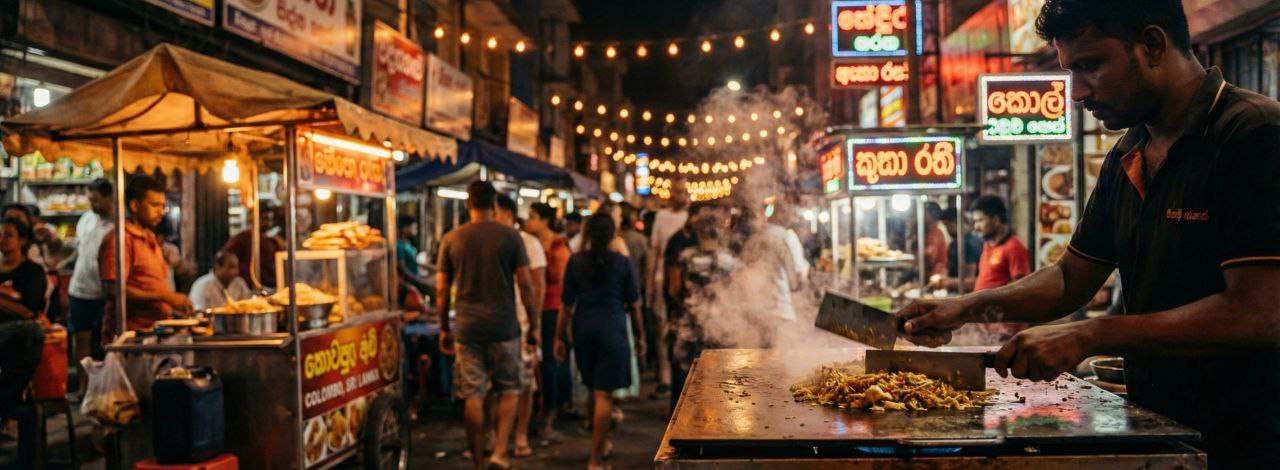
Finally, culture plays a significant role in shaping the art of taste. Every region of the world has its own culinary identity, influenced by history, geography, and tradition. Exploring different cuisines allows us to understand not only new flavors but also the stories behind them.
In the end, the art of taste is about more than eating—it is about experiencing life through flavor, texture, and emotion. It is what makes food not just memorable, but truly unforgettable.
Most Popular








Anaya
comment1