




Flavor is an intricate tapestry woven from scent, taste, texture, and even sound. It's the captivating essence that transforms a simple ingredient into an unforgettable experience. More than just sustenance, flavor is a language, a memory, and a universal connector. Let's delve into the profound beauty of flavor and how it enriches our lives.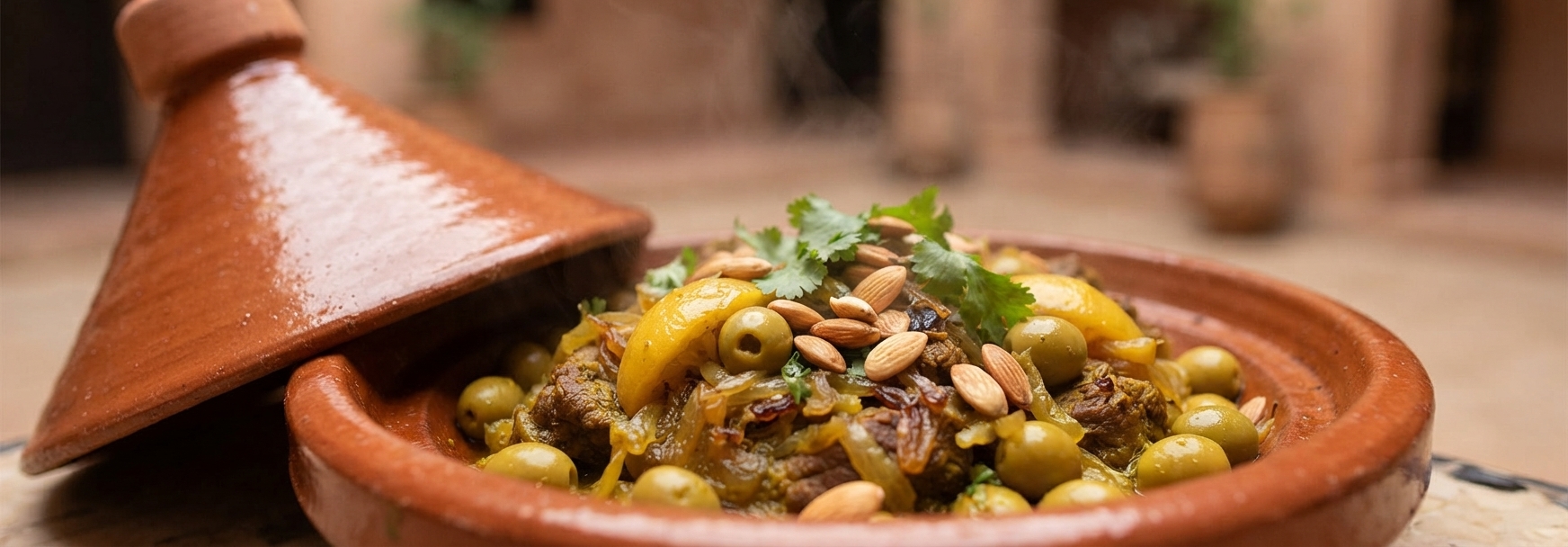
The Sensory Symphony of Flavor
Our perception of flavor is a complex interplay of multiple senses. While taste buds on our tongue detect the five basic tastes sweet, sour, salty, bitter, and umami, it is our sense of smell that truly elevates the experience. The volatile aromatic compounds released by food travel to the olfactory receptors in our nose, contributing significantly to what we perceive as flavor. Consider the difference between smelling a freshly baked bread and tasting it; the aroma alone evokes a rich sensory landscape.
Texture also plays a crucial role. The crispness of a fresh salad, the creamy indulgence of a rich sauce, or the satisfying chew of perfectly cooked pasta all contribute to the overall sensory delight. Even the sound of food, like the crunch of a potato chip or the sizzle of a steak on a grill, can enhance our enjoyment and anticipation.
Flavor as a Carrier of Memory and Culture
Few things have the power to transport us through time and space quite like flavor. A specific dish can instantly bring back cherished childhood memories, evoke the warmth of a family gathering, or remind us of a memorable vacation. This profound connection between flavor and memory is deeply ingrained in our emotional landscape.
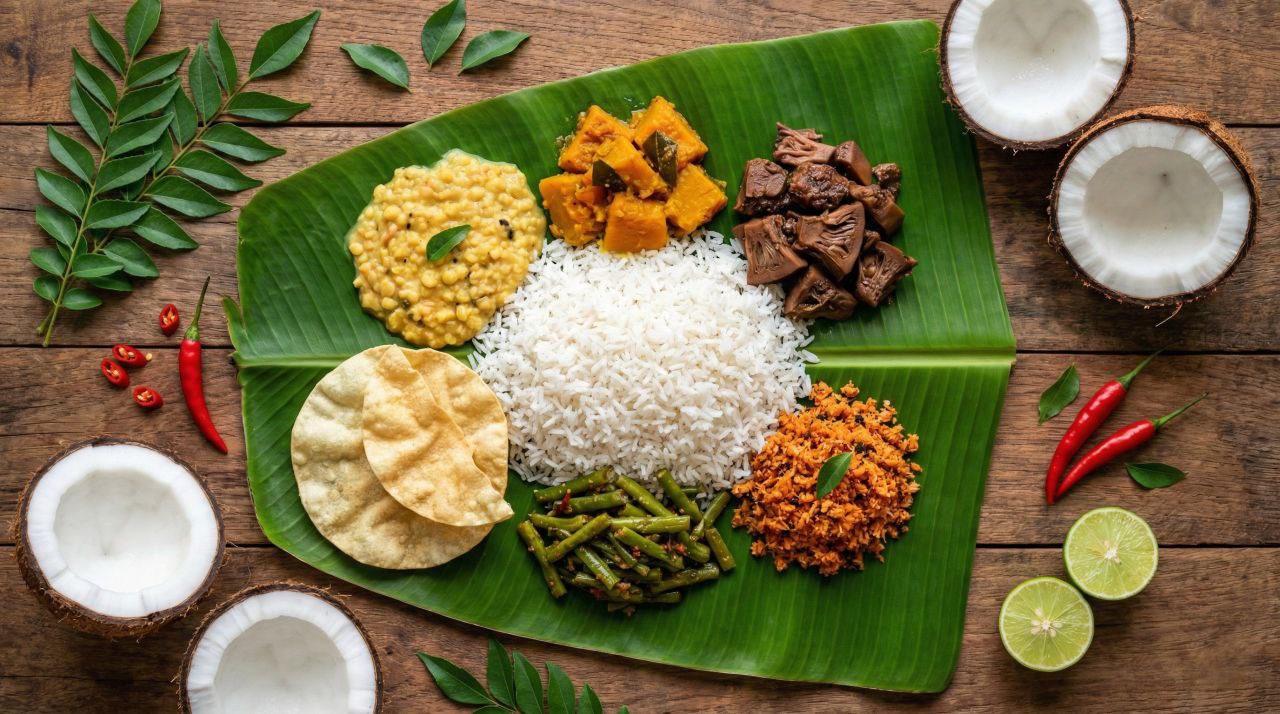
Furthermore, flavor is intrinsically linked to culture and heritage. Each region, each community, has its own unique culinary traditions, shaped by local ingredients, history, and customs. The spices used in Indian curries, the delicate balance of flavors in Japanese cuisine, or the hearty, comforting dishes of Italian tradition are all testaments to the diverse and vibrant world of flavor that reflects the cultural identity of its people.
The Art and Science of Flavor Creation
Creating and understanding flavor is both an art and a science. Chefs and culinary innovators constantly experiment with ingredients, techniques, and pairings to discover new and exciting flavor profiles. They understand the delicate balance required to bring out the best in each component, creating dishes that are both harmonious and surprising.
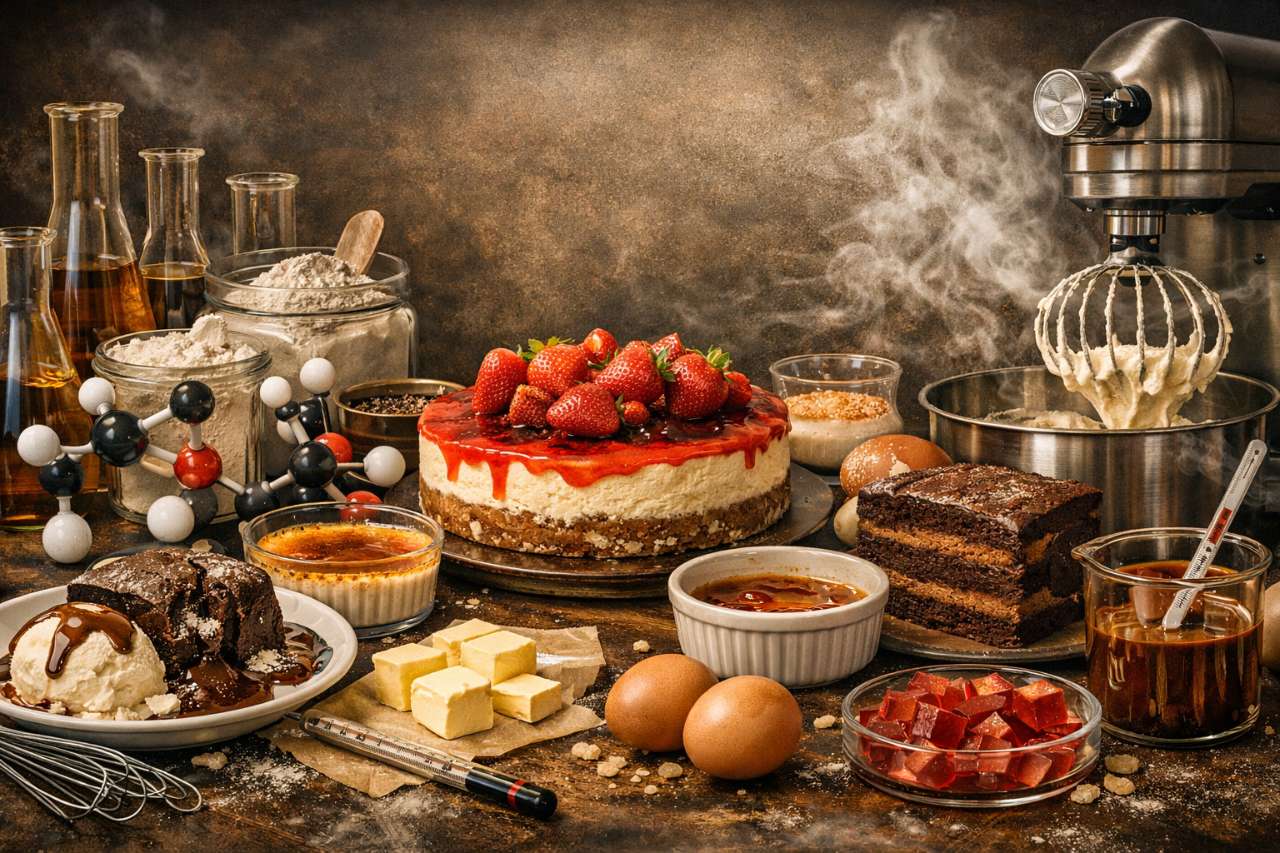
The science behind flavor involves understanding the chemical compounds that contribute to taste and aroma, as well as the physiological responses they trigger. From the Maillard reaction that gives roasted meats their savory depth to the enzymatic processes that develop complex flavors in aged cheeses, science underpins the magic of delicious food.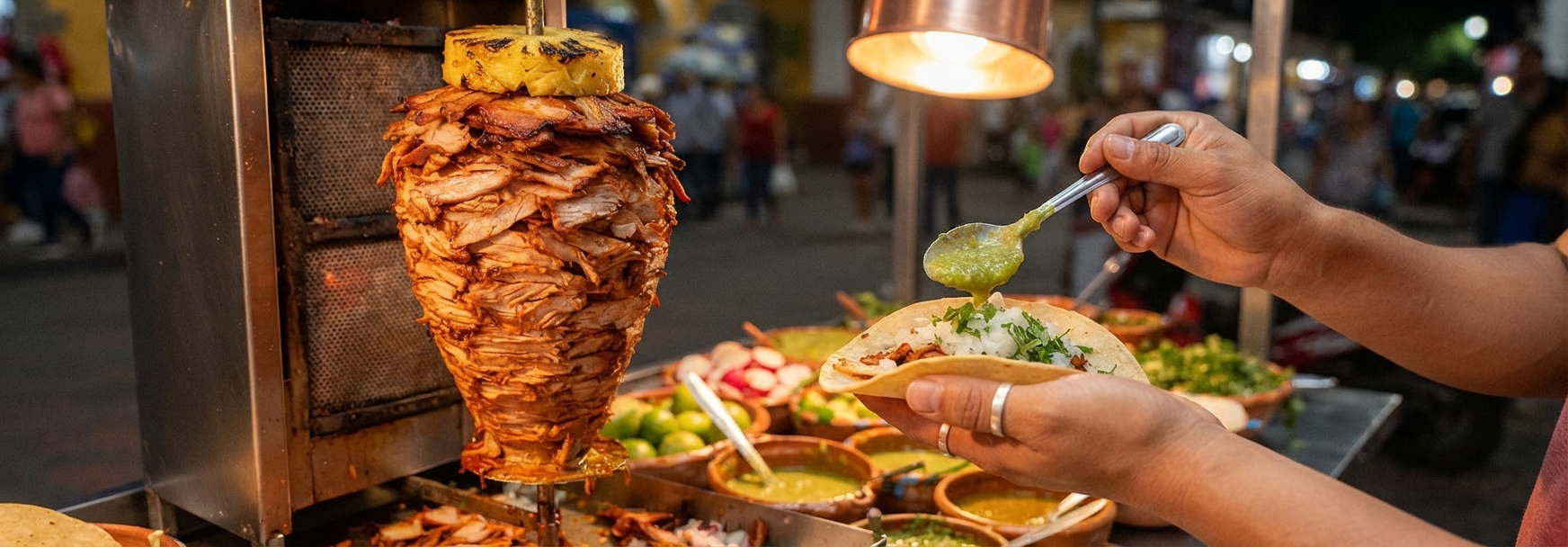
Exploring the World of Flavor
The beauty of flavor lies in its boundless diversity. Every corner of the globe offers a unique palate of tastes and aromas waiting to be explored. Venturing beyond our usual culinary comfort zones can be an incredibly rewarding experience, opening up new sensory worlds and broadening our understanding of global cuisines.
Whether it's savoring the complex spices of a Moroccan tagine, indulging in the delicate umami of a perfectly prepared sushi, or experiencing the vibrant zest of a Mexican street taco, each encounter with a new flavor is an opportunity for discovery and delight. This exploration is not just about tasting different foods; it's about understanding different cultures, histories, and ways of life.
Flavor is a fundamental aspect of the human experience, offering pleasure, connection, and a rich tapestry of sensory engagement. It tells stories, evokes emotions, and bridges cultural divides. By appreciating the beauty of flavor, we open ourselves to a world of culinary adventures that not only satisfy our appetites but also nourish our souls. So, let us continue to explore, to savor, and to celebrate the magnificent and multifaceted beauty of flavor.
Most Popular












Anaya
comment1