



Unpacking the Magic of Sri Lankan Hoppers
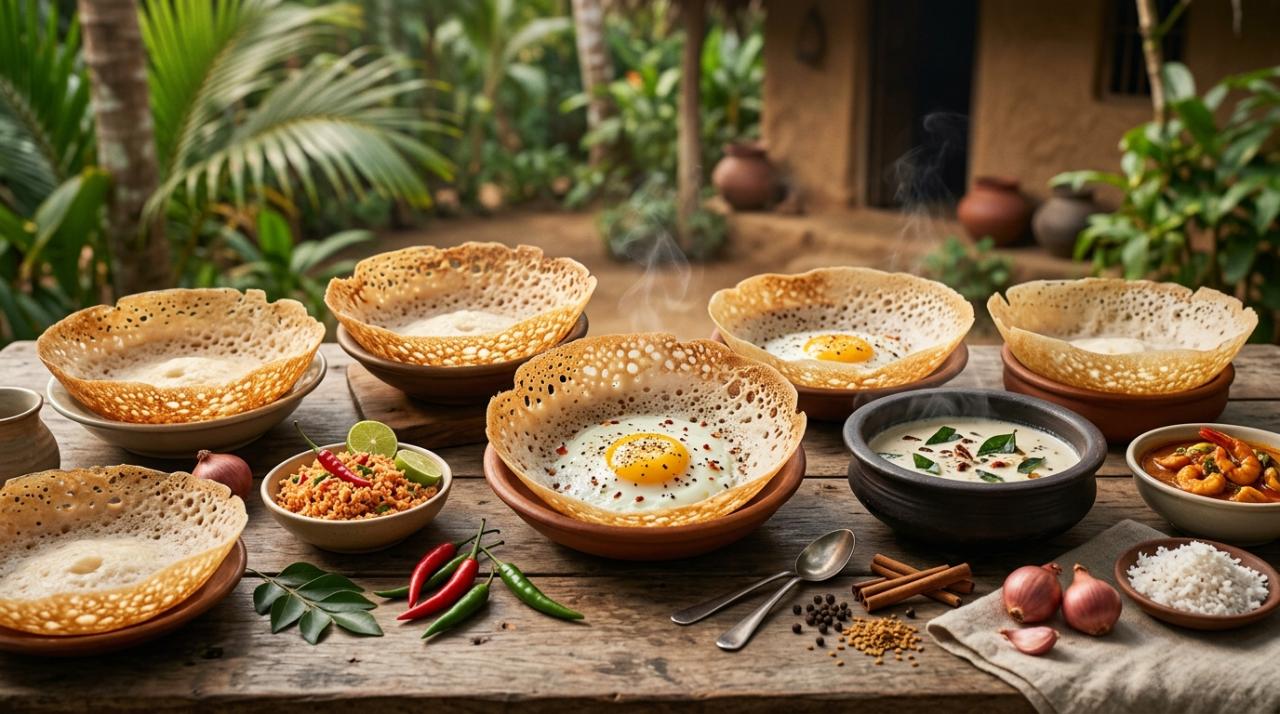
Imagine this: a crisp, lacy bowl made from fermented rice flour and coconut milk, slightly chewy in the center and delightfully crispy around the edges. This isn't just any food; it's a Sri Lankan hopper, or 'appam,' a beloved staple that tells a rich story of culture, tradition, and culinary ingenuity. For many Sri Lankans, the day wouldn't be complete without this unique creation, and for visitors, it's an unforgettable taste of the island's soul.
A Humble Beginning, a Culinary Icon
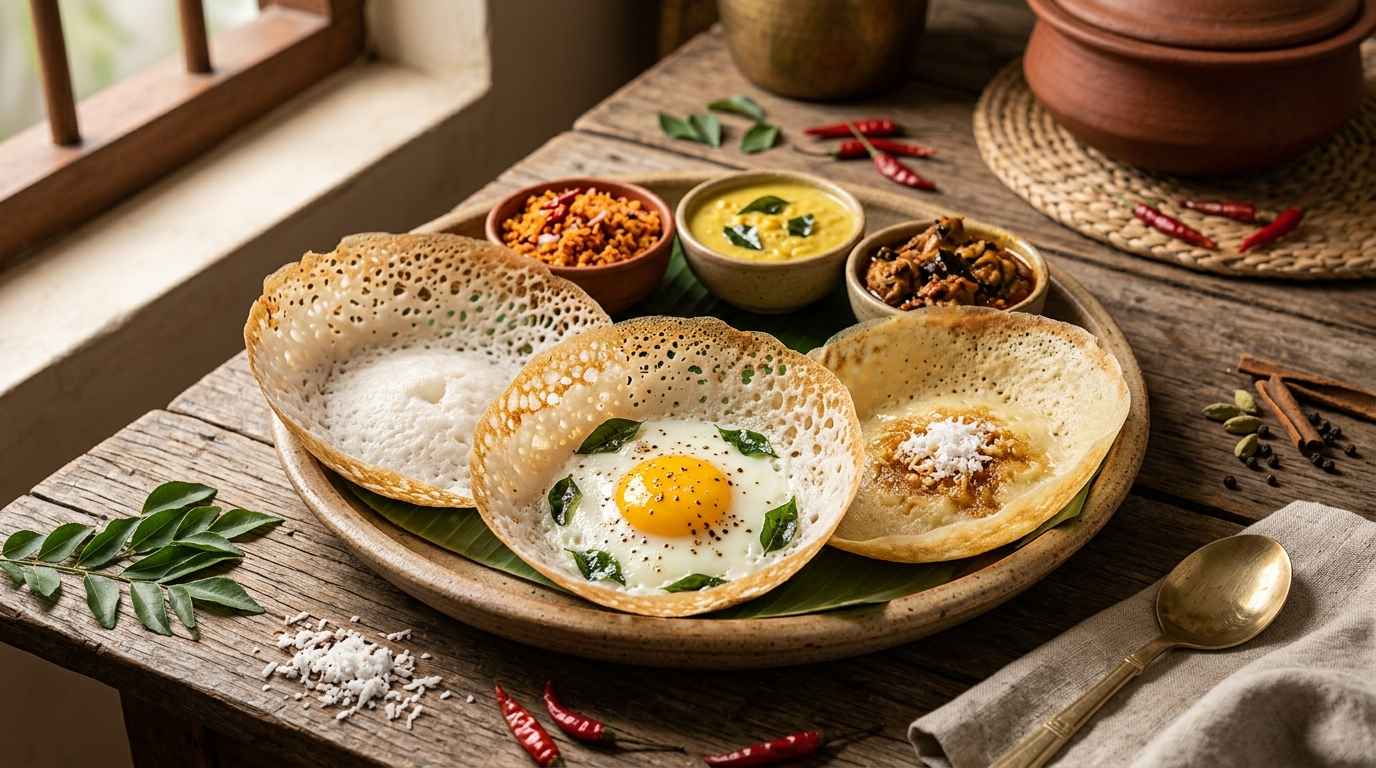
The origins of hoppers are a bit debated, with similar dishes found across South India and Southeast Asia. However, Sri Lanka has truly made them their own. The magic lies in the simple yet brilliant batter: rice flour, water, and a touch of yeast or toddy (palm wine) to kickstart the fermentation process. This fermentation is key, giving the hoppers their signature slightly sour tang and airy texture. Coconut milk is then added, lending a subtle sweetness and creaminess that balances the fermentation perfectly.
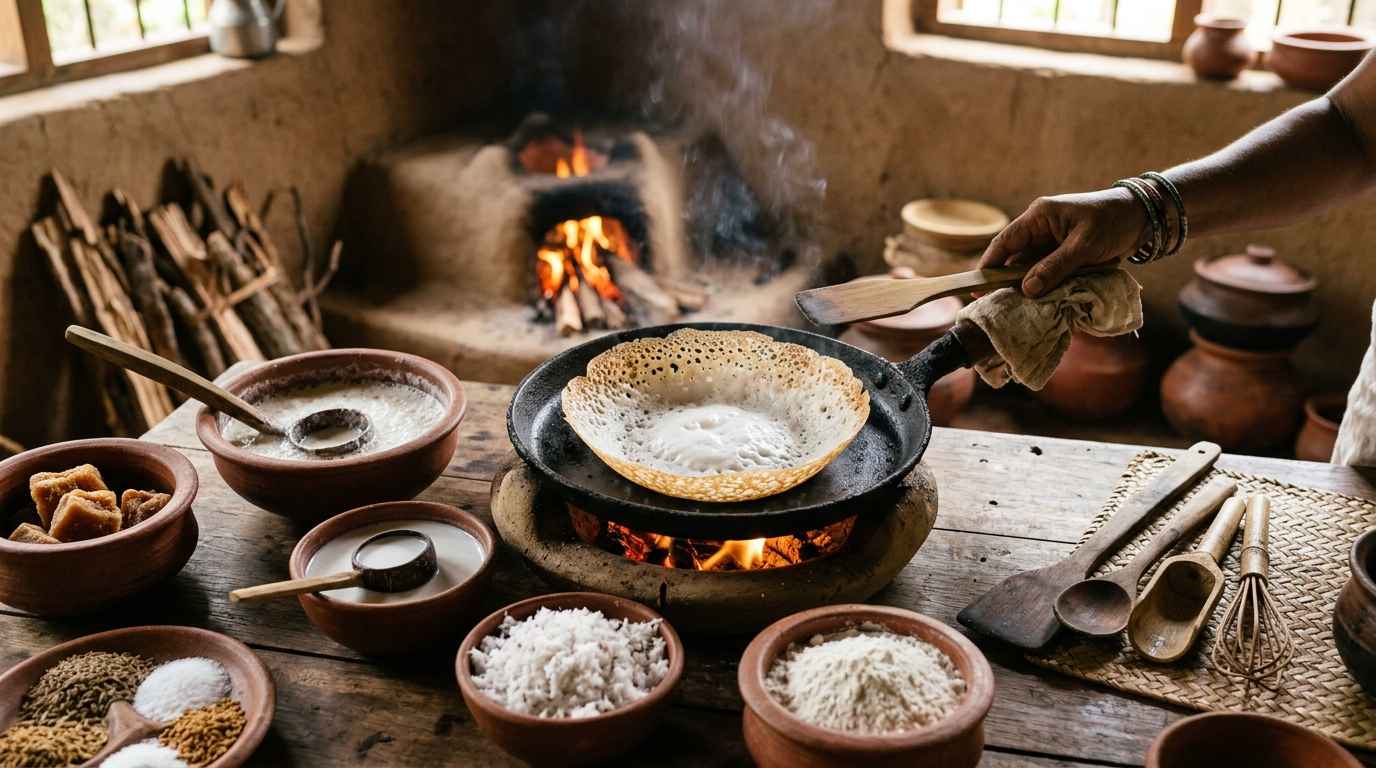
Traditionally, hoppers are cooked in a special small, rounded pan that gives them their characteristic bowl shape. The batter is swirled around the pan, allowing it to cook into those delicate, lace like patterns. It's a simple process, but one that requires a bit of practice to master, which is why watching a skilled hopper maker at work is a culinary performance in itself!
Varieties That Delight the Taste Buds
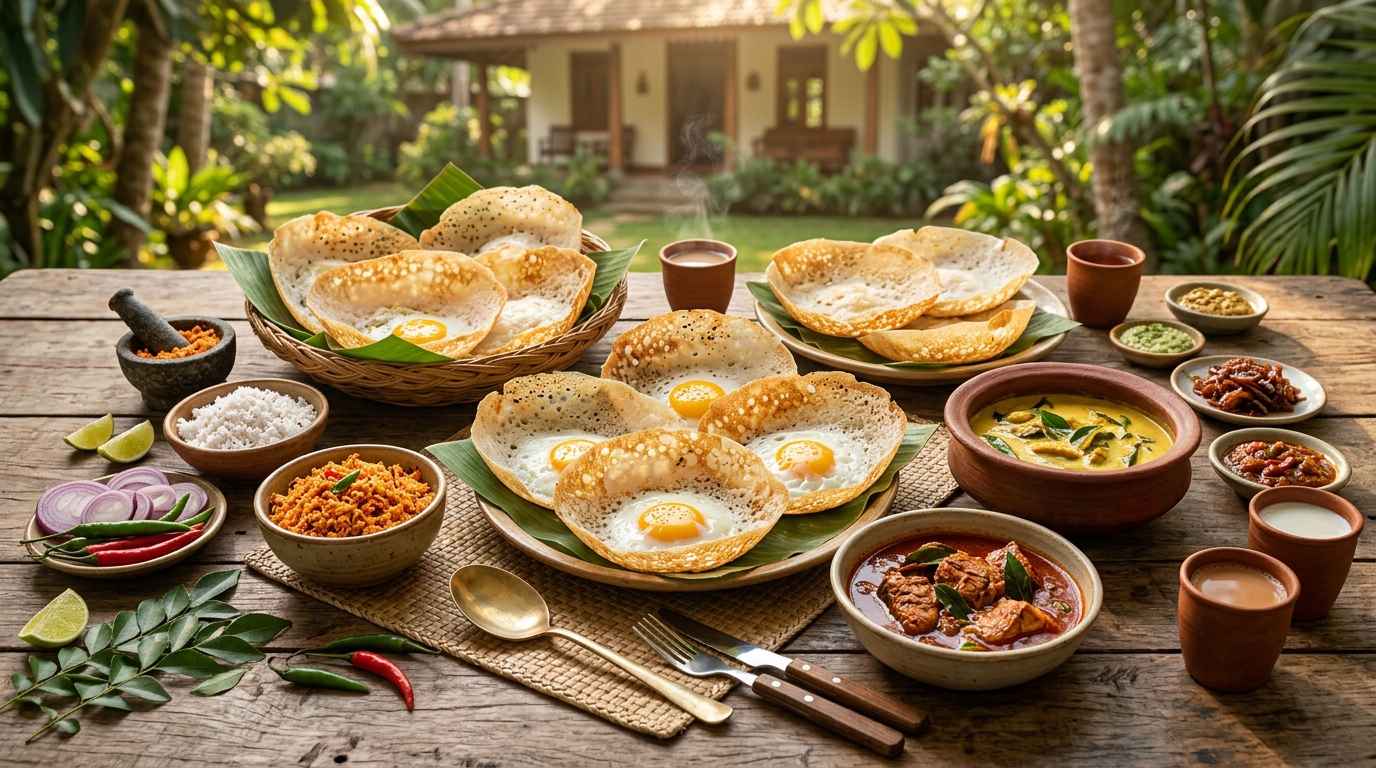
While the plain hopper is a classic, Sri Lanka has a wonderful array of variations to explore. The most famous is probably the 'egg hopper.' As the batter is poured into the pan, an egg is cracked right into the center, creating a runny yolk that's perfect for dipping. It's a hearty and satisfying breakfast that will keep you fueled for the day.
Then there are the sweet hoppers, often made with a touch more coconut milk and jaggery (unrefined cane sugar), sometimes infused with a hint of cardamom. These are wonderful for a lighter snack or a dessert, offering a delightful sweetness without being overpowering.
The Heart of Sri Lankan Breakfast Culture
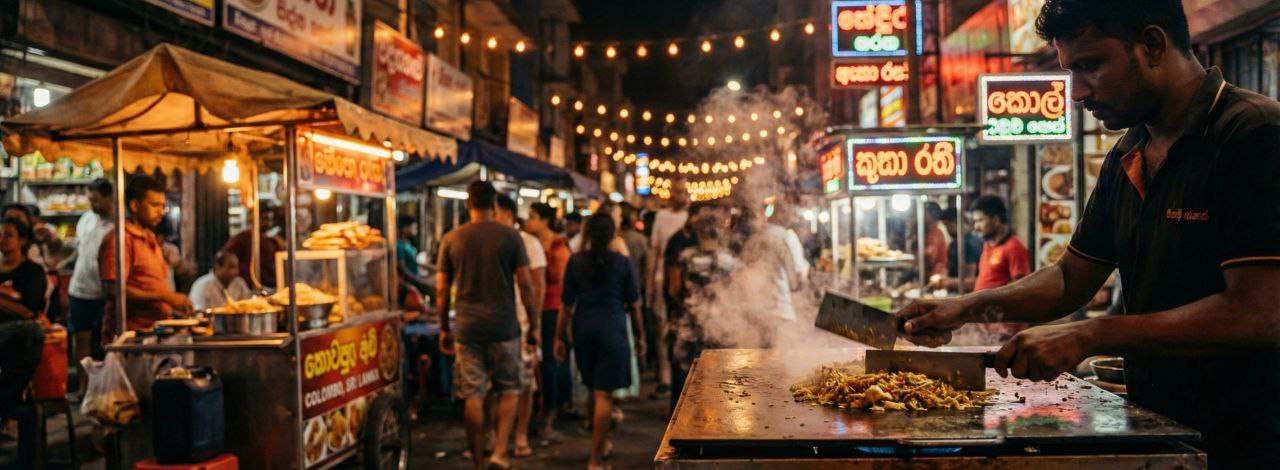
Hoppers are more than just a meal; they are an integral part of Sri Lankan food culture. They represent community, family, and the joy of sharing a delicious, home cooked meal. You'll often find street vendors and small eateries serving up fresh hoppers early in the morning, filling the air with their inviting aroma. It's a communal experience, with people gathering to enjoy their breakfast together.
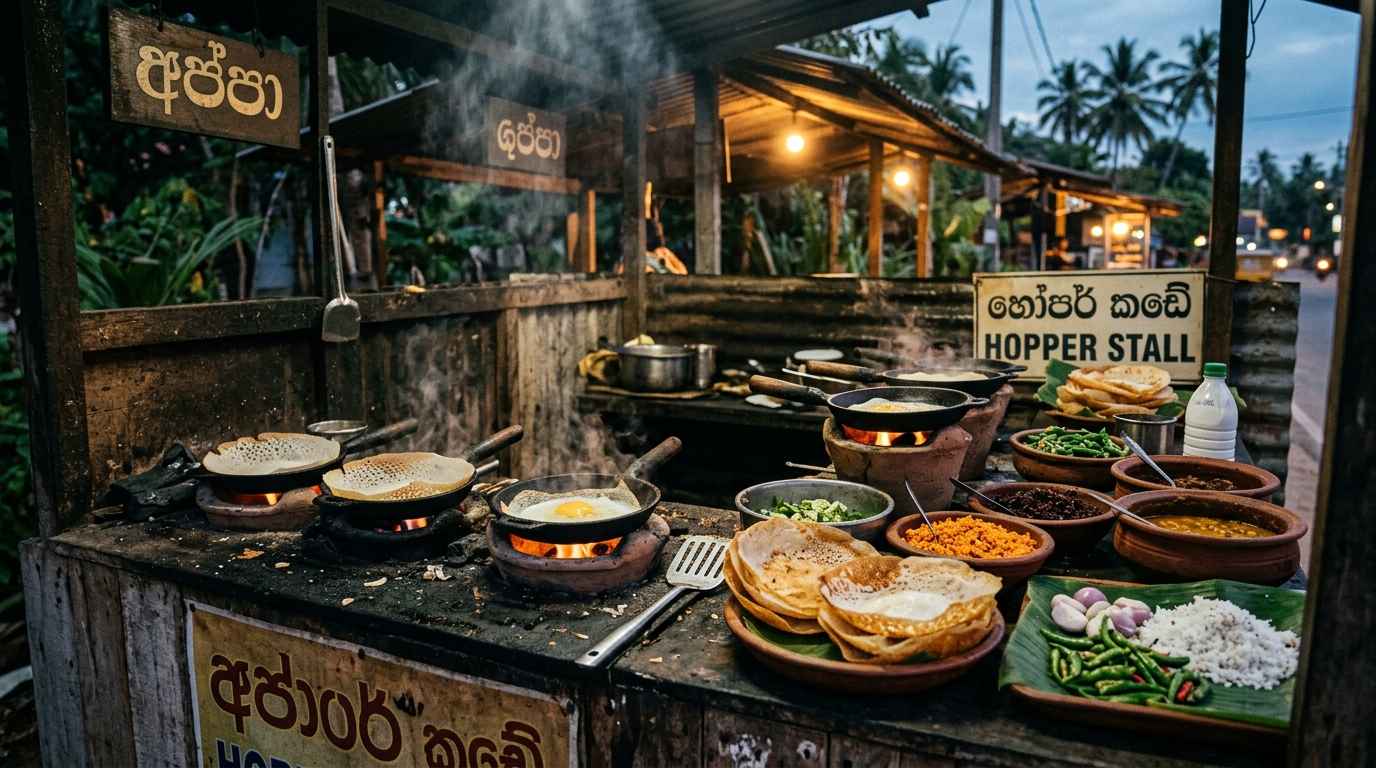
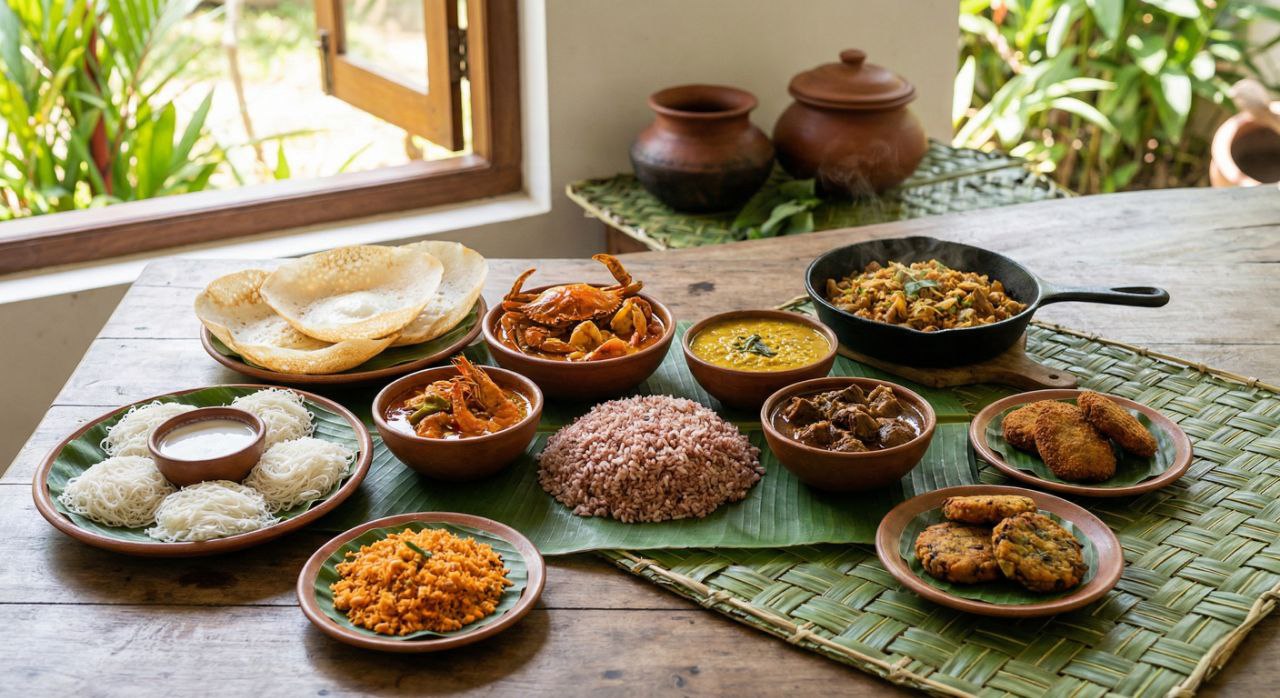
The traditional accompaniments are just as important as the hopper itself. A spicy sambol, often made from chilies, onions, and Maldive fish, provides a fiery kick. A rich coconut milk based curry, like a spicy fish or chicken curry, adds depth and flavor. And for a touch of cooling sweetness, a dollop of kiri hodi (a mild coconut milk gravy) or even just a sprinkle of sugar and honey can be heavenly.
Why You Must Try Hoppers
If you're planning a trip to Sri Lanka, seeking out authentic hoppers should be at the top of your culinary list. They offer a unique glimpse into the island's rich culinary heritage and a taste experience you won't soon forget. Whether you're enjoying a simple egg hopper from a street vendor or a more elaborate version at a local restaurant, each bite tells a story of tradition, passion, and the vibrant spirit of Sri Lanka.
So next time you're in Sri Lanka, or even if you're just dreaming of it, remember the humble hopper. It's a culinary masterpiece that perfectly embodies the warmth and flavor of this beautiful island nation.
Most Popular









Anaya
comment1