



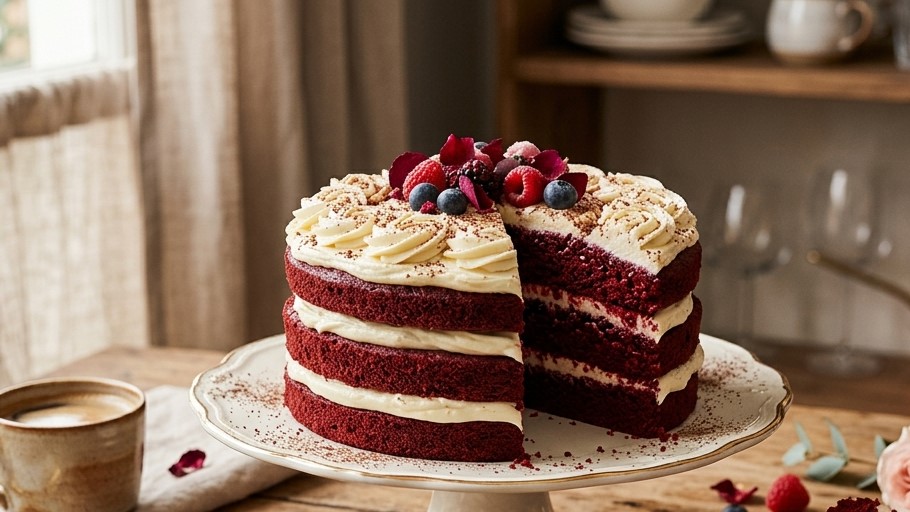
In the vast and varied landscape of desserts, certain creations stand the test of time, captivating palates and hearts with their unique charm. Among these beloved treats, velvet cake holds a special, almost regal, place. Its distinctive texture, vibrant hue, and sophisticated flavor profile have cemented its status as a go to for celebrations, quiet indulgences, and everything in between. But what is it about velvet cake that ignites such widespread affection?
The Genesis of a Classic 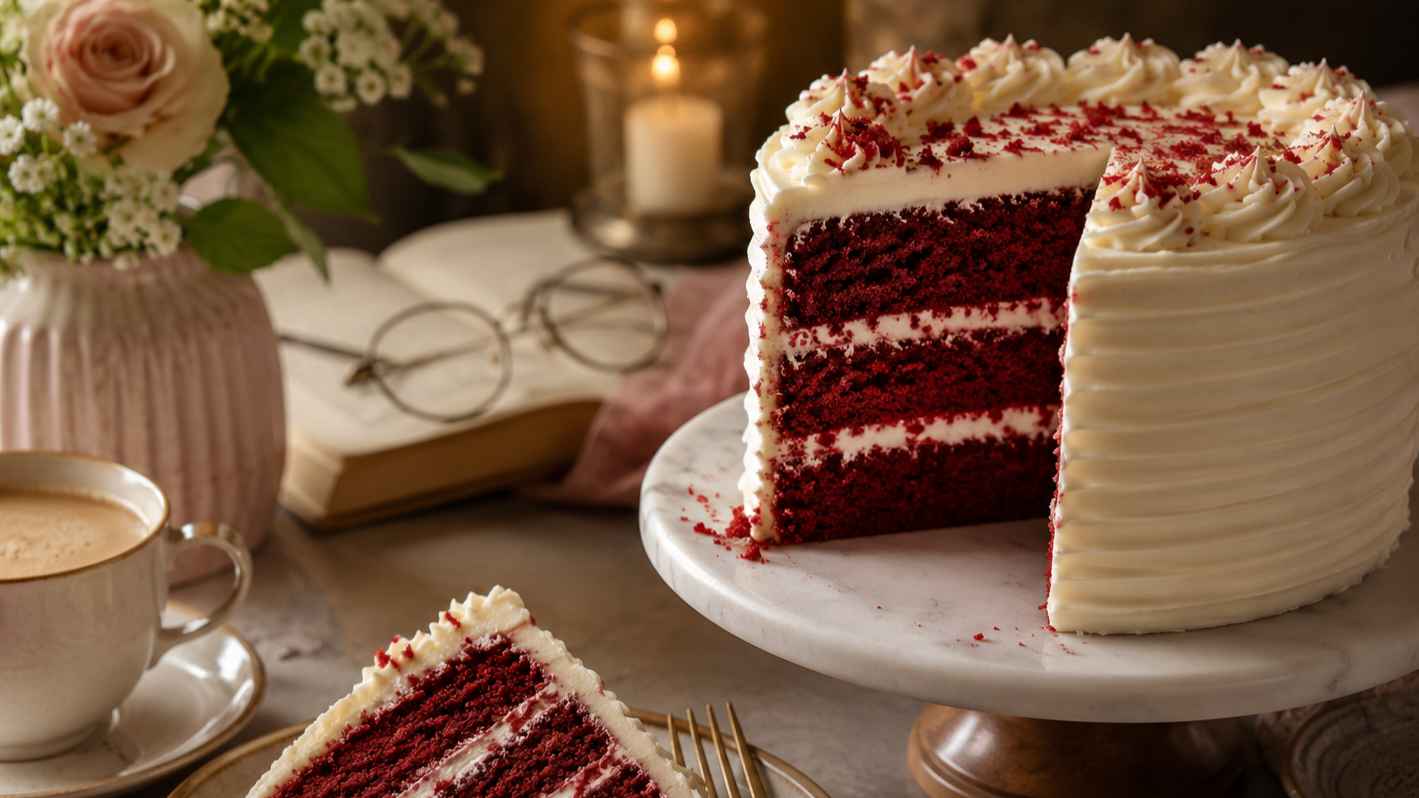
The origins of velvet cake are somewhat debated, with many tracing its lineage back to the early 20th century. Unlike the more rustic, crumbly cakes of yesteryear, velvet cake emerged as a response to a desire for a smoother, more refined dessert experience. Early recipes often featured a higher butter to flour ratio and the use of ingredients like almond flour or cornstarch, contributing to its signature silky texture. The vibrant red hue, which has become a hallmark of many modern velvet cakes, is a more recent development, often achieved through the use of red food coloring or, historically, a reaction between cocoa powder and buttermilk.
The Signature Texture and Flavor 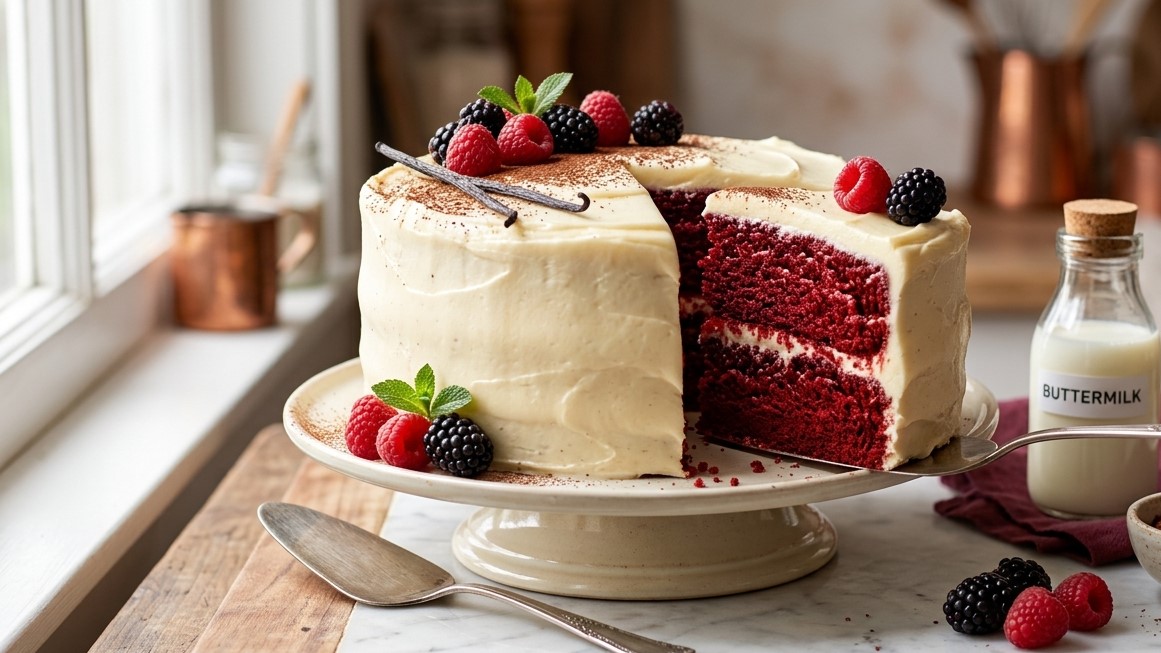
The defining characteristic of velvet cake is undoubtedly its incredibly tender, moist, and smooth crumb, often described as having a velvety feel. This luxurious texture is achieved through a delicate balance of ingredients and a careful baking process. The precise ratio of wet to dry ingredients, the emulsifying properties of butter and eggs, and often the inclusion of acidic ingredients like buttermilk or vinegar reacting with baking soda, all play a crucial role in creating this inimitable quality. When you slice into a well made velvet cake, you notice the fine grain and the almost melt in your mouth sensation that sets it apart.
Flavor wise, traditional velvet cake, particularly red velvet, offers a subtle yet complex taste. It's not overly sweet, allowing the nuanced notes of cocoa, vanilla, and the gentle tang of buttermilk to shine through. This sophisticated flavor profile makes it an excellent canvas for a variety of frostings and accompaniments. While red velvet is the most iconic, variations exist in chocolate, purple, and even white velvet cakes, each offering a unique twist on the beloved texture.
The Perfect Pairing Frosting 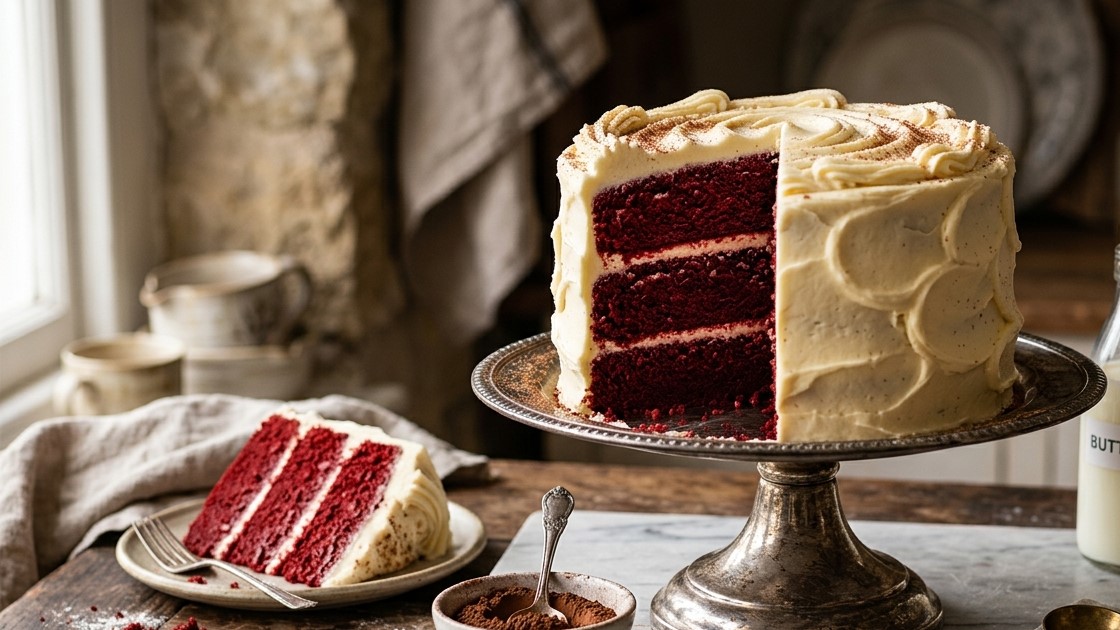
No velvet cake is truly complete without its perfect frosting counterpart. For red velvet, the classic and perhaps most beloved pairing is cream cheese frosting. The sweet tang of the cream cheese beautifully complements the cake's subtle cocoa and buttermilk notes, creating a harmonious flavor balance. The creamy, slightly zesty frosting also provides a delightful textural contrast to the cake's smoothness. Other popular choices include a rich chocolate ganache, a light and airy buttercream, or even a simple dusting of powdered sugar for a more understated approach.
Beyond the Celebration Cake 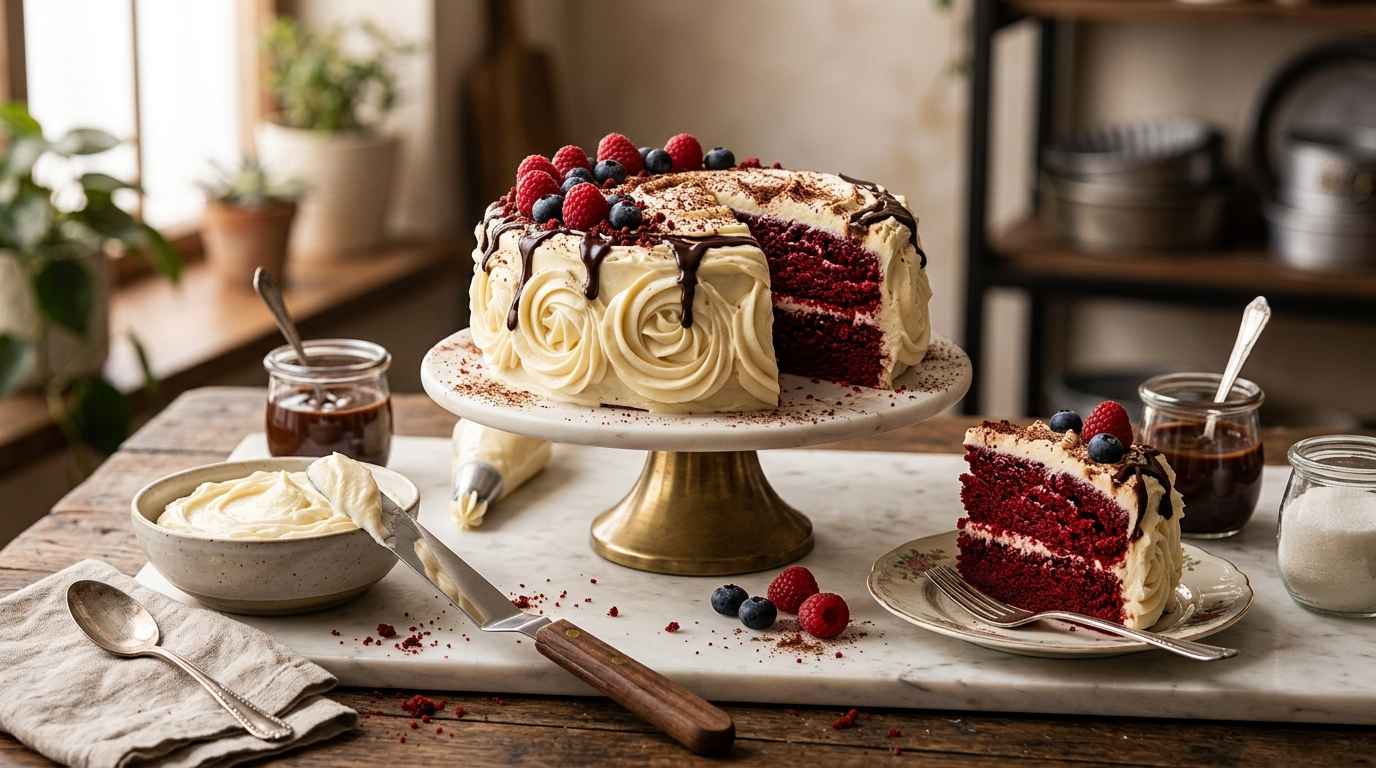
While velvet cake is a perennial favorite for birthdays, weddings, and holidays, its versatility extends far beyond grand occasions. A slice of velvet cake can transform an ordinary afternoon coffee break into a moment of quiet luxury. Its appeal lies in its ability to feel both celebratory and comforting. Whether you're a seasoned baker looking to master a new technique or a dessert enthusiast seeking a reliably delicious treat, velvet cake offers an accessible yet impressive option.
Most Popular











Anaya
comment1