



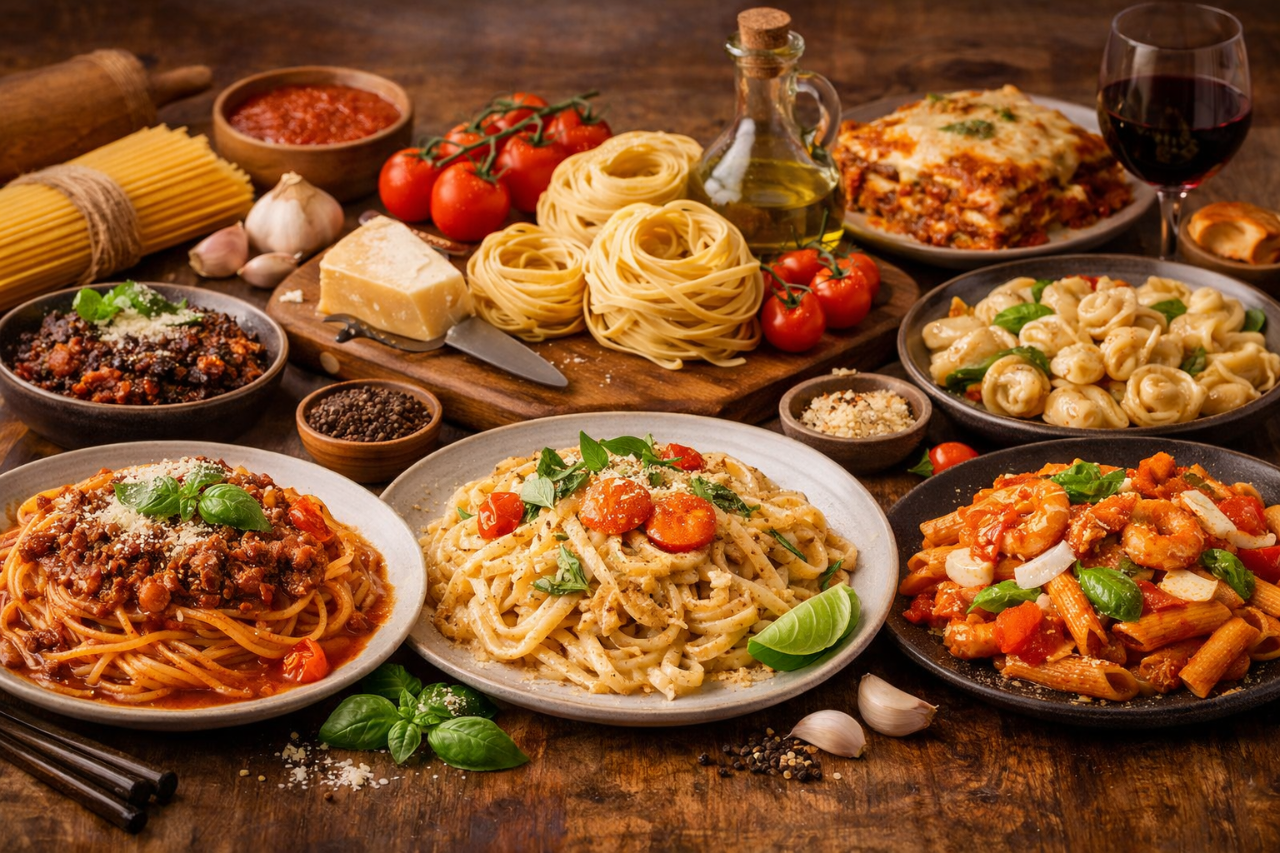
Pasta, a beloved dish found on tables across the globe, boasts a history as rich and varied as its many shapes and sauces. From humble beginnings, it has evolved into a culinary cornerstone, celebrated for its versatility, comfort, and ability to bring people together. This exploration delves into the enduring appeal of pasta, examining its origins, its global influence, and the reasons behind its continued popularity.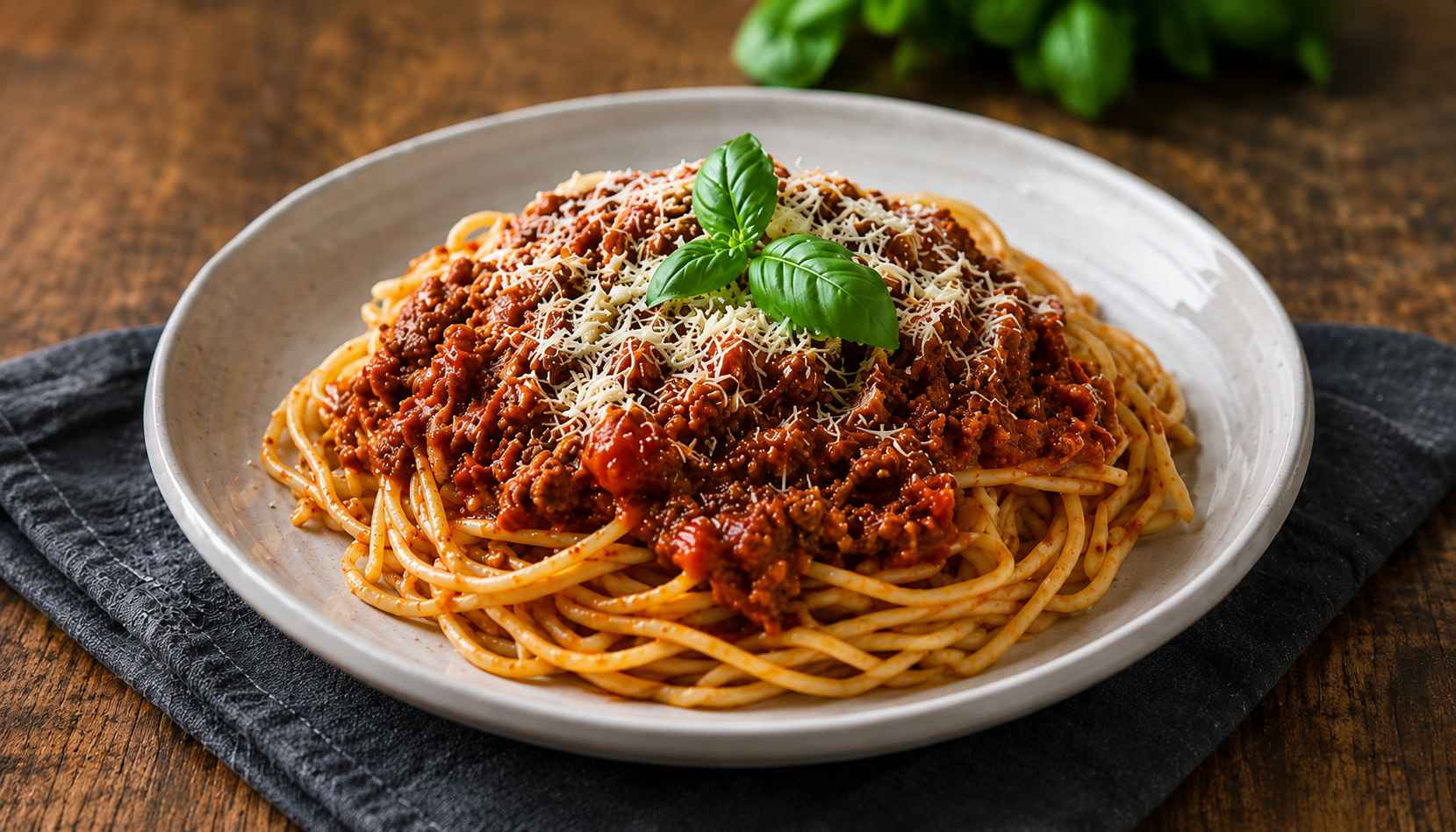
The Origins of Pasta A Historical Perspective
While often associated with Italy, the true origins of pasta are somewhat debated, with theories pointing to ancient China and the Middle East. However, it was in Italy that pasta truly found its soul and developed into the diverse culinary art form we recognize today. Early forms of pasta likely involved simple mixtures of flour and water, baked or boiled. The advent of durum wheat, with its high gluten content, was a significant development, leading to pasta that held its shape better during cooking and offered a more satisfying texture. Over centuries, Italian cooks perfected various drying techniques and introduced a bewildering array of shapes, each designed to complement specific sauces. This meticulous attention to detail cemented pasta's place in Italian culinary identity.
The Versatility of Pasta A Canvas for Creativity
One of pasta's greatest strengths lies in its incredible versatility. It serves as a blank canvas, readily absorbing and enhancing a vast spectrum of flavors. Whether paired with a robust meat ragu, a delicate seafood sauce, a creamy alfredo, or a simple garlic and olive oil dressing, pasta proves adaptable. The sheer diversity of pasta shapes further contributes to its appeal. From long strands like spaghetti and linguine, perfect for clinging to oil based sauces, to hollow tubes like penne and rigatoni, ideal for capturing chunkier ragus, and delicate filled varieties like ravioli and tortellini, each shape offers a unique textural experience. This adaptability allows for endless culinary experimentation, catering to diverse palates and dietary needs. Vegetarian, vegan, gluten free, and whole wheat options are now widely available, ensuring that everyone can enjoy the pleasure of pasta.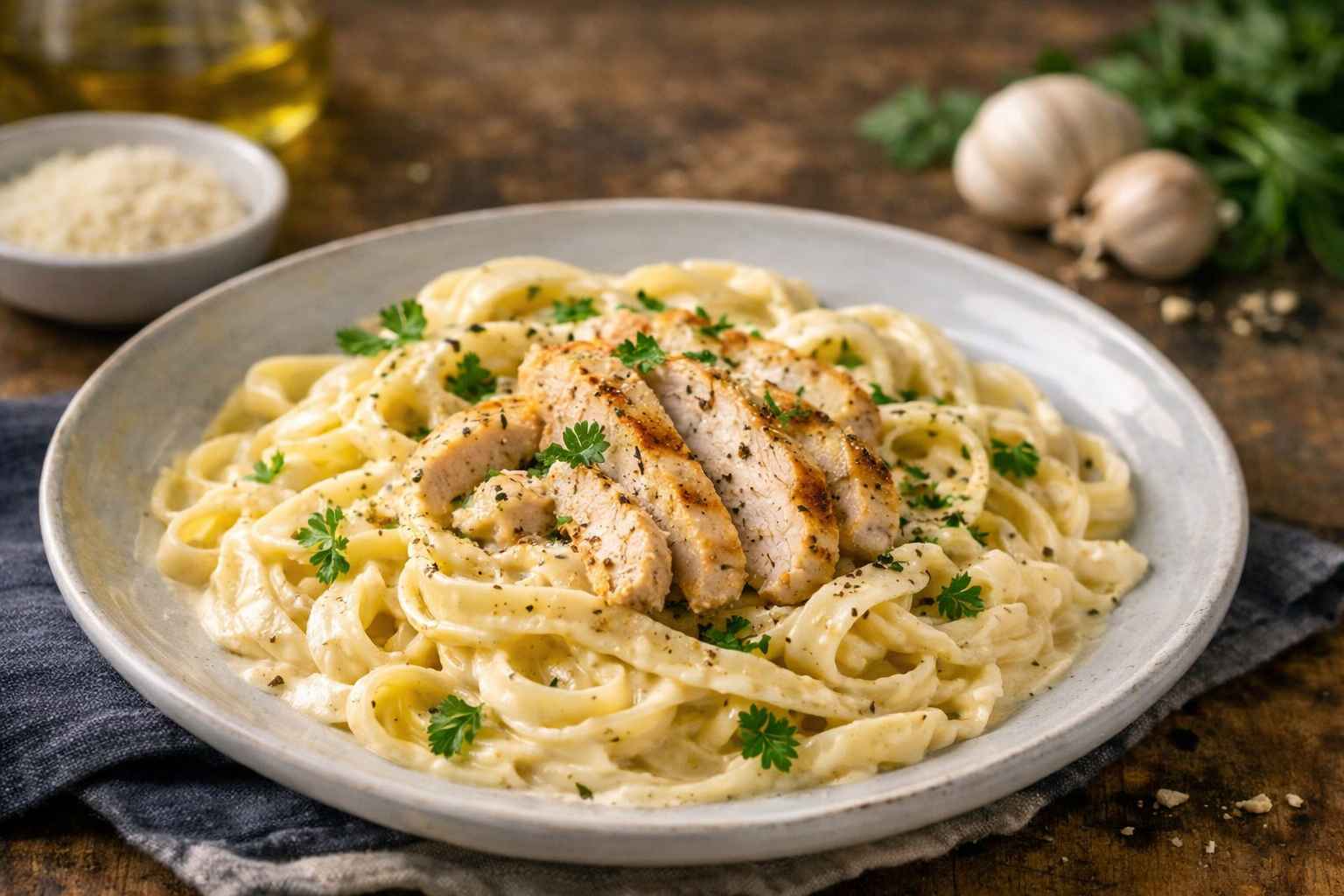
Pasta's Global Footprint and Cultural Significance
The influence of Italian immigration has played a pivotal role in spreading pasta's popularity worldwide. As Italians settled in new countries, they brought their culinary traditions with them, introducing pasta dishes to new audiences. This led to the fusion of Italian techniques with local ingredients and preferences, resulting in regional variations and adaptations of classic pasta dishes. In America, pasta became a staple comfort food, with dishes like spaghetti and meatballs and macaroni and cheese achieving iconic status. Similarly, in many parts of South America, Asia, and beyond, pasta has been embraced and integrated into local cuisines. Beyond its taste and texture, pasta also holds cultural significance, often associated with family gatherings, celebrations, and a sense of home. The act of preparing and sharing a pasta meal can be a deeply communal and heartwarming experience.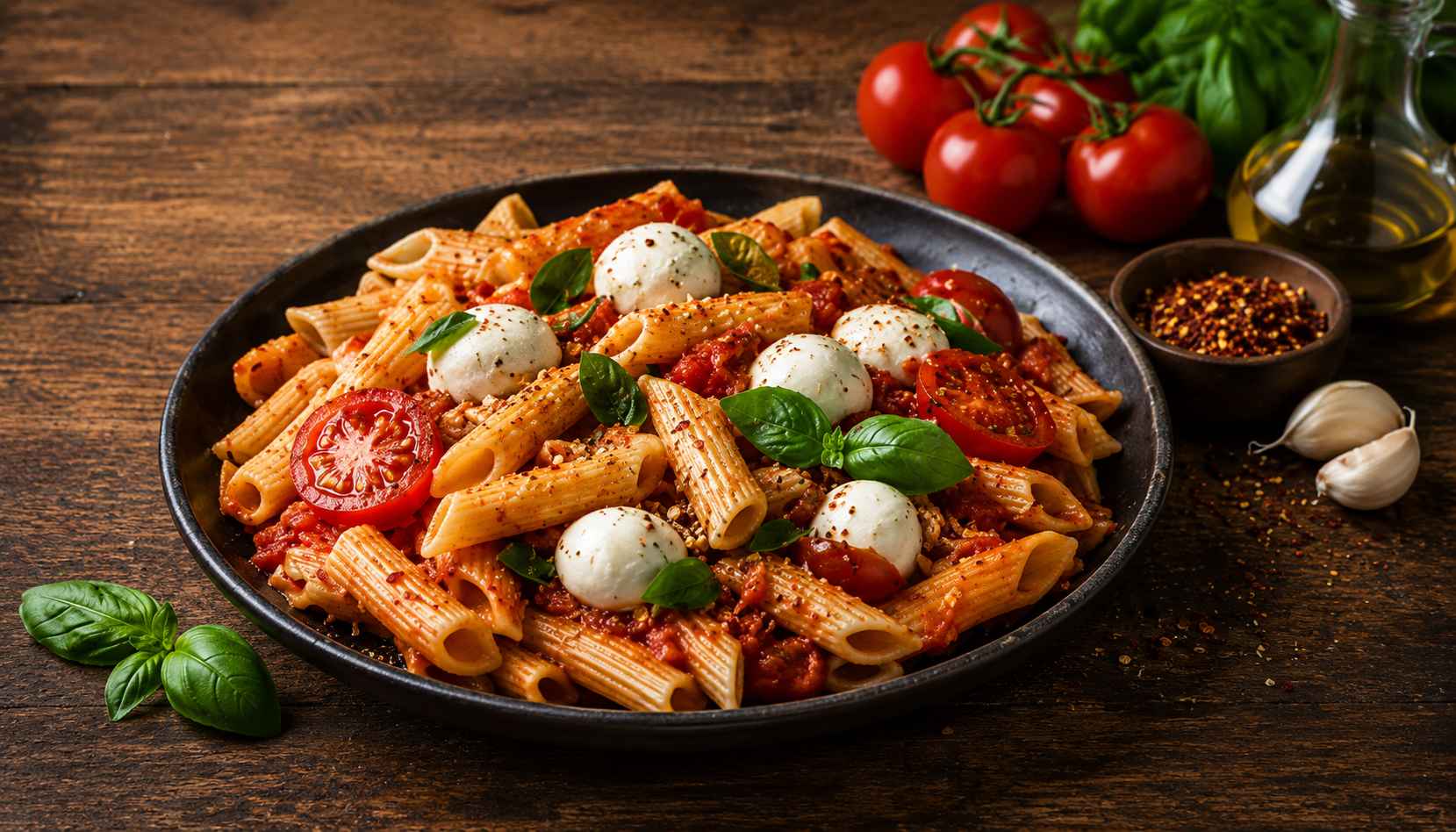
The Science and Art of Perfect Pasta
Achieving the perfect plate of pasta involves a blend of science and art. The cooking process itself requires attention to detail. Boiling pasta in generously salted water ensures it is seasoned throughout. The concept of 'al dente', meaning 'to the tooth', is crucial, referring to pasta that is cooked through but still retains a slight firmness. Overcooked pasta can become mushy and lose its appealing texture. The sauce plays an equally important role. A well made sauce should complement, not overpower, the pasta. The interaction between the starch released from the pasta during cooking and the sauce creates a harmonious emulsion that coats each strand or piece beautifully. The choice of pasta shape in relation to the sauce is also a considered element, with culinary tradition and practical considerations guiding these pairings.
Pasta's journey from ancient staple to global phenomenon is a testament to its inherent qualities: its simplicity, its adaptability, and its ability to evoke comfort and joy. Whether enjoyed in a traditional Italian trattoria or a modern fusion restaurant, pasta continues to captivate taste buds and nourish communities. Its rich history, diverse forms, and universal appeal ensure that pasta will remain a cherished and enduring part of our culinary landscape for generations to come.

Most Popular












Anaya
comment1