



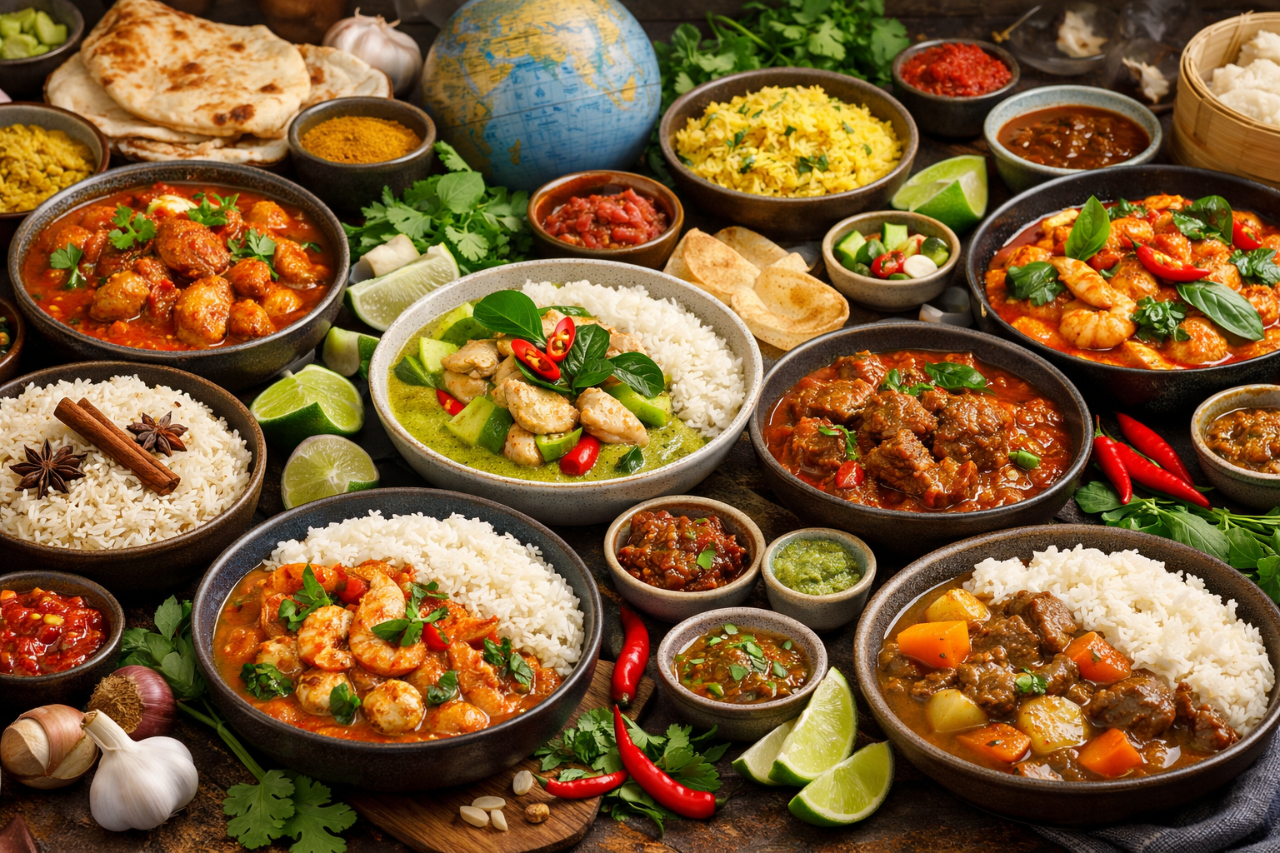
In the vast and diverse world of global cuisine, few dishes command the universal respect and widespread popularity of rice and curry. This seemingly simple pairing, found in countless variations across continents, represents far more than just a meal. It is a testament to human ingenuity, cultural exchange, and the enduring power of comfort food. From the aromatic spice blends of South Asia to the rich coconut milk curries of Southeast Asia, rice and curry offers an incredible spectrum of flavors, textures, and experiences, making it a true culinary staple.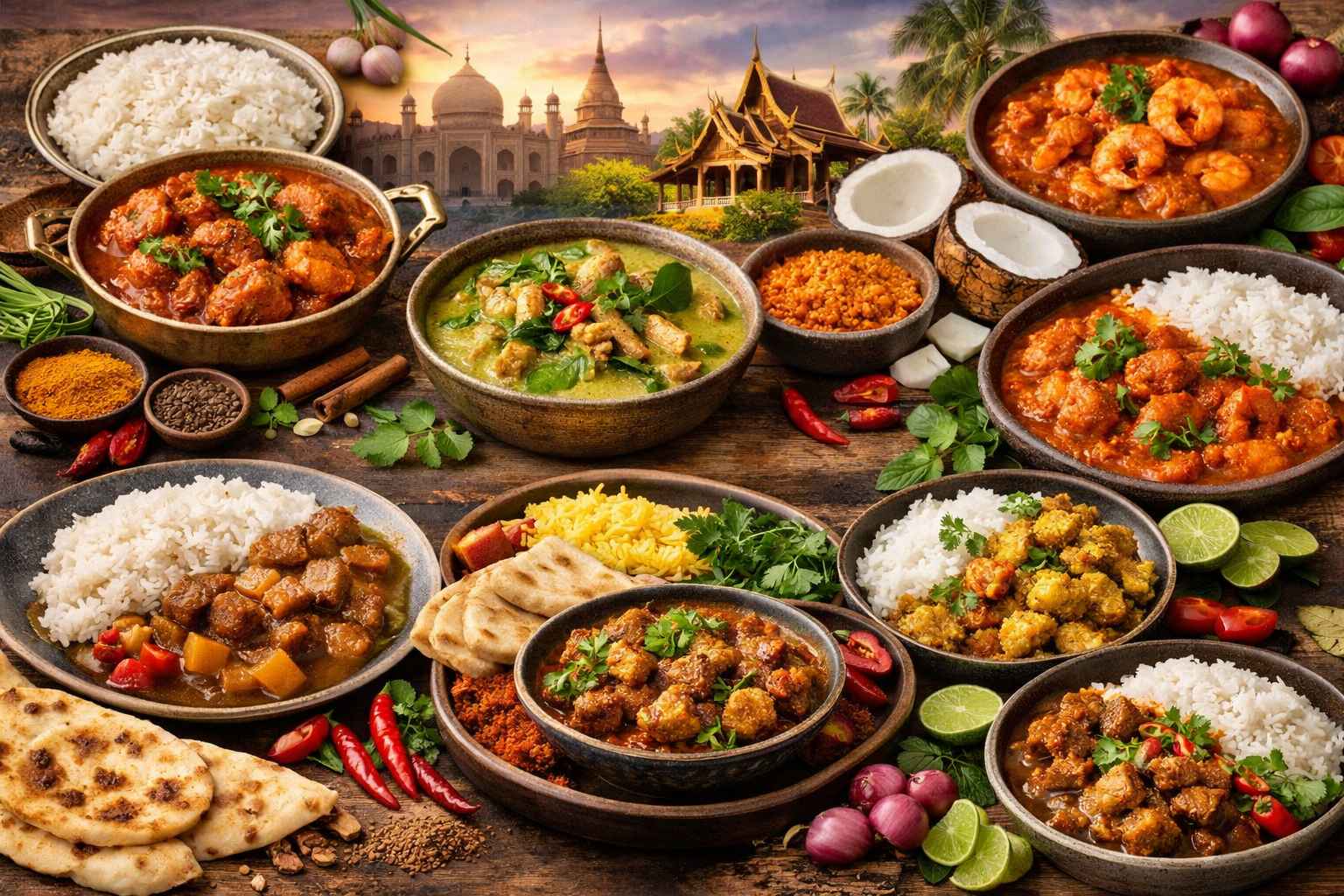
A Global Phenomenon: More Than Just a Dish
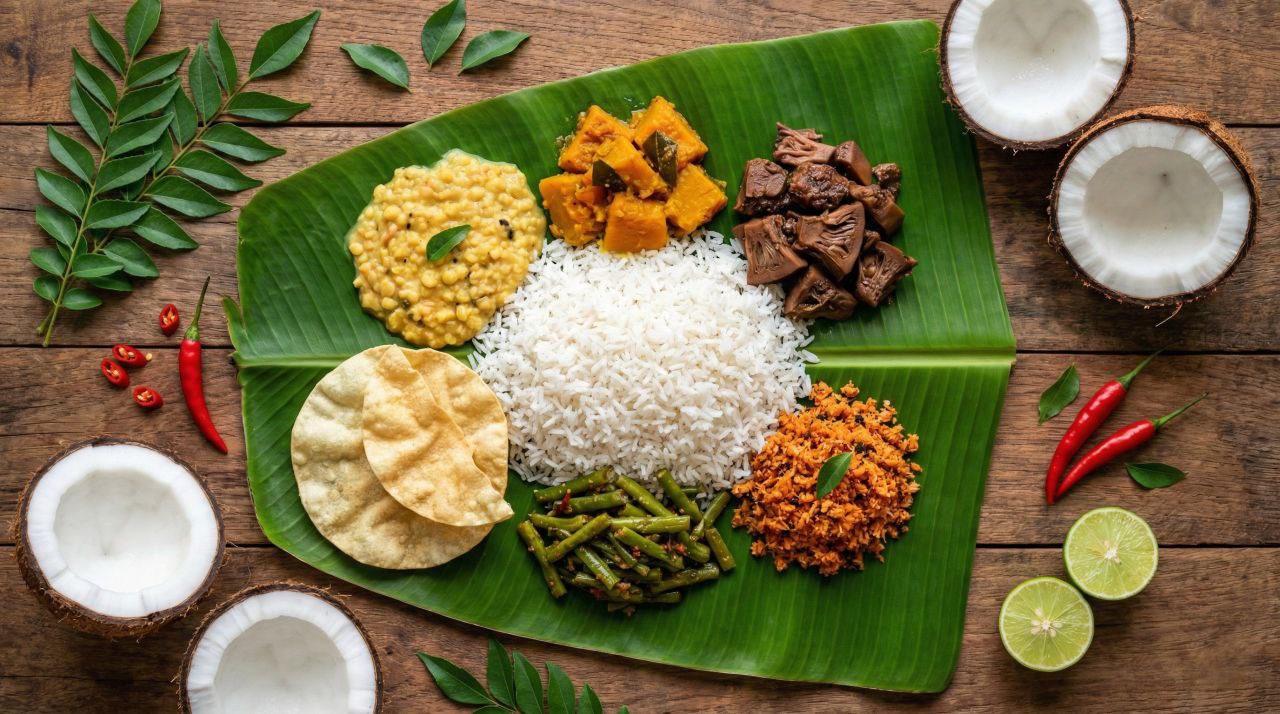
The fundamental concept of serving a flavorful, often saucy, dish alongside a bed of steamed rice is remarkably prevalent. Rice, with its neutral palate and ability to absorb surrounding tastes, acts as the perfect canvas for the complex and vibrant profiles of curries. This synergy has allowed the dish to evolve and adapt, reflecting the unique ingredients, traditions, and culinary philosophies of different regions.
The Heart of the Matter: The Curry
The true magic of rice and curry lies in the curry itself. The term "curry" is a broad umbrella encompassing an astonishing array of preparations. At its core, a curry typically involves simmering a blend of spices, aromatics like onions, garlic, and ginger, and a liquid base, which can range from water or broth to coconut milk, yogurt, or tomato puree. Protein sources such as chicken, lamb, fish, lentils, or vegetables are then incorporated, allowing them to absorb the rich flavors of the sauce.
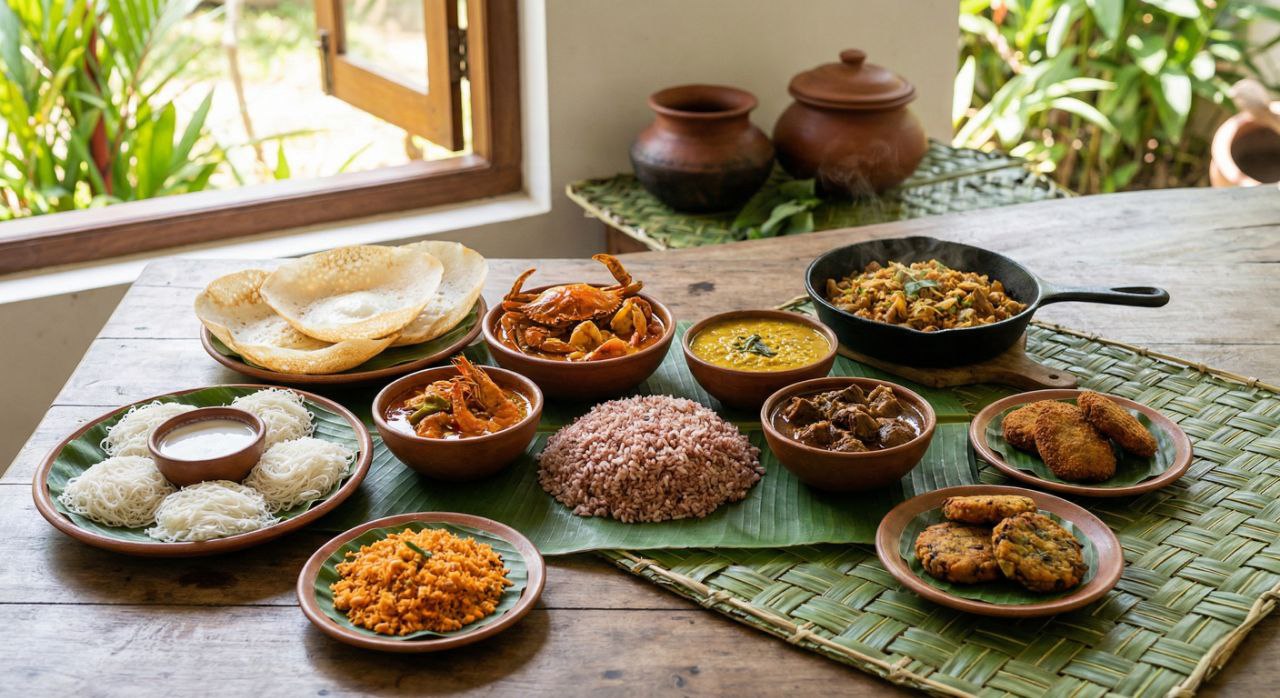
The spice profiles are where the true artistry emerges. Indian curries, for instance, are renowned for their intricate layering of spices like cumin, coriander, turmeric, cardamom, and chili. These can be ground into powders or used whole, toasted to release their essential oils. In contrast, Thai curries often feature fresh ingredients like lemongrass, galangal, and kaffir lime leaves, pounded into a paste and enriched with creamy coconut milk, creating a distinctively fragrant and slightly sweet profile. Sri Lankan curries, while sharing some similarities with their Indian neighbors, often incorporate a generous use of coconut milk and a distinct blend of spices, resulting in a unique and beloved flavor.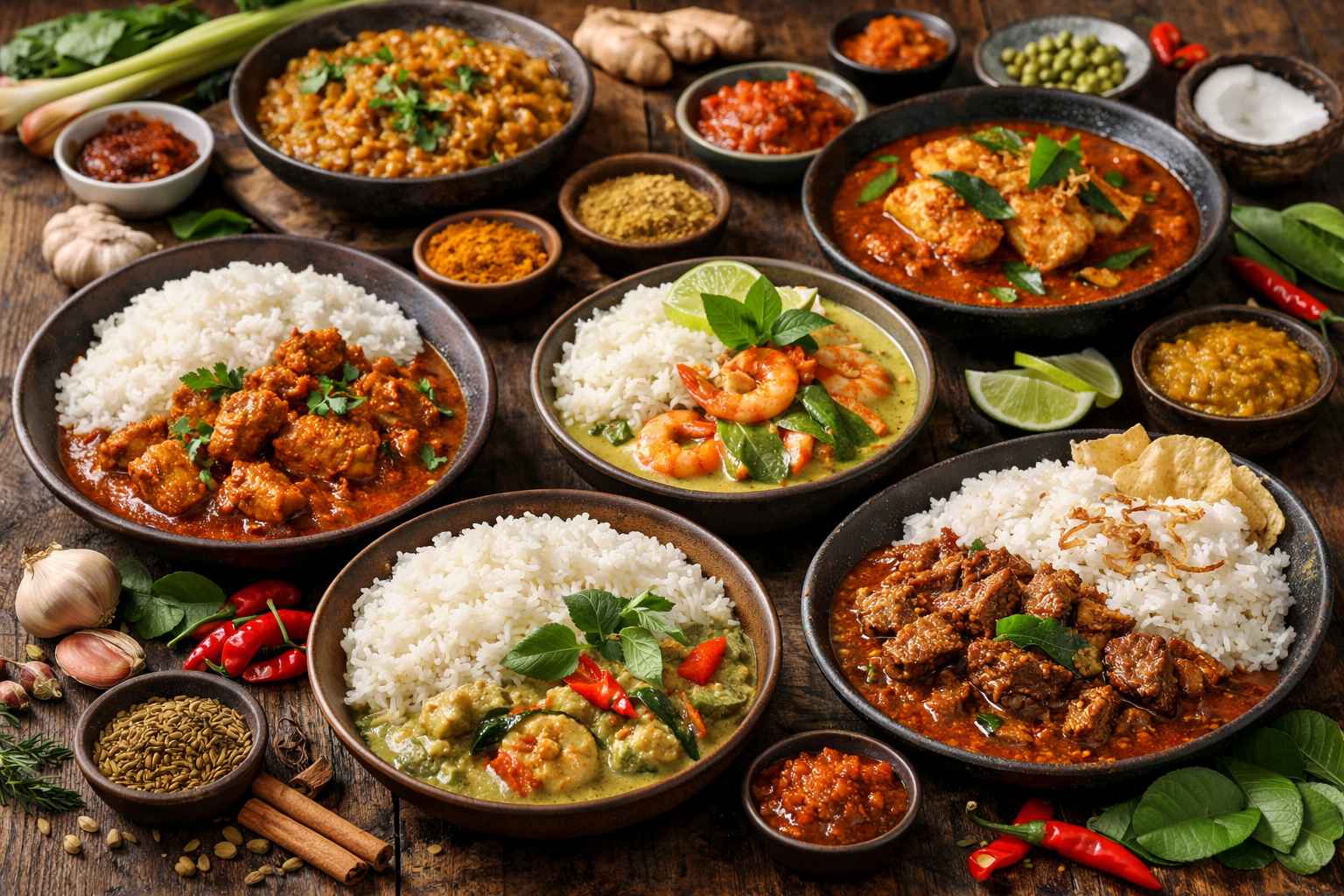
The Perfect Partner: The Rice
While the curry takes center stage, the rice plays an equally crucial supporting role. The choice of rice can significantly impact the overall dining experience. Long-grain Basmati rice, with its delicate aroma and fluffy texture, is a classic accompaniment to many South Asian curries, as its grains remain separate, allowing each morsel of curry to coat them perfectly. Jasmine rice, with its slightly sweeter flavor and tender texture, is a popular choice for Southeast Asian curries, particularly those with coconut milk bases. Short-grain or sticky rice is often preferred in certain regions for its ability to be molded or used as a utensil, soaking up the delicious sauces.
Cultural Significance and Global Reach
Rice and curry is not merely a culinary tradition; it is deeply woven into the cultural fabric of many societies. It is a dish that brings families together, a staple at celebrations, and a comforting meal after a long day. Its adaptability has made it a favorite among travelers and expatriates alike, offering a taste of home or a delicious introduction to new flavors. The global spread of rice and curry is a testament to its universal appeal and the ease with which it can be prepared and enjoyed in diverse settings.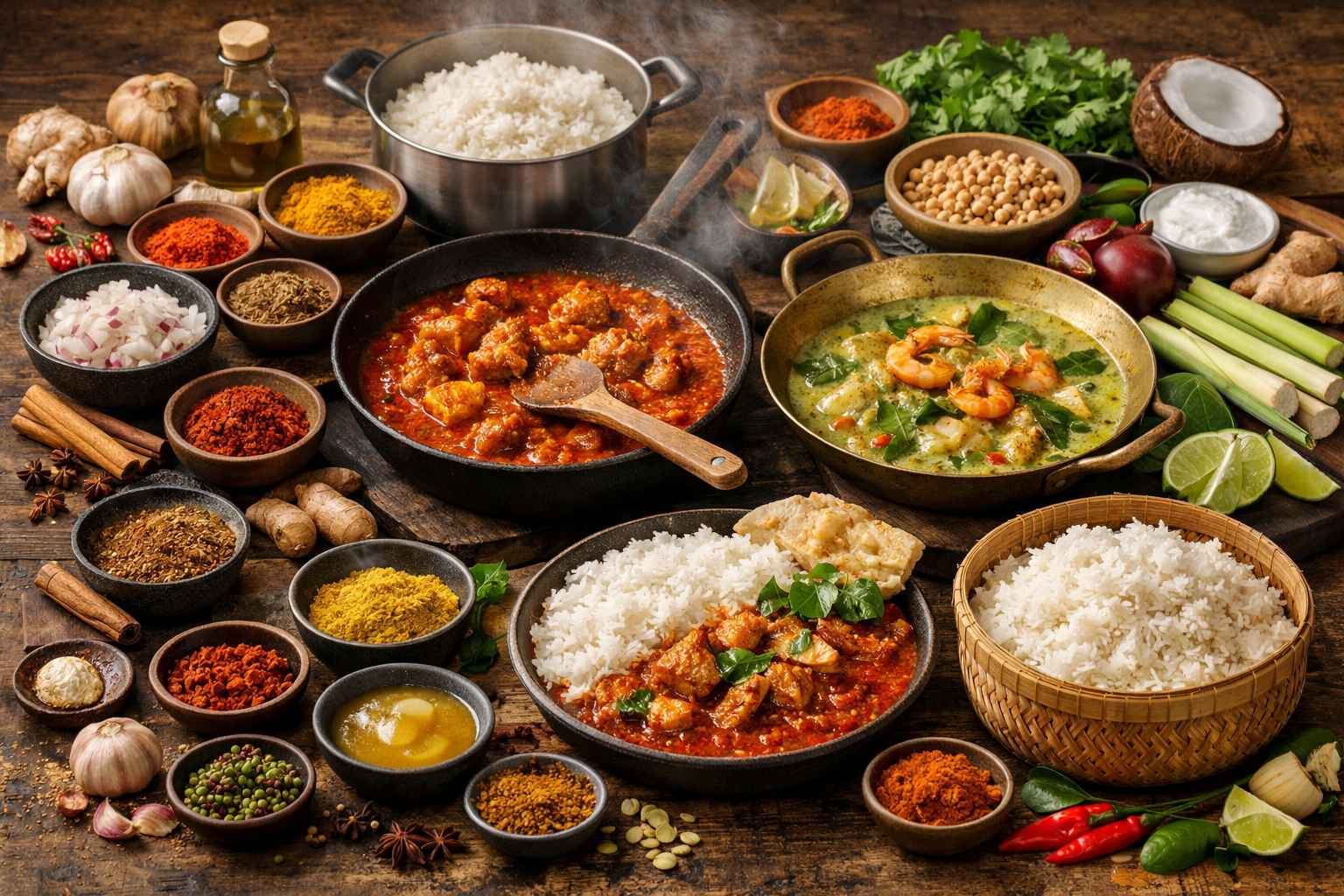
Beyond the Basics: Variations and Innovations
The beauty of rice and curry lies in its endless possibilities. Chefs and home cooks continue to innovate, experimenting with new spice combinations, different protein sources, and unique vegetable pairings. From fiery vindaloos to mild kormas, from vibrant green curries to rich, dark masalas, the spectrum is vast. The inclusion of global influences has also led to fascinating fusion dishes, blending traditional curry techniques with ingredients and flavors from other culinary traditions. This ongoing evolution ensures that rice and curry will remain a dynamic and exciting part of the global food landscape for generations to come.
Rice and curry, in its myriad forms, stands as a timeless and universally cherished meal. Its enduring appeal lies in its perfect balance of simplicity and complexity, its ability to adapt to diverse palates and ingredients, and its deep cultural significance. Whether enjoyed in its traditional homeland or prepared in kitchens across the globe, rice and curry continues to nourish, comfort, and delight, solidifying its place as a true culinary icon.

Most Popular









Anaya
comment1