




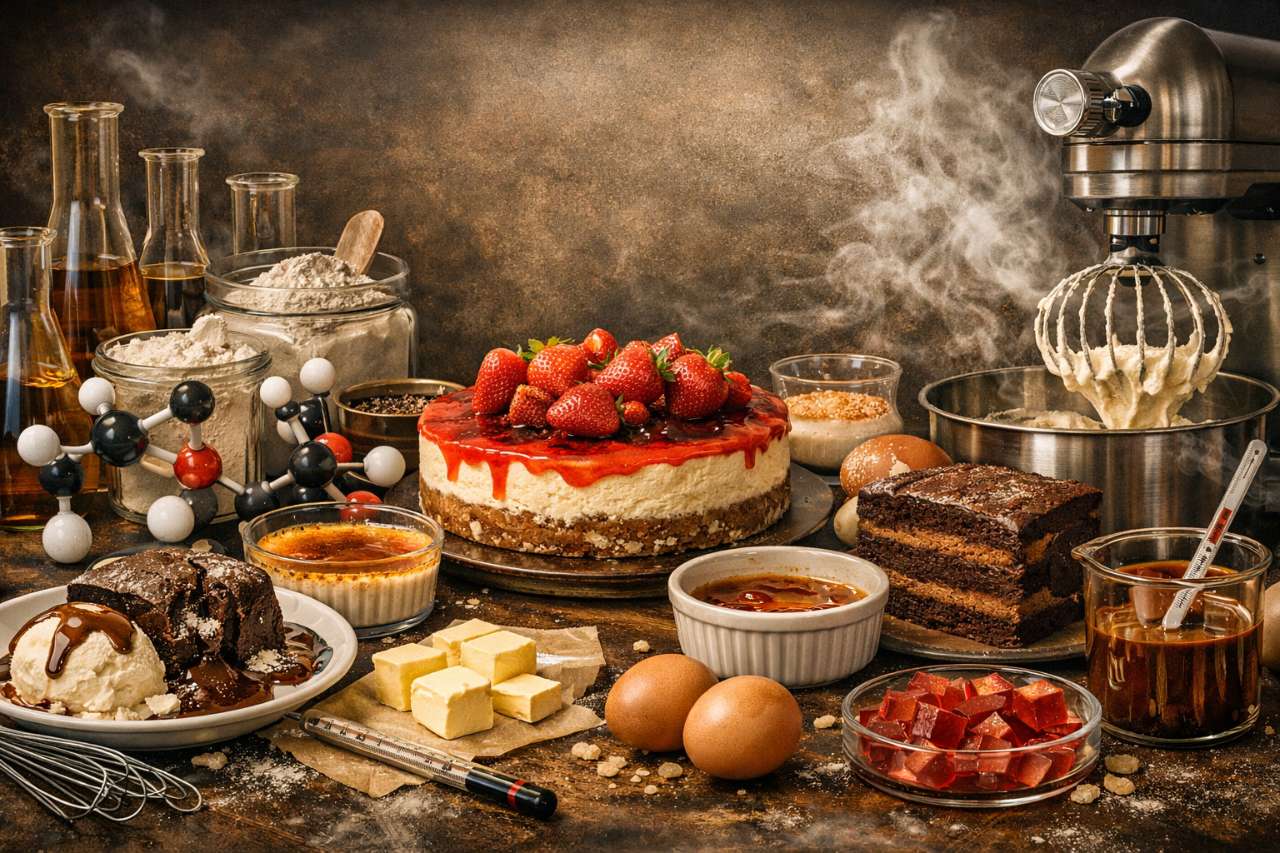
In the world of gastronomy, there exists a rare and fascinating individual, often referred to as the 'Flavor Alchemist.' This isn't a title bestowed by formal institutions, but rather a recognition of someone possessing an extraordinary ability to understand, manipulate, and ultimately elevate the very essence of taste. These culinary artisans move beyond simple recipes, delving into the intricate science and intuitive art of flavor, transforming ordinary ingredients into extraordinary sensory experiences.
Understanding the Building Blocks of Flavor
At the heart of flavor alchemy lies a deep understanding of fundamental taste profiles: sweet, sour, salty, bitter, and umami. A true alchemist doesn't just balance these, but orchestrates them. They comprehend how different ingredients interact, how cooking techniques can unlock hidden aromas, and how the subtle addition of one element can dramatically alter the perception of the entire dish. This involves a profound knowledge of chemistry, biology, and even physics as applied to food. For instance, understanding the Maillard reaction, the complex chemical process responsible for the browning of food and the development of rich flavors, is crucial for many flavor alchemists. Similarly, they grasp the nuances of volatile organic compounds, the molecules that contribute to the aromas we associate with delicious food.
The Palette of Ingredients and Techniques
The flavor alchemist's toolkit is vast and varied. It extends far beyond the standard pantry. They are adept at sourcing unique ingredients, from rare herbs and exotic spices to heritage vegetables and artisanal cheeses. But the true magic lies in their application. A pinch of smoked paprika might be used not just for its smoky notes, but to enhance the natural sweetness of roasted carrots. A splash of verjus, the acidic juice of unripe grapes, could be employed to cut through the richness of a slow cooked lamb, providing a bright, clean finish without the sharp tang of vinegar. Techniques such as fermentation, sous vide, spherification, and dehydration are not mere trends for them; they are tools to unlock new textures, intensify flavors, and create surprising culinary juxtapositions. They might ferment a humble cabbage to create a complex, tangy condiment or use dehydration to concentrate the essence of a fruit into a powerful flavor bomb.
The Science of Sensation
Beyond the palate, flavor alchemy engages all the senses. The visual appeal of a dish, the subtle sounds of cooking, the textural contrasts, and even the aroma that wafts from the plate all contribute to the overall sensory experience. An alchemist understands how to create a symphony of sensations. They might pair a crispy element with a creamy one, a vibrant color with a muted tone, or a comforting warmth with a cooling sensation. The environment in which the food is served also plays a role, influencing mood and perception. This holistic approach elevates dining from mere sustenance to an immersive art form.
Innovation and Tradition
While the term 'alchemy' might suggest a push towards the avant garde, flavor alchemists often draw deeply from tradition. They respect the culinary heritage of different cultures, understanding the historical context and the generations of knowledge that have shaped traditional flavor profiles. Their innovation comes from building upon this foundation, infusing familiar tastes with new perspectives and techniques. They might reimagine a classic dish with an unexpected ingredient or apply a modern method to a centuries old recipe, creating something that is both novel and comfortingly recognizable. This respect for the past, combined with a forward thinking approach, is what makes their creations so compelling.
The Journey of a Flavor Alchemist
Becoming a flavor alchemist is not a destination, but a continuous journey of learning, experimentation, and discovery. It requires curiosity, a willingness to take risks, and an unwavering passion for the infinite possibilities of taste. Whether in a Michelin starred restaurant, a bustling street food stall, or a home kitchen, the flavor alchemist is a master of transformation, inviting us to explore the incredible, edible world through a new lens of taste and sensation.
Most Popular









Anaya
comment1