




The very word conjures images of rich, decadent desserts, comforting treats, and moments of pure bliss. For centuries, this beloved confection has captivated palates across the globe, evolving from a bitter beverage of ancient civilizations to the diverse array of bars, truffles, and pastries we enjoy today. This exploration delves into the fascinating world of chocolate, examining its origins, the science behind its appeal, and its profound cultural significance.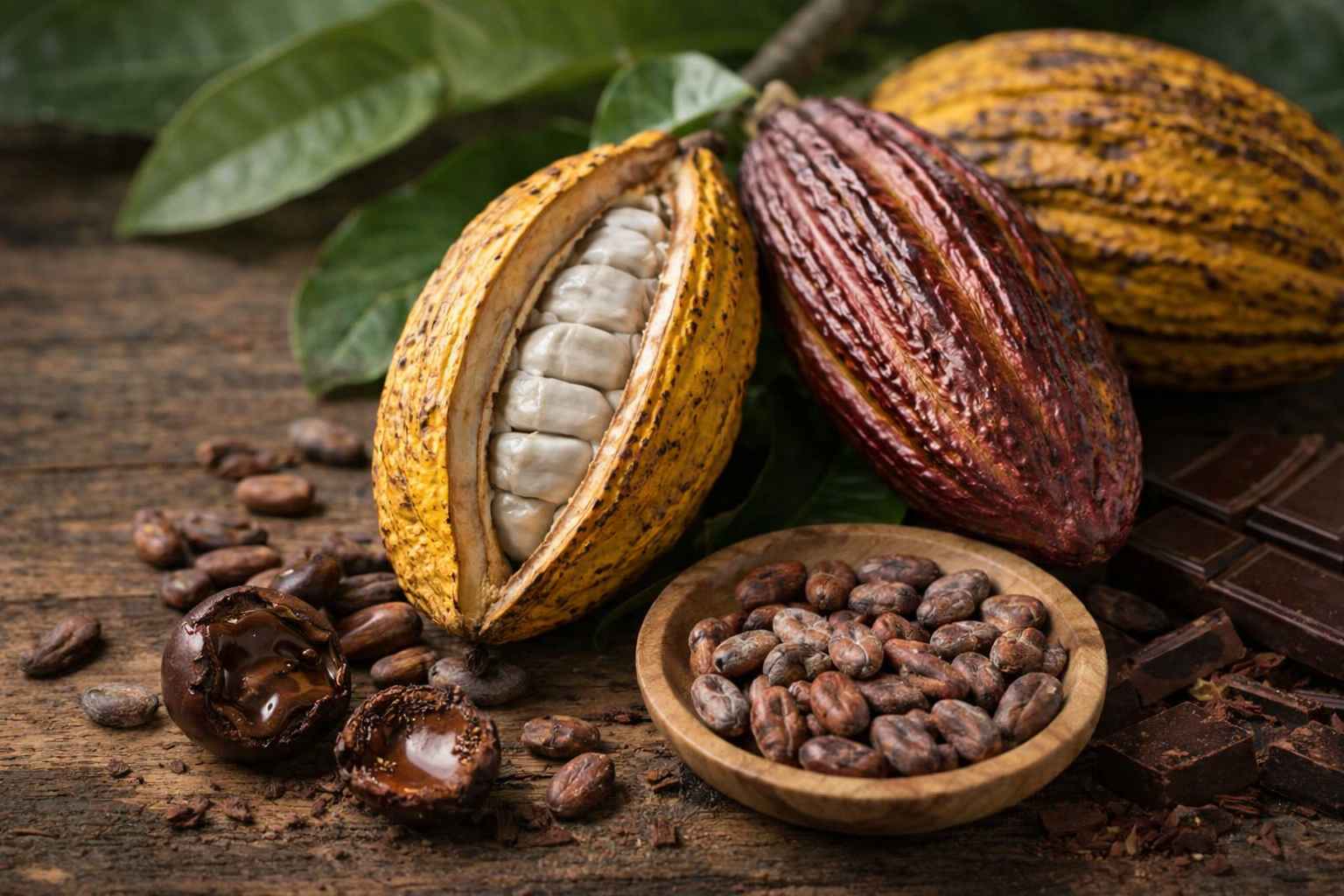
From Bean to Bar A Storied Past
The journey of chocolate begins with the humble cacao bean, harvested from the Theobroma cacao tree, indigenous to the tropical regions of the Americas. Archaeological evidence suggests that the Olmec civilization, as early as 1500 BCE, was among the first to cultivate and utilize cacao. They prepared a bitter, unsweetened beverage, often flavored with spices and chili peppers, which held significant ceremonial and medicinal importance. This tradition was later adopted and refined by the Maya and Aztecs, who revered cacao as a divine gift and used its beans as currency.
The arrival of Europeans in the Americas in the 16th century marked a pivotal moment in chocolate's history. Spanish conquistadors, initially encountering the bitter drink, soon developed a taste for it, particularly after sweetening it with sugar and adding spices like cinnamon. This sweetened version quickly gained popularity among the European aristocracy, becoming a luxury item enjoyed in fashionable salons. Over time, advancements in technology, such as the invention of the cocoa press in the 19th century, revolutionized chocolate production, making it more accessible and leading to the creation of solid chocolate bars.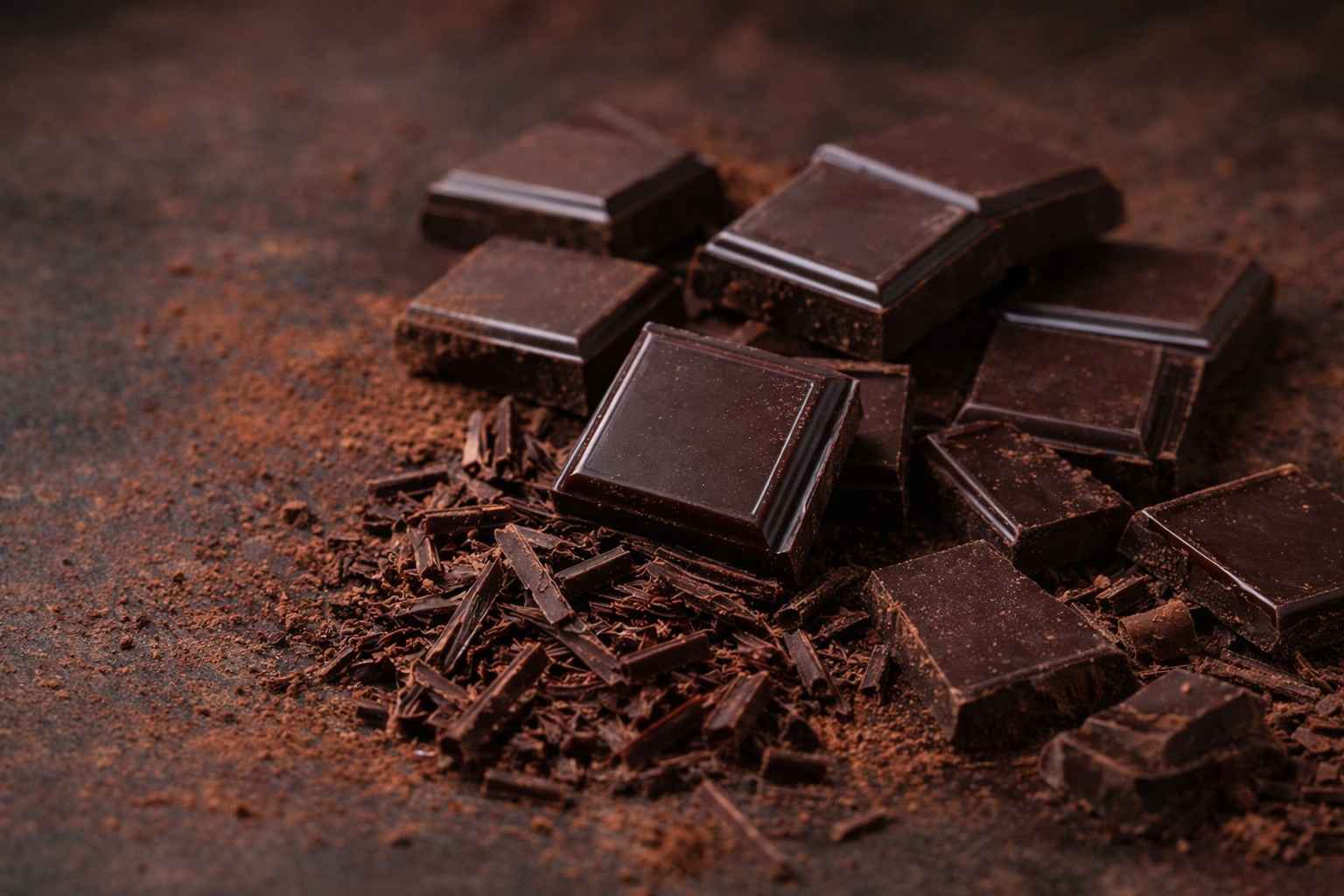
The Science of Sweetness Understanding Chocolate's Allure
What makes chocolate so irresistibly appealing? The answer lies in a complex interplay of chemistry and sensory perception. Chocolate contains a unique combination of compounds that stimulate various pleasure centers in the brain. Phenylethylamine, a natural stimulant, is often linked to feelings of euphoria and well being, while theobromine provides a gentle, mood elevating lift. Furthermore, the rich aroma of chocolate, derived from hundreds of volatile compounds, plays a crucial role in its overall sensory experience. The way chocolate melts in the mouth, a result of its specific fat content and crystal structure, also contributes to its luxurious texture and satisfaction.
Beyond its chemical makeup, the psychological and cultural associations with chocolate are equally powerful. It is often given as a gift to express affection, shared during celebrations, and used as a comforting indulgence during times of stress. These positive connections embed chocolate deeply within our emotional landscape, enhancing its appeal beyond mere taste.
A World of Varieties Exploring Chocolate's Diversity
Today, the world of chocolate is incredibly diverse, offering something for every preference. The primary classifications are based on the cacao content:
- Dark Chocolate: Typically contains a higher percentage of cacao solids, offering a more intense, often bittersweet flavor. Its health benefits are also frequently highlighted due to its antioxidant properties.
- Milk Chocolate: Characterized by the addition of milk solids and a lower cacao percentage, resulting in a sweeter, creamier profile.
- White Chocolate: Made from cocoa butter, sugar, and milk solids, it contains no cocoa solids and thus has a distinct sweet and creamy taste without the chocolatey bitterness.
Beyond these broad categories, artisanal chocolatiers are constantly innovating, creating unique flavor combinations, single origin chocolates that highlight the nuances of beans from specific regions, and ethically sourced options that prioritize sustainability and fair trade practices.
The Enduring Charm of Chocolate
From its ancient roots as a sacred elixir to its modern status as a global culinary delight, chocolate continues to hold a special place in our hearts and on our plates. Its complex flavors, stimulating properties, and rich cultural tapestry ensure its enduring appeal. Whether enjoyed in its simplest form or as the star of an elaborate dessert, chocolate remains a powerful symbol of indulgence, comfort, and shared joy. As we continue to explore its vast possibilities, the world of chocolate promises to offer even more delicious discoveries for years to come.

Most Popular












Anaya
comment1