



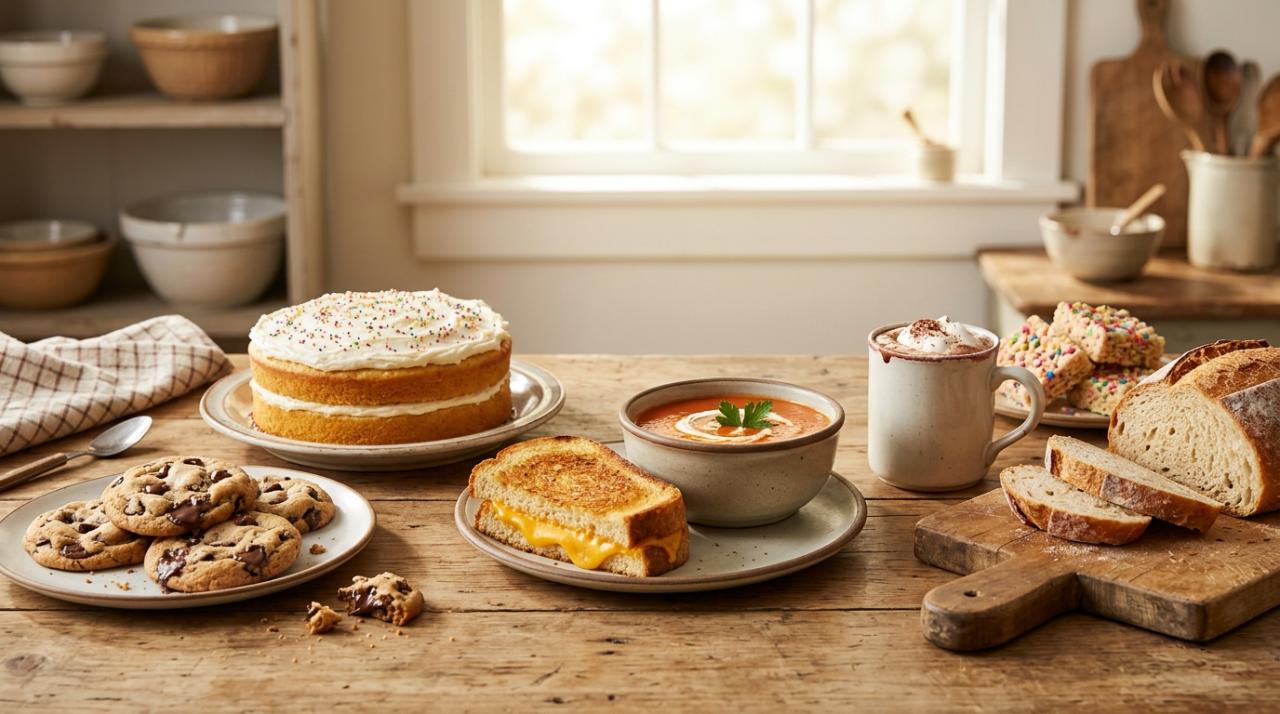
The Unforgettable Flavors of Childhood
Remember that one meal, that specific snack, that made your eyes light up as a kid? For many of us, certain foods are more than just sustenance; they're time capsules, transporting us back to carefree days filled with family, fun, and maybe a little bit of mischief. But why do these particular dishes etch themselves so deeply into our memories, becoming lifelong favorites? It's a fascinating blend of biology, psychology, and the powerful magic of nostalgia.
The Emotional Connection
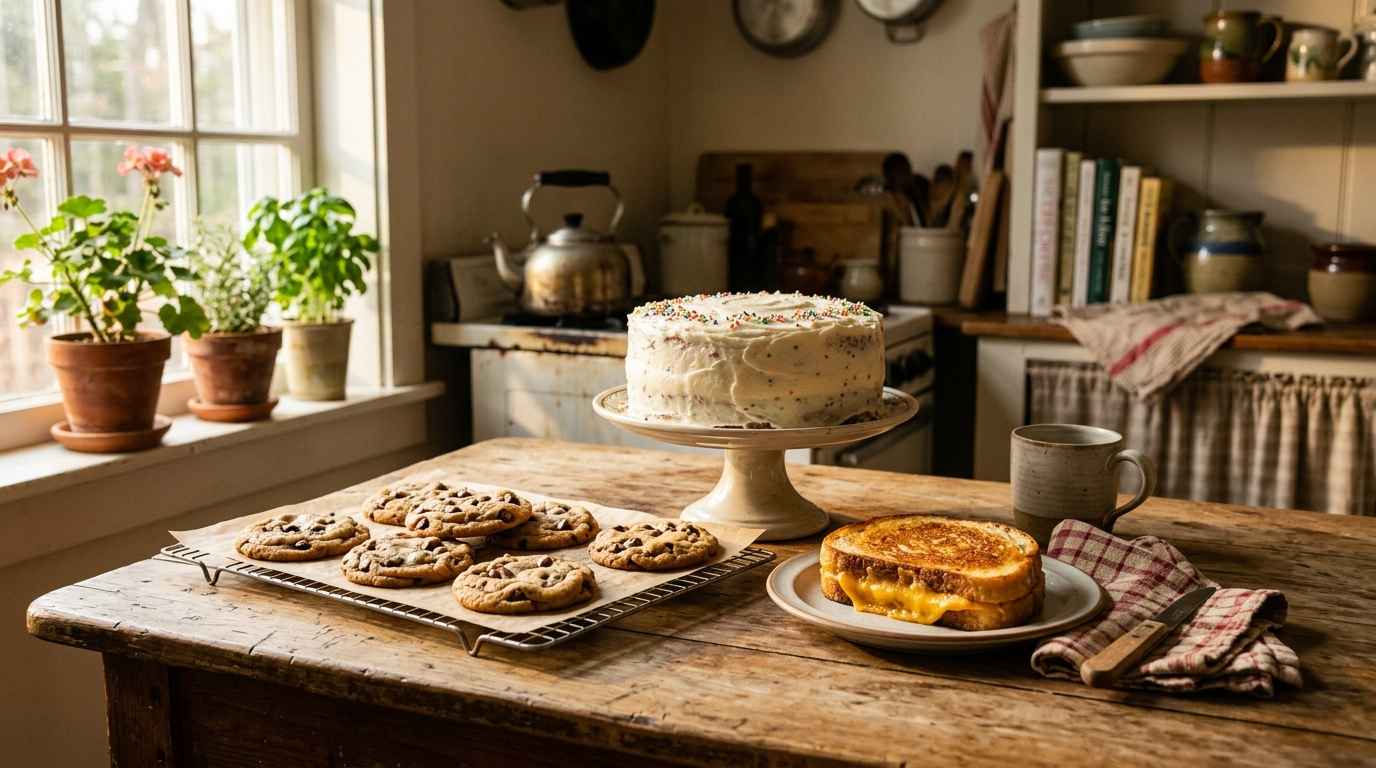
Our early food experiences are foundational. When we're young, our senses are incredibly receptive, and food becomes linked to a wide range of emotions and experiences. Think about it: mom's famous chocolate chip cookies, a special birthday cake, or even the humble grilled cheese sandwich made during a rainy afternoon. These aren't just about the ingredients; they're about the warmth of the kitchen, the laughter shared, or the comfort of being nurtured.
The Power of Repetition and Association
One of the biggest drivers of childhood food favorites is simple repetition. When a food is consistently present during positive experiences, our brains create strong associations. If a particular meal was always served on a happy occasion, like a family gathering or a successful school report card, we learn to associate that food with joy and celebration. Conversely, if a food was a source of comfort during difficult times, it can become a go-to for emotional solace later in life.
The Taste of Familiarity and Comfort
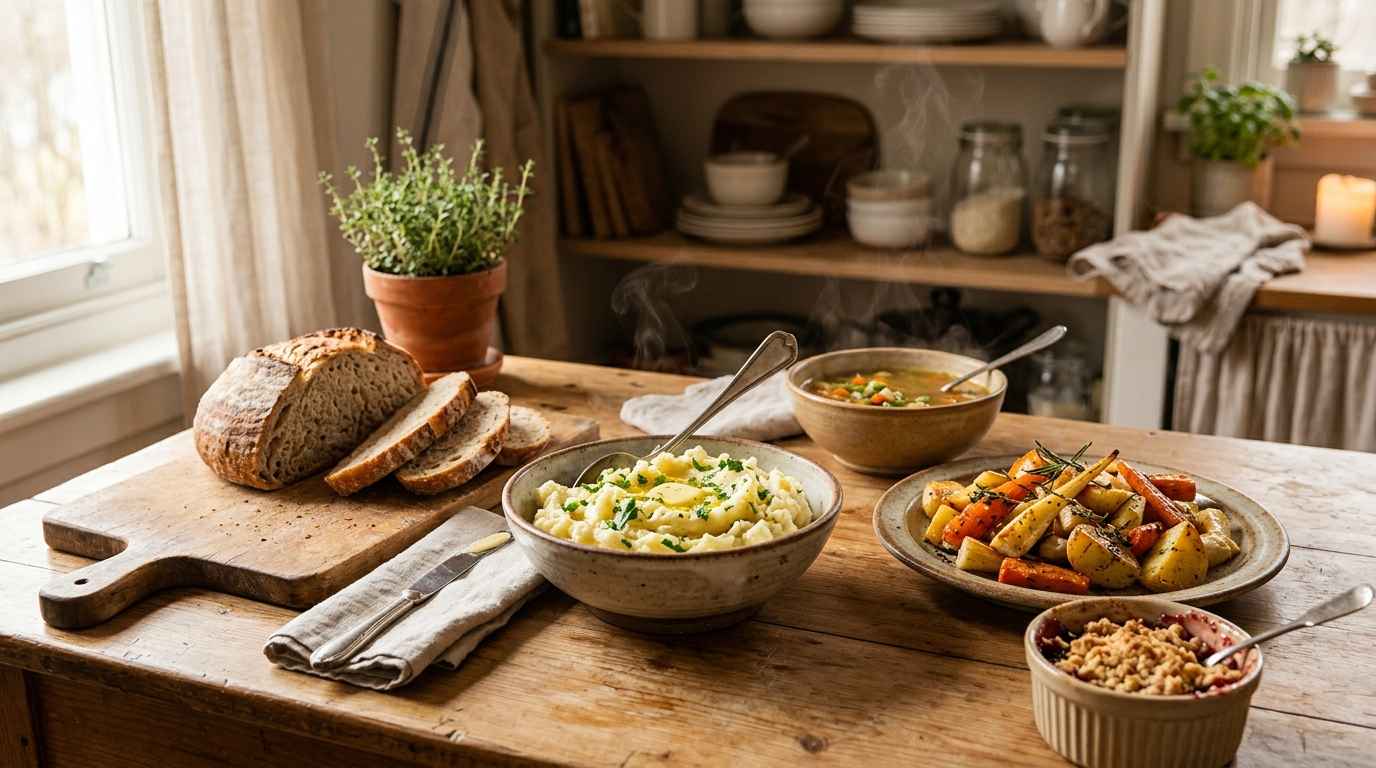
Children often gravitate towards familiar flavors and textures. Sweet, savory, and mildly spiced foods tend to be more appealing than bitter or intensely sour ones. This is partly a biological predisposition, as many early foods for humans were naturally sweet and provided essential energy. When we encounter these familiar tastes repeatedly in a safe and loving environment, they become deeply ingrained as comfort foods. This familiarity breeds a sense of security and predictability, which are crucial for developing minds.
The Influence of Culture and Family Traditions
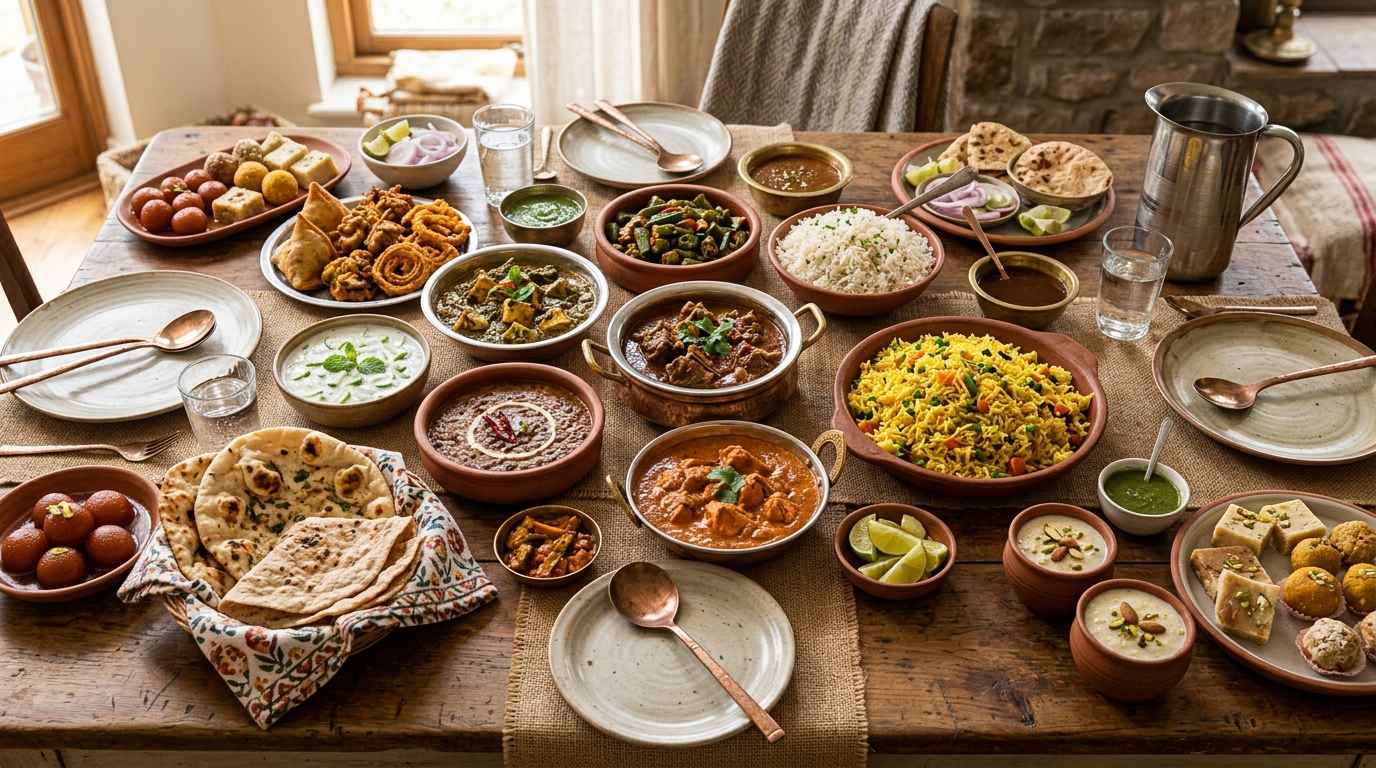
Our family and cultural background play a significant role in shaping our palates from a young age. The foods we eat growing up are often steeped in tradition and represent our heritage. Whether it’s a specific holiday dish, a regional specialty, or a recipe passed down through generations, these foods connect us to our roots and our identity. Sharing these meals becomes a ritual, reinforcing the bond between family members and creating lasting childhood food memories.
Sensory Experiences and Novelty
While familiarity is key, occasional novel experiences can also create memorable favorites. A trip to a new restaurant, a picnic in a special location, or trying a dish prepared by someone new can leave a lasting impression. The excitement of discovery, coupled with the unique sensory experience, can elevate a simple food item to a cherished memory. However, for these novel foods to become enduring favorites, they often need to be revisited or linked to equally positive ongoing experiences.
From Childhood Favorites to Adult Cravings
As adults, we often find ourselves craving the very foods that defined our childhood. This isn't just about a lingering taste preference; it's about seeking out the comfort, security, and emotional resonance that these foods provide. Revisiting our favorite childhood meals can be a powerful way to reconnect with our past, relive happy memories, and find a sense of grounding in our busy adult lives.
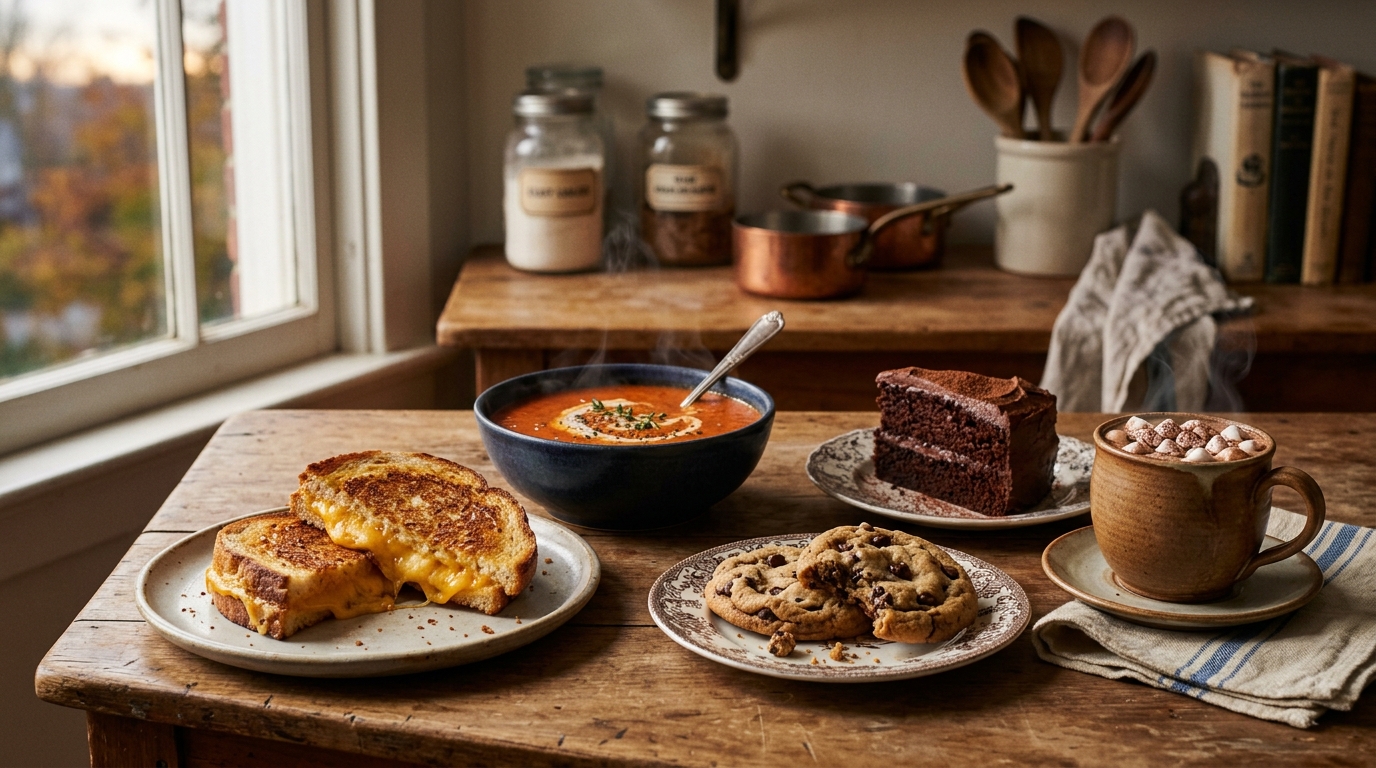
The Enduring Power of Nostalgic Flavors
The foods that become our childhood favorites are woven into the fabric of our lives. They represent more than just a meal; they are a testament to the emotional connections we form, the traditions we cherish, and the comfort we find in familiarity. So, the next time you find yourself drawn to that simple, perhaps even unassuming, dish, take a moment to appreciate the journey it represents – a delicious link to the sweetest memories of your past.
Most Popular







Anaya
comment1