




The Comforting Embrace of Familiar Flavors
There's a reason why, after a long, stressful day, a bowl of mac and cheese, a slice of warm chocolate chip cookie, or even a simple cup of soup can feel like a hug from the inside. We all have those go-to dishes that bring us a sense of ease and contentment. But have you ever stopped to wonder why certain foods have such a powerful hold on our emotions? It turns out, there's a fascinating blend of psychology, biology, and personal history at play.
More Than Just Food Nourishment
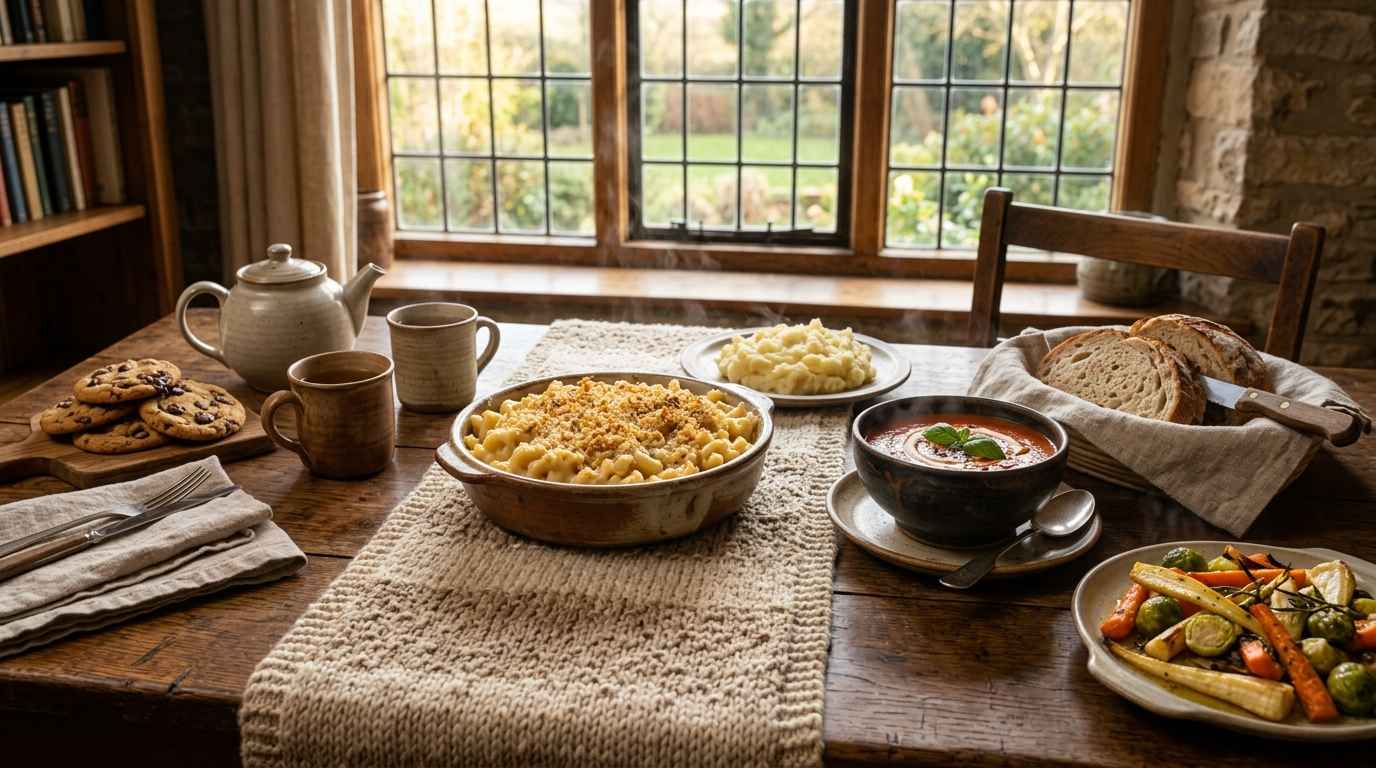
Comfort foods are more than just fuel for our bodies; they're often deeply intertwined with our memories and emotions. Think back to your childhood. What did your parents or grandparents cook for you when you were feeling sick, sad, or just needed a little extra love? These early associations can create powerful emotional connections to specific foods that last a lifetime.
The Nostalgia Factor
Nostalgia plays a huge role. When we eat a food that reminds us of a happy time, a loved one, or a simpler era, it can trigger a cascade of positive feelings. This is why traditional family recipes, dishes from our hometown, or even snacks from our school days often top the comfort food charts. It’s like a delicious time machine, transporting us back to cherished moments.
The Science of Satisfaction

Beyond sentimentality, there's a biological element too. Many comfort foods tend to be high in carbohydrates and fats, which are known to stimulate the release of serotonin and dopamine in the brain. These neurotransmitters are often referred to as "feel-good" chemicals. Serotonin can help regulate mood and induce feelings of calmness, while dopamine is associated with pleasure and reward. So, that creamy pasta or cheesy bake isn't just satisfying your hunger; it's actively working to boost your mood.
A Double-Edged Sword
While comfort foods can offer a temporary emotional boost, it's important to acknowledge the concept of emotional eating. Sometimes, we turn to these foods not because we're physically hungry, but because we're trying to cope with stress, sadness, anxiety, or boredom. While this can be a helpful coping mechanism in the short term, relying too heavily on food to manage emotions can lead to unhealthy eating patterns and feelings of guilt or shame afterward. It’s a bit of a catch-22; the food that makes us feel good initially might lead to negative feelings later.
Decoding Your Cravings

Understanding why you crave a particular comfort food can be empowering. Are you stressed? Bored? Feeling lonely? Identifying the underlying emotion can help you address the root cause rather than just the symptom. Perhaps a comforting phone call with a friend, a relaxing bath, or a good book could provide similar emotional relief without the added calories.
Finding a Healthy Balance
The good news is that enjoying comfort foods doesn't have to be a bad thing. The key is moderation and awareness. Instead of demonizing these foods, we can learn to appreciate them for what they are: sources of joy, nostalgia, and yes, even a little emotional support. It’s about finding a healthy balance where you can indulge in your favorites mindfully, without letting them control your eating habits.
The Power of Mindful Indulgence

Next time you reach for that familiar treat, take a moment to savor it. Notice the flavors, the textures, and the feelings it evokes. Acknowledge the memories associated with it. This mindful approach can enhance your enjoyment and help you feel more satisfied with less. It’s about truly appreciating the experience, rather than just going through the motions.
Embrace Your Comforts, Wisely
Our favorite comfort foods are a unique blend of personal history, biological responses, and emotional needs. They are a testament to how deeply food is woven into the fabric of our lives, connecting us to our past and providing solace in the present. By understanding the psychology behind our cravings, we can make more informed choices, allowing us to enjoy these beloved dishes guilt-free and in a way that truly nourishes both our bodies and our minds.
Most Popular











Anaya
comment1