



The Secrets Behind French Croissants A Delicious Breakfast Tradition
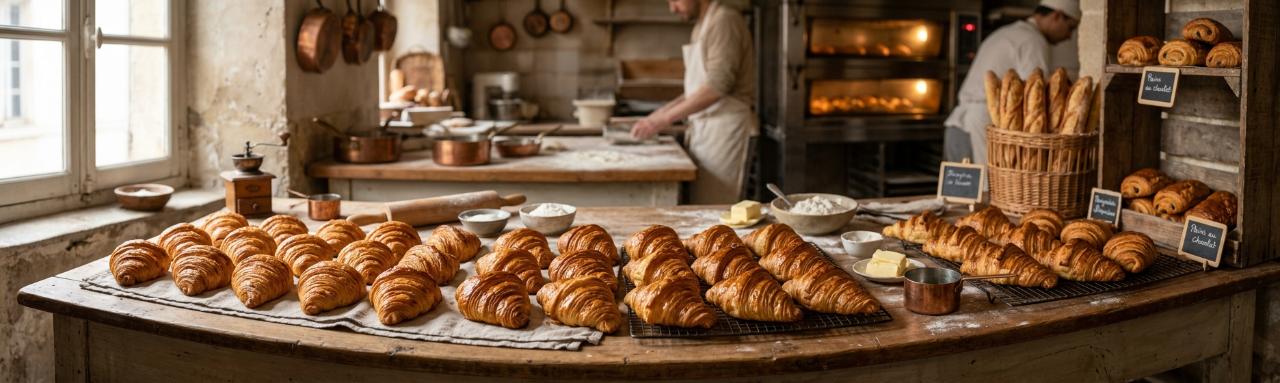
The mere mention of a croissant conjures images of flaky, buttery layers, a delicate crispness giving way to a soft, airy interior, and the unmistakable aroma of freshly baked perfection. This iconic pastry, a symbol of French patisserie, has graced breakfast tables and café counters for generations. But what truly lies behind the creation of such a seemingly simple yet profoundly exquisite delight? The journey from humble ingredients to the coveted croissant is a testament to meticulous technique, patience, and a deep understanding of baking science.
The Art of Lamination: The Heart of the Croissant
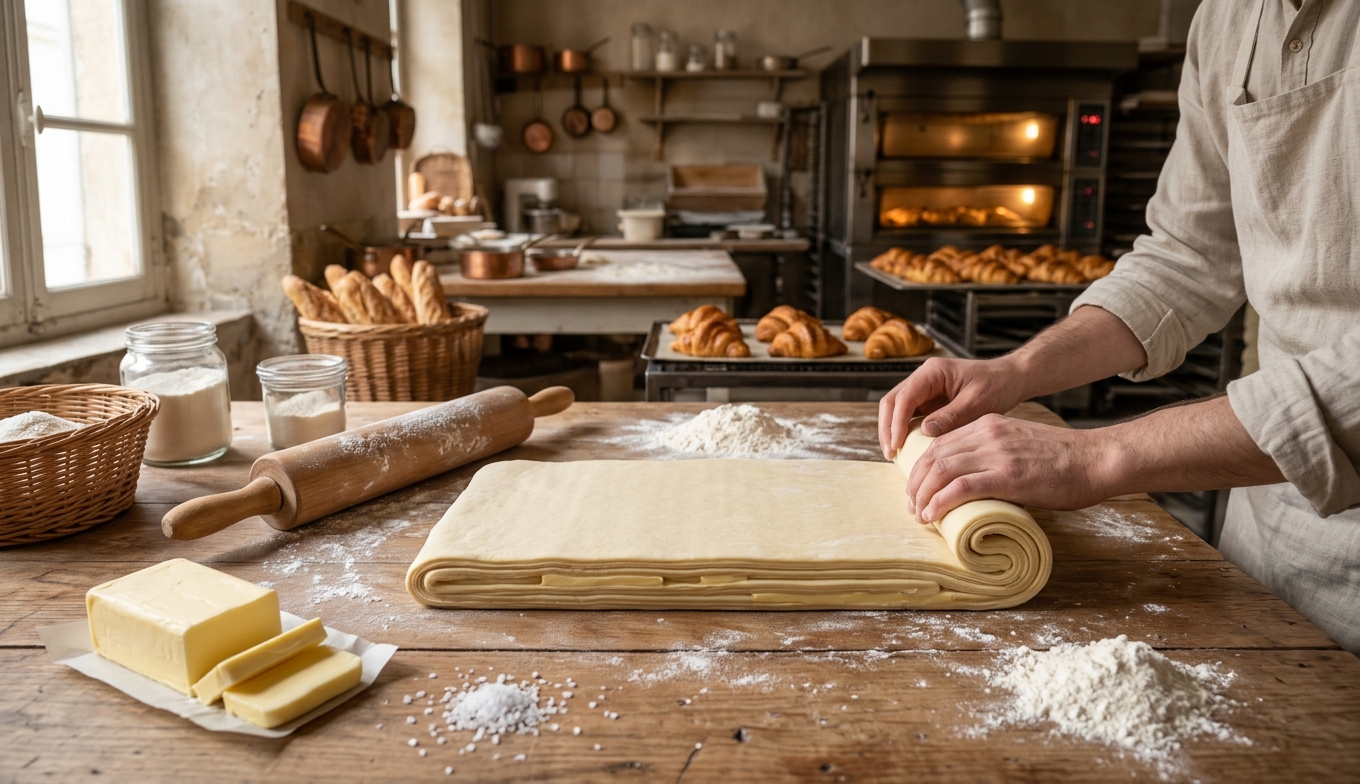
At the core of every exceptional croissant is the process of lamination. This intricate technique involves repeatedly folding a dough with butter, creating dozens, if not hundreds, of thin layers of dough separated by butter. When baked, the water in the butter turns to steam, causing these layers to puff up, separating and forming the signature flaky texture. It's a delicate dance of temperature control; the butter must remain cold and pliable enough to be rolled thin without melting into the dough, yet warm enough to be incorporated evenly. Too warm, and the butter will seep out, resulting in a greasy, dense pastry. Too cold, and the layers will be uneven and the texture compromised.
Key Ingredients and Their Roles
While the process is crucial, the quality of ingredients plays an equally vital role. Traditional French croissants typically use a high-fat European style butter, which has a lower water content and a higher fat percentage than its American counterpart. This contributes to a richer flavor and a more desirable texture. The flour used is typically a strong bread flour, providing the gluten structure needed to support the delicate layers. Yeast is essential for the rise and subtle fermentation flavor, while a touch of sugar and salt balances the taste and aids in browning. Some bakers also add a small amount of milk, which contributes to tenderness and a richer color.
The Patience of Proofing
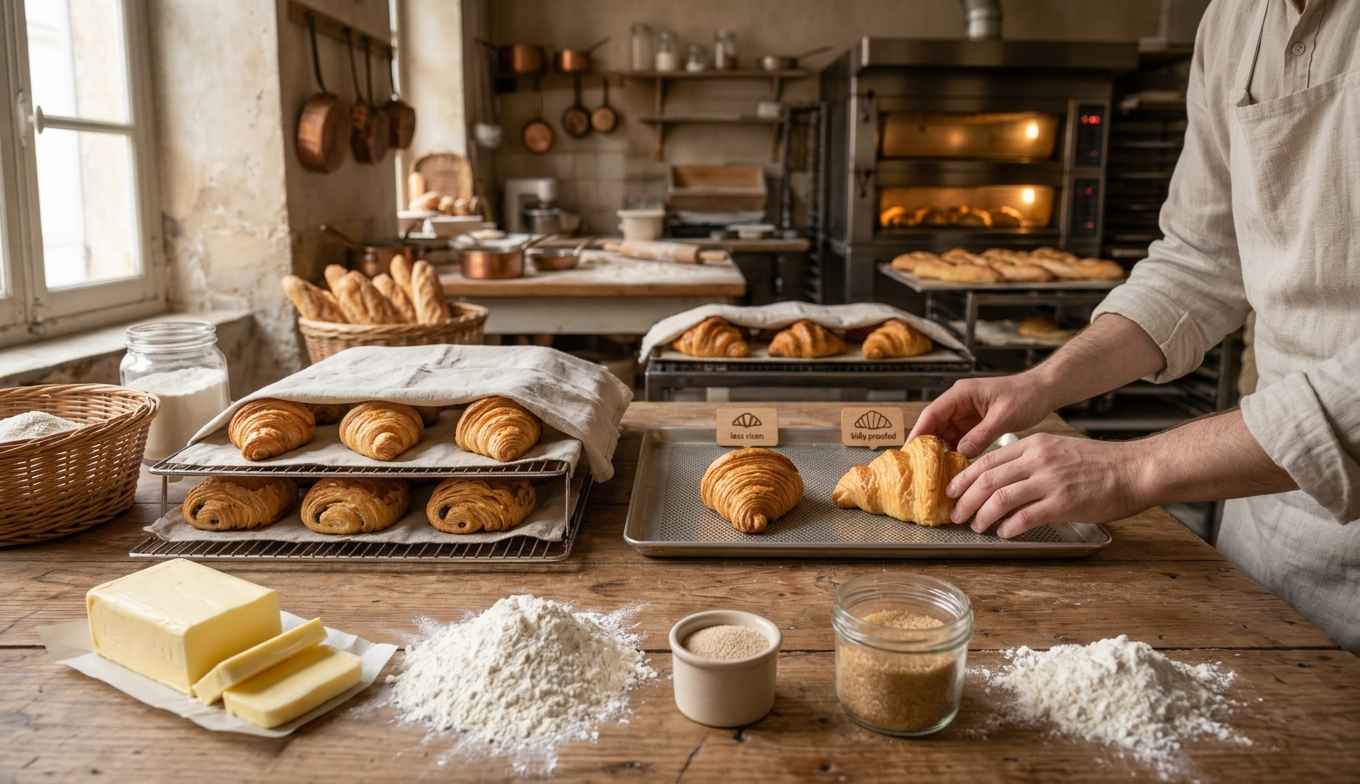
Once laminated and shaped, the croissant dough requires a patient and precise proofing period. This is where the yeast works its magic, allowing the dough to rise and develop its characteristic airy crumb. Proofing typically takes place in a controlled environment, often a slightly warm and humid space. Under proofing will result in a dense croissant, while over proofing can lead to a collapsed pastry with a sour taste. The baker must have a keen eye and an intuitive sense to determine the perfect moment for baking, when the dough has doubled in size and feels light and airy to the touch.
The Bake: A Golden Transformation
The final stage, baking, is where the transformation is truly revealed. Croissants are baked at high temperatures, initially to quickly create steam from the butter and puff up the layers, and then at a slightly lower temperature to ensure the interior is cooked through without burning the delicate exterior. The result is a beautiful golden brown crust, a testament to the Maillard reaction and the perfect caramelization of sugars. The audible crispness as you bite into a freshly baked croissant is as much a part of the experience as its taste and aroma.
Beyond the Classic: Variations and Global Appeal
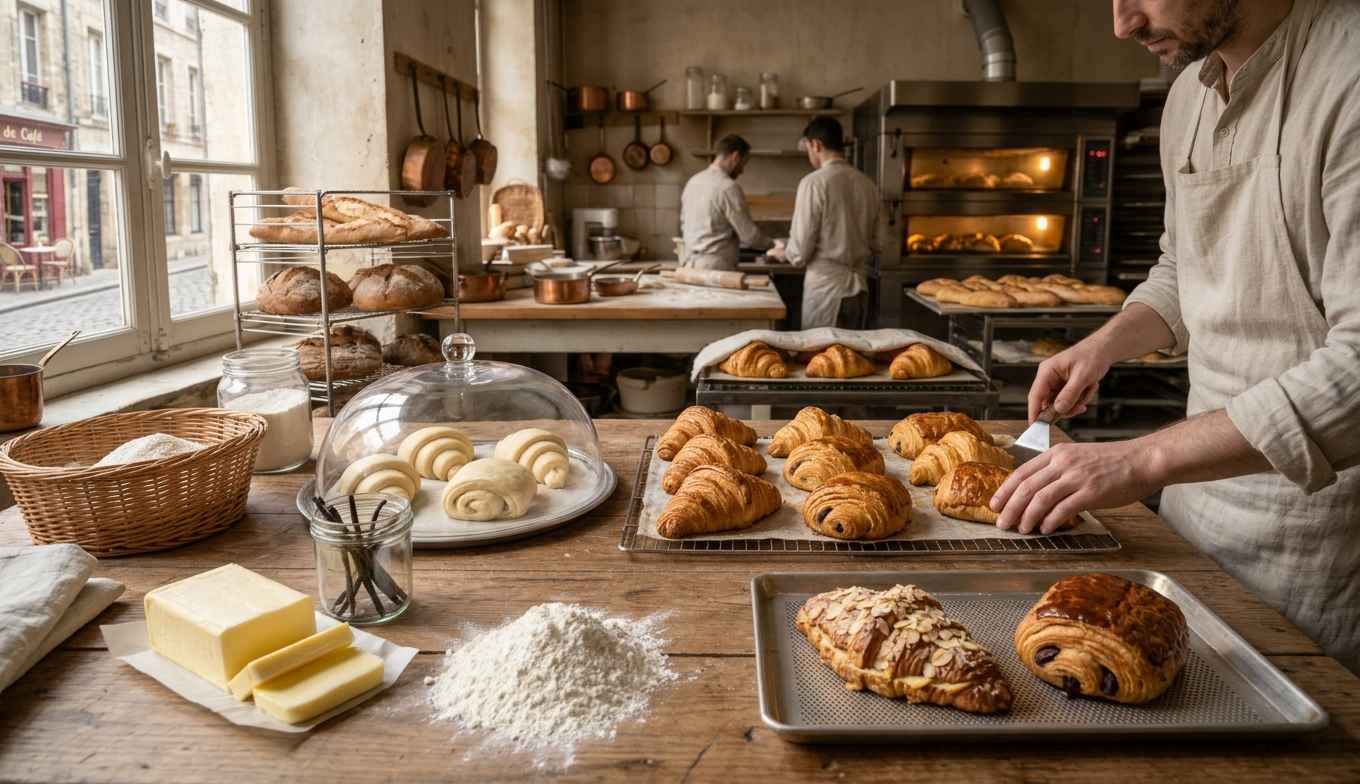
While the classic butter croissant remains an enduring favorite, variations abound. Almond croissants, filled with frangipane and topped with flaked almonds, and chocolate croissants (pain au chocolat), filled with rich dark chocolate batons, are beloved additions to the croissant family. The croissant's universal appeal has led to its adaptation and interpretation in bakeries worldwide, each bringing their own regional nuances and ingredients to this beloved pastry.
A Timeless Breakfast Tradition
The French croissant is more than just a pastry; it's a culinary experience, a ritual, and a symbol of refined indulgence. The secrets behind its creation are rooted in tradition, skill, and a deep respect for ingredients. From the meticulous lamination to the patient proofing and the final golden bake, every step contributes to the unparalleled delight of enjoying a truly authentic croissant. It's a reminder that sometimes, the simplest things, when crafted with care and expertise, can bring the most extraordinary pleasure to our breakfast tables.
Most Popular










Anaya
comment1