



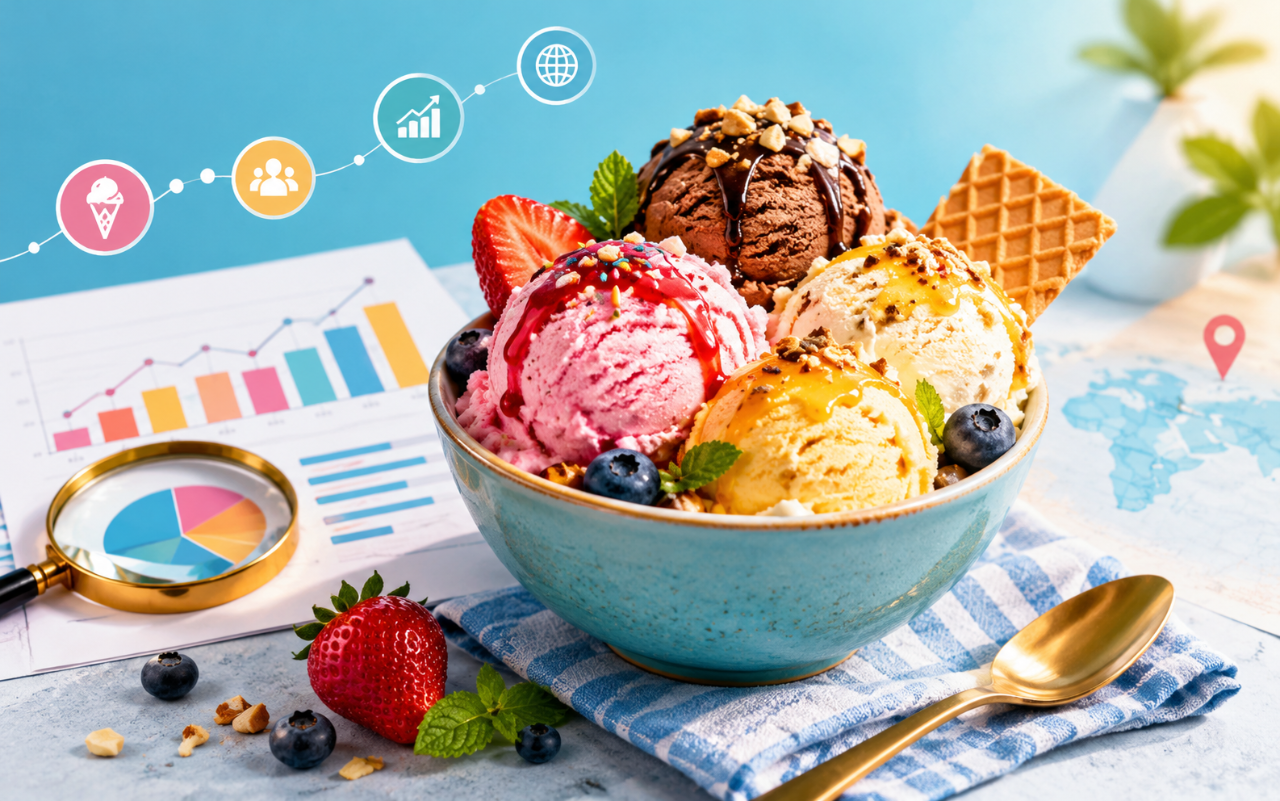
Ice cream, a universally loved frozen dessert, is more than just a sweet treat. It's a complex emulsion, a delicate balance of ingredients that, when perfected, results in a creamy, flavorful, and utterly delightful experience. While we often enjoy ice cream without a second thought, understanding the science behind its creation can elevate our appreciation and even inspire new flavor combinations. This article delves into the fascinating world of ice cream making, exploring the key components and processes that contribute to its characteristic texture and taste, from the fundamental principles of thermodynamics to the subtle art of flavor development.
The Building Blocks of Great Ice Cream 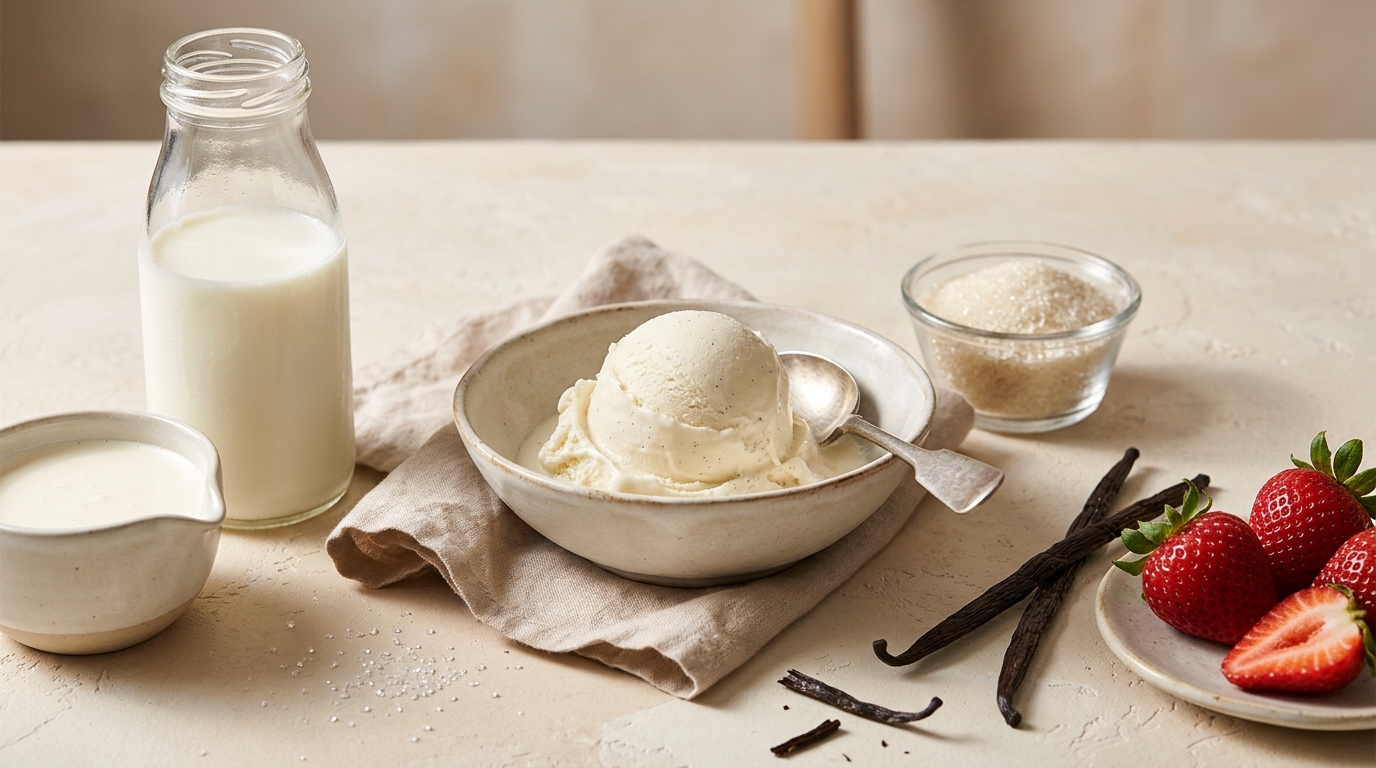
At its core, ice cream is a frozen mixture of dairy products (milk and cream), sugar, and flavorings. However, the magic lies in the precise ratios and the interactions between these ingredients. Let's break down the essential elements:
Fat
Fat, primarily from cream and sometimes butterfat or egg yolks, is crucial for ice cream's smooth, rich texture. Fat globules coat ice crystals, preventing them from growing too large and creating an icy mouthfeel. They also carry flavor compounds, contributing to the overall taste. Higher fat content generally leads to a creamier, more luxurious ice cream, but too much can make it heavy or greasy.
Sugar
Sugar does more than just sweeten; it plays a critical role in controlling the freezing point of the ice cream base. Sugar molecules interfere with the formation of ice crystals, lowering the freezing point and ensuring that the ice cream remains scoopable rather than a solid block of ice. Different types of sugars, like sucrose, glucose, and corn syrup, can be used to achieve varying textures and sweetness levels. For instance, using a mix of sugars can help prevent iciness.
Water
Water is the primary component that freezes to form ice crystals. The goal in ice cream making is to minimize the size of these ice crystals. This is achieved through rapid freezing and continuous churning, which breaks down forming crystals into smaller, more manageable pieces. The amount of water present is also influenced by the other ingredients, such as milk solids and stabilizers.
Milk Solids (Non-Fat)
These include proteins and lactose from milk. Proteins contribute to the body and texture of the ice cream, while lactose can contribute to sweetness and, in some cases, can crystallize, leading to a gritty texture if not managed properly. Milk solids also help to bind water and stabilize the emulsion.
Stabilizers and Emulsifiers
Often overlooked, stabilizers (like guar gum, locust bean gum, or carrageenan) and emulsifiers (like lecithin from egg yolks) are vital for achieving a smooth, consistent texture and preventing separation. Stabilizers absorb water, further inhibiting ice crystal growth. Emulsifiers help to keep the fat and water components uniformly dispersed, creating a stable, creamy mixture.
The Art of Freezing and Churning 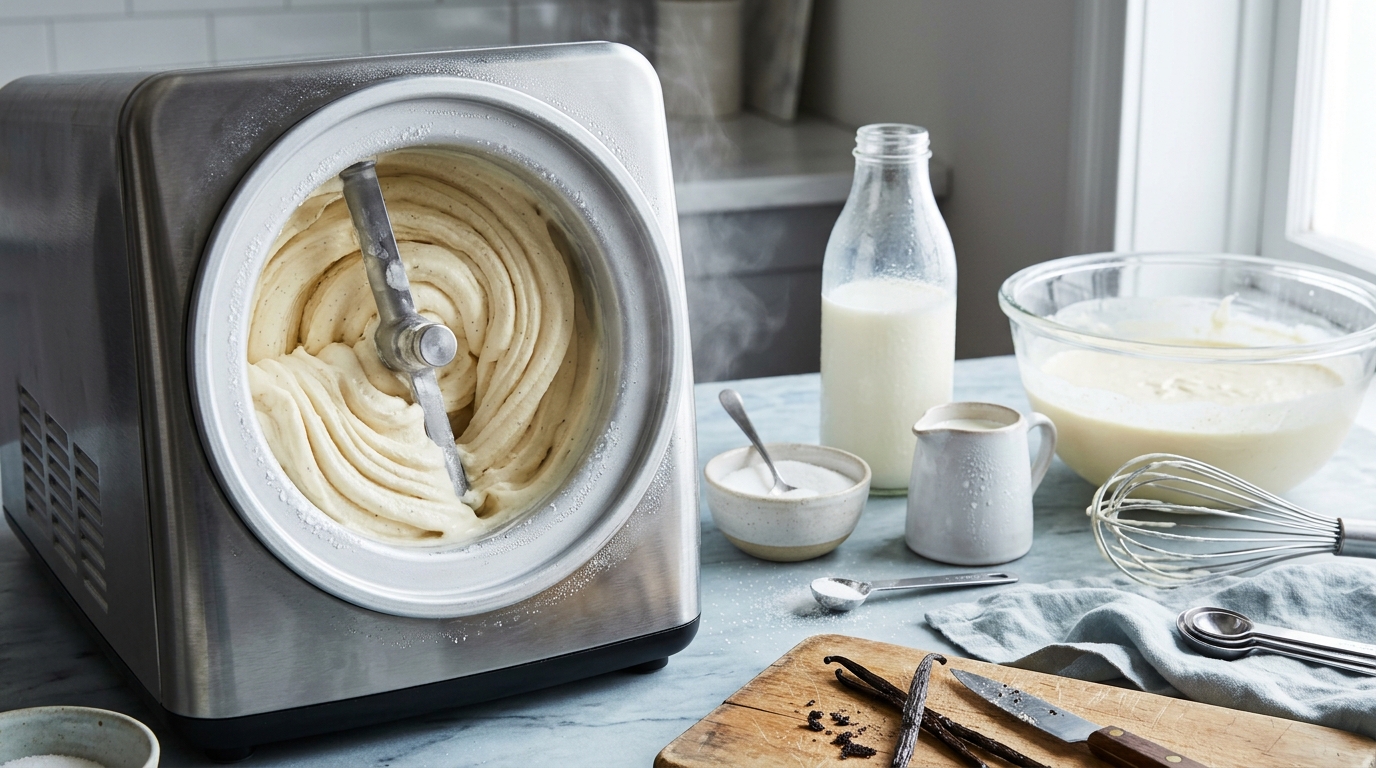
The process of making ice cream involves a careful sequence of steps, with freezing and churning being paramount. First, the base ingredients are mixed and often heated to pasteurize them and dissolve the sugars and stabilizers. Then, this base is rapidly cooled. The subsequent churning process is where the magic truly happens:
Freezing
As the ice cream base is churned, it is simultaneously cooled. The goal is to freeze the mixture quickly. Rapid freezing leads to the formation of very small ice crystals. The faster the freezing process, the smaller the ice crystals will be, resulting in a smoother ice cream.
Churning
The churning action serves two main purposes: it incorporates air into the mixture and breaks down any ice crystals that begin to form. Incorporating air, known as 'overrun,' lightens the ice cream and contributes to its scoopable texture. The more air incorporated, the lighter and often less dense the ice cream will be. The churning also constantly scrapes the sides of the freezing container, preventing large ice crystals from adhering and growing.
Flavor Innovation and Beyond 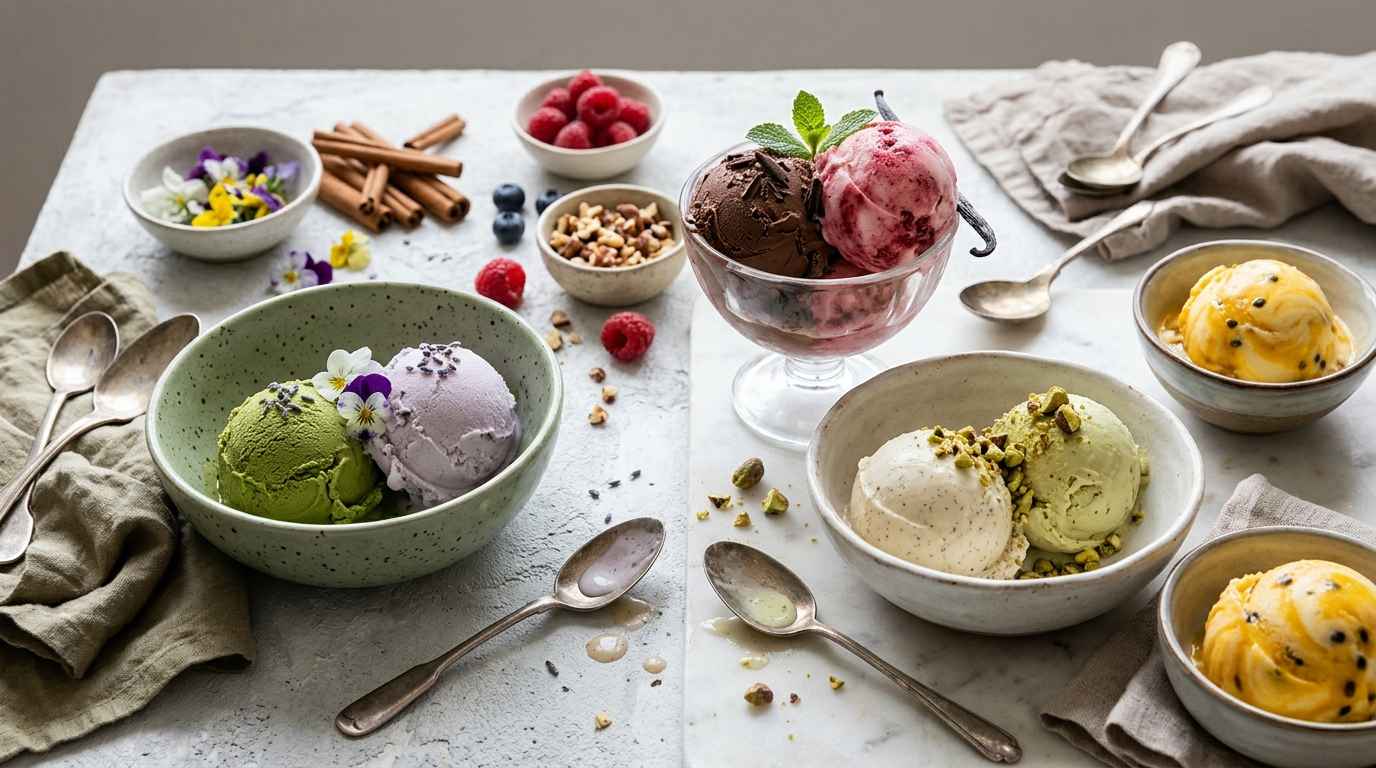
While the fundamental science of ice cream making remains consistent, the possibilities for flavor creation are endless. From classic vanilla and chocolate to adventurous combinations of herbs, spices, and savory ingredients, the art of flavor development relies on a deep understanding of how different compounds interact and how they are perceived by our taste buds. The choice of ingredients, their quality, and how they are incorporated can all significantly impact the final flavor profile and overall enjoyment of the ice cream.
Most Popular











Anaya
comment1