



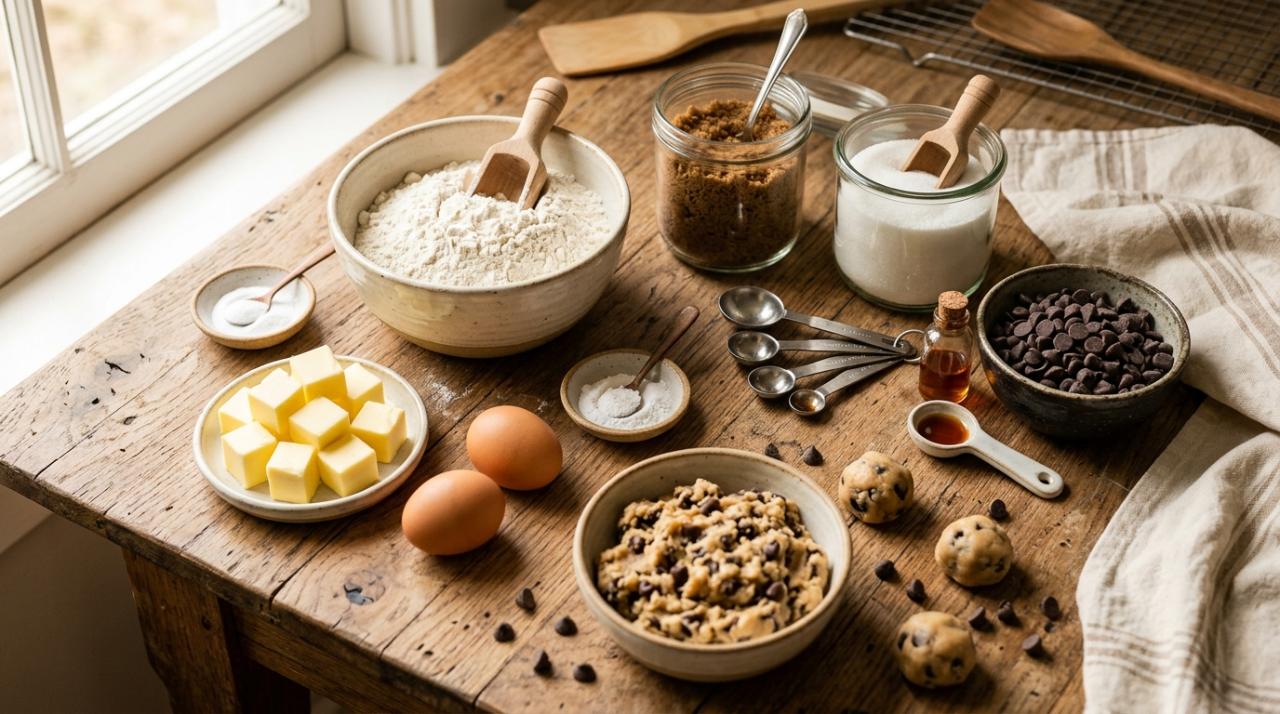
Few culinary creations hold the universal appeal of the humble cookie. From the comforting aroma that fills a kitchen during baking to the satisfying crunch or chew of the finished product, cookies have a unique ability to evoke joy and nostalgia. While often considered a simple indulgence, the world of cookies is remarkably diverse and rich with history, science, and artistry. This exploration delves into what makes cookies so special, from their basic composition to the innovative techniques that continue to shape their evolution.
The Foundation of Flavor: Ingredients and Their Roles 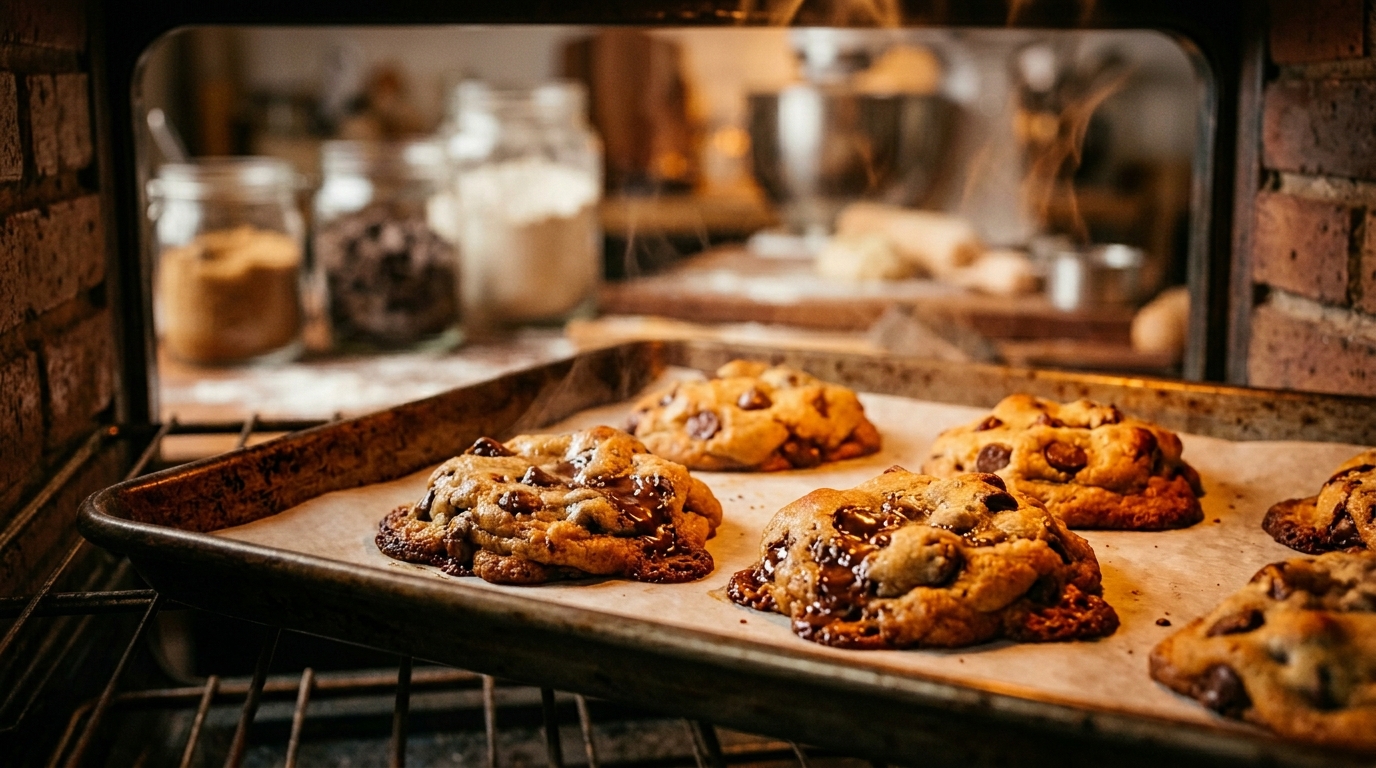
At its core, a cookie is a baked confection, typically made from flour, sugar, fat, and leavening agents. However, the magic lies in the precise ratios and the quality of these fundamental ingredients. Flour provides the structure, with different types offering varied textures. All purpose flour is common, but cake flour can yield a more tender crumb, while bread flour might offer a chewier bite. Sugar does more than just sweeten; it contributes to browning through caramelization, adds tenderness by interfering with gluten development, and helps with leavening and spread. Fat, usually butter or shortening, is crucial for texture and flavor. Butter offers a rich, complex taste and contributes to crispness, while shortening can create a more tender and flaky cookie. Leavening agents like baking soda and baking powder are responsible for the cookie's rise and texture, creating airy pockets or contributing to a denser, chewier outcome.
The Science Behind the Bake 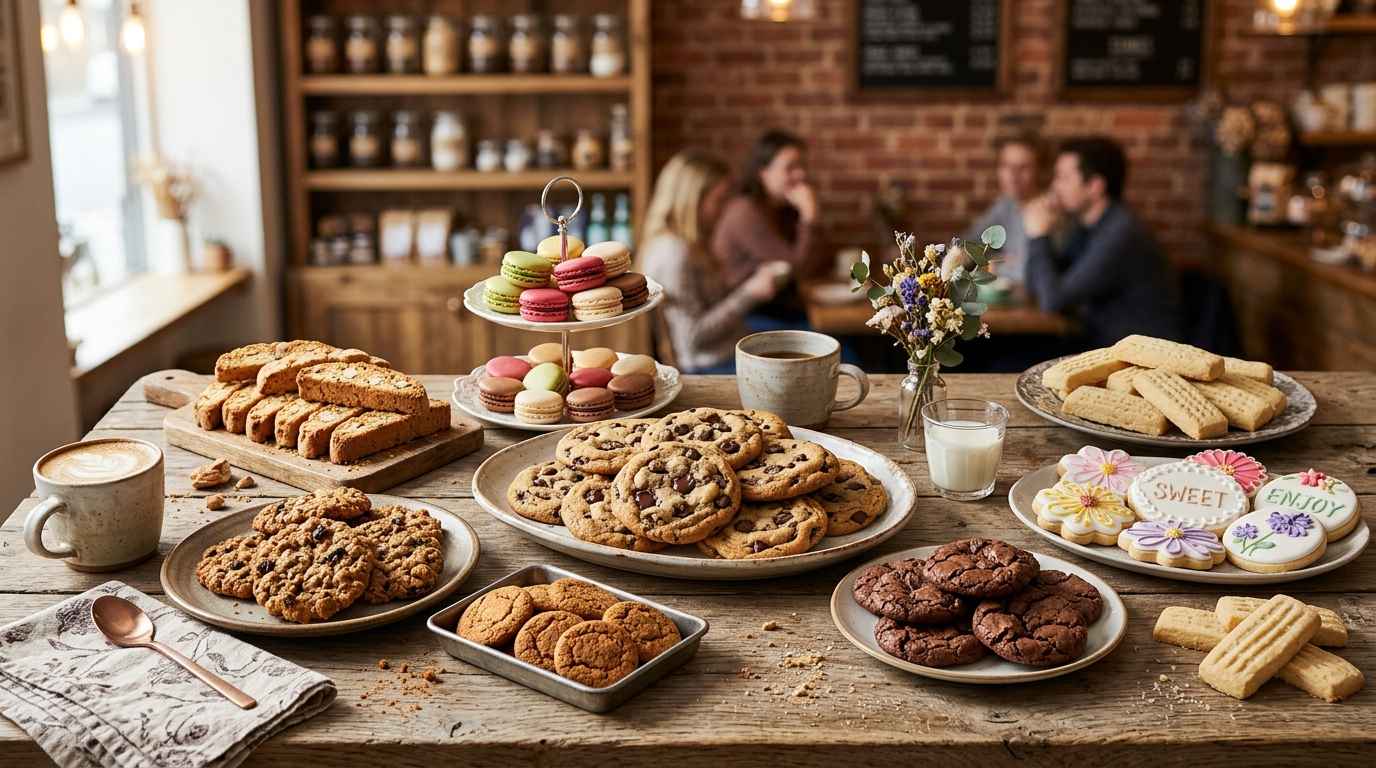
Baking a cookie is a fascinating interplay of chemical reactions. When dough is placed in a hot oven, a series of transformations occur. Fats melt, liquids evaporate, and sugars caramelize. The Maillard reaction, a complex browning process between amino acids and reducing sugars, is responsible for the characteristic golden hue and toasty flavors. Gluten, formed when flour proteins hydrate and link together, provides the structural framework. Overmixing can develop too much gluten, resulting in a tough cookie, while underbaking can leave the center undercooked and doughy. Understanding these scientific principles allows bakers to manipulate ingredients and techniques to achieve desired outcomes, whether it's a perfectly crisp chocolate chip cookie or a soft, chewy gingerbread.
A World of Variety 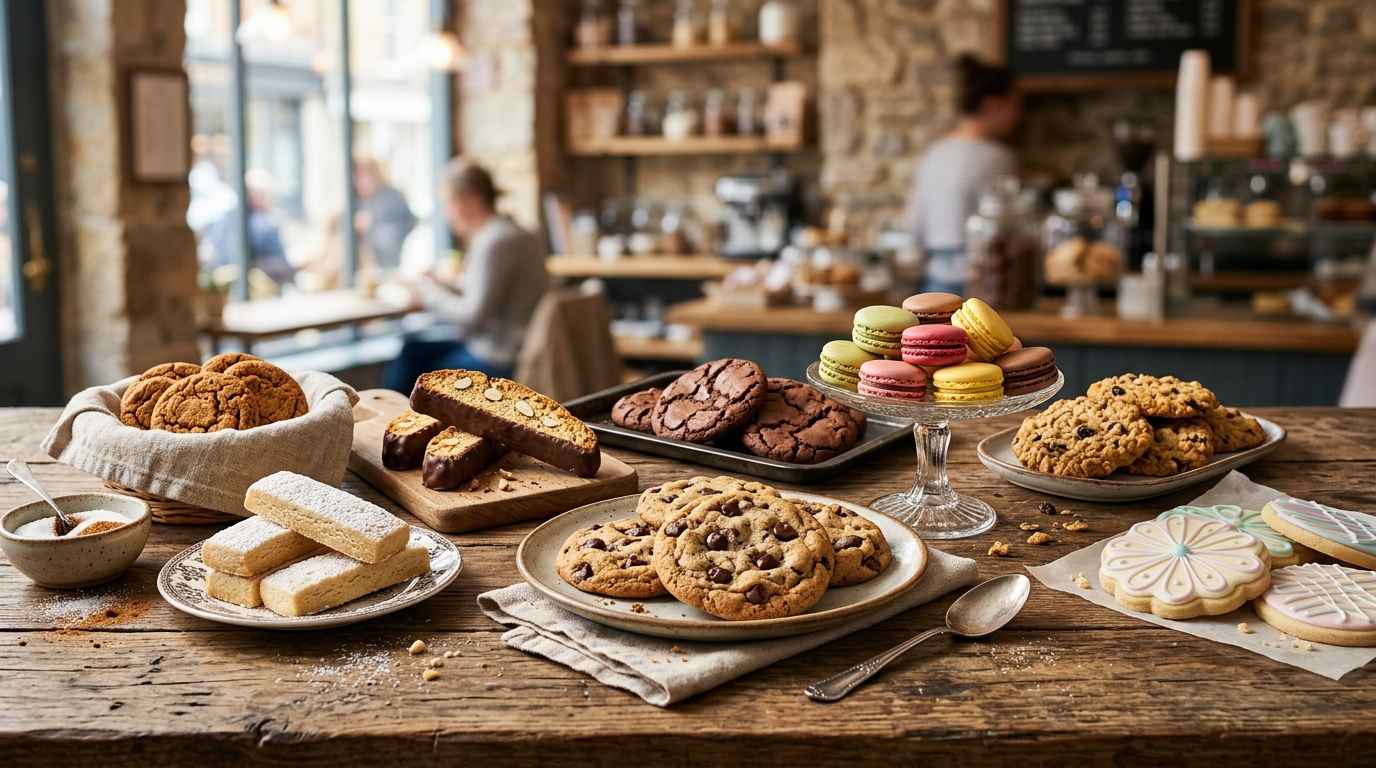
The sheer diversity of cookies is astounding. Consider the delicate, melt-in-your-mouth shortbread, a testament to the power of simple, high-quality butter. Contrast this with the robust, spiced flavor of a gingersnap, or the rich, chocolatey intensity of a brownie cookie. From the classic chocolate chip, a symbol of American baking, to the elegant French macaron, a delicate meringue confection, each cookie type tells a story of its origin and cultural context. Biscotti, twice baked for a satisfying crunch, is perfect for dipping in coffee or tea. Oatmeal raisin cookies offer a hearty texture and wholesome appeal, while sugar cookies provide a blank canvas for creative decorating. Each variation, whether it involves nuts, dried fruits, spices, or different types of chocolate, offers a unique sensory experience.
Beyond the Recipe: Innovation and Trends 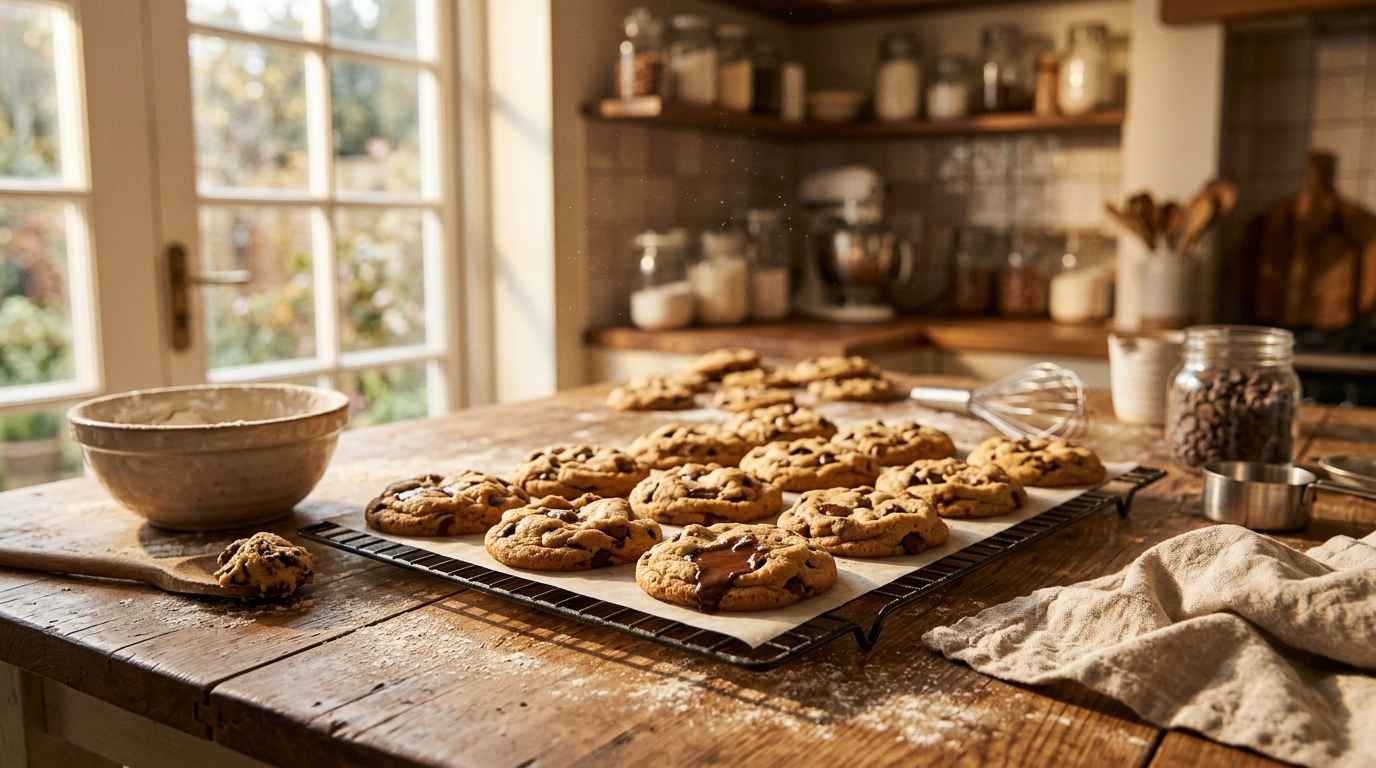
The culinary world is constantly evolving, and cookie making is no exception. Contemporary bakers are exploring new flavor combinations, incorporating ingredients like matcha, lavender, or exotic spices. Artisanal cookie shops are elevating the humble treat into gourmet experiences, using premium ingredients and sophisticated techniques. The rise of gluten-free and vegan baking has also led to innovative approaches, with bakers experimenting with alternative flours and fats to create delicious options for all dietary needs. Social media platforms have become vibrant hubs for cookie inspiration, showcasing elaborate designs, unique flavor profiles, and trending techniques that inspire home bakers worldwide.
The Enduring Appeal of the Cookie 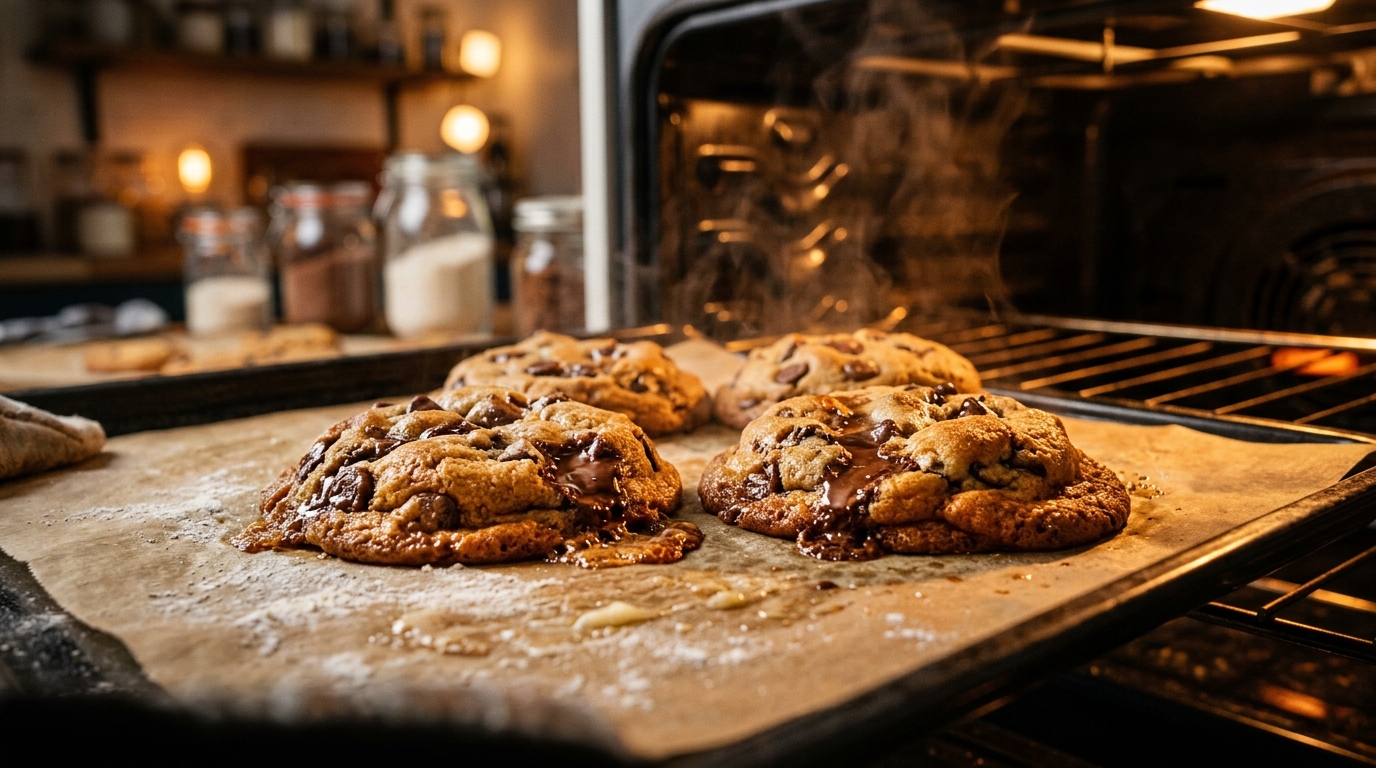
In conclusion, the cookie is far more than just a sweet treat. It is a product of culinary science, a canvas for creativity, and a vessel for cultural traditions. Whether enjoyed as a comforting snack, a celebratory dessert, or a thoughtful gift, cookies continue to hold a special place in our hearts and on our plates. The ongoing exploration of ingredients, techniques, and flavors ensures that the sweet science of cookies will remain a delightful and evolving aspect of the global food landscape for generations to come.
Most Popular








Anaya
comment1