



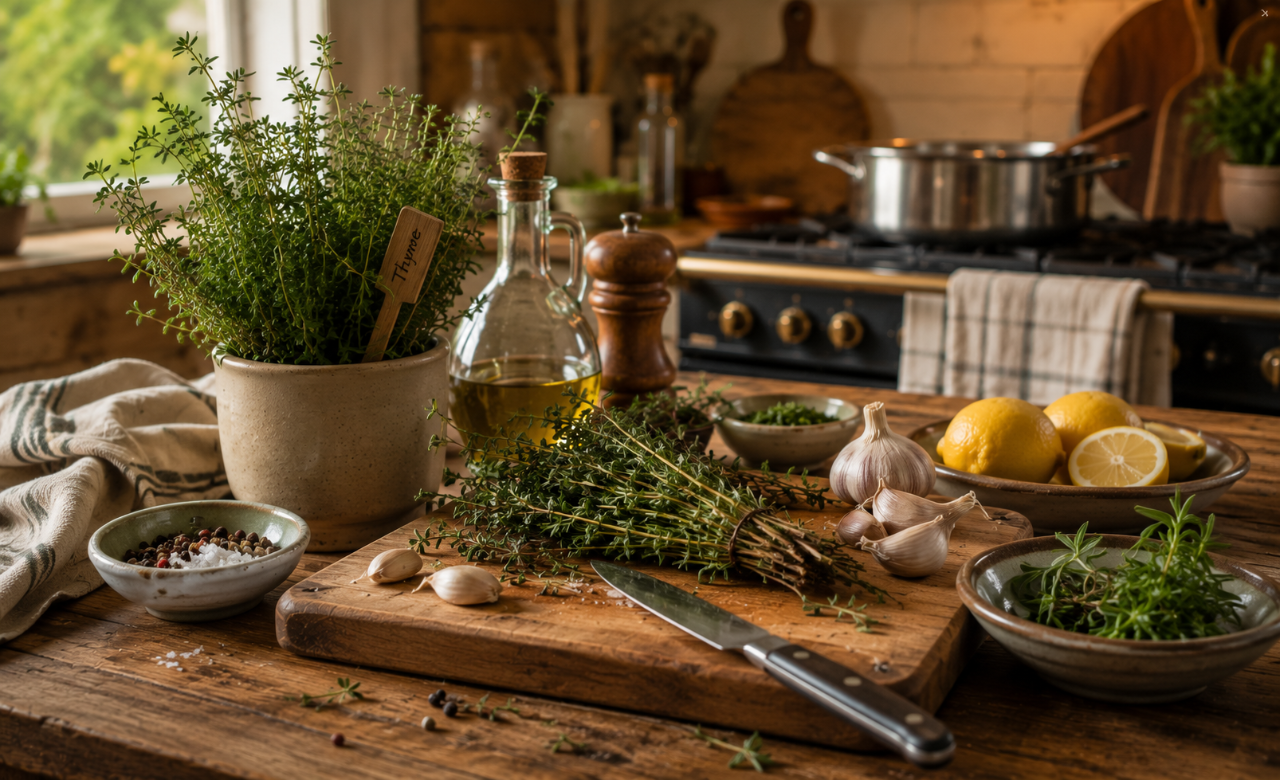
The kitchen, often the heart of the home, offers a canvas for creativity and a sanctuary for nourishment. For many, the act of cooking is more than just preparing meals; it's a therapeutic escape, a way to connect with loved ones, and an avenue for self-expression. The phrase "Thyme to Cook" suggests a perfect moment, an invitation to explore the boundless possibilities that lie within our kitchens.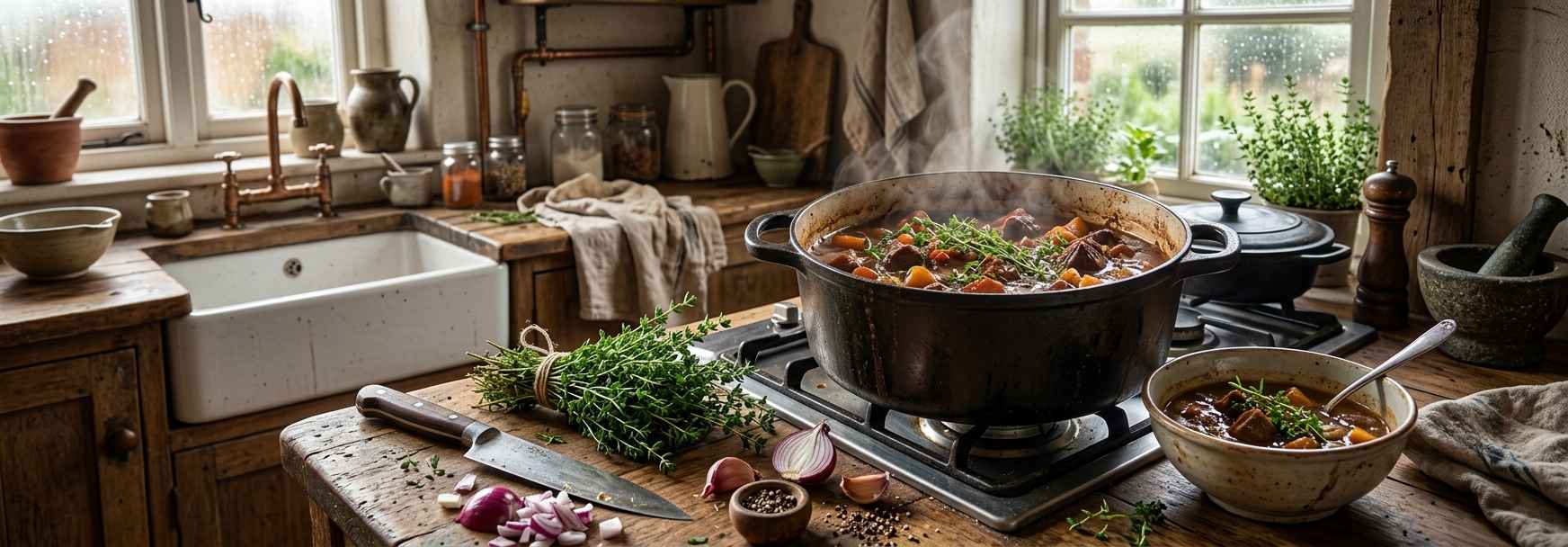
The Aromatic Allure of Thyme
Thyme, a small herb with a mighty flavor, is a staple in many cuisines worldwide. Its earthy, slightly peppery notes can transform simple dishes into gourmet experiences. From roasted meats and vegetables to soups, stews, and even desserts, thyme offers a versatile aromatic profile that complements a wide range of ingredients. Its subtle yet distinct fragrance can evoke feelings of warmth and comfort, making it an ideal herb for cozy home cooking.
Cultivating Culinary Confidence
While following recipes is a fantastic starting point, true culinary confidence blossoms when one begins to understand the fundamental principles of cooking. This involves grasping techniques such as sautéing, braising, roasting, and baking, and understanding how different ingredients interact. It's about learning to trust your palate, to experiment with flavor combinations, and to adapt recipes to your personal taste. The journey of learning to cook is a continuous one, filled with delicious discoveries.
Mastering Essential Techniques
One of the most fundamental techniques is sautéing, which involves cooking food quickly in a hot pan with a small amount of fat. This method is perfect for vegetables, thin cuts of meat, and seafood, allowing them to develop a beautiful sear and retain their vibrant flavors. Braising, on the other hand, is a slow and low cooking method ideal for tougher cuts of meat, rendering them incredibly tender and flavorful as they simmer in a liquid.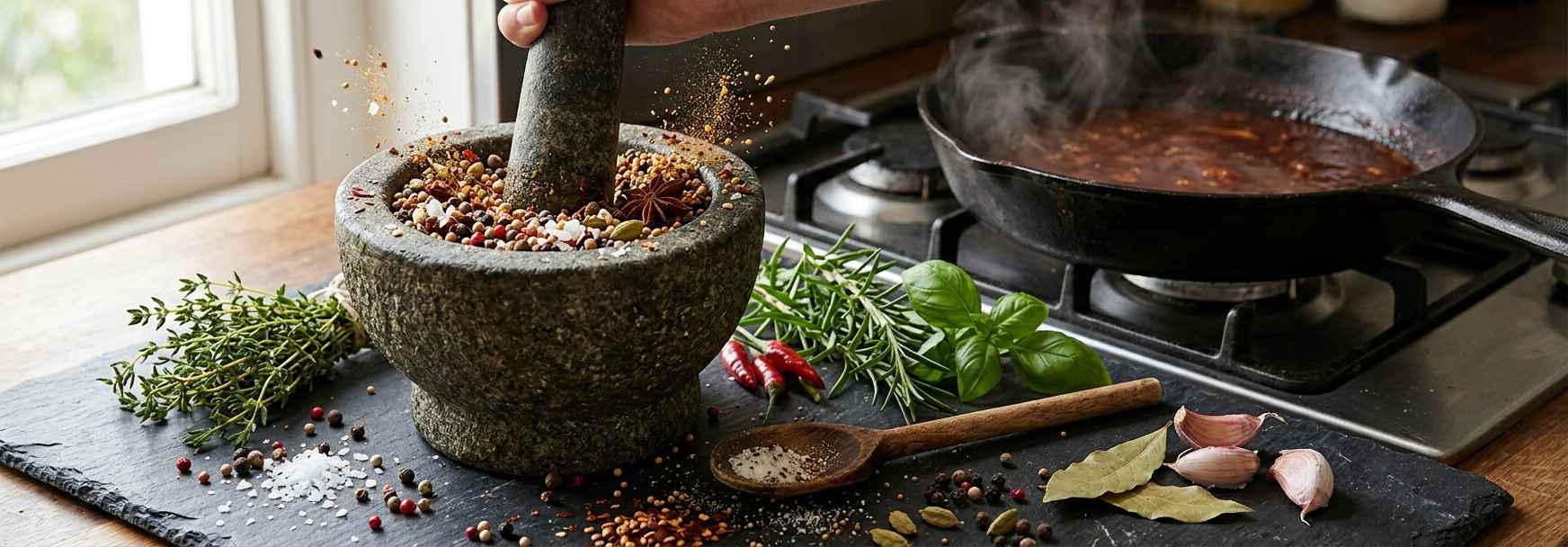
The Art of Seasoning
Seasoning is an art form in itself. Understanding the role of salt, pepper, and various herbs and spices is crucial. Salt enhances the natural flavors of food, while pepper adds a subtle warmth. Herbs like thyme, rosemary, and basil offer distinct aromatic qualities that can elevate a dish. Experimenting with different spice blends can introduce exciting new dimensions to your cooking. Don't be afraid to taste and adjust as you go; this is how you develop an intuitive sense of seasoning.
The Joy of Sharing Culinary Creations
Cooking is often a communal activity, a way to bring people together. The satisfaction of preparing a delicious meal for friends and family is unparalleled. Whether it's a weeknight dinner or a special occasion feast, sharing your culinary creations fosters connection and creates lasting memories. The kitchen becomes a space for laughter, conversation, and shared enjoyment.
Embracing the Process
The phrase "Thyme to Cook" is more than just a suggestion; it's an invitation to embrace the entire culinary process. From the initial planning and grocery shopping to the chopping, stirring, and plating, each step is an opportunity to engage with your food and create something wonderful. Even the inevitable mishaps can be learning experiences, leading to greater understanding and improved skills. The beauty of cooking lies in its imperfection and the continuous learning it provides.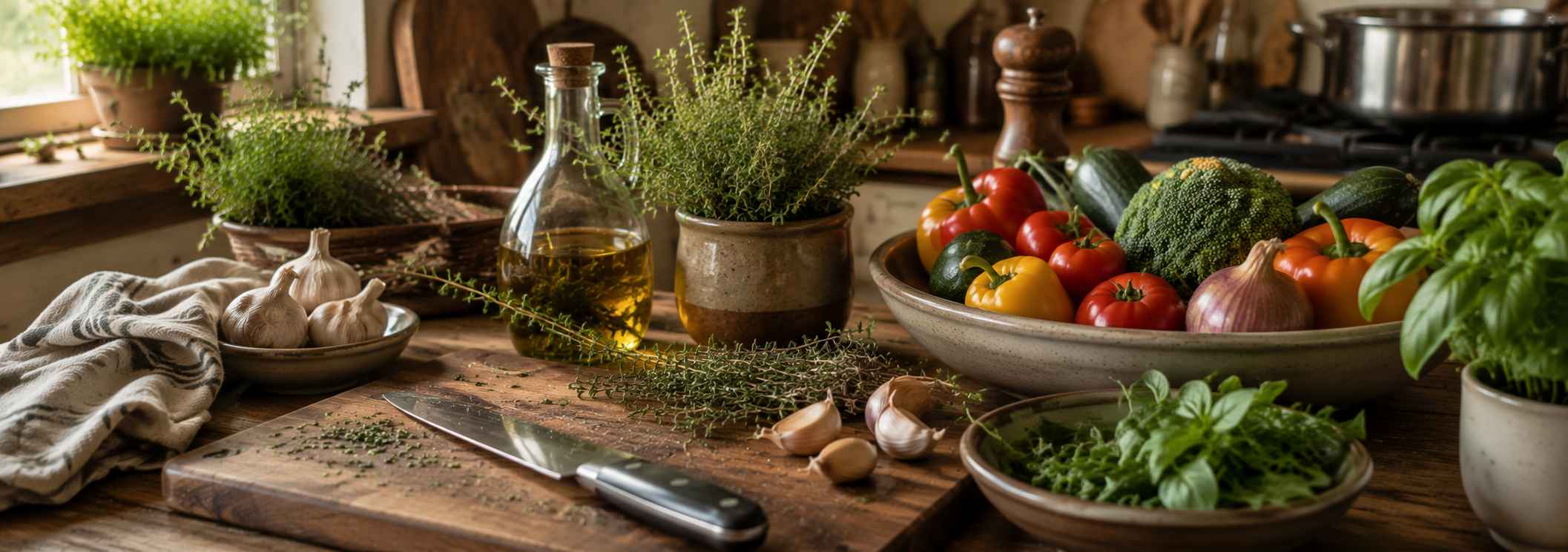
Your Kitchen Awaits
So, dust off your apron, gather your favorite ingredients, and perhaps pick up some fresh thyme. It's "Thyme to Cook" and discover the immense pleasure and satisfaction that comes with creating delicious meals from scratch. Whether you're a seasoned home chef or just starting your culinary adventure, your kitchen is a space filled with endless possibilities. Enjoy the process, savor the flavors, and most importantly, share the joy of good food with those you care about.
Most Popular











Anaya
comment1