




Sri Lanka, the pearl of the Indian Ocean, is renowned not just for its pristine beaches and lush tea plantations, but also for its incredibly rich and aromatic culinary heritage. At the heart of this vibrant cuisine lies a treasure trove of spices, each with a unique story and flavor profile that has captivated palates across the globe. From the fiery heat of chili to the warm embrace of cinnamon, Sri Lankan spices are the secret ingredients that elevate simple dishes into extraordinary culinary experiences. Join us as we explore the most famous top 10 Sri Lankan spices that have made their mark on the world stage.
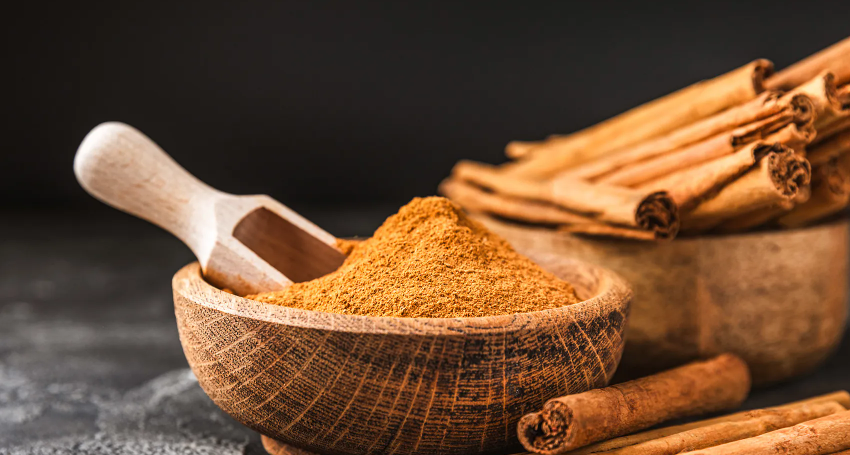
1. Ceylon Cinnamon
Often hailed as the 'true cinnamon,' Ceylon cinnamon (Cinnamomum zeylanicum) is a Sri Lankan native and a true superstar. Unlike the more common cassia cinnamon, Ceylon cinnamon has a delicate, sweet, and complex flavor with subtle citrus notes. Its thin, papery bark is easily ground and is used in both sweet and savory dishes, adding an unparalleled aroma and warmth. It's a staple in desserts, baked goods, and traditional Sri Lankan curries.
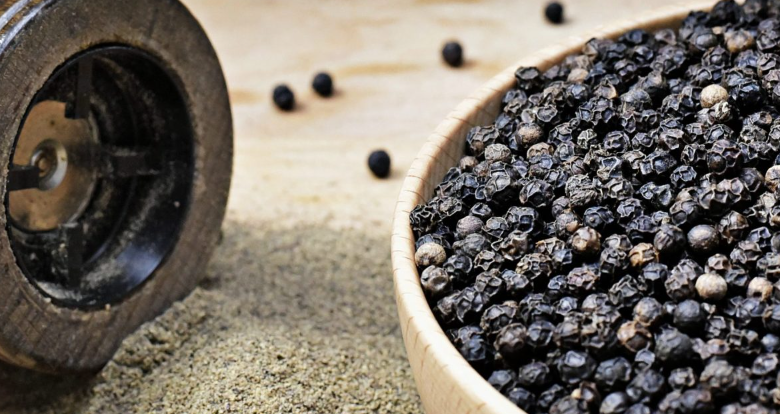
2. Black Pepper
Sri Lanka has a long history of producing some of the world's finest black pepper. The fertile volcanic soil and tropical climate contribute to peppercorns with a potent, pungent aroma and a sharp, intense heat. Sri Lankan black pepper is prized for its complex flavor, offering a delightful tingle that enhances a wide range of dishes, from hearty stews to delicate seafood preparations.
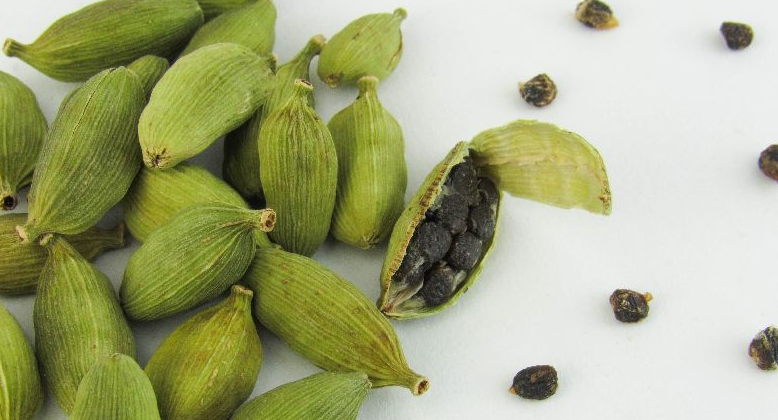
3. Cardamom
Known as the 'Queen of Spices,' green cardamom pods from Sri Lanka are highly sought after. Their small, green husks contain tiny black seeds that burst with an intensely aromatic, slightly sweet, and floral flavor with hints of eucalyptus and camphor. Cardamom is indispensable in Sri Lankan desserts, beverages like spiced tea and coffee, and is also a key component in many fragrant curry blends.
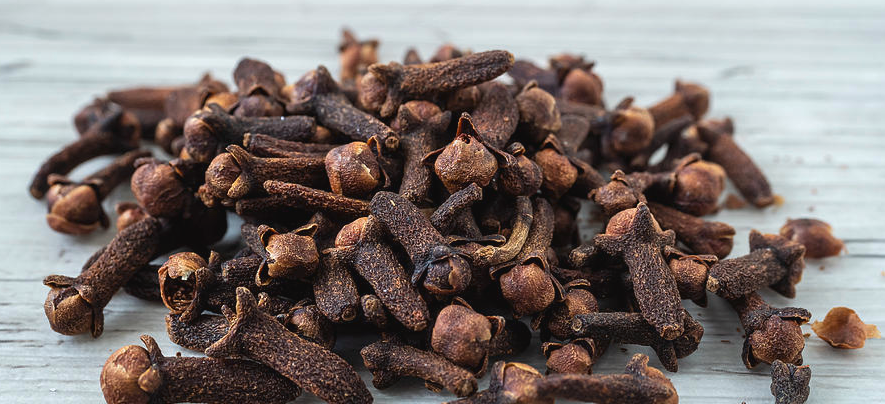
4. Cloves
The dried flower buds of a tropical evergreen tree, Sri Lankan cloves are characterized by their strong, pungent, and slightly sweet aroma and a warm, lingering taste. They possess a powerful flavor that can easily overpower a dish if used too liberally. Cloves are essential in marinades, meat dishes, rice preparations, and traditional Sri Lankan sweets, lending them a distinctive, exotic note.
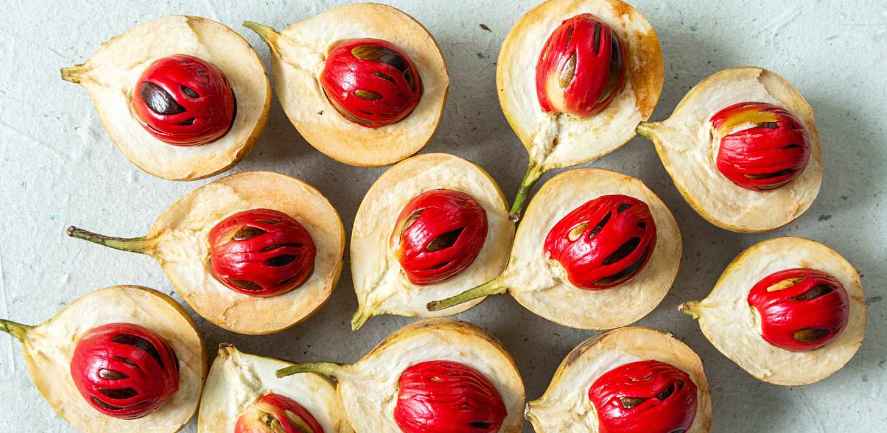
5. Nutmeg and Mace
These two spices come from the same fruit of the nutmeg tree, but offer distinct flavors. Nutmeg, the seed inside, has a warm, nutty, and slightly sweet taste, while mace, the lacy reddish aril that covers the seed, is more delicate and subtly peppery. Both are used in Sri Lankan cuisine to add depth and fragrance to custards, baked goods, and savory dishes.
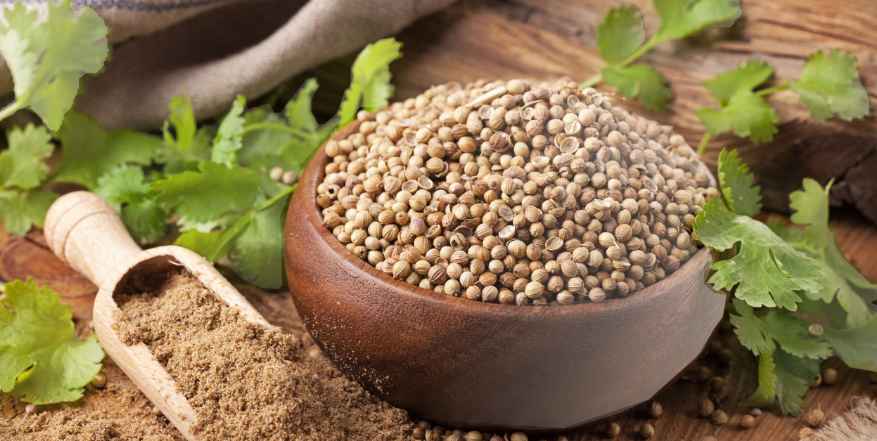
6. Coriander Seeds
Sri Lankan coriander seeds are known for their mild, earthy, and slightly citrusy flavor. When toasted and ground, they release a wonderfully aromatic fragrance. Coriander is a foundational spice in most Sri Lankan curry powders and is used to thicken sauces and add a balanced, herbaceous note to a multitude of dishes.
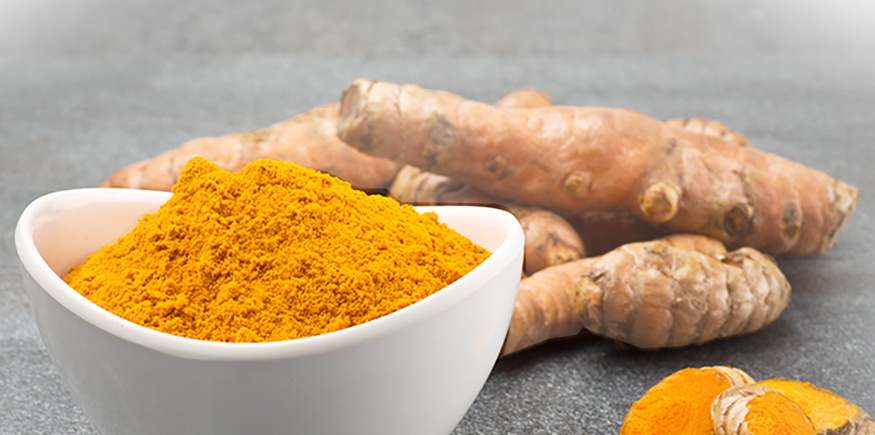
7. Turmeric
More than just a vibrant yellow pigment, turmeric is a powerhouse spice with a warm, earthy, and slightly bitter flavor. It's a cornerstone of Sri Lankan cooking, lending its characteristic color and a subtle depth to curries, rice dishes, and vegetable preparations. Beyond its culinary uses, turmeric is also highly valued for its medicinal properties.
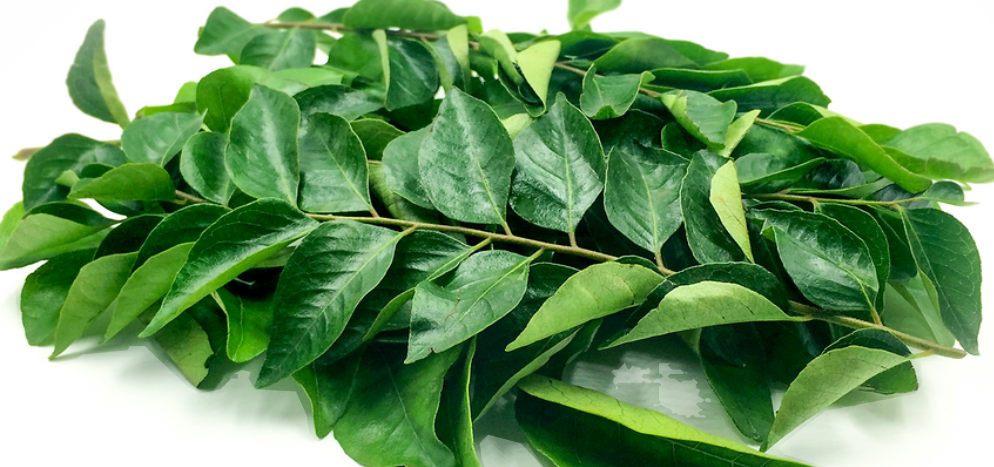
8. Curry Leaves
While technically a herb, curry leaves are treated as a spice in Sri Lankan cuisine due to their indispensable aromatic contribution. Their unique, pungent, and slightly citrusy aroma is released when sautéed in hot oil, forming the fragrant base for countless Sri Lankan dishes, from lentil dhal to savory stir fries.
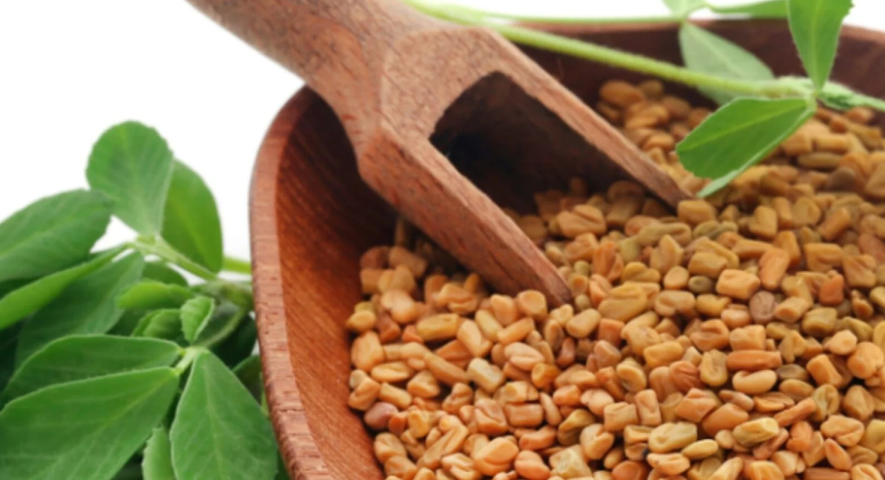
9. Fenugreek
Fenugreek seeds offer a complex flavor profile, ranging from slightly bitter to a subtle maple syrup sweetness when cooked. They are a common ingredient in Sri Lankan spice mixes, particularly for curries and pickles, adding a distinctive aroma and a touch of complexity to the overall taste.
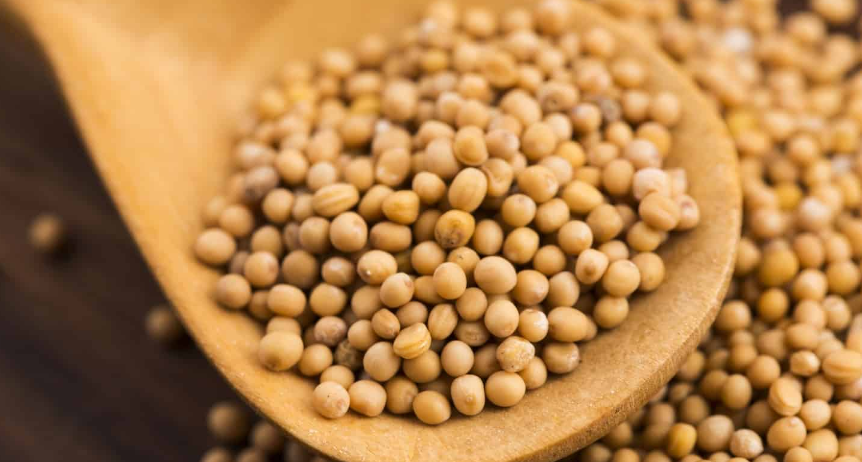
10. Mustard Seeds
Small but mighty, mustard seeds, particularly the black and brown varieties, are crucial for adding a pungent kick and a slightly nutty flavor to Sri Lankan dishes. They are typically tempered in hot oil at the beginning of cooking, releasing their characteristic aroma and flavor that forms the foundation of many South Asian cuisines.
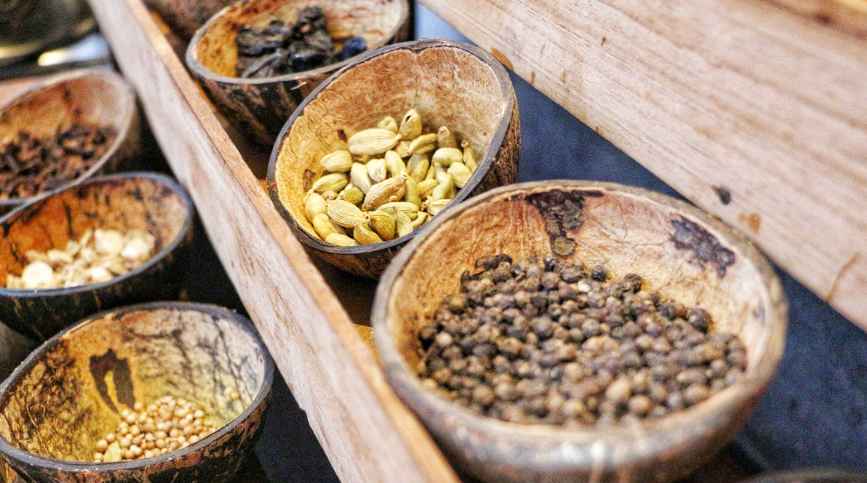
The spices of Sri Lanka are not merely ingredients; they are the soul of its cuisine, weaving a tapestry of flavors and aromas that have enchanted the world. Each spice, with its unique characteristics, plays a vital role in creating the distinct and beloved taste of Sri Lankan food. Whether you are a seasoned chef or an adventurous home cook, incorporating these top 10 Sri Lankan spices into your repertoire is a sure way to add an exotic and unforgettable dimension to your culinary creations. So, the next time you embark on a culinary journey, let the vibrant spices of Sri Lanka be your guide.
Most Popular









Anaya
comment1