



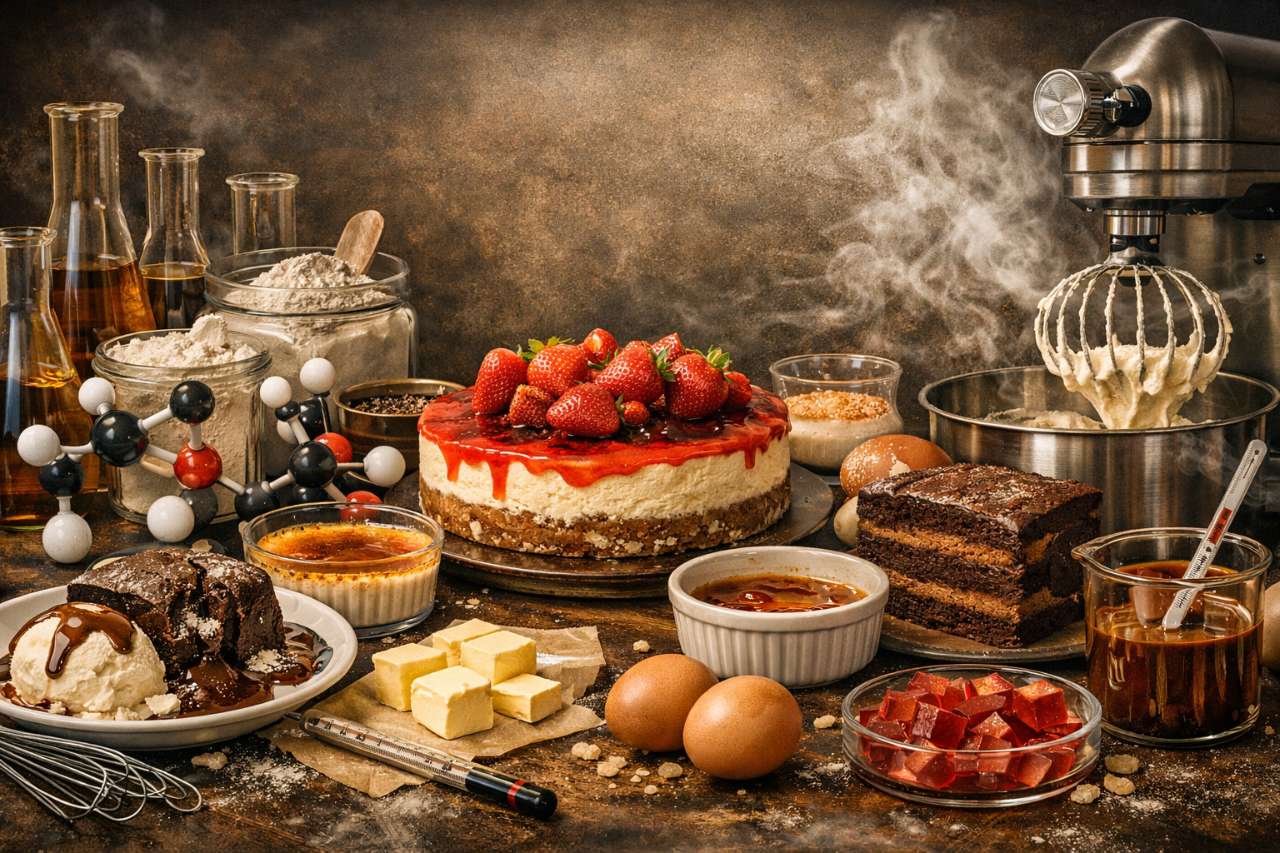
The world of food is a captivating realm where art and science intertwine, leading to the creation of dishes that tantalize our taste buds and linger in our memories. While we often attribute great flavor to intuition and tradition, there's a fascinating scientific basis that underpins why certain ingredients and cooking methods result in truly exceptional culinary experiences. Understanding this science can elevate home cooking and offer a deeper appreciation for the craft of professional chefs.
Beyond Sweet, Sour, Salty, Bitter, and Umami
Our perception of flavor is a complex interplay of taste and smell, with smell playing a dominant role. While we have five basic tastes detected by our tongues, our noses can detect thousands of aromatic compounds. These volatile organic compounds, released during cooking and chewing, travel up the back of our throat to our olfactory receptors, creating the rich tapestry of aromas that we associate with flavor. The Maillard reaction, a browning process that occurs when amino acids and sugars are heated, is a prime example of this. It produces hundreds of new aroma compounds, contributing to the savory, roasted notes in everything from seared steak to freshly baked bread. Similarly, caramelization, the browning of sugars, creates a spectrum of sweet, nutty, and slightly bitter flavors.
The Role of Texture and Mouthfeel
Flavor isn't just about what we taste and smell; it's also about how food feels in our mouths, known as texture or mouthfeel. The crispness of a fresh salad, the creaminess of a perfectly ripe avocado, or the chewiness of artisanal pasta all contribute significantly to our overall enjoyment of a dish. These sensations influence our perception of flavor by engaging different sensory pathways. For instance, the satisfying crunch of a potato chip can enhance the perception of saltiness, while a smooth, velvety sauce can amplify the richness of a dish. The way food breaks down in our mouths, its temperature, and its viscosity all play a part in this complex sensory puzzle.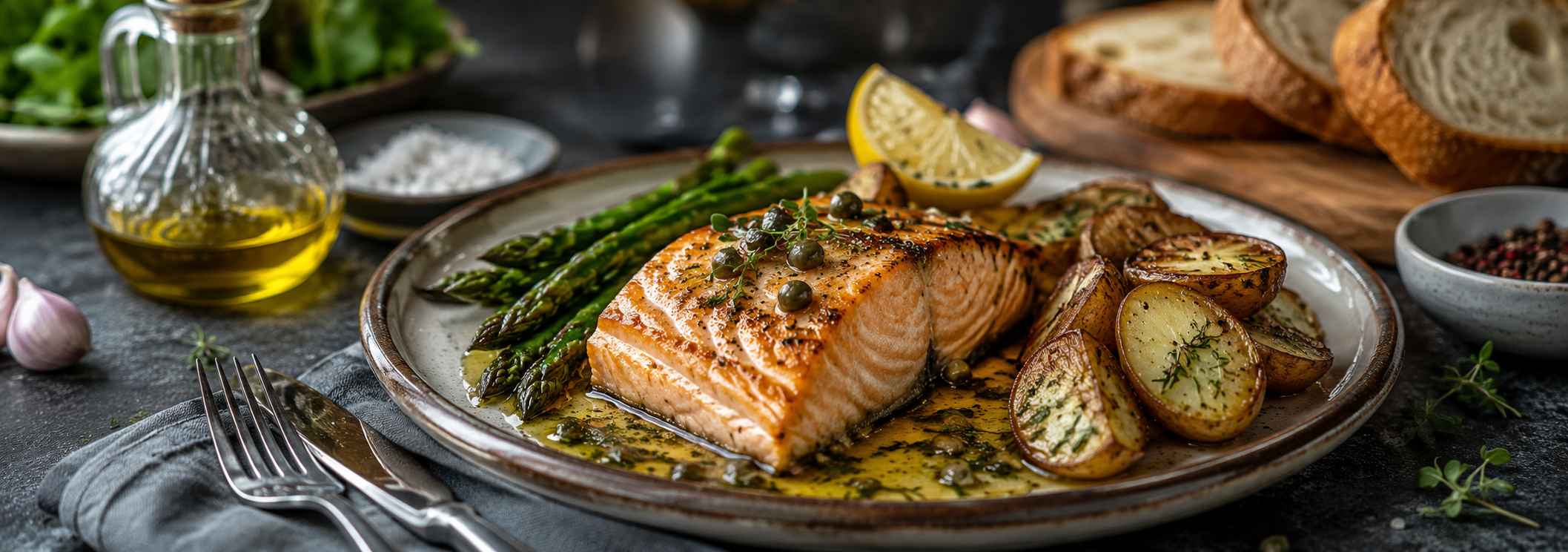
The Flavor Carrier
Fat is often misunderstood in the context of health, but scientifically, it's an indispensable flavor enhancer. Fat molecules can dissolve and carry aromatic compounds, helping to distribute them evenly throughout a dish and prolong their release in the mouth. This is why dishes rich in healthy fats, like those found in olive oil, avocado, or fatty fish, often boast a more complex and satisfying flavor profile. Fat also contributes to mouthfeel, providing richness and satiety, further enhancing our enjoyment of food. The type of fat used can also influence the flavor. For example, butter adds a distinct sweetness and richness, while olive oil contributes fruity or peppery notes.
Acids and Sweeteners
The balance of flavors is crucial for a truly great dish. Acids, such as lemon juice or vinegar, cut through richness and fat, brightening flavors and adding a refreshing tang. They can also enhance sweetness and make other flavors pop. Sweeteners, on the other hand, can round out flavors, balance bitterness, and create a sense of comfort and indulgence. The art of cooking often lies in finding the perfect equilibrium between these elements, ensuring that no single flavor overpowers the others. A well-seasoned dish is a testament to this delicate balance, where each component plays its part harmoniously.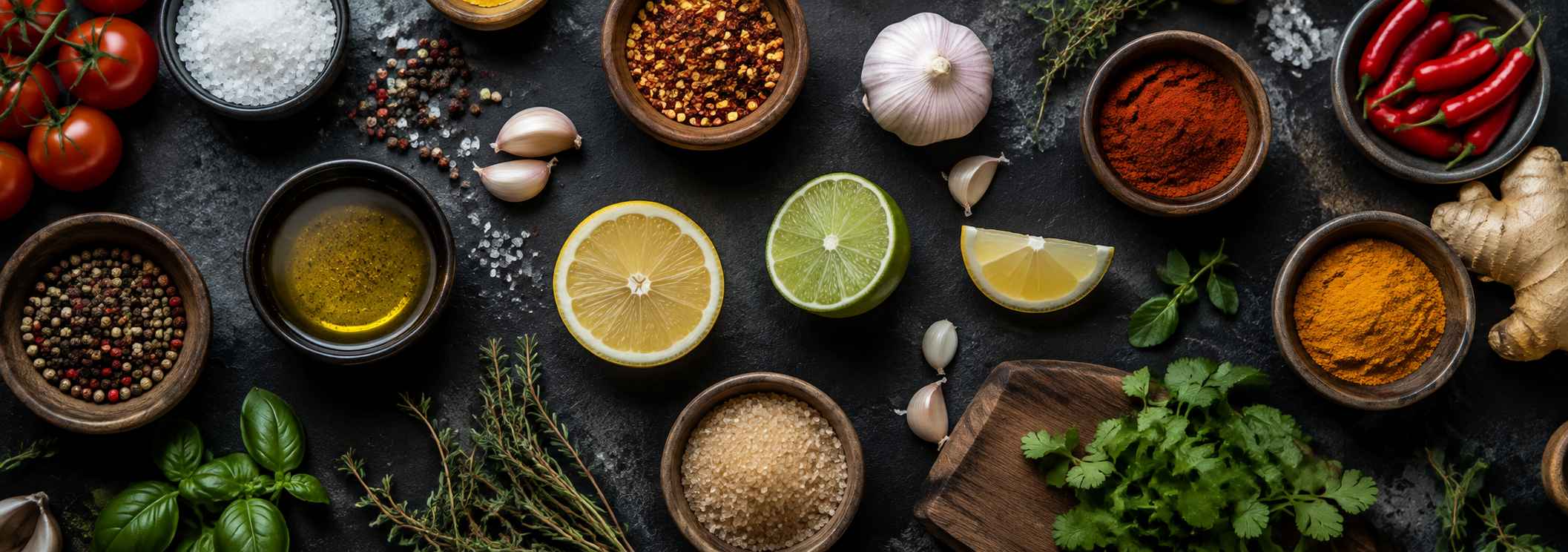
Heat and Spice
While not technically a taste, the sensation of heat from chili peppers, delivered by compounds like capsaicin, is a powerful flavor enhancer. Capsaicin interacts with pain receptors in our mouths, creating a warming sensation that can amplify other flavors and stimulate saliva production, further contributing to the overall taste experience. The gradual build of heat can also make a dish more engaging and memorable. Different types of chilies offer a wide spectrum of heat levels and subtle fruity or smoky undertones, adding another layer of complexity to culinary creations.
A Scientific Approach to Culinary Delight
The science behind great flavor is a testament to the intricate workings of our senses and the chemical reactions that transform raw ingredients into culinary masterpieces. By understanding the chemistry of taste, the impact of texture, the role of fat, the importance of balance, and the influence of heat, we can develop a deeper appreciation for the food we eat and enhance our own cooking endeavors. The next time you savor a delicious meal, take a moment to consider the fascinating science that brought that incredible flavor to your palate.
Most Popular












Anaya
comment1