




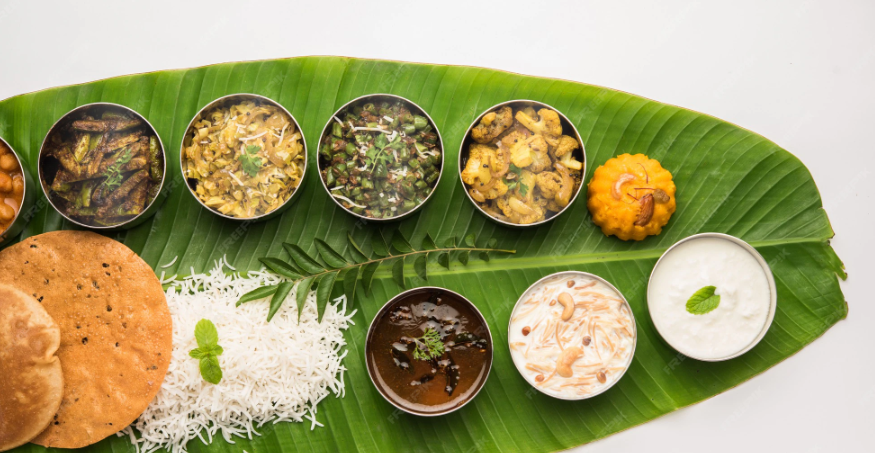
As a passionate food blogger, I've had the immense pleasure of exploring the diverse and vibrant culinary landscape of India. While the world often marvels at elaborate Indian feasts and exotic dishes, the true soul of Indian cuisine lies in its everyday, traditional foods. These are the meals that form the comforting rhythm of daily life in Indian households, passed down through generations, each bite a testament to heritage, regionality, and the art of simple yet profound flavors. Today, let's embark on a delicious journey through the heart of these traditional everyday Indian foods.
The Pillars of a Daily Indian Meal
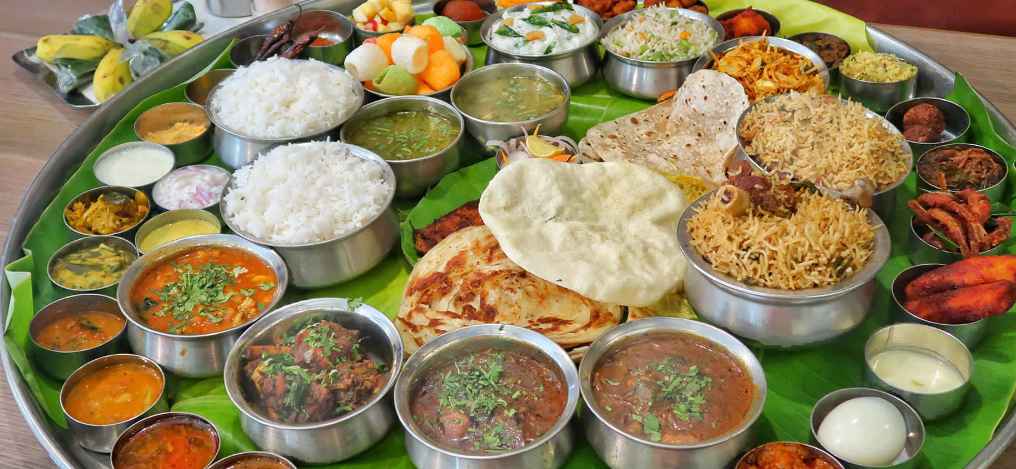
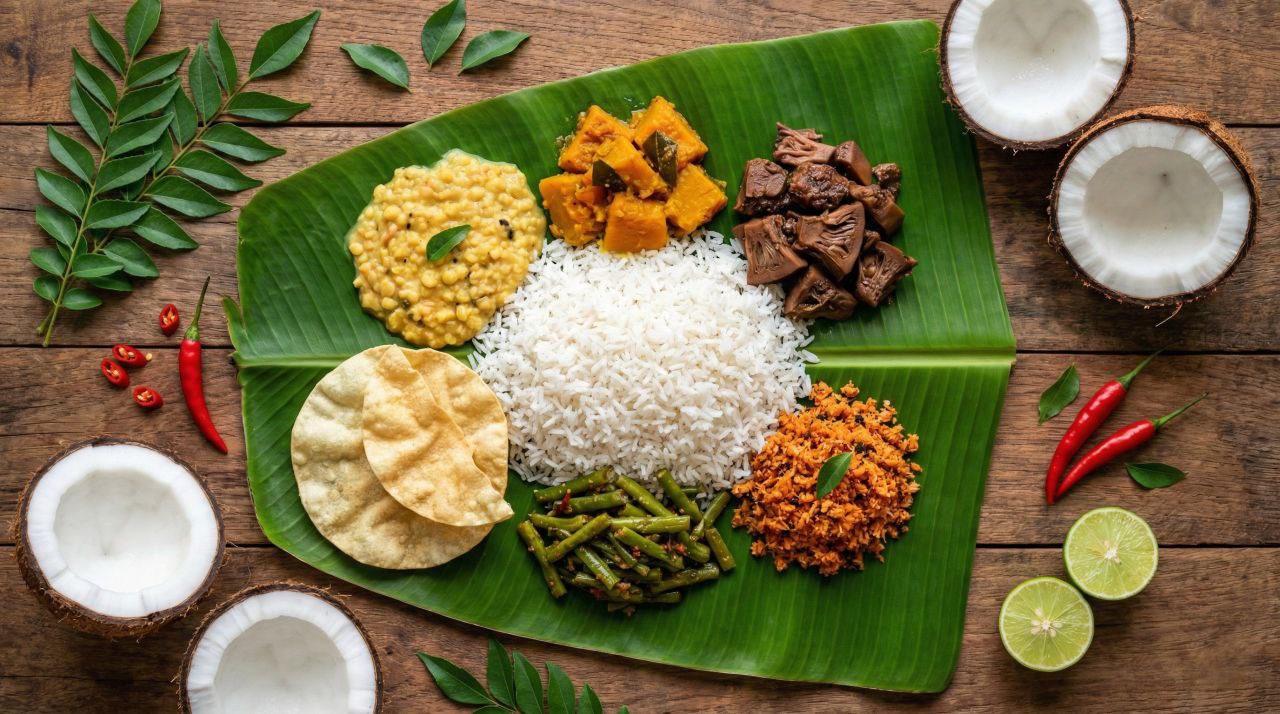
At its core, a typical Indian meal is a harmonious blend of staples, vegetables, lentils, and often a touch of yogurt or pickle. The ubiquitous roti or chapati, a soft, unleavened flatbread, is a breakfast, lunch, and dinner companion across much of the country. Made from whole wheat flour (atta), it's a healthy and versatile accompaniment to virtually any dish. In the south, rice takes center stage, steamed to perfection and forming the base for a variety of curries and dals.
Lentils, or dal, are another non negotiable. From the creamy yellow moong dal to the robust masoor dal and the earthy urad dal, each region boasts its own preparation and flavor profiles. Dal provides essential protein and is often tempered with spices like cumin, mustard seeds, and asafoetida, creating an aromatic and nutritious side dish. Think of Dal Tadka, a staple that brings warmth and comfort to any meal.
Vegetables: The Colorful Canvas
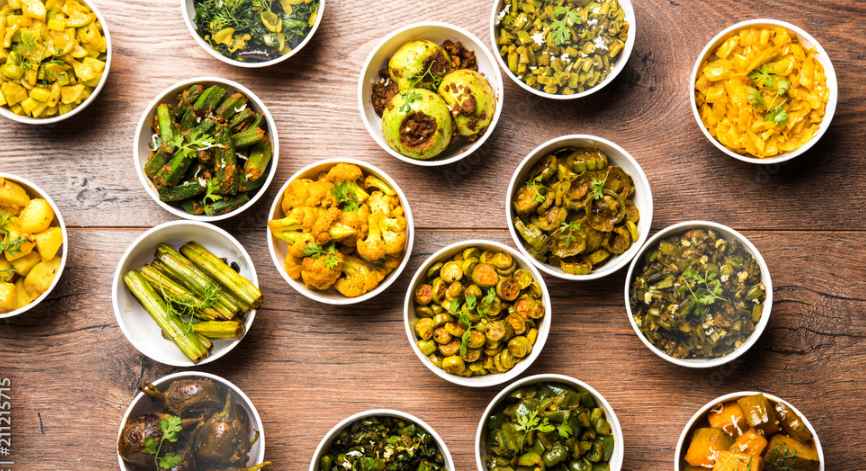
Indian cuisine celebrates vegetables in their myriad forms. Everyday meals often feature a simple yet flavorful vegetable stir fry or curry, known as sabzi. These can range from dry preparations like Aloo Gobi (potatoes and cauliflower) or Bhindi Masala (okra) to gravy based dishes like Palak Paneer (spinach and cottage cheese) or Mixed Vegetable Curry. The key to their deliciousness lies in the masterful use of spices, blooming them in hot oil to release their full aroma and flavor, and then letting the vegetables cook to tender perfection.
Beyond sabzis, the simple act of consuming raw vegetables like cucumber, tomatoes, and onions as a salad, or kachumber, adds a refreshing crunch and vital nutrients to the plate. Pickles, or achar, made from mango, lime, or mixed vegetables, offer a tangy and spicy counterpoint, awakening the palate.
Regional Delights: A Taste of Diversity
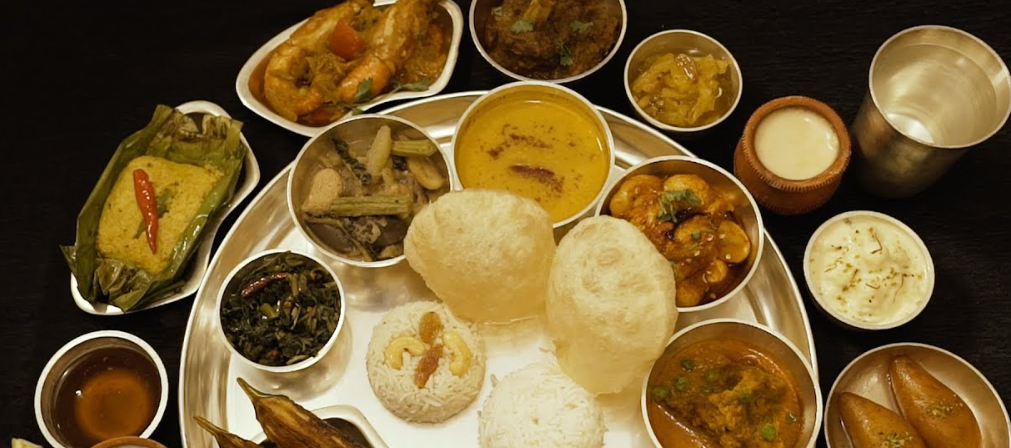
India's vastness translates into an incredible regional diversity in its everyday foods. In Punjab, a hearty meal might include Sarson ka Saag (mustard greens) with Makki ki Roti (corn flatbread). In Gujarat, the sweet and savory Undhiyu, a mixed vegetable dish cooked underground, is a celebrated delicacy. The coastal regions of Kerala offer a symphony of coconut milk and spices, with dishes like Avial, a mixed vegetable curry, being a common sight. Bengal's staple fish curries and simple lentil preparations, like Masoor Dal, are equally iconic. Each state, and indeed each community, has its own unique approach to everyday sustenance, reflecting local produce and cultural influences.
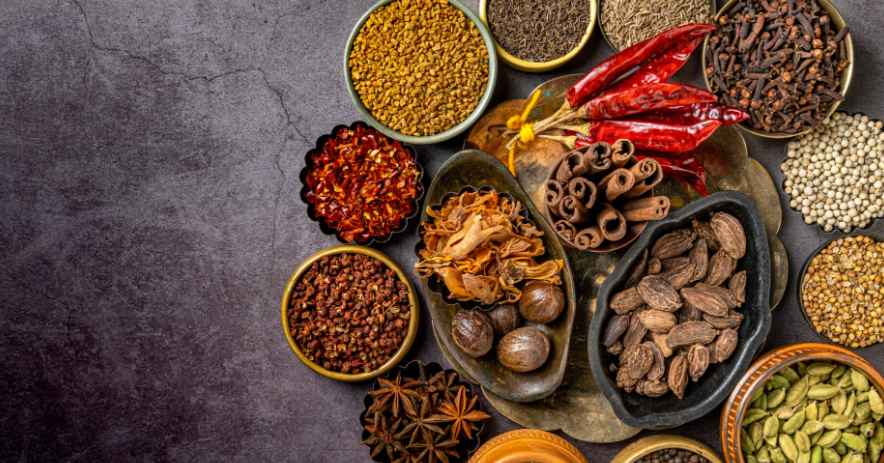
The Subtle Art of Spices
What truly elevates everyday Indian food is the nuanced use of spices. While some dishes may appear simple, the layering of aromatic spices is an art form. Turmeric for its color and health benefits, cumin for its earthy warmth, coriander for its citrusy notes, chili for its heat, and garam masala, a blend of ground spices, for its complex fragrance – these are the building blocks of flavor. The timing and method of adding these spices are crucial, transforming humble ingredients into culinary masterpieces.
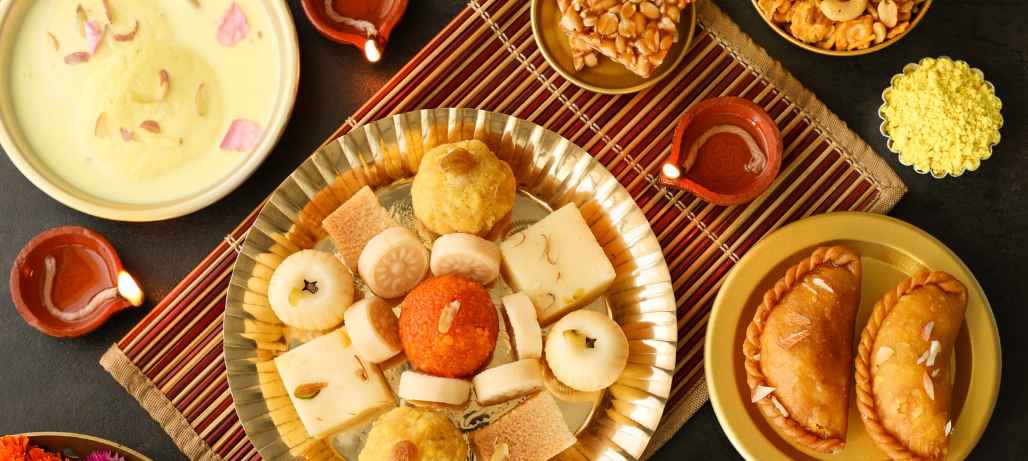
Beyond the Savory: A Sweet Tradition
No discussion of Indian food is complete without mentioning the integral role of sweets. While elaborate traditional Indian sweets are often reserved for festivals, simpler, everyday sweets are a common indulgence. Kheer (rice pudding), Sheera (semolina pudding), and various milk based sweets are enjoyed as desserts or even as part of breakfast. These sweet treats, often flavored with cardamom and garnished with nuts, provide a comforting end to a meal and are a testament to India's deep-rooted love for all things sweet.
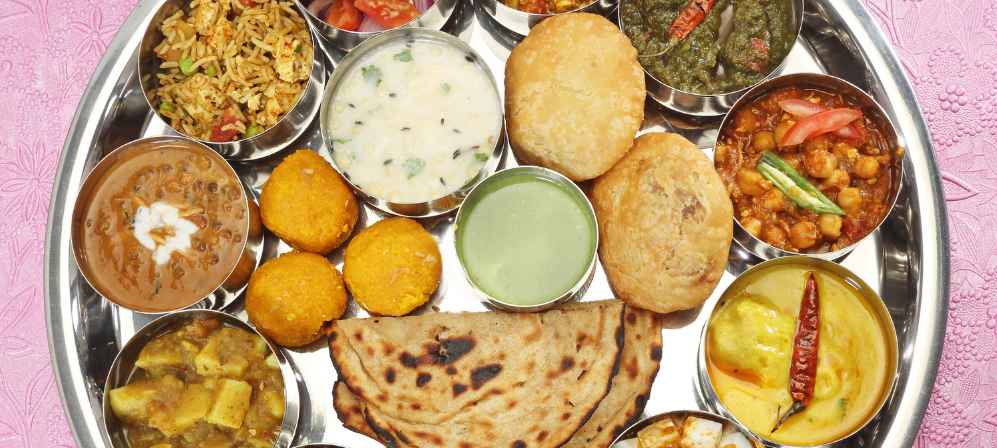
A Legacy of Nourishment
The traditional everyday foods of India are more than just sustenance; they are a living legacy. They represent a connection to our roots, a celebration of local bounty, and a profound understanding of balanced nutrition. These dishes, prepared with love and passed down through generations, continue to nourish bodies and souls, forming the comforting and delicious fabric of daily life across India. So, the next time you think of Indian cuisine, remember the humble yet extraordinary everyday foods that truly define its heart.
Most Popular









Anaya
comment1