



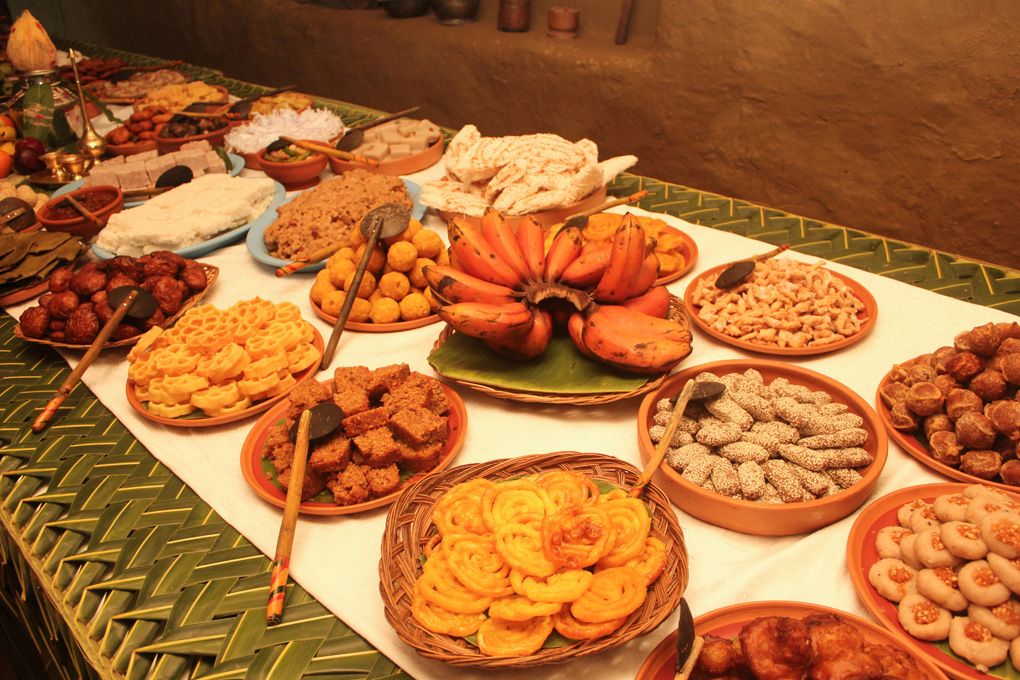
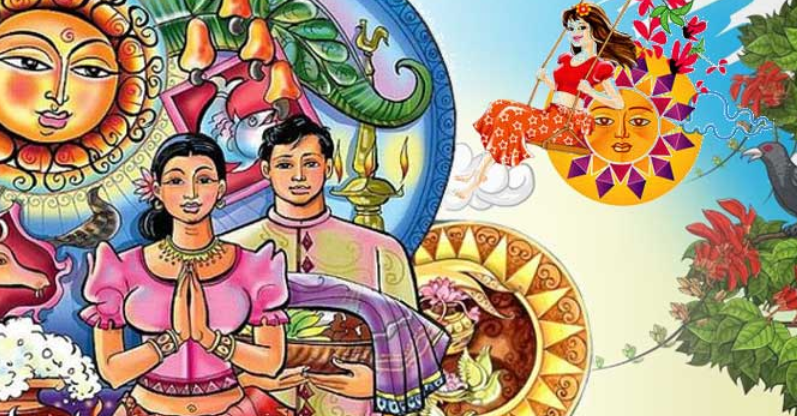
The air is alive with a palpable sense of joy and renewal. The Sinhala Hindu New Year, also known as Aluth Avurudda, is a time of auspicious beginnings, family gatherings, and, of course, an explosion of flavors. As the sun completes its northward journey, communities across Sri Lanka come together to celebrate this significant cultural event. While the rituals and customs are deeply rooted in tradition, one of the most universally cherished aspects of the Aluth Avurudda is the incredible array of traditional sweets that adorn every home. These aren't just desserts; they are edible embodiments of love, prosperity, and the vibrant spirit of Sri Lankan culinary heritage.
A Culinary Tapestry Woven with Tradition
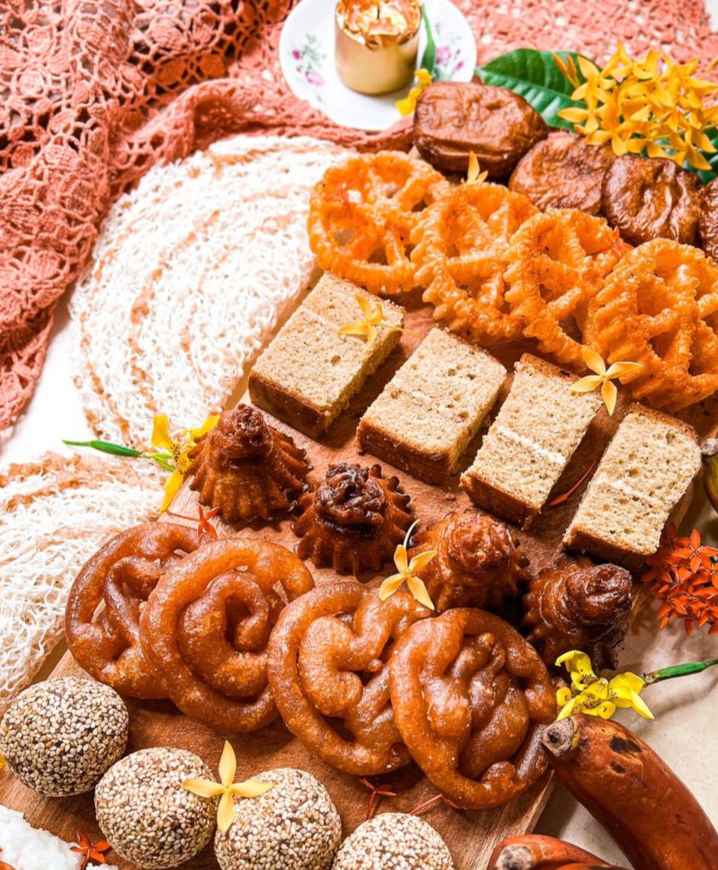
The Sinhala Hindu New Year is a time when kitchens transform into bustling hubs of activity. Generations of knowledge are passed down as families meticulously prepare a delightful spread of sweet treats. These sweets are more than just a treat for the palate; they are an integral part of the celebrations, symbolizing abundance and good fortune. Each sweet carries its own story, its own unique blend of ingredients, and its own special place in the hearts of Sri Lankans.
The Stars of the Sweet Spread: Unveiling Popular Delicacies
Kavum: The Quintessential New Year Sweet
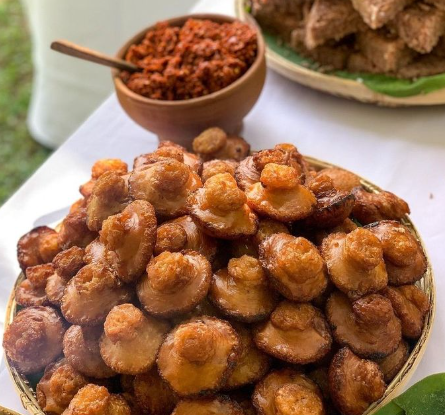
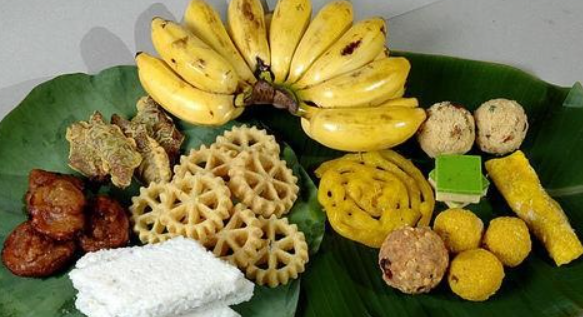
No Sinhala Hindu New Year celebration is complete without Kavum. This deep-fried, oil cake is a staple, and its preparation is an art form. Made from rice flour, coconut milk, and jaggery (unrefined palm sugar), Kavum is often flavored with a hint of cardamom or ginger. The key to a perfect Kavum lies in achieving a delicate balance of crispiness on the outside and a soft, moist interior. There are various types of Kavum, each with its own subtle variations in texture and flavor. Some are small and crisp, while others are larger and more cake-like. The act of frying Kavum itself is often a communal affair, with family members gathering around the hot oil, sharing stories and laughter as they transform the batter into golden brown delights.
Konda Kavum: A Regal Variation
A slightly more elaborate version of Kavum, Konda Kavum features a distinctive crown-like shape, hence its name. This visually appealing sweet is made by carefully shaping the batter before frying, creating a beautiful presentation that elevates the celebratory feel. The taste remains wonderfully similar to regular Kavum, but the added visual appeal makes it a special addition to any New Year table.
Athirasa: The Sweetness of Prosperity
Athirasa is another beloved New Year sweet that holds significant cultural importance. It is often associated with prosperity and well-being. Made from rice flour and a generous amount of sweet treacle or sugar syrup, Athirasa has a chewy yet slightly crisp texture. The careful cooking process is crucial to achieve the right consistency, ensuring it doesn't become too hard or too soft. Some recipes incorporate a touch of coconut milk for added richness. The golden hue of Athirasa is reminiscent of the sun's blessings, further cementing its connection to the New Year's spirit of renewal.
Welioya: The Delicate Charm of Coconut
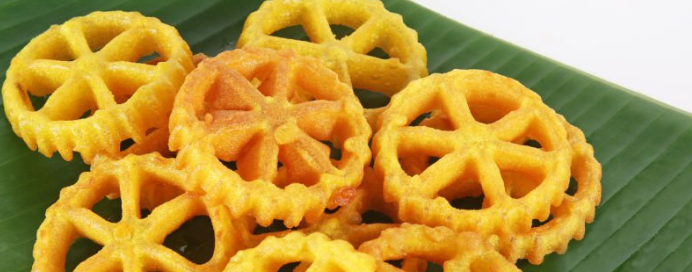
Welioya, also known as kokis, is a delicate, crispy, and intricate fried sweet. Its distinctive lattice-like pattern is achieved by using a special mould. Made from rice flour, coconut milk, and sugar, Welioya is often flavored with vanilla or cardamom. The trick to perfect Welioya is in the frying; they need to be cooked to a beautiful golden brown without burning, ensuring a light and airy crunch. The intricate design makes them not only delicious but also visually stunning, adding an element of artistry to the New Year spread.
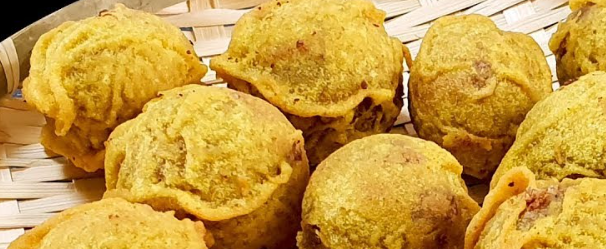
Mung Guli: The Nutty Delight
For those who appreciate a more wholesome and nutty flavor, Mung Guli is a must-try. These small, bite-sized balls are made from roasted and ground mung beans mixed with jaggery or sugar syrup and a hint of cardamom. The roasting of the mung beans is key to developing their rich, earthy flavor. Mung Guli offers a delightful contrast to the other, often sweeter, New Year treats. They are a testament to the versatility of Sri Lankan ingredients and the creativity of its culinary traditions.
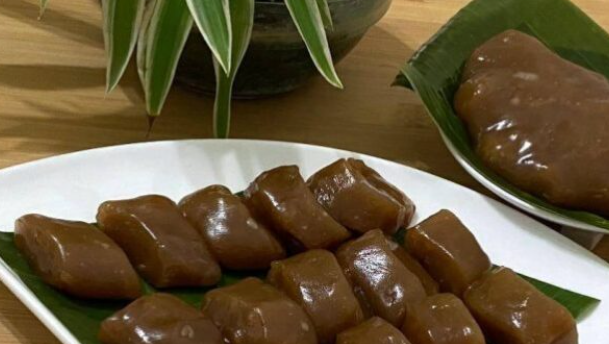
Dodol: A Rich and Chewy Indulgence
Dodol is a dense, rich, and chewy sweet that is a true indulgence. It is made from rice flour, coconut milk, and jaggery, slow-cooked to a thick, fudgy consistency. The process of making Dodol is time-consuming and requires constant stirring to prevent it from sticking to the pot. The result is a deeply flavored sweet with a luxurious texture. It is often enjoyed in small portions due to its richness. Dodol is a labor of love, and its presence on the New Year table signifies a generous and abundant celebration.
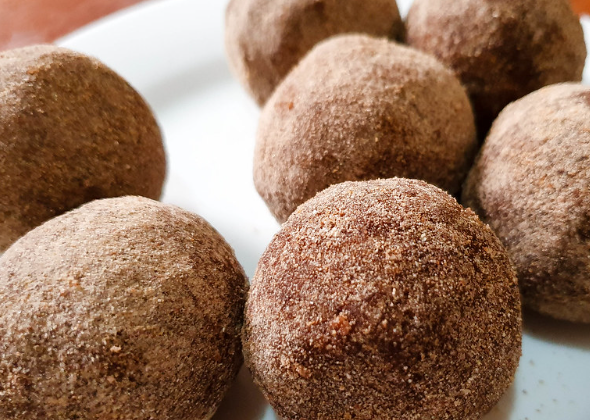
Aggala: Simple Yet Satisfying
Aggala are simple, round balls made from roasted rice flour and jaggery. They are easy to prepare and offer a satisfying, slightly sweet, and grainy texture. Often enjoyed as a quick snack, Aggala also finds its place in the New Year sweet offerings, providing a simpler yet delicious option amidst the more elaborate creations.
Beyond the Sweets: The Spirit of Sharing and Community
While the taste and variety of these traditional sweets are undoubtedly a major draw, their significance extends far beyond mere culinary pleasure. The preparation of these sweets is often a family affair, fostering bonding and shared experiences. They are exchanged between neighbors and friends as tokens of goodwill and a way to strengthen community ties. The act of offering and sharing these sweet treats is a fundamental part of the New Year's spirit, embodying generosity and the desire for collective happiness. The beautiful presentation of these sweets, often arranged on platters adorned with betel leaves and other traditional decorations, further enhances their festive appeal.
A Culinary Journey Through Time
The traditional sweets of the Sinhala Hindu New Year are more than just recipes; they are living artifacts of Sri Lankan culture. They represent a connection to the past, a celebration of the present, and a hopeful outlook for the future. Each bite is a journey through generations of culinary wisdom, passed down from grandmothers to mothers to daughters, each adding their own subtle touch while preserving the essence of the original. The use of local ingredients like rice, coconut, and jaggery highlights the island's rich agricultural bounty and its deep-rooted connection to nature.
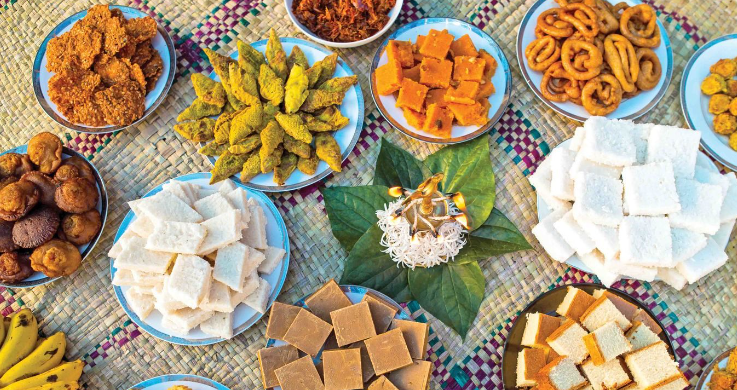
Embracing the Flavors of Aluth Avurudda
As the New Year dawns, the aroma of these delightful sweets fills the air, heralding a time of joy, prosperity, and togetherness. Whether you are a Sri Lankan celebrating at home or a curious food enthusiast eager to explore new flavors, the traditional sweets of the Sinhala Hindu New Year offer an unparalleled gastronomic experience. They are a true testament to the vibrant and enduring culinary heritage of Sri Lanka, a heritage that is best savored, one delicious sweet at a time.
A Sweet Ending to a Celebratory Beginning
The Sinhala Hindu New Year is a time that truly tantalizes the taste buds. The dedication and love that go into preparing these traditional sweets are evident in every bite. From the crispy perfection of Kavum to the rich indulgence of Dodol, each sweet tells a story of tradition, family, and the spirit of new beginnings. As you partake in the festivities, remember that these sweets are more than just delicious treats; they are a gateway to understanding the rich cultural tapestry of Sri Lanka. So, this Aluth Avurudda, immerse yourself in the flavors, embrace the traditions, and let the sweetness of these New Year delights fill your home with joy and prosperity.
Most Popular








Anaya
comment1