




Hey everyone! Today, we're embarking on a culinary adventure to a place that has captured the hearts and taste buds of people all around the globe: Japan. When you think of Japanese food, what comes to mind? For many, it's probably sushi and ramen, and while those are undeniably fantastic, the universe of Japanese cuisine is so much richer and more diverse than you might imagine. Get ready to explore some of the incredible flavors, textures, and traditions that make Japanese food so special. Let's dive in!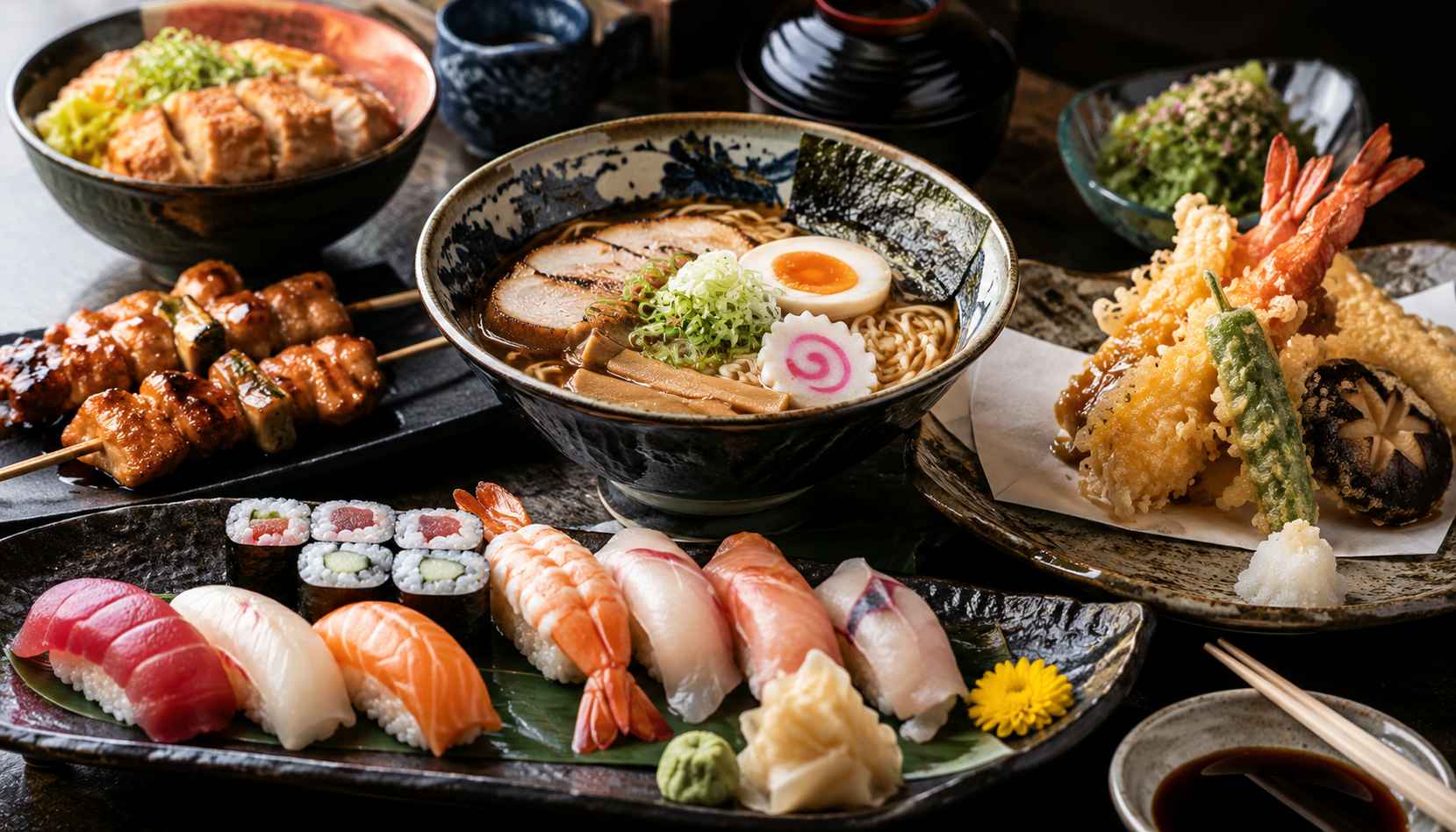
At its core, Japanese food is all about balance, seasonality, and respecting the natural flavors of the ingredients. You'll notice a strong emphasis on fresh, high-quality components, often prepared with minimal fuss to let their inherent deliciousness shine through. Rice is, of course, a staple, appearing in countless forms. But it’s not just about rice; think about the delicate art of preparing seafood, the comforting warmth of noodle soups, and the savory satisfaction of grilled dishes.
Sushi and Sashimi
Let's start with the icons. Sushi, with its perfectly seasoned rice and artfully arranged toppings, is a true testament to precision and aesthetics. Whether it's the classic nigiri, where a slice of fish sits atop a small mound of rice, or the rolled maki, with its vibrant fillings encased in nori seaweed, each piece is a miniature masterpiece. Sashimi, on the other hand, is all about the pure, unadulterated taste of the freshest fish and seafood, sliced with incredible skill. It’s not just about eating; it’s an experience for all your senses.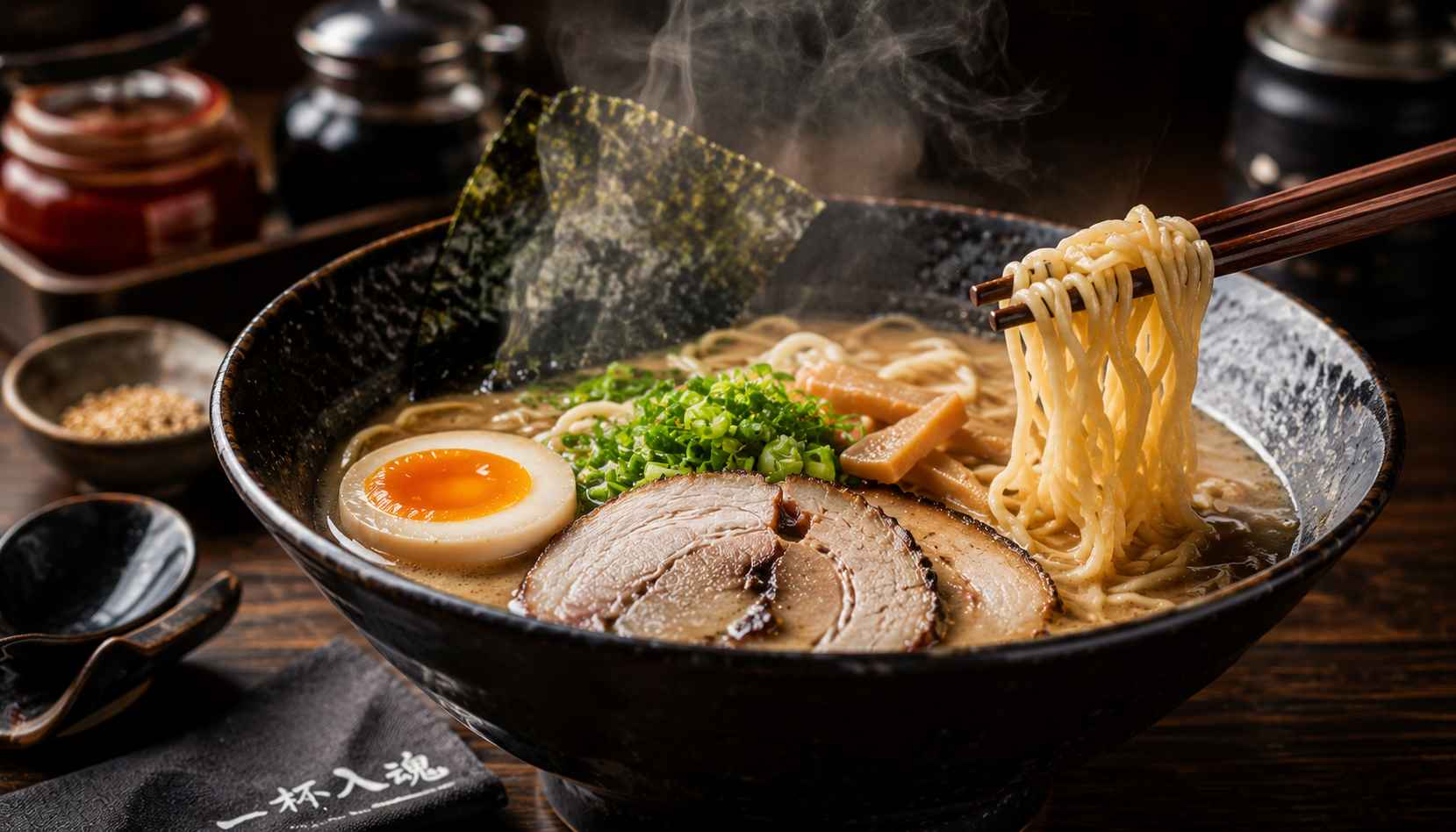
A Hug in a Bowl
Then there's ramen. Oh, ramen! This isn't just a quick instant noodle fix; we’re talking about deeply flavorful broths simmered for hours, springy noodles cooked to perfection, and a symphony of toppings like tender chashu pork, a perfectly boiled egg, and crisp nori. From the rich tonkotsu (pork bone broth) to the lighter shoyu (soy sauce based) and miso broths, there’s a ramen for every palate. It’s the ultimate comfort food, especially on a chilly day.
Beyond the Famous Two: Exploring More Japanese Delights
But Japanese food is so much more! Have you tried tempura? These are lightly battered and deep-fried pieces of seafood and vegetables, so crisp and delicate they practically melt in your mouth. Or perhaps yakitori, skewers of perfectly grilled chicken and vegetables seasoned with a savory glaze? Don't forget about udon and soba noodles, which offer different textures and flavors compared to ramen. Udon noodles are thick and chewy, while soba noodles, made from buckwheat, have a slightly nutty flavor. They can be enjoyed hot in a soup or cold with a dipping sauce.
And what about Japanese curry (kare)? It's a popular and comforting dish, often milder and sweeter than its Indian counterpart, served with rice and sometimes topped with a crispy pork cutlet (katsu curry). For a lighter, yet incredibly satisfying meal, consider donburi bowls. These are rice bowls topped with various ingredients like tempura, chicken, or beef, making for a quick and delicious meal.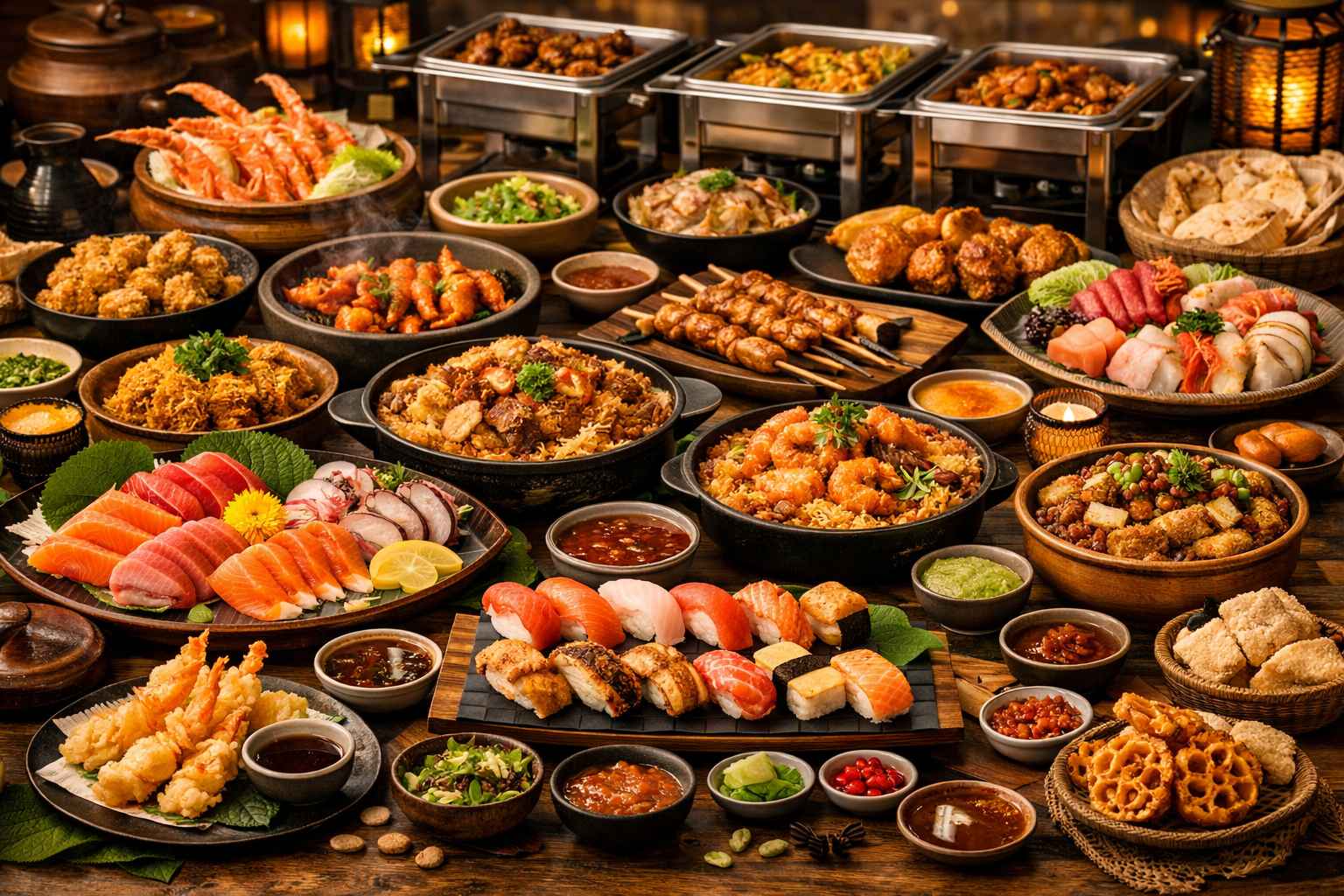
The Importance of Seasonality and Presentation
One of the most fascinating aspects of Japanese food is its deep connection to the seasons. Ingredients are at their peak during specific times of the year, and chefs pride themselves on using what's freshest and most in season. This not only ensures the best flavor but also reflects a respect for nature. Furthermore, presentation is paramount. Japanese dishes are often as beautiful to look at as they are to eat, with careful attention paid to color, arrangement, and the choice of serving dishes. It’s a true art form.
So, there you have it – just a small taste of the incredible diversity and depth of Japanese cuisine. From the iconic sushi and soul-warming ramen to the less commonly known but equally delicious tempura, yakitori, and donburi, there’s a whole world of flavors waiting to be discovered. The next time you're looking for a meal that's both delicious and culturally rich, consider exploring the wonderful world of Japanese food. Your taste buds will thank you!

Most Popular










Anaya
comment1