



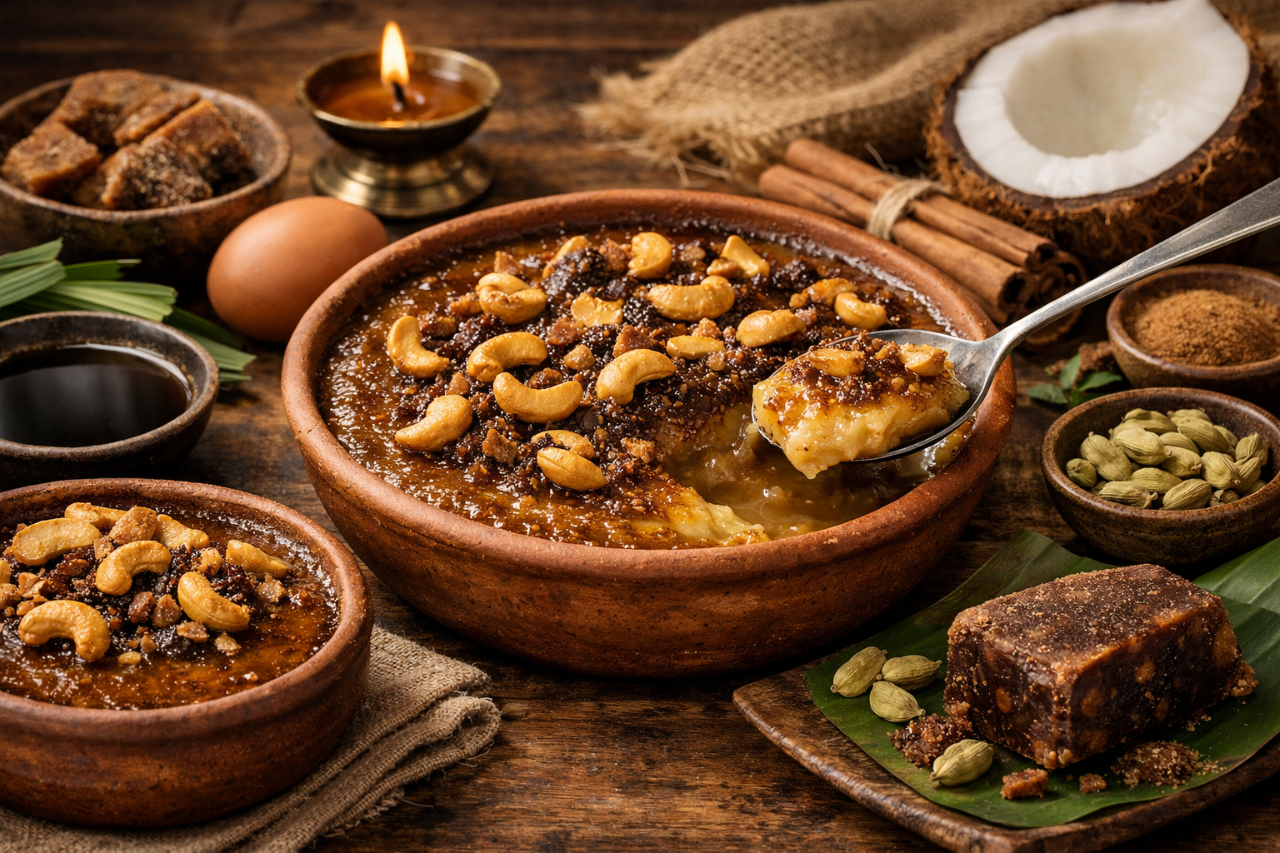
In the vibrant tapestry of Sri Lankan cuisine, certain dishes stand out not just for their exquisite flavors but also for their cultural significance. Among these, Watalappan holds a special place. This rich, creamy, and aromatic dessert, often described as a steamed custard, is a beloved treat enjoyed across the island, particularly during festive occasions. Its origins are deeply intertwined with the Malay community in Sri Lanka, adding a layer of fascinating history to its culinary appeal.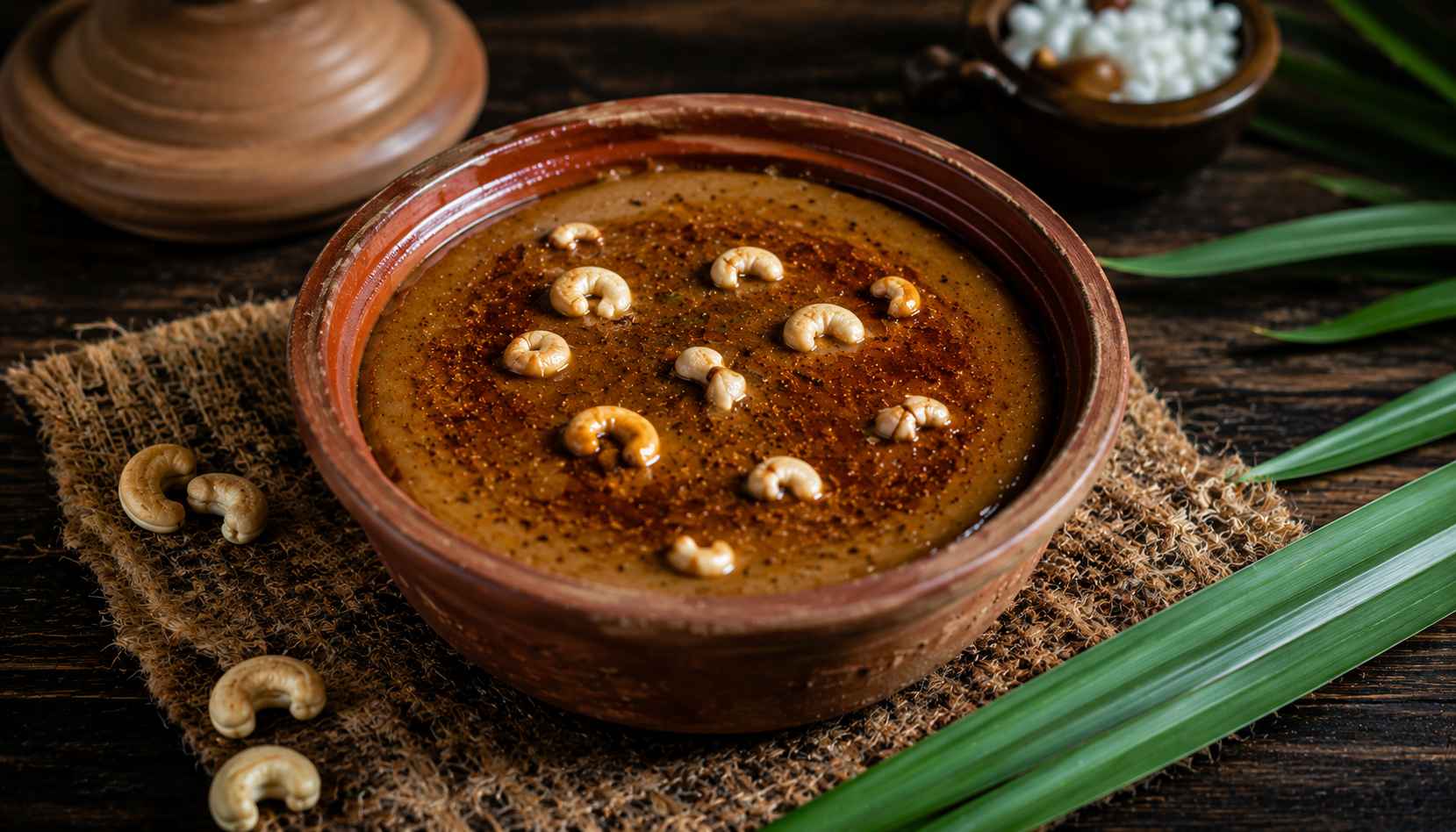
The Heart of Watalappan A Symphony of Flavors and Textures
At its core, Watalappan is a celebration of simple yet potent ingredients. The star of the show is undoubtedly the 'kitul' treacle, a natural sweetener derived from the sap of the kitul palm. This dark, viscous liquid imparts a unique caramel like sweetness and a subtle smoky note that is utterly distinctive. Coupled with coconut milk, sourced from freshly grated coconuts, it creates a luscious, velvety base that is both decadent and comforting.
Key Ingredients and Their Magic
The magic of Watalappan truly comes alive with the addition of fragrant spices. Cardamom, cinnamon, and nutmeg are typically ground and infused into the mixture, lending an intoxicating aroma and a complex, warm flavor profile. Jaggery, another form of unrefined sugar, can also be used, often in conjunction with treacle, to deepen the sweetness and add another dimension to the taste. Eggs act as the binder, transforming the liquid mixture into a smooth, set custard when steamed.
Beyond the essential components, Watalappan often features toasted cashews or other nuts, adding a delightful crunch that contrasts beautifully with the creamy texture of the custard. These nuts are usually sprinkled on top before serving, providing both visual appeal and an added layer of flavor and texture. Some variations might even include a hint of pandan leaf, which infuses a subtle floral essence, further enhancing the dessert's complexity.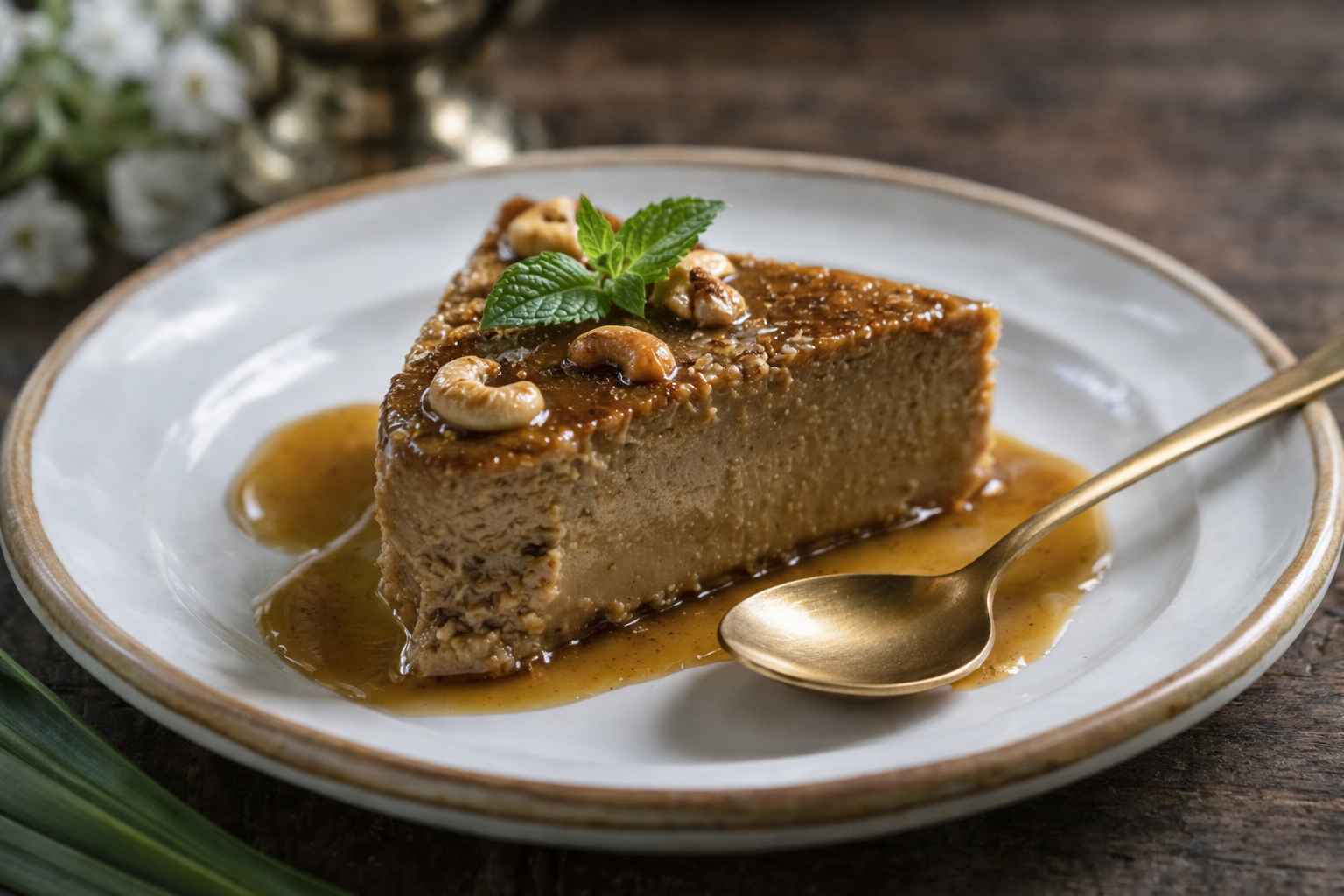
The Cultural Significance of Watalappan
Watalappan is more than just a dessert; it is a symbol of cultural harmony and culinary heritage in Sri Lanka. Its prominence during Eid al Fitr and other Muslim celebrations highlights the contributions of the Sri Lankan Malay community to the nation's diverse food landscape. The preparation and sharing of Watalappan are often communal activities, bringing families and friends together, reinforcing social bonds.
The preparation itself is an art form. The careful balancing of sweetness, spice, and richness is crucial for a truly exceptional Watalappan. Traditionally, it is steamed in individual clay pots or a larger vessel, allowing the flavors to meld and the custard to set perfectly. The slow cooking process ensures a tender and melt in your mouth experience.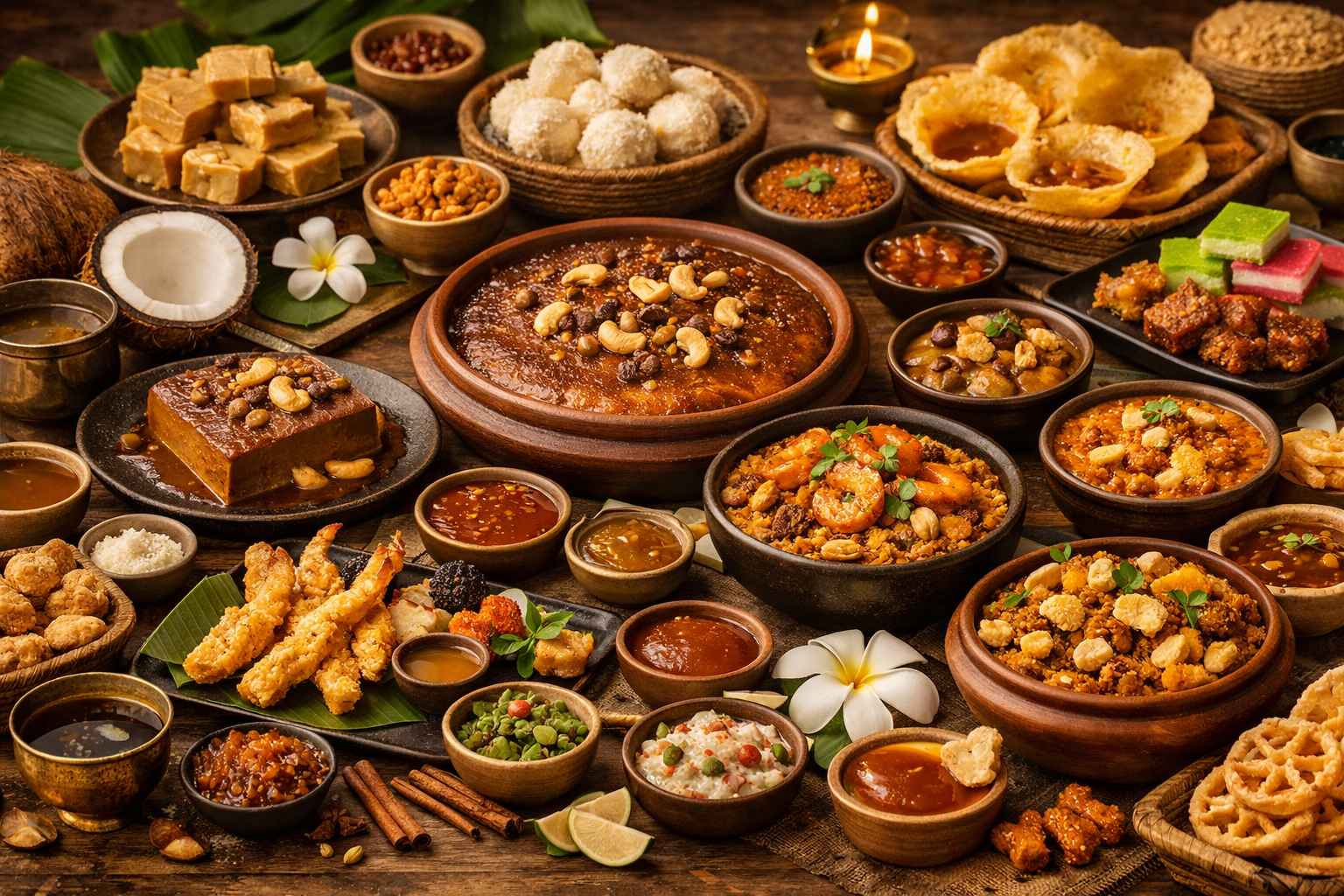
Experiencing Watalappan A Culinary Journey
For those unfamiliar with Sri Lankan cuisine, Watalappan offers an accessible and delightful entry point. Its familiar custard like texture, combined with its unique sweet and spicy notes, makes it universally appealing. It is often served chilled or at room temperature, making it a refreshing treat, especially in Sri Lanka's tropical climate.
When visiting Sri Lanka, seeking out authentic Watalappan is a must. Whether enjoyed in a bustling local eatery, a fine dining restaurant, or prepared by a home cook, each rendition offers a slightly different interpretation of this classic dessert. The depth of flavor, the comforting texture, and the warm spices create an unforgettable sensory experience.
Watalappan stands as a testament to the rich culinary heritage of Sri Lanka. It is a dessert that tells a story, a fusion of flavors that reflects the island's multicultural influences. From the rich sweetness of kitul treacle to the warm embrace of its spices, Watalappan is a true masterpiece that continues to captivate taste buds and warm hearts, making it an indispensable part of Sri Lanka's gastronomic identity.

Most Popular










Anaya
comment1