



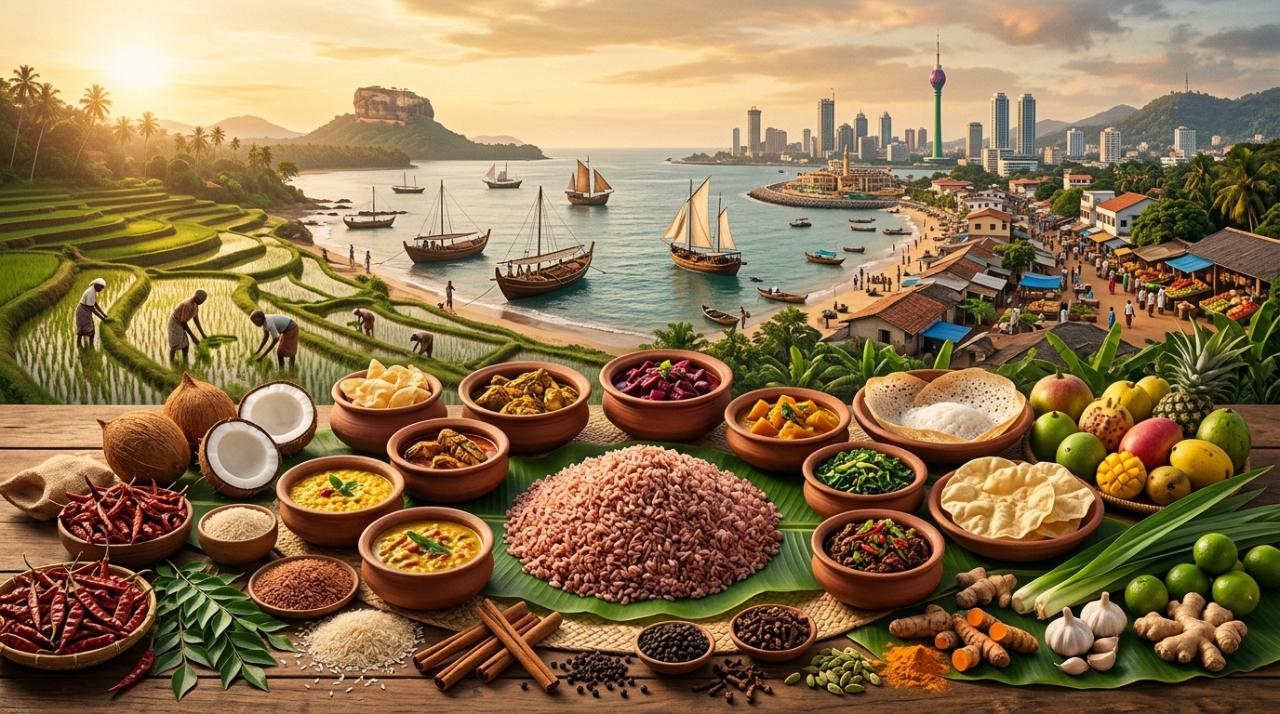
A Culinary Tapestry Woven Through Millennia
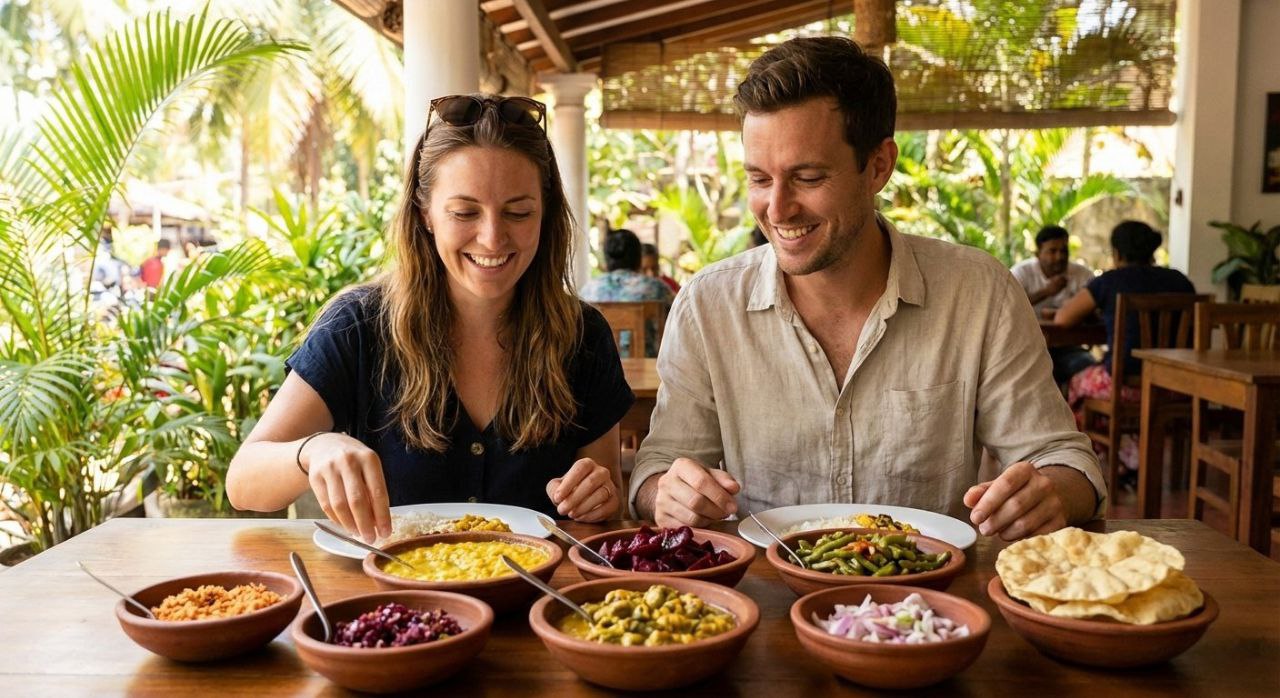
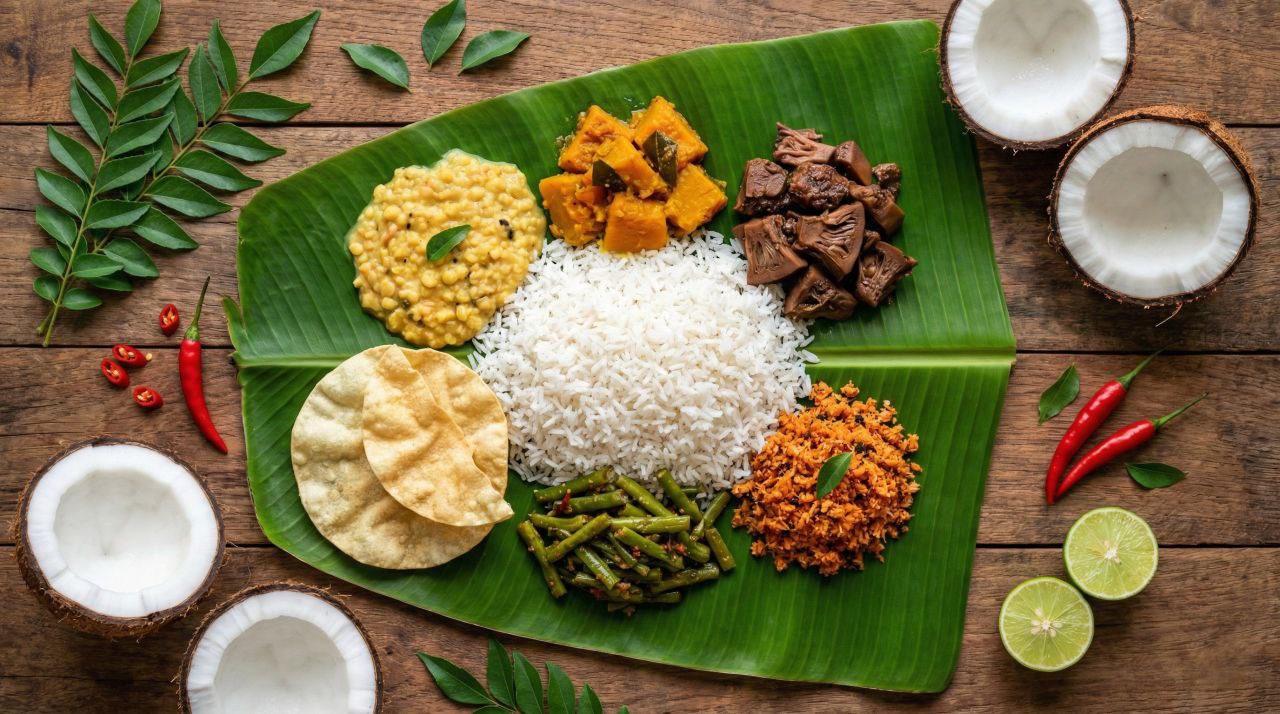
Sri Lankan cuisine, a vibrant explosion of flavors, aromas, and textures, is far more than just a delicious meal. It's a living testament to the island's rich history, a culinary tapestry woven with threads from ancient civilizations, trade routes, and the ingenious spirit of its people. When you savor a plate of steaming rice and curry, you're not just tasting food; you're experiencing a story that spans thousands of years.
Rice and Ancient Traditions
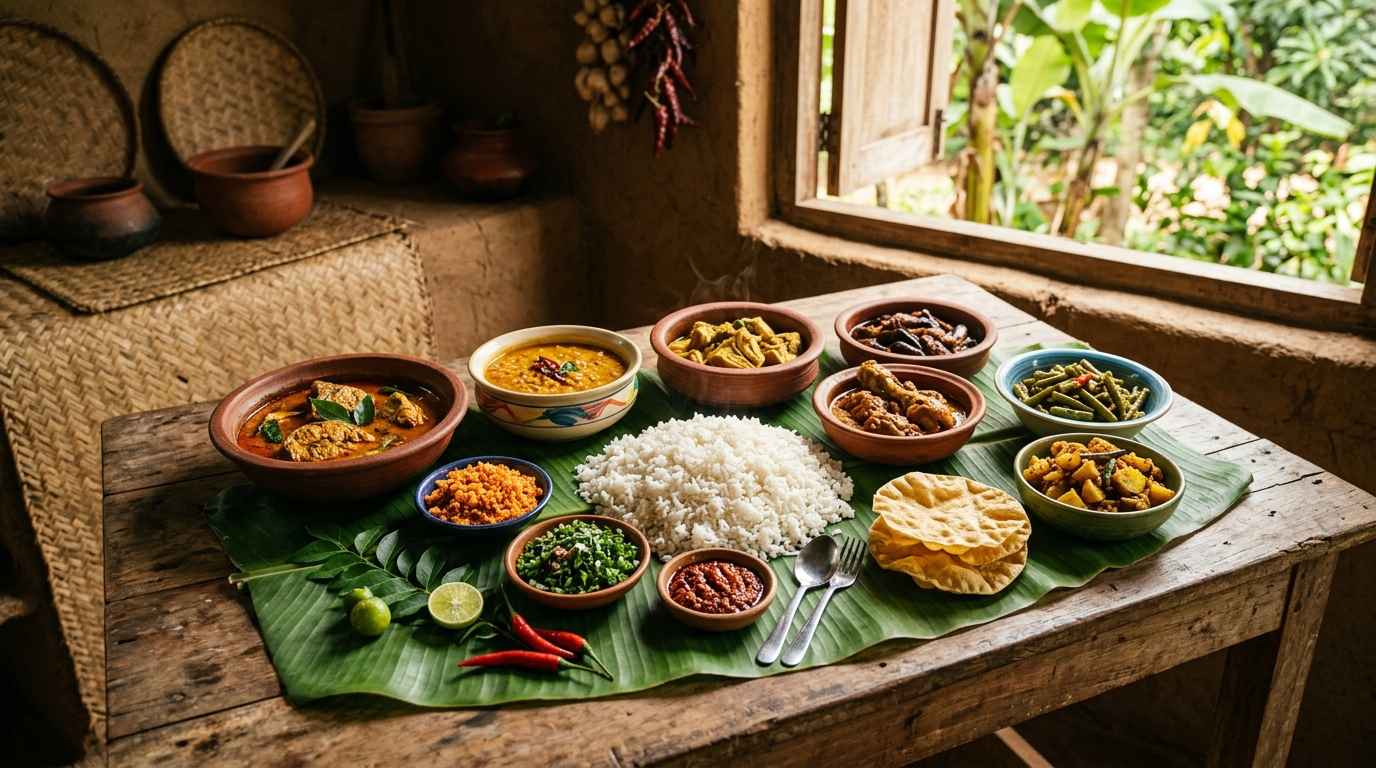
At the heart of Sri Lankan food, as it has been for centuries, is rice. Archaeological evidence suggests rice cultivation in Sri Lanka dates back to at least 800 BCE, making it one of the earliest places in South Asia to adopt this staple. Imagine ancient Sri Lankans tilling paddy fields, their lives intrinsically linked to the cycles of planting and harvesting. This foundational grain provided the canvas upon which countless culinary creations were built.
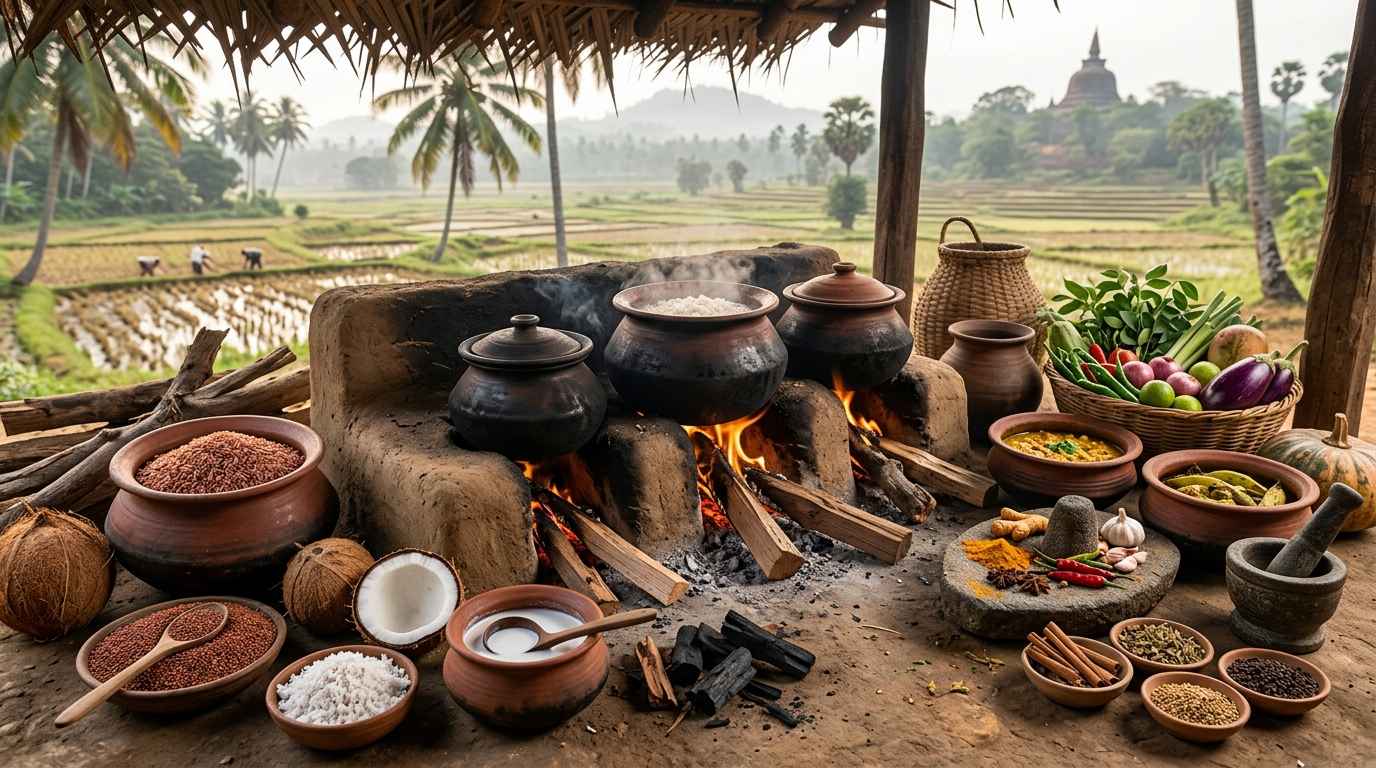
Beyond rice, the early Sri Lankans were masters of utilizing the island's abundant natural resources. Coconut, in its myriad forms – milk, oil, scraped flesh – is fundamental to many dishes, providing richness and a distinctive sweetness. Indigenous vegetables, fruits, and a variety of grains like millet and finger millet (kurakkan) formed the backbone of their diet. The development of earthenware pots and open fire cooking techniques meant that slow, flavorful cooking was the norm, infusing ingredients with a depth of taste that is still prized today.
The Spice Route and Foreign Influences
Sri Lanka's strategic location in the Indian Ocean made it a crucial hub on ancient spice routes. For millennia, traders from India, Rome, Persia, and later, Arab and Chinese merchants, flocked to its shores. They brought not only spices like cinnamon, pepper, and cloves but also new ingredients and culinary ideas. The arrival of Indian traders, particularly from South India, introduced key elements that are now inseparable from Sri Lankan cuisine, such as the extensive use of spices in curries and the art of tempering.
The arrival of the Portuguese in the 16th century brought chillies, a game changer that added a fiery kick to many dishes, and also introduced baked goods and some meat preparations. The Dutch, who followed, left their mark with influences like lamprais (rice and curries baked in banana leaves) and the rich, sweet Dutch Burgher dessert traditions. The British, in turn, introduced tea plantations, which not only transformed the economy but also subtly influenced snacking habits and the way certain meals were served.
The Art of the Curry and Beyond
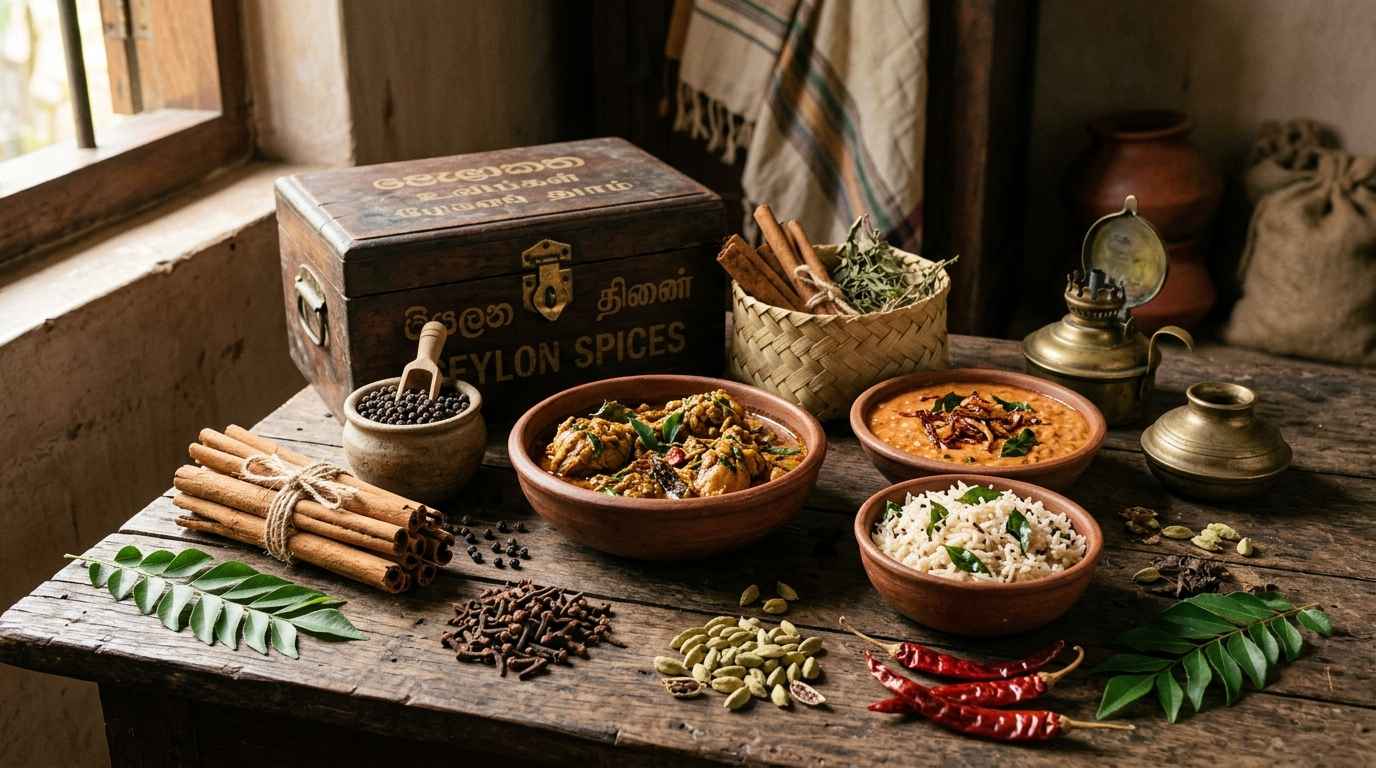
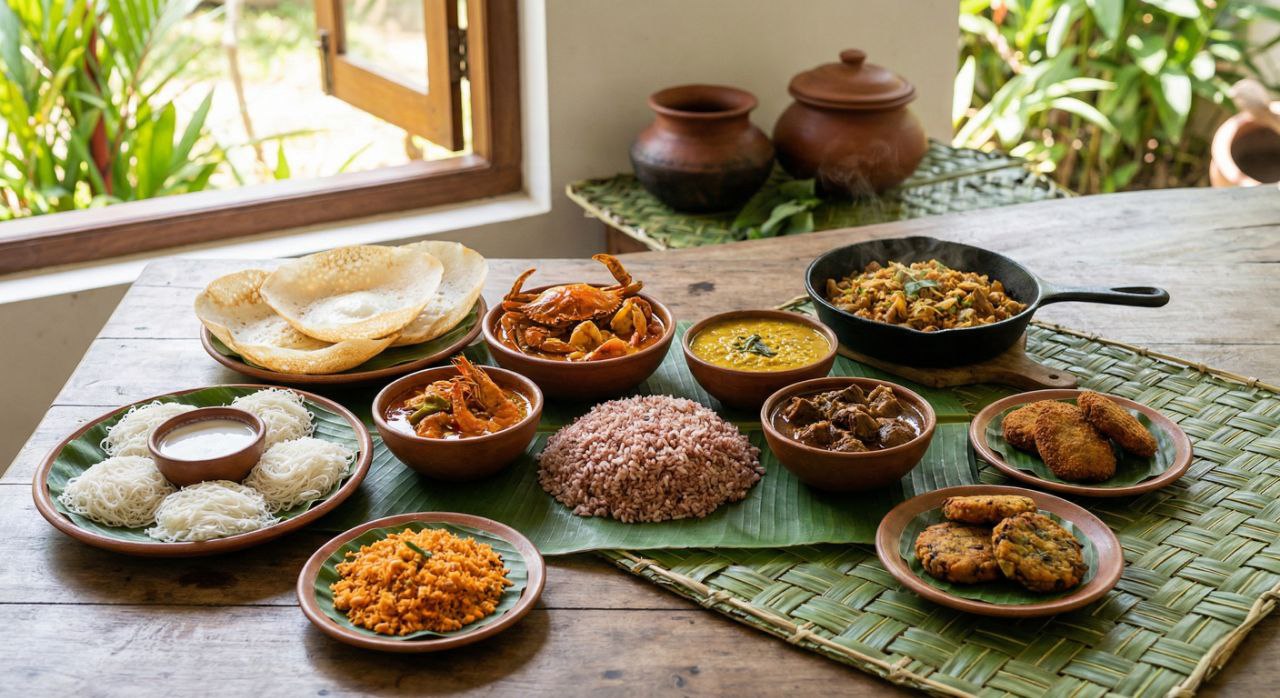
Perhaps the most iconic element of Sri Lankan cuisine is its array of curries. These aren't just simple stews; they are complex symphonies of flavor, often featuring a base of coconut milk simmered with a rich blend of spices. From fiery fish curries (malu kiri) to creamy dhal (lentil curry) and savory vegetable curries, each has its own distinct character. The art lies in the careful balance of aromatic spices, the subtle sweetness of coconut, and the heat from chillies.
Beyond curries, traditional Sri Lankan food encompasses a wide variety of dishes. Hoppers (appa), delicate, bowl shaped crepes made from fermented rice batter, are a breakfast and dinner staple. String hoppers (idiappa), fine noodle like rice cakes, are perfect for soaking up rich curries. Kothu roti, a popular street food, involves chopped flatbread stir fried with vegetables, egg, and meat, creating a savory, satisfying meal.
A Living Heritage
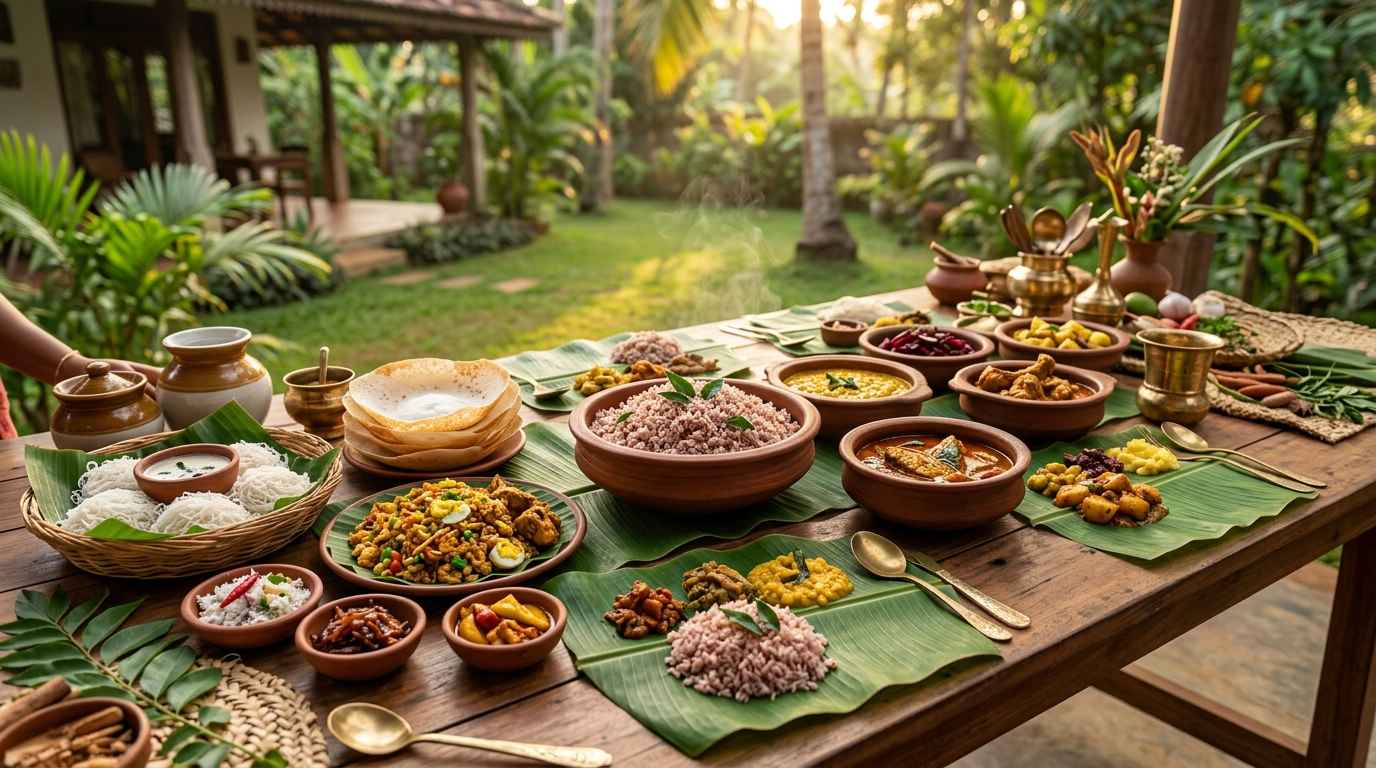
Today, Sri Lankan cuisine continues to evolve, but its ancient roots remain firmly planted. The emphasis on fresh, local ingredients, the masterful use of spices, and the comforting embrace of rice and coconut milk are enduring qualities. Exploring Sri Lankan food is an adventure through history, a delicious journey that connects you to the island's past and its vibrant present. Each bite tells a tale of trade, migration, and the timeless art of creating something truly special from the bounty of the land.
Most Popular




Anaya
comment1