



From Orchard to Your Table: The Magic Behind Olive Oil Production
We’ve all got that bottle of olive oil in our pantry, right? Whether it’s for drizzling on salads, sautéing veggies, or just dipping some crusty bread into, it’s a kitchen staple. But have you ever stopped to think about how this “liquid gold” actually gets made? It’s a fascinating process that’s been honed over centuries, transforming humble olives into that delicious, versatile oil we love. Let’s dive into the journey from olive grove to your plate!
The Olive Harvest: It All Starts with the Fruit
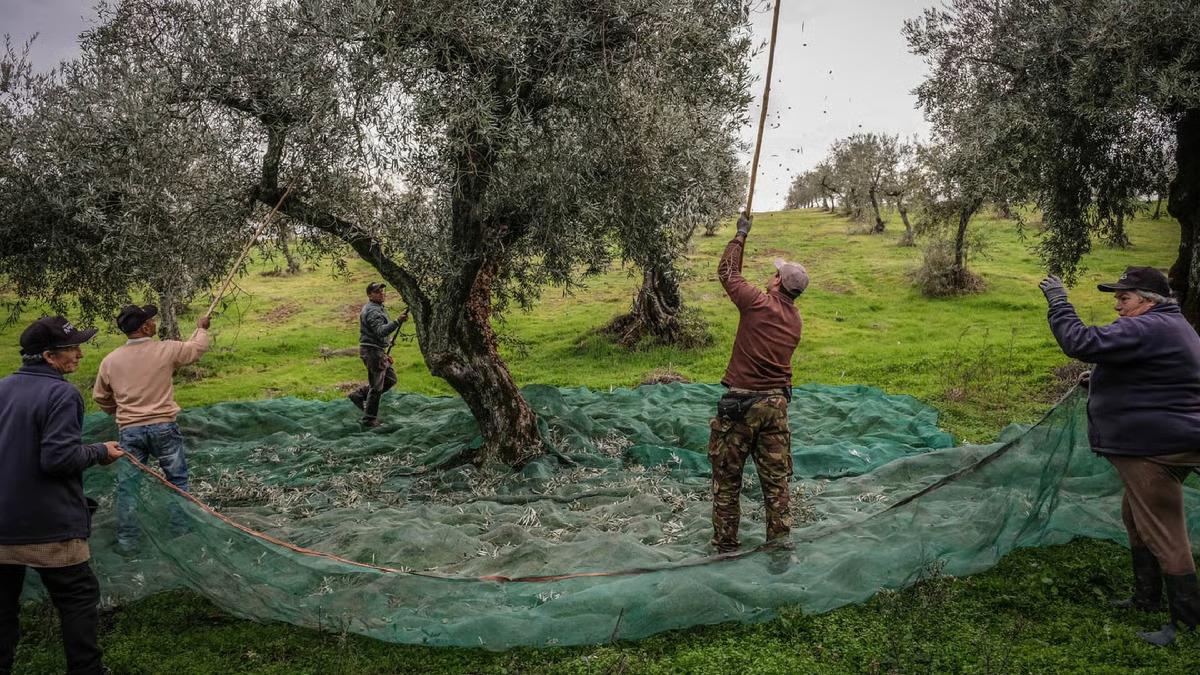
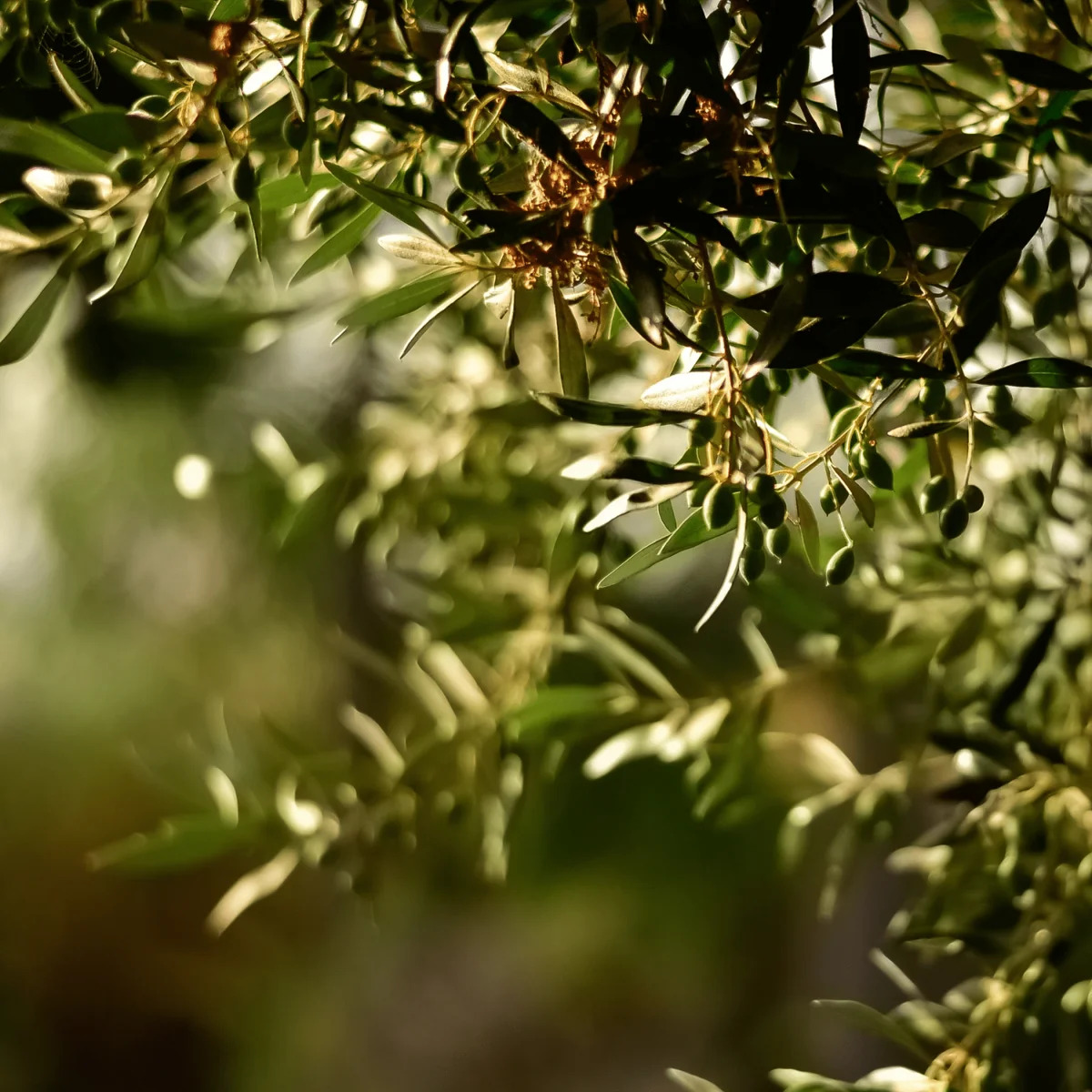
The magic begins in the olive groves. Olive harvesting is a critical first step, and timing is everything. Olives are typically harvested when they are mature but not overripe, which usually occurs between late autumn and early spring, depending on the region and the specific olive varietal. The method of harvesting can vary. Traditional methods involve raking the olives from the branches onto nets spread on the ground. More modern approaches might use mechanical harvesters that gently shake the trees, allowing the olives to fall onto catching systems. The key is to handle the olives with care to avoid bruising, as damaged olives can affect the quality and flavor of the oil.
Washing and Crushing: Preparing the Olives
Once harvested, the olives are quickly transported to the olive mill, often called an “agriturismo” or “frantoio”. Speed is crucial here to prevent fermentation and preserve freshness. The first step at the mill is washing. The olives are thoroughly cleaned to remove any dirt, leaves, twigs, or other debris that might have hitched a ride from the grove. After washing, the olives move to the crushing stage. Traditionally, large granite millstones were used for this. Today, hammer crushers or disc crushers are more common. These machines break down the whole olives, including the flesh and the pit, into a thick paste. This paste contains the olive pulp, water, and the precious olive oil.
Malaxation: The Art of Coaxing Out the Oil
The olive paste then undergoes a process called malaxation. This is essentially a slow stirring or kneading of the paste, usually in large, stainless-steel vats. Malaxation is a crucial step because it helps the tiny oil droplets within the paste to coalesce and form larger droplets, making them easier to extract. The duration and temperature of malaxation are carefully controlled. Gentle, low-temperature malaxation (typically below 27°C or 80°F) is preferred for producing high-quality extra virgin olive oil, as it preserves the oil's delicate aromas and flavors. Too much heat or too long a stirring time can degrade the oil.
Extraction: Separating the Gold from the Rest
This is where the actual oil is separated from the solids and water in the olive paste. There are two main methods of extraction:
Traditional Pressing (Less Common Today)
In the older, traditional method, the olive paste was spread onto fibrous discs, stacked, and then placed in a hydraulic press. The press applied pressure, squeezing out the oil and vegetation water. This method often resulted in a more rustic oil but could also lead to some oxidation.
Centrifugal Decanters (Modern Method)
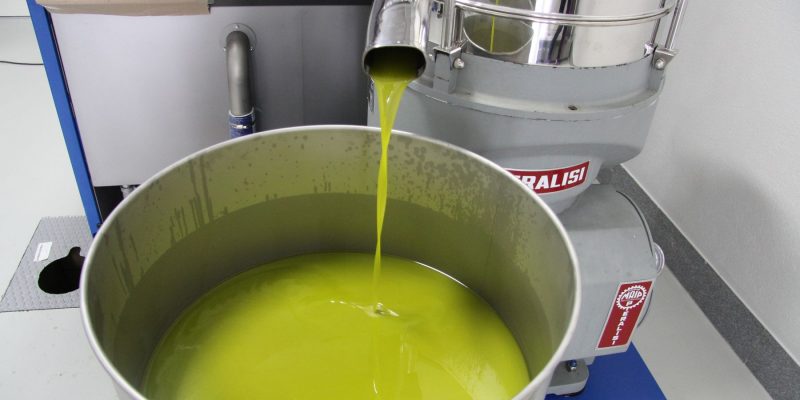
Today, the most common method is centrifugal extraction. The olive paste is fed into a horizontal decanter centrifuge. This machine spins at high speeds, using centrifugal force to separate the components based on their density. The heavier solids (like pits and pulp residue) are removed, and the oil and water are separated. This is a more efficient and hygienic method, allowing for better control over the extraction process and resulting in higher quality oil.
Separation and Filtration: The Final Polish
After the initial extraction, the oil still contains some residual water and fine particles. A vertical centrifuge is often used to further refine the oil, removing any remaining water and impurities. This results in a clearer, purer olive oil. Some producers choose to filter their olive oil at this stage, while others prefer to bottle it unfiltered. Filtration removes any remaining sediment, which can extend the shelf life of the oil and give it a brighter appearance. Unfiltered olive oil may have a slightly cloudier appearance and a more robust, sometimes sedimented, texture.
Bottling and Storage: Preserving the Goodness
Finally, the high-quality olive oil is bottled. It's typically put into dark glass bottles or tins to protect it from light, which can degrade the oil over time. Proper storage is key to maintaining its freshness and flavor. Olive oil should be stored in a cool, dark place, away from heat and direct sunlight. Once opened, it’s best to use it within a few months for optimal taste.
The Result: Liquid Gold for Your Kitchen
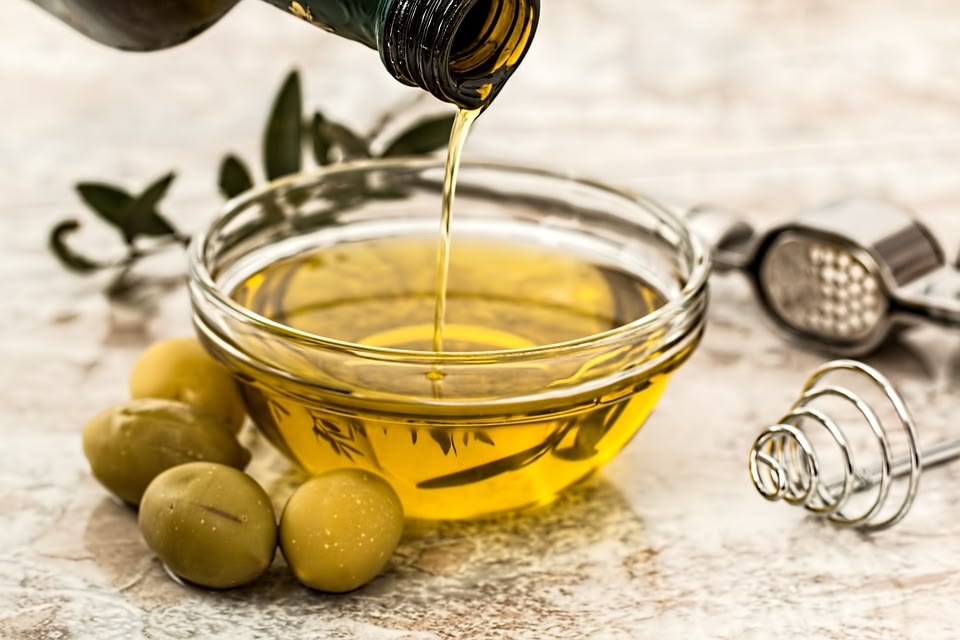
From the careful cultivation of olive trees to the precise steps of milling and extraction, making olive oil is a craft that blends tradition with modern technology. The result is a healthful and delicious product that adds unparalleled flavor to our meals. So, the next time you reach for that bottle of olive oil, take a moment to appreciate the incredible journey it took to get there!
Most Popular











Anaya
comment1