



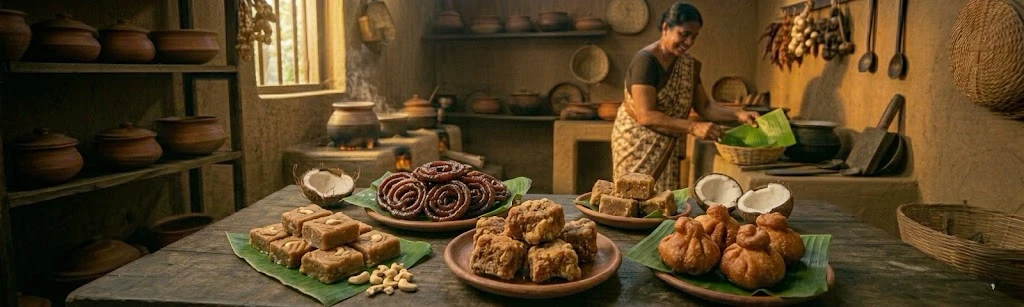
Sri Lanka, the Pearl of the Indian Ocean, is renowned not only for its breathtaking landscapes and rich history but also for its delectable culinary heritage. Among the most cherished and ubiquitous ingredients in Sri Lankan cuisine is the coconut. This versatile fruit forms the backbone of countless dishes, and its presence is perhaps most celebrated in the realm of traditional sweets. Sri Lankan coconut sweets are more than just desserts; they are intricate expressions of culture, tradition, and communal celebration, passed down through generations.
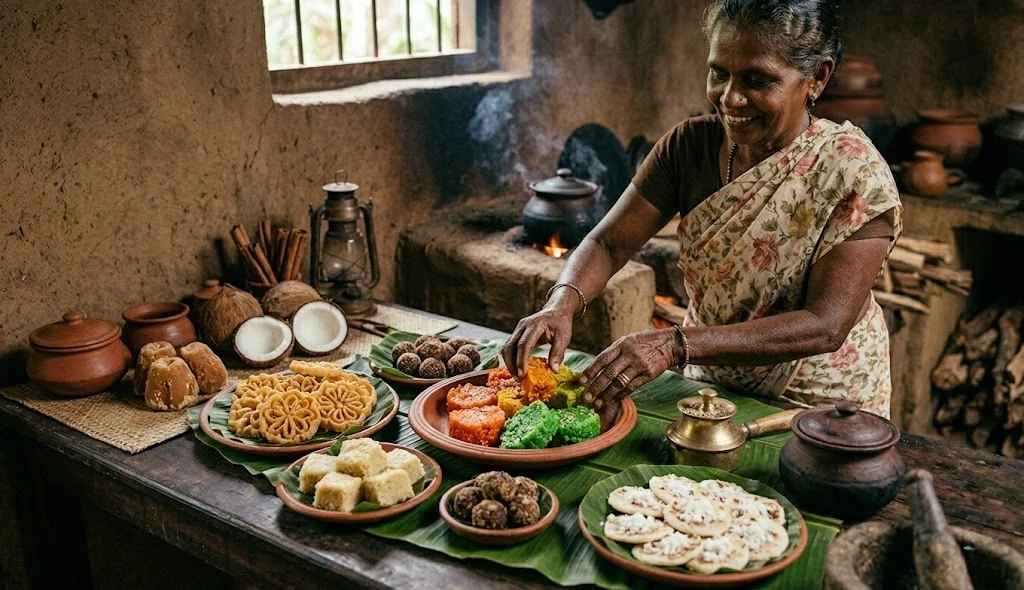
The Ubiquitous Coconut in Sri Lankan Sweets
The tropical climate of Sri Lanka makes coconuts readily available, and their sweet, creamy flesh, along with the rich milk extracted from it, is expertly harnessed to create a symphony of textures and flavors. From the fine shreds of desiccated coconut to the creamy coconut milk, each part of the coconut plays a vital role in crafting these beloved treats. The inherent sweetness of the coconut is often enhanced with jaggery (unrefined cane sugar) or sugar, creating a perfect balance that is both comforting and indulgent.
Kavum
Perhaps the most iconic Sri Lankan sweet, especially during the Avurudu (Sinhala and Tamil New Year) celebrations, is Kavum. This deep-fried delicacy, often made with rice flour and coconut milk, comes in various forms. The most common is the 'Oil Cavum', a golden-brown, crispy yet soft fritter that embodies the festive spirit. Another popular variant is 'Konda Kavum', which features a distinct shape resembling a bun with a crown, often achieved by skilled hands during the frying process. The preparation of Kavum is often a communal activity, bringing families together to prepare these treats, a testament to their cultural importance.
Kithul Hakuru
Kithul Hakuru, a type of palm treacle or jaggery derived from the sap of the Kithul palm, is another cornerstone ingredient. When combined with grated coconut, it forms the base for numerous sweets. 'Aluwa', a diamond shaped sweet made from rice flour, sugar, and sometimes coconut, is often flavored with Kithul treacle, giving it a rich, caramel like taste. The interplay of the nutty coconut and the deep, complex sweetness of Kithul treacle creates a uniquely Sri Lankan flavor profile that is utterly irresistible.
Dodol
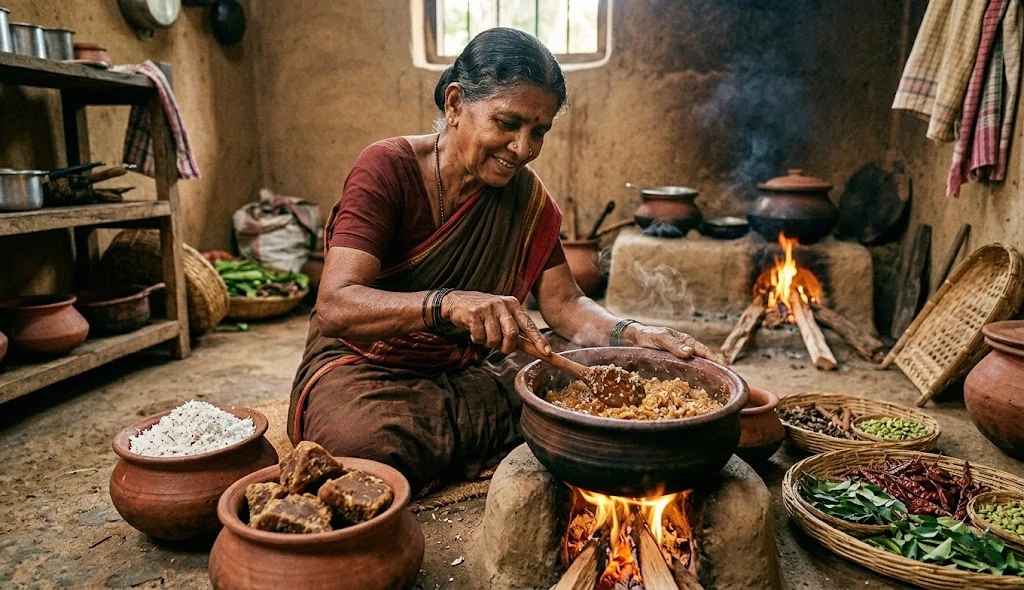
Dodol is a dense, chewy confection made from a combination of rice flour, Kithul jaggery, and thick coconut milk. It is slow cooked for hours, stirring continuously to prevent it from sticking to the pot and to achieve the desired thick, fudge like consistency. The process of making Dodol is labor intensive, often requiring patience and dedication, and the resulting sweet is a rich, deeply flavored treat that is often shared during special occasions and family gatherings. Its complex sweetness and satisfying chewiness make it a true labor of love and a testament to Sri Lankan culinary artistry.
Other Notable Coconut Sweets
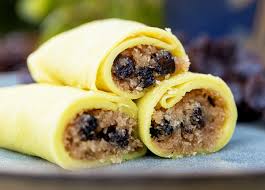
Beyond these prominent examples, Sri Lankan cuisine boasts a vast array of other coconut based sweets. 'Kokis', a delicate, crispy, flower shaped fried cookie, is another Avurudu favorite, often made with rice flour and coconut milk. 'Athirasa', a sweet, flat, deep fried cookie made with rice flour and jaggery, is also a popular choice. 'Undu Wal' made from urad dal and coconut, and various types of ladoos incorporating grated coconut, further showcase the diversity and ingenuity of Sri Lankan sweet makers. Even simple preparations like 'Pol Toffe' (coconut toffee) and 'Pol Pani' (coconut syrup) are immensely popular, highlighting the profound and multifaceted role of the coconut in Sri Lankan culinary culture.
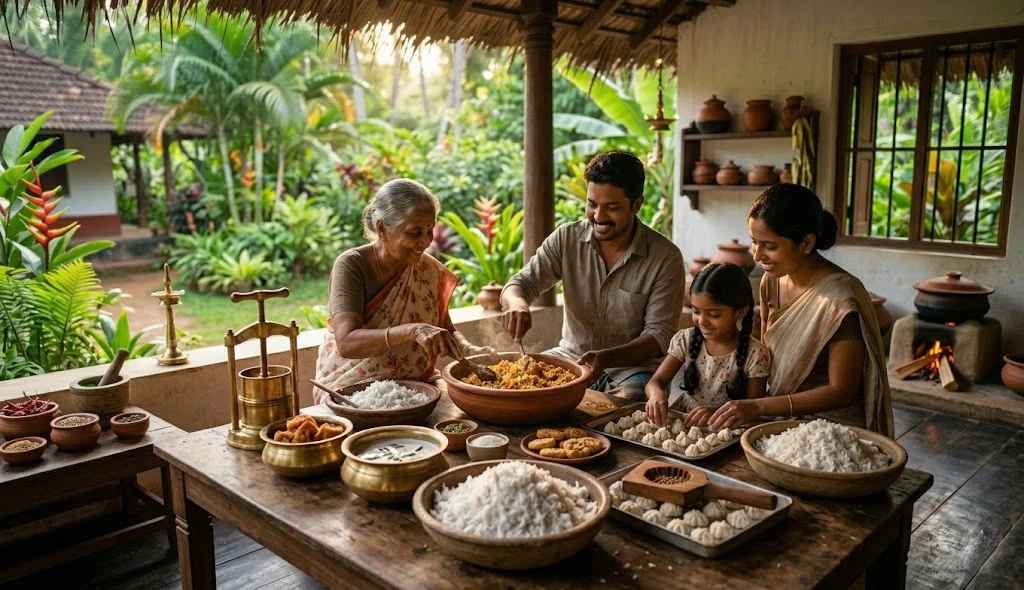
The traditional coconut sweet recipes of Sri Lanka are far more than just a collection of ingredients and instructions. They are woven into the very fabric of Sri Lankan society, representing celebrations, hospitality, and a deep connection to the land. The effort and care that goes into preparing these sweets reflect a profound respect for tradition and a desire to share joy and sweetness with loved ones. As Sri Lanka continues to evolve, these timeless coconut sweets remain a delicious and enduring link to its rich cultural heritage, offering a taste of authentic Sri Lankan warmth and flavor to all who partake.
Most Popular







Anaya
comment1