



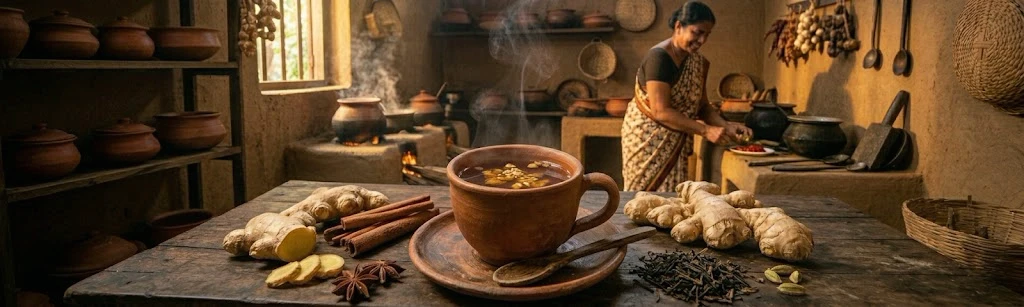
Sri Lanka, an island renowned for its vibrant culture, breathtaking landscapes, and, of course, its world-class tea, holds a special place in the hearts of tea enthusiasts. Beyond the famed Ceylon black teas, the island is home to a multitude of traditional herbal infusions, each steeped in history and local wisdom. Among these, Sri Lankan ginger tea stands out as a comforting, invigorating, and health-boosting beverage that captures the very essence of the island's natural bounty.
This aromatic brew is more than just a drink; it's an experience, a ritual that has been passed down through generations. Whether enjoyed on a cool morning to awaken the senses, as a soothing remedy for a sore throat, or simply as a moment of mindful indulgence, authentic Sri Lankan ginger tea offers a taste of true island hospitality and well-being. In this guide, we will delve into the heart of making this traditional herbal tea, exploring its benefits and the cultural significance it holds.
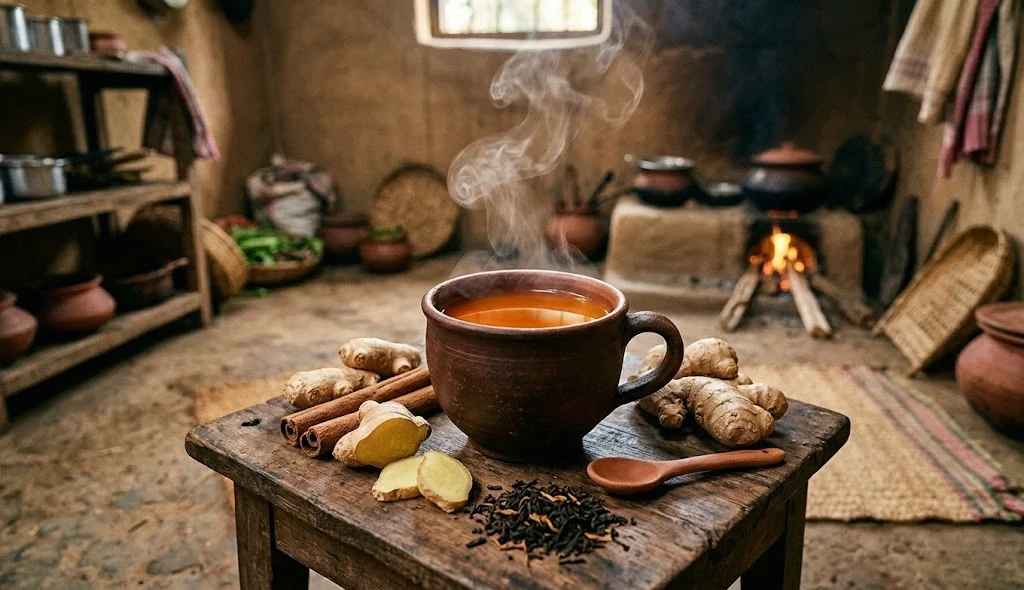
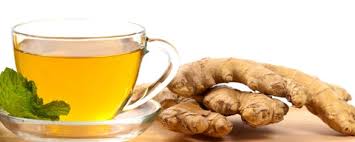
Fresh Ginger
The secret to an authentic Sri Lankan ginger tea lies in its star ingredient: fresh ginger. Unlike powdered spices, fresh ginger provides a potent, pungent flavor and a warmth that is both comforting and medicinal. The process of making this tea is remarkably simple, allowing the natural goodness of the ginger to shine through.
A Traditional Sri Lankan Ginger Tea Recipe
Creating your own homemade ginger tea is a rewarding endeavor. Here's how to capture that authentic Sri Lankan flavor:
Ingredients:
- 1 to 2 inches of fresh ginger root, peeled and thinly sliced or grated
- 2 cups of water
- 1 to 2 tablespoons of palm jaggery (hakuru) or honey, to taste
- Optional: A few mint leaves, a pinch of cardamom, or a sliver of cinnamon stick for added complexity
Instructions:
- Begin by preparing your ginger. For a stronger flavor, grate it. For a milder taste, thin slices will suffice.
- In a saucepan, combine the prepared ginger with the water. If you are using any optional spices, add them now.
- Bring the mixture to a boil, then reduce the heat to a gentle simmer. Let it simmer for 10-15 minutes. This allows the ginger's essence and beneficial compounds to infuse into the water. The longer you simmer, the more intense the flavor will be.
- Strain the infused liquid into a teapot or directly into your cups. Discard the ginger pieces.
- Sweeten the tea with palm jaggery or honey. Stir well until dissolved. Palm jaggery, a traditional sweetener in Sri Lanka, imparts a subtle caramel note that complements the ginger beautifully. Adjust the sweetness to your personal preference.
- Serve hot and savor the warming aroma and robust flavor.
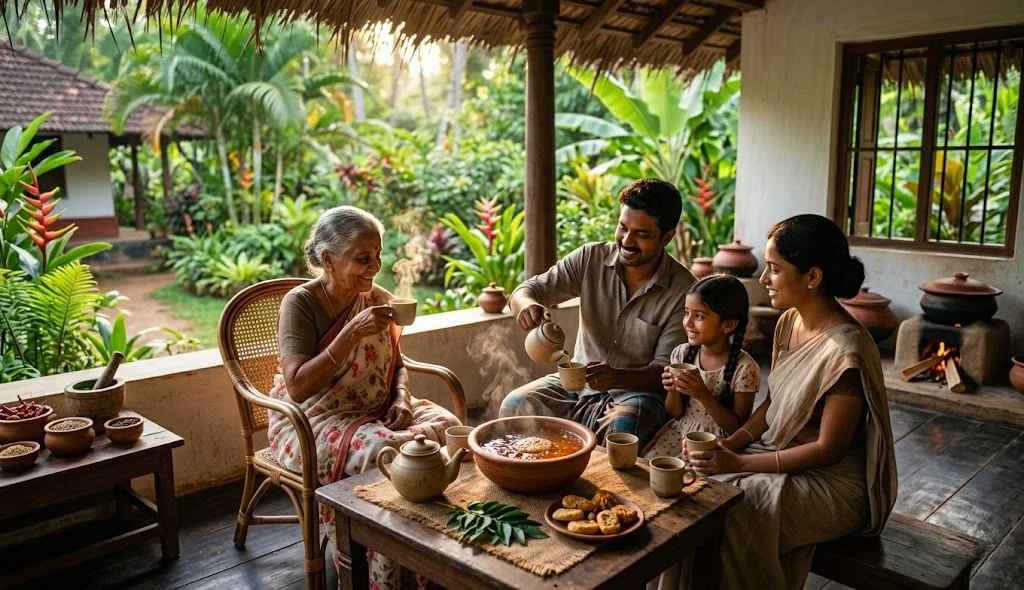
The Health Benefits of Ginger Tea
Beyond its delightful taste, Sri Lankan ginger tea is celebrated for its numerous health benefits, a testament to the traditional knowledge of herbal remedies. Ginger is a powerhouse of antioxidants and has anti-inflammatory properties. It is commonly used to:
- Soothe digestive issues, including nausea and indigestion.
- Alleviate cold and flu symptoms, such as sore throats and congestion.
- Boost the immune system.
- Aid in managing pain, including menstrual cramps and headaches.
- Promote circulation and a sense of warmth.
Incorporating this delicious beverage into your daily routine can be a simple yet effective way to support your overall well-being.
Sri Lankan Tea Culture and Ginger Tea
Tea in Sri Lanka is more than just a beverage; it is woven into the fabric of daily life and hospitality. From the sprawling tea estates of the hill country to the humble kitchens in every home, tea is a symbol of welcome and connection. While black tea is the most widely consumed, traditional herbal teas like ginger tea hold a special place, often prepared with care and offered with genuine warmth. It represents a connection to the land, its natural remedies, and the enduring spirit of Sri Lankan culture.
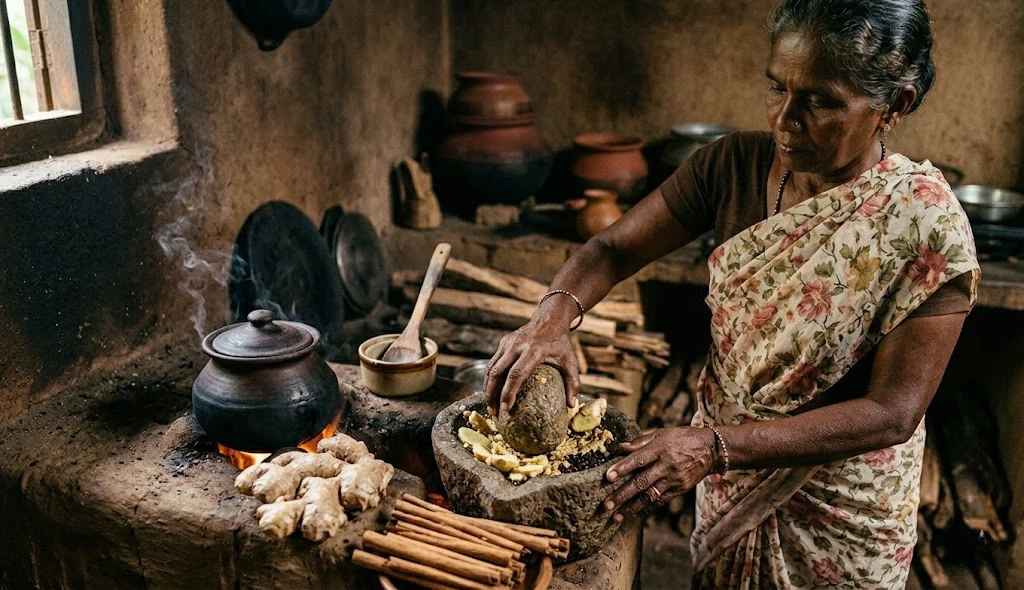
Making authentic Sri Lankan ginger tea is a journey into the heart of the island's culinary and wellness traditions. It's an invitation to slow down, appreciate the simple yet profound pleasures of natural ingredients, and connect with a heritage that values health and hospitality. The process is straightforward, the ingredients are readily available, and the rewards are plentiful. Whether you're a seasoned tea connoisseur or new to the world of herbal infusions, this recipe offers a delightful way to experience the invigorating and soothing embrace of Sri Lankan ginger tea. Brew a cup, inhale its fragrant steam, and let the warmth of Sri Lanka envelop you.
Most Popular









Anaya
comment1